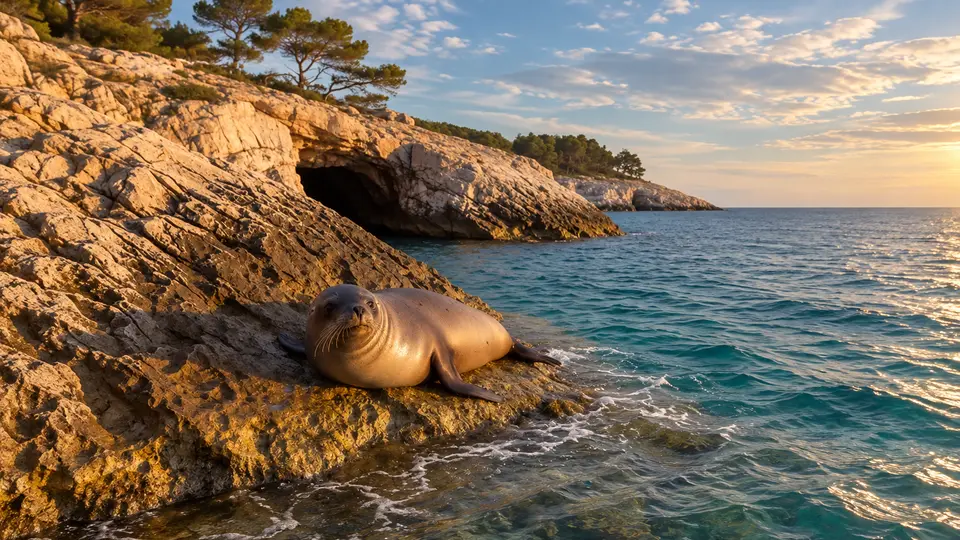
Mediterranean Monk Seal in its natural habitatAI-modified

Mediterranean Monk SealMonachus monachusWhere and when to see them

Mediterranean Monk Seal at a glance

The Mediterranean monk seal is one of the world's rarest seals, surviving in scattered Mediterranean and eastern Atlantic populations. Unlike seals associated with polar ice, it inhabits temperate and subtropical coasts. Adults have robust bodies, rounded heads and short flippers, with coloration varying by age and sex. Centuries of persecution, accidental capture and coastal disturbance have reduced its range, making quiet resting and breeding habitat particularly important.

Behaviour & reproduction

Size
2.3-2.8 m (7.5-9.2 ft) long
Weight
240-400 kg (529-882 lb)
Lifespan
20-30 years
Status
Vulnerable

Monk seals spend much of their time feeding at sea and return to secluded shores to rest or give birth. Many surviving populations use marine caves, partly because exposed beaches are heavily disturbed. Individuals may travel substantial distances along coasts, so appearances can be unpredictable. Mothers nurse their pups for several months, and disturbance at a nursery can separate a mother and pup or interrupt essential resting time. They are generally solitary or found in small groups, though larger aggregations might occur in prime resting areas or during breeding. Monk seals are known to be quite shy and secretive due, in part, to historical persecution and ongoing human disturbance. They are capable of diving to considerable depths and holding their breath for extended periods while foraging for food.

Top wildlife locations

Croatia wildlife habitatAI-modified

Croatia

Quiet rocky Adriatic shores provide plausible habitat, but monk seals are exceptionally rare visitors rather than dependable coastal wildlife. Public headlands offer distant viewpoints; isolated caves must not be approached or entered.

Greece wildlife habitatAI-modified

Greece

Remote rocky island coasts and protected shorelines support Greece's important population. Observe from established public viewpoints or passing decks; nursery caves and restricted coastal zones are inaccessible for casual wildlife observation.

Portugal wildlife habitatAI-modified

Portugal

Portugal's population is associated chiefly with Madeira and the Desertas, not routine mainland shore viewing. Protected island shores have restricted access, and any distant deck observation must comply with reserve rules.

Turkey wildlife habitatAI-modified

Turkey

Undisturbed rocky Aegean and Mediterranean coastlines provide habitat, but encounters remain rare. Use public coastal viewpoints, avoid secluded nursery caves, and recognize that protected stretches may be closed to visitors.

Destinations describe the species' habitat, not guaranteed cruise stops. Some animals require an optional inland excursion or are found in restricted reserves.

Fun facts about the Mediterranean Monk Seal

  • It is one of only two living monk seal species.
  • Adult males often have a conspicuous pale belly patch.
  • Newborn pups have dark coats with a pale ventral patch.
  • The Desertas Islands support an important protected Atlantic population.

Best time to see the Mediterranean Monk Seal

Distant coastal observation is possible year-round where populations persist, but sightings are never dependable. Spring through autumn often provides easier public coastal access and calmer viewing conditions. Breeding timing varies geographically, and nursery areas should never be sought out for observation. Prime viewing opportunities from a distance might exist during calmer sea conditions, which typically occur from late spring through early autumn in the Mediterranean. Observing from an organized boat trip that respects wildlife viewing guidelines can offer better chances than land-based viewing. Always prioritize calm weather and sea conditions for safe and effective distant observation from a vessel.

Mediterranean Monk Seal: season matrix by destination

Travel and observation windows vary by region. Highlighted months are an orientation for planning, not confirmed sightings or a guarantee of access.

Croatia

This is a practical coastal travel window, not a documented seasonal concentration of seals in Croatia.

JanFebMarAprMayJunJulAugSepOctNovDec
Cruise ships in Croatia

Greece

These months favor coastal access and visibility; seals remain present year-round, and local breeding restrictions take precedence.

JanFebMarAprMayJunJulAugSepOctNovDec
Cruise ships in Greece

Portugal

This window generally offers workable maritime conditions around Madeira; it does not imply predictable sightings or permission to access protected shores.

JanFebMarAprMayJunJulAugSepOctNovDec
Cruise ships in Portugal

Turkey

The window reflects coastal viewing conditions rather than a seasonal arrival; resident seals can occur throughout the year.

JanFebMarAprMayJunJulAugSepOctNovDec
Cruise ships in Turkey

Where the Mediterranean Monk Seal lives

Suitable habitat combines productive coastal waters with undisturbed resting places, especially secluded beaches and sea caves. Breeding caves need safe internal space and access to the sea. Human pressure has made many otherwise suitable stretches of coastline unusable or risky. Coastal waters with good fish stocks are essential. These seals often use islands and remote islets, particularly those with caves, to avoid human disturbance. Many monk seal populations are now restricted to areas with suitable cave systems, even if open beaches were historically preferred.

What the Mediterranean Monk Seal eats

The diet includes a wide variety of coastal fish, octopuses and other cephalopods. Prey composition differs among regions and individuals. Seals sometimes take fish around fishing gear, creating conflict with fisheries and exposing them to entanglement or deliberate injury. Monk seals are opportunistic feeders, consuming whatever fish and cephalopods are locally abundant and accessible. Their diet is primarily demersal, meaning they feed on bottom-dwelling prey. Common prey items include octopus, squid, various small to medium-sized fish, and occasionally crustaceans.

Species at a glance

Common name
Mediterranean Monk Seal
Scientific name
Monachus monachus
Animal group
Mammals
Size
2.3-2.8 m (7.5-9.2 ft) long
Weight
240-400 kg (529-882 lb)
Lifespan
20-30 years
Status
Vulnerable
Identification
Its rounded head, lack of external ear flaps and relatively uniform dark or gray coat distinguish it from sea lions and the more strongly patterned common seals. Adults generally grow to about 2.4 meters (8 feet) in length and can weigh up to 320 kilograms (700 pounds). Pups are born with a dark, woolly coat, often with a distinctive white or yellow patch on their belly, which is shed after several weeks. The species is characterized by its relatively large head and short flippers compared to its body size.

Mediterranean Monk Seal: frequently asked questions

Where can I see the Mediterranean Monk Seal?
Croatia, Greece, Portugal, Turkey. Watch only from a distant shore viewpoint or vessel deck. Never enter seal caves, approach resting seals or block their route to water. Leave immediately if an animal becomes alert or changes its behavior. Use binoculars or a spotting scope for any observation, maintaining a significant distance to avoid causing stress. If observing from a boat, maintain a slow speed and a wide berth, never approaching head-on or encircling the animal. Remember that any sustained attention, even from afar, can be a form of disturbance for these highly sensitive animals.
When is the best time to see the Mediterranean Monk Seal?
Distant coastal observation is possible year-round where populations persist, but sightings are never dependable. Spring through autumn often provides easier public coastal access and calmer viewing conditions. Breeding timing varies geographically, and nursery areas should never be sought out for observation. Prime viewing opportunities from a distance might exist during calmer sea conditions, which typically occur from late spring through early autumn in the Mediterranean. Observing from an organized boat trip that respects wildlife viewing guidelines can offer better chances than land-based viewing. Always prioritize calm weather and sea conditions for safe and effective distant observation from a vessel.
How big does the Mediterranean Monk Seal get?
2.3-2.8 m (7.5-9.2 ft) long. Adult weight: 240-400 kg (529-882 lb). Size varies with age, sex and population.
How should I behave around the Mediterranean Monk Seal?
Watch only from a distant shore viewpoint or vessel deck. Never enter seal caves, approach resting seals or block their route to water. Leave immediately if an animal becomes alert or changes its behavior. Use binoculars or a spotting scope for any observation, maintaining a significant distance to avoid causing stress. If observing from a boat, maintain a slow speed and a wide berth, never approaching head-on or encircling the animal. Remember that any sustained attention, even from afar, can be a form of disturbance for these highly sensitive animals.
What does the Mediterranean Monk Seal eat?
The diet includes a wide variety of coastal fish, octopuses and other cephalopods. Prey composition differs among regions and individuals. Seals sometimes take fish around fishing gear, creating conflict with fisheries and exposing them to entanglement or deliberate injury. Monk seals are opportunistic feeders, consuming whatever fish and cephalopods are locally abundant and accessible. Their diet is primarily demersal, meaning they feed on bottom-dwelling prey. Common prey items include octopus, squid, various small to medium-sized fish, and occasionally crustaceans.
Are wildlife sightings guaranteed on an adventure cruise?
No. Animals move freely and routes, weather, access restrictions and local conditions influence every outing. Confirm the actual itinerary and shore program before booking.

Compare wildlife in the same destinations

Explore other mammals recorded in these destinations. Similar surroundings do not mean the animals share the same habits or viewing season.

Species comparison by animal group and destination
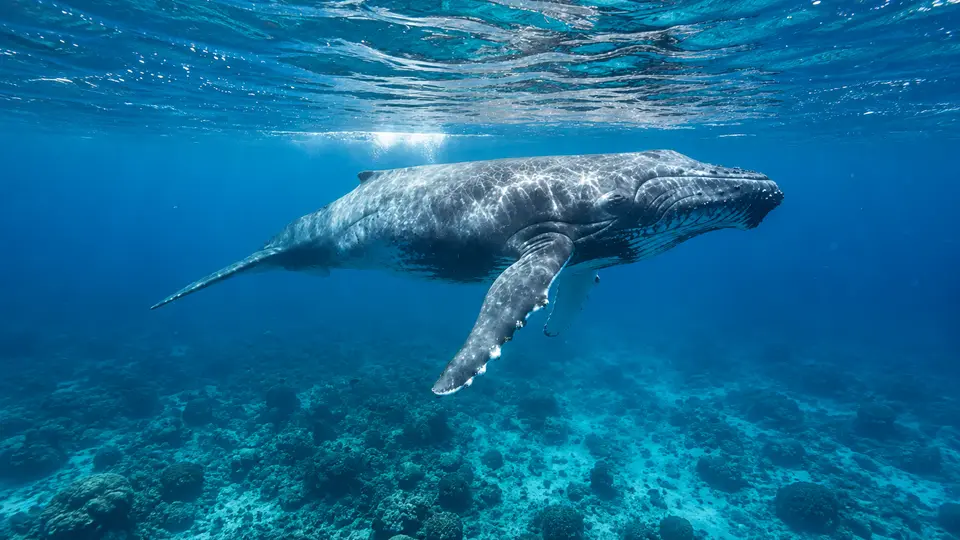
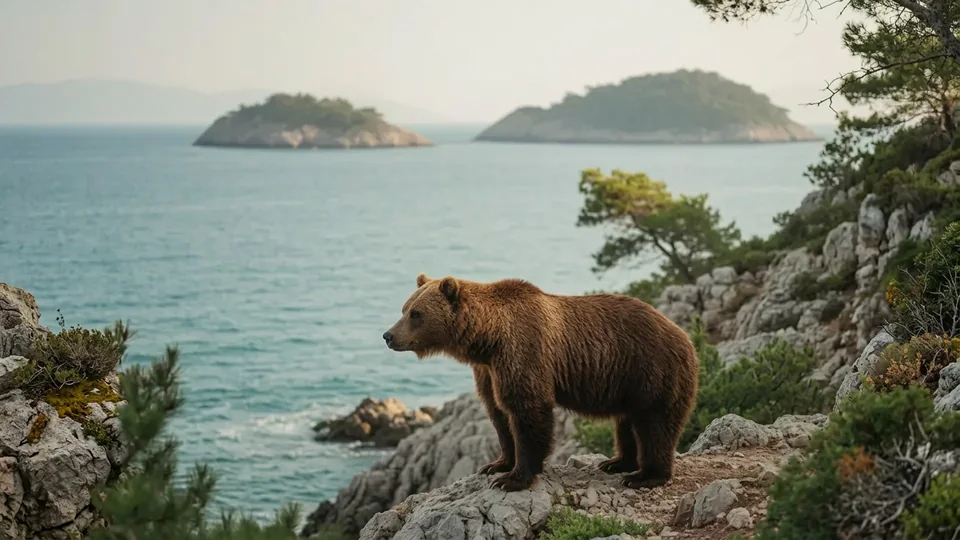
Mediterranean Monk SealAI-modifiedMediterranean Monk SealBlue WhaleAI-modifiedBlue WhaleBrown BearAI-modifiedBrown Bear
Animal groupMammalsAnimal groupMammalsAnimal groupMammals
DestinationsCroatia, Greece, Portugal, TurkeyDestinationsMexico, Norway, Portugal, Antarctica, Arctic, Maldives, New ZealandDestinationsTurkey
Scientific nameMonachus monachusScientific nameScientific name
All wildlife destinations
AI-modified
Plan your trip

Find your next wildlife adventure

Compare destinations, shore programs and dates with the animals and habitats you would love to see.

  • Naturalist-led shore excursions
  • Responsible wildlife watching
  • Small expedition ships