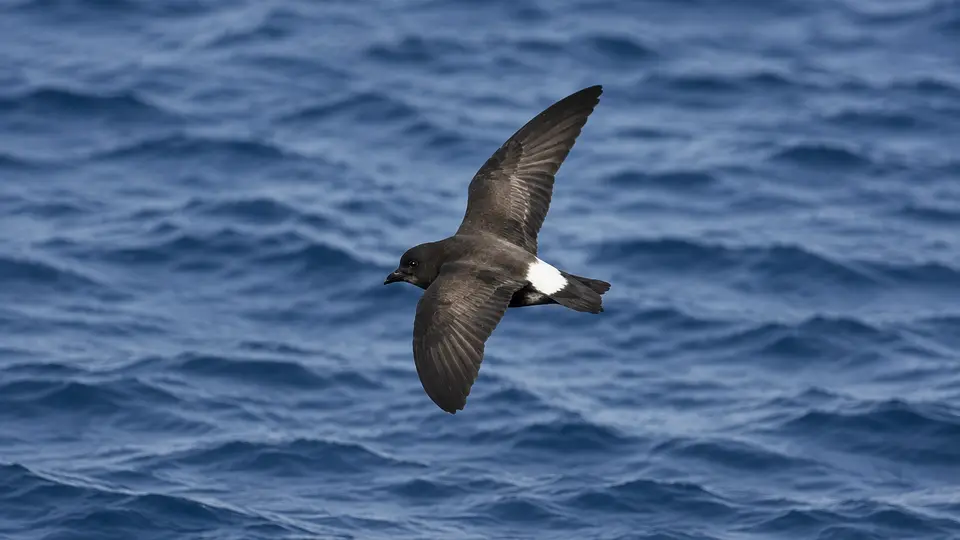
Madeiran Storm Petrel in its natural habitatAI-modified

Madeiran Storm PetrelHydrobates castroWhere and when to see them

Madeiran Storm Petrel at a glance

The Madeiran storm petrel, also known as the band-rumped storm petrel, is a small dark seabird with a contrasting white rump. It belongs to a difficult complex whose populations have been separated differently as research develops. In the Madeira region, it must not be confused with the separately recognized Monteiro's storm petrel of the Azores. Most of its life is spent offshore, and shore sightings are generally distant, brief and difficult to identify confidently.

Behaviour & reproduction

Size
19–21 cm (7.5–8.3 in) long
Weight
40–55 g (1.4–1.9 oz)
Lifespan
Not reliably established
Status
Least Concern

At sea, these storm petrels fly low over waves, alternating wingbeats and glides while searching the surface for food. They may patter briefly with their feet as they pick up prey. Breeding birds visit rocky nesting cavities mainly at night, reducing exposure to daytime predators. Their calls help maintain contact around colonies. Seasonal colony attendance varies among populations, so observations of one island group cannot establish a universal breeding calendar. Madeiran storm petrels are generally nocturnal at their breeding colonies, primarily to avoid predation from gulls and other aerial predators. Their calls are a series of chirps and trills, often heard at night near the colony entrance.

Top wildlife locations

Portugal wildlife habitatAI-modified

Portugal

Madeira's exposed headlands and existing offshore deck routes provide only uncertain distant viewing. Breeding islets and nesting cavities are generally inaccessible or protected, and most shore observers will not obtain identifiable views.
Destinations describe the species' habitat, not guaranteed cruise stops. Some animals require an optional inland excursion or are found in restricted reserves.

Fun facts about the Madeiran Storm Petrel

  • The white rump band is conspicuous even when much of the bird looks uniformly dark.
  • Adults normally lay just one egg per breeding attempt.
  • Nesting visits are largely nocturnal.
  • Research on seasonally separated island populations has revealed previously overlooked species within the wider complex.

Best time to see the Madeiran Storm Petrel

Late summer and autumn can be relevant around Madeira for the population traditionally associated with cool-season breeding. However, taxonomy, island differences and offshore habits make a single viewing calendar misleading. Calm visibility and suitable existing deck routes matter more than a promised seasonal appearance. While specific breeding periods vary, high concentrations around certain islands like the Madeiras and Azores suggest these are prime locations for observing the species from late spring through autumn. Offshore pelagic trips specifically targeting seabirds offer the best chances of encountering them during these months.

Madeiran Storm Petrel: season matrix by destination

Travel and observation windows vary by region. Highlighted months are an orientation for planning, not confirmed sightings or a guarantee of access.

Portugal

No dependable shore-observation window is supported for this taxonomically complex, mainly offshore bird; breeding calendars and access vary among Portuguese island populations.

JanFebMarAprMayJunJulAugSepOctNovDec
Cruise ships in Portugal

Where the Madeiran Storm Petrel lives

Madeiran storm petrels occupy open ocean waters and breed in cavities or crevices on oceanic islands. Suitable colonies require secure nesting substrate and low pressure from introduced predators. Breeding islets may be protected and inaccessible, while ordinary coastal viewpoints are far from regular feeding areas. They are highly pelagic, spending most of their lives far from land, returning only to breed. Breeding sites are often remote, cliff-bound islands or islets, providing natural protection from terrestrial predators.

What the Madeiran Storm Petrel eats

Small fish, squid and marine crustaceans are taken at or near the sea surface. Some prey becomes more accessible through daily vertical movements or concentration along ocean fronts. Their small size allows delicate surface picking rather than the forceful prey capture of larger seabirds. They exhibit a distinctive flight pattern while foraging, often appearing to 'walk' on the water surface with their feet dangling. This surface-feeding behavior targets small invertebrates and fish oils, which they can detect using their keen sense of smell.

Species at a glance

Common name
Madeiran Storm Petrel
Scientific name
Hydrobates castro
Animal group
Birds
Size
19–21 cm (7.5–8.3 in) long
Weight
40–55 g (1.4–1.9 oz)
Lifespan
Not reliably established
Status
Least Concern
Identification
Compared with European storm petrel, Madeiran storm petrel is larger and lacks its strong white underwing bar, but separation from related band-rumped forms can be impossible at distance. Key identification features include their relatively large size for a storm petrel, a prominent pale carpal bar on the upperwing, and a long, forked tail. The amount of white on the rump can vary, adding to identification challenges, especially with similar species.

Madeiran Storm Petrel: frequently asked questions

Where can I see the Madeiran Storm Petrel?
Portugal. Observe only from safe coastal viewpoints or an existing vessel's deck, using binoculars and photographs for cautious identification. Do not approach nesting crevices or use lights and playback near colonies. Accept unidentified distant storm petrels when features are insufficient. Specialized pelagic trips often chum the waters with fish oil and offal to attract these birds closer to the vessel for better viewing opportunities. Always ensure the boat adheres to responsible wildlife viewing guidelines, maintaining respectful distances and minimizing disturbance.
When is the best time to see the Madeiran Storm Petrel?
Late summer and autumn can be relevant around Madeira for the population traditionally associated with cool-season breeding. However, taxonomy, island differences and offshore habits make a single viewing calendar misleading. Calm visibility and suitable existing deck routes matter more than a promised seasonal appearance. While specific breeding periods vary, high concentrations around certain islands like the Madeiras and Azores suggest these are prime locations for observing the species from late spring through autumn. Offshore pelagic trips specifically targeting seabirds offer the best chances of encountering them during these months.
How big does the Madeiran Storm Petrel get?
19–21 cm (7.5–8.3 in) long. Adult weight: 40–55 g (1.4–1.9 oz). Size varies with age, sex and population.
How should I behave around the Madeiran Storm Petrel?
Observe only from safe coastal viewpoints or an existing vessel's deck, using binoculars and photographs for cautious identification. Do not approach nesting crevices or use lights and playback near colonies. Accept unidentified distant storm petrels when features are insufficient. Specialized pelagic trips often chum the waters with fish oil and offal to attract these birds closer to the vessel for better viewing opportunities. Always ensure the boat adheres to responsible wildlife viewing guidelines, maintaining respectful distances and minimizing disturbance.
What does the Madeiran Storm Petrel eat?
Small fish, squid and marine crustaceans are taken at or near the sea surface. Some prey becomes more accessible through daily vertical movements or concentration along ocean fronts. Their small size allows delicate surface picking rather than the forceful prey capture of larger seabirds. They exhibit a distinctive flight pattern while foraging, often appearing to 'walk' on the water surface with their feet dangling. This surface-feeding behavior targets small invertebrates and fish oils, which they can detect using their keen sense of smell.
Are wildlife sightings guaranteed on an adventure cruise?
No. Animals move freely and routes, weather, access restrictions and local conditions influence every outing. Confirm the actual itinerary and shore program before booking.

Compare wildlife in the same destinations

Explore other birds recorded in these destinations. Similar surroundings do not mean the animals share the same habits or viewing season.

Species comparison by animal group and destination
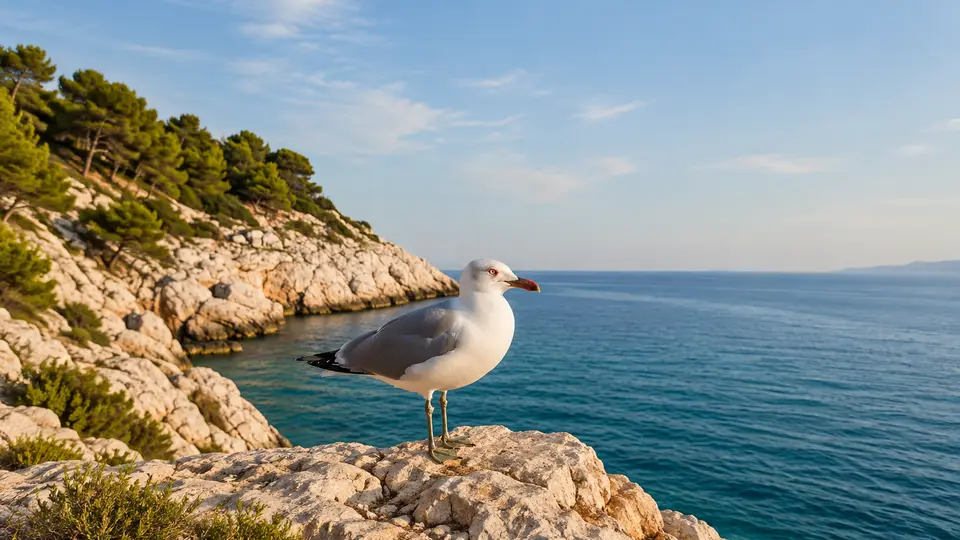
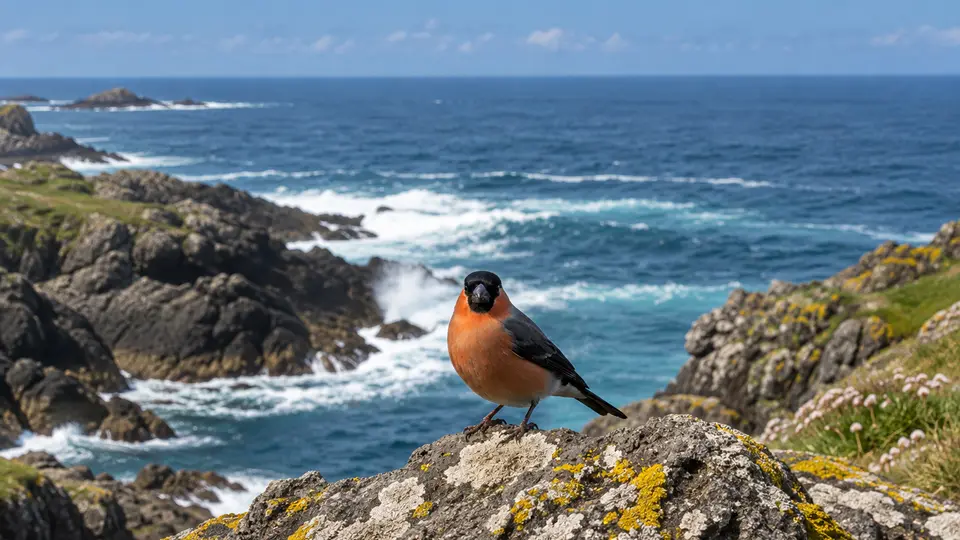
Madeiran Storm PetrelAI-modifiedMadeiran Storm PetrelAudouin's GullAI-modifiedAudouin's GullAzores BullfinchAI-modifiedAzores Bullfinch
Animal groupBirdsAnimal groupBirdsAnimal groupBirds
DestinationsPortugalDestinationsCroatia, Greece, Portugal, TurkeyDestinationsPortugal
Scientific nameHydrobates castroScientific nameScientific name
All wildlife destinations
AI-modified
Plan your trip

Find your next wildlife adventure

Compare destinations, shore programs and dates with the animals and habitats you would love to see.

  • Naturalist-led shore excursions
  • Responsible wildlife watching
  • Small expedition ships