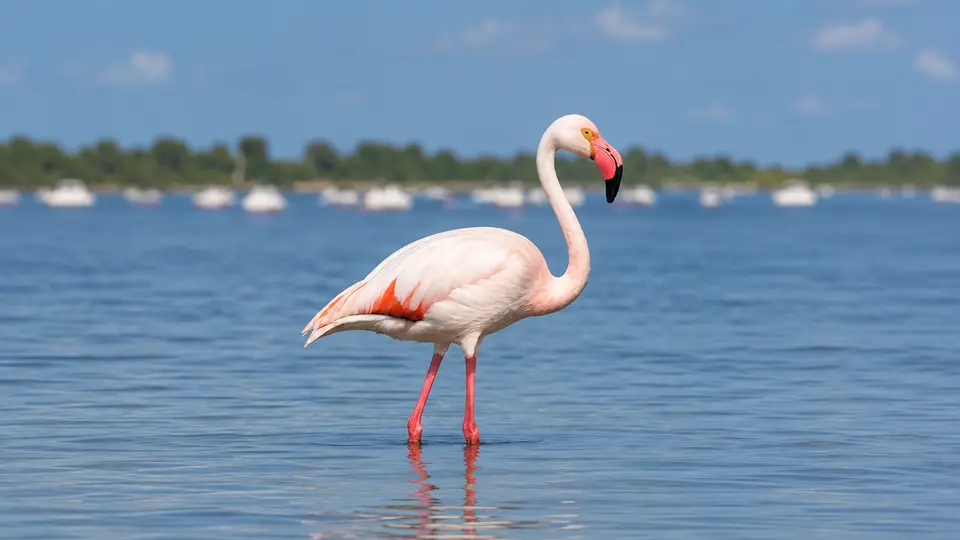
Greater Flamingo in its natural habitatAI-modified

Greater FlamingoPhoenicopterus roseusWhere and when to see them

Greater Flamingo at a glance

The greater flamingo is the largest living flamingo, inhabiting shallow saline and brackish wetlands across parts of Africa, southern Europe and Asia. Adults are mostly pale pink, with brighter wing coverts and black flight feathers revealed in flight. Large flocks can transform a distant lagoon into a moving pink line. Their movements connect widely separated wetlands, making water conditions and disturbance more important than national boundaries when predicting local presence.

Behaviour & reproduction

Size
110–150 cm (43.3–59.1 in) tall
Weight
2–4 kg (4.4–8.8 lb)
Lifespan
20–40 years
Status
Least Concern

Flamingos feed by sweeping an inverted bill through shallow water while the tongue pumps water across filtering structures. They often stir bottom sediments with their feet. Flocks perform synchronized displays involving head flagging, wing stretching and coordinated walking. When conditions permit, colonies build mud nest mounds in isolated shallows. Breeding is not assured annually at every wetland, and birds may move substantial distances when feeding areas dry or become unsuitable. Flamingos feed by sweeping an inverted bill through shallow water while the tongue pumps water across filtering structures. They often stir bottom sediments with their feet. Flocks perform synchronized displays involving head flagging, wing stretching and coordinated walking. When conditions permit, colonies build mud nest mounds in isolated shallows. Breeding is not assured annually at every wetland, and birds may move substantial distances when feeding areas dry or become unsuitable. These communal displays reinforce social bonds and synchronize breeding within the colony. Their ability to fly long distances allows them to exploit ephemeral water bodies and track optimal food availability across their extensive range.

Top wildlife locations

Egypt wildlife habitatAI-modified

Egypt

Northern coastal lagoons and suitable Red Sea saltwater wetlands offer distant viewing habitat. Access may require a road excursion, local permissions or reserve guidance; many shore sections are unsuitable or restricted.

Greece wildlife habitatAI-modified

Greece

Coastal lagoons, saltworks and northern estuarine wetlands can support flocks visible from public roads or hides. Some sites require an excursion away from ports, and protected nesting or feeding areas remain off-limits.

Portugal wildlife habitatAI-modified

Portugal

The Tagus and Sado estuaries and Algarve salinas provide plausible viewing from designated paths and hides. Tidal position affects distance, and reaching productive wetlands may require a road excursion from the coast.

Turkey wildlife habitatAI-modified

Turkey

Coastal delta lagoons and saltpans, including the Gediz wetland complex, offer suitable distant viewing. Other important populations occupy inland lakes requiring separate excursions, and sensitive colony areas are not visitor access points.

Destinations describe the species' habitat, not guaranteed cruise stops. Some animals require an optional inland excursion or are found in restricted reserves.

Fun facts about the Greater Flamingo

  • Both parents produce a nutrient-rich secretion to feed their chick.
  • A typical clutch contains one egg.
  • The downward bend of the bill develops as a young bird grows.
  • Black flight feathers are largely concealed when the wings are folded.

Best time to see the Greater Flamingo

Autumn through spring is often productive at Mediterranean and Egyptian wintering wetlands, while Portuguese estuaries can hold birds throughout the year. Summer viewing remains possible in several regions. Local water levels, wetland management and movements matter more than any single universal flamingo season. Autumn through spring is often productive at Mediterranean and Egyptian wintering wetlands, while Portuguese estuaries can hold birds throughout the year. Summer viewing remains possible in several regions. Local water levels, wetland management and movements matter more than any single universal flamingo season. In Greece, peak numbers are often observed during migration in spring and autumn, with significant wintering populations at sites like Lake Kerkini and the Amvrakikos Gulf. Portuguese coastal wetlands, such as the Ria Formosa, offer consistent viewing opportunities due to resident populations.

Greater Flamingo: season matrix by destination

Travel and observation windows vary by region. Highlighted months are an orientation for planning, not confirmed sightings or a guarantee of access.

Egypt

Cooler months suit wetland watching and wintering birds, but numbers depend on water conditions and the particular wetland.

JanFebMarAprMayJunJulAugSepOctNovDec
Cruise ships in Egypt

Greece

Autumn to spring is a useful broad window; year-round presence occurs locally and breeding is site-dependent.

JanFebMarAprMayJunJulAugSepOctNovDec
Cruise ships in Greece

Portugal

Birds occur year-round at suitable wetlands; autumn and winter often bring substantial concentrations without guaranteeing local numbers.

JanFebMarAprMayJunJulAugSepOctNovDec
Cruise ships in Portugal

Turkey

These months offer a practical coastal wetland window; inland breeding schedules and water levels follow different patterns.

JanFebMarAprMayJunJulAugSepOctNovDec
Cruise ships in Turkey

Where the Greater Flamingo lives

Favored habitats include salt lakes, coastal lagoons, estuaries, salinas and broad tidal flats. Water must be shallow enough for feeding, with suitable invertebrate resources. Breeding colonies require relatively secure, undisturbed islands or mudflats, often separated from terrestrial predators by surrounding water. Favored habitats include salt lakes, coastal lagoons, estuaries, salinas and broad tidal flats. Water must be shallow enough for feeding, with suitable invertebrate resources. Breeding colonies require relatively secure, undisturbed islands or mudflats, often separated from terrestrial predators by surrounding water. They are highly adaptable and will utilize both natural and artificial wetlands, including salt pans and wastewater treatment ponds. The presence of dense algal mats or abundant invertebrates is crucial for site selection.

What the Greater Flamingo eats

Greater flamingos filter small crustaceans, insect larvae, molluscs and other tiny aquatic organisms, along with some algae and plant material. Food composition differs among wetlands. Carotenoid pigments obtained through the diet contribute to pink coloration, which varies with age, condition and feeding history. Greater flamingos filter small crustaceans, insect larvae, molluscs and other tiny aquatic organisms, along with some algae and plant material. Food composition differs among wetlands. Carotenoid pigments obtained through the diet contribute to pink coloration, which varies with age, condition and feeding history. Their specialized lamellae in the bill efficiently strain small food particles from the water. Despite their varied diet, brine shrimp and other small invertebrates are primary food sources in many locations.

Species at a glance

Common name
Greater Flamingo
Scientific name
Phoenicopterus roseus
Animal group
Birds
Size
110–150 cm (43.3–59.1 in) tall
Weight
2–4 kg (4.4–8.8 lb)
Lifespan
20–40 years
Status
Least Concern
Identification
Compared with the lesser flamingo, it is larger and paler, with a predominantly pink bill ending in a black tip rather than an extensively dark bill. Compared with the lesser flamingo, it is larger and paler, with a predominantly pink bill ending in a black tip rather than an extensively dark bill. It also has distinctive pink legs and a large, robust body. Its calls are goose like honks, distinguishing it from other flamingo species.

Greater Flamingo: frequently asked questions

Where can I see the Greater Flamingo?
Egypt, Greece, Portugal, Turkey. Watch from hides or established lagoon viewpoints using a telescope. Keep well back from feeding flocks and never cross nesting mudflats; repeated flushing wastes energy and may expose eggs or chicks to heat. Watch from hides or established lagoon viewpoints using a telescope. Keep well back from feeding flocks and never cross nesting mudflats; repeated flushing wastes energy and may expose eggs or chicks to heat. From cruise ships, large flocks may be visible in vast coastal lagoons or estuaries where the ship passes close enough to shore. Binoculars are essential for observing subtle behaviors and individual details from a distance.
When is the best time to see the Greater Flamingo?
Autumn through spring is often productive at Mediterranean and Egyptian wintering wetlands, while Portuguese estuaries can hold birds throughout the year. Summer viewing remains possible in several regions. Local water levels, wetland management and movements matter more than any single universal flamingo season. Autumn through spring is often productive at Mediterranean and Egyptian wintering wetlands, while Portuguese estuaries can hold birds throughout the year. Summer viewing remains possible in several regions. Local water levels, wetland management and movements matter more than any single universal flamingo season. In Greece, peak numbers are often observed during migration in spring and autumn, with significant wintering populations at sites like Lake Kerkini and the Amvrakikos Gulf. Portuguese coastal wetlands, such as the Ria Formosa, offer consistent viewing opportunities due to resident populations.
How big does the Greater Flamingo get?
110–150 cm (43.3–59.1 in) tall. Adult weight: 2–4 kg (4.4–8.8 lb). Size varies with age, sex and population.
How should I behave around the Greater Flamingo?
Watch from hides or established lagoon viewpoints using a telescope. Keep well back from feeding flocks and never cross nesting mudflats; repeated flushing wastes energy and may expose eggs or chicks to heat. Watch from hides or established lagoon viewpoints using a telescope. Keep well back from feeding flocks and never cross nesting mudflats; repeated flushing wastes energy and may expose eggs or chicks to heat. From cruise ships, large flocks may be visible in vast coastal lagoons or estuaries where the ship passes close enough to shore. Binoculars are essential for observing subtle behaviors and individual details from a distance.
What does the Greater Flamingo eat?
Greater flamingos filter small crustaceans, insect larvae, molluscs and other tiny aquatic organisms, along with some algae and plant material. Food composition differs among wetlands. Carotenoid pigments obtained through the diet contribute to pink coloration, which varies with age, condition and feeding history. Greater flamingos filter small crustaceans, insect larvae, molluscs and other tiny aquatic organisms, along with some algae and plant material. Food composition differs among wetlands. Carotenoid pigments obtained through the diet contribute to pink coloration, which varies with age, condition and feeding history. Their specialized lamellae in the bill efficiently strain small food particles from the water. Despite their varied diet, brine shrimp and other small invertebrates are primary food sources in many locations.
Are wildlife sightings guaranteed on an adventure cruise?
No. Animals move freely and routes, weather, access restrictions and local conditions influence every outing. Confirm the actual itinerary and shore program before booking.

Compare wildlife in the same destinations

Explore other birds recorded in these destinations. Similar surroundings do not mean the animals share the same habits or viewing season.

Species comparison by animal group and destination
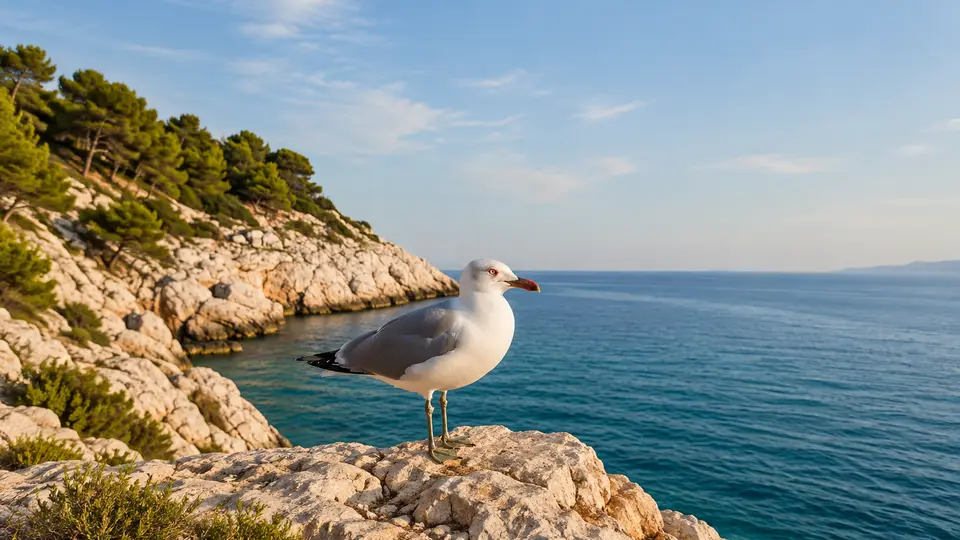
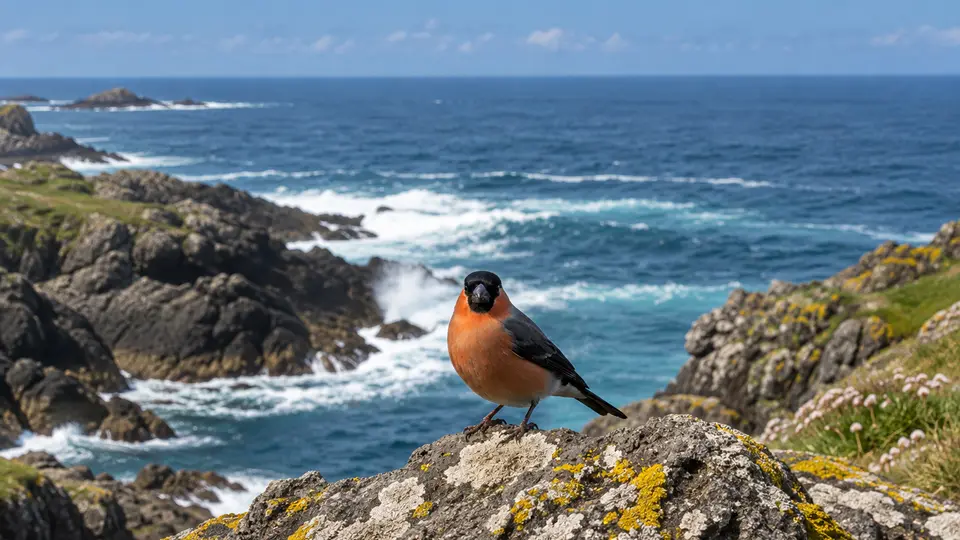
Greater FlamingoAI-modifiedGreater FlamingoAudouin's GullAI-modifiedAudouin's GullAzores BullfinchAI-modifiedAzores Bullfinch
Animal groupBirdsAnimal groupBirdsAnimal groupBirds
DestinationsEgypt, Greece, Portugal, TurkeyDestinationsCroatia, Greece, Portugal, TurkeyDestinationsPortugal
Scientific namePhoenicopterus roseusScientific nameScientific name
All wildlife destinations
AI-modified
Plan your trip

Find your next wildlife adventure

Compare destinations, shore programs and dates with the animals and habitats you would love to see.

  • Naturalist-led shore excursions
  • Responsible wildlife watching
  • Small expedition ships