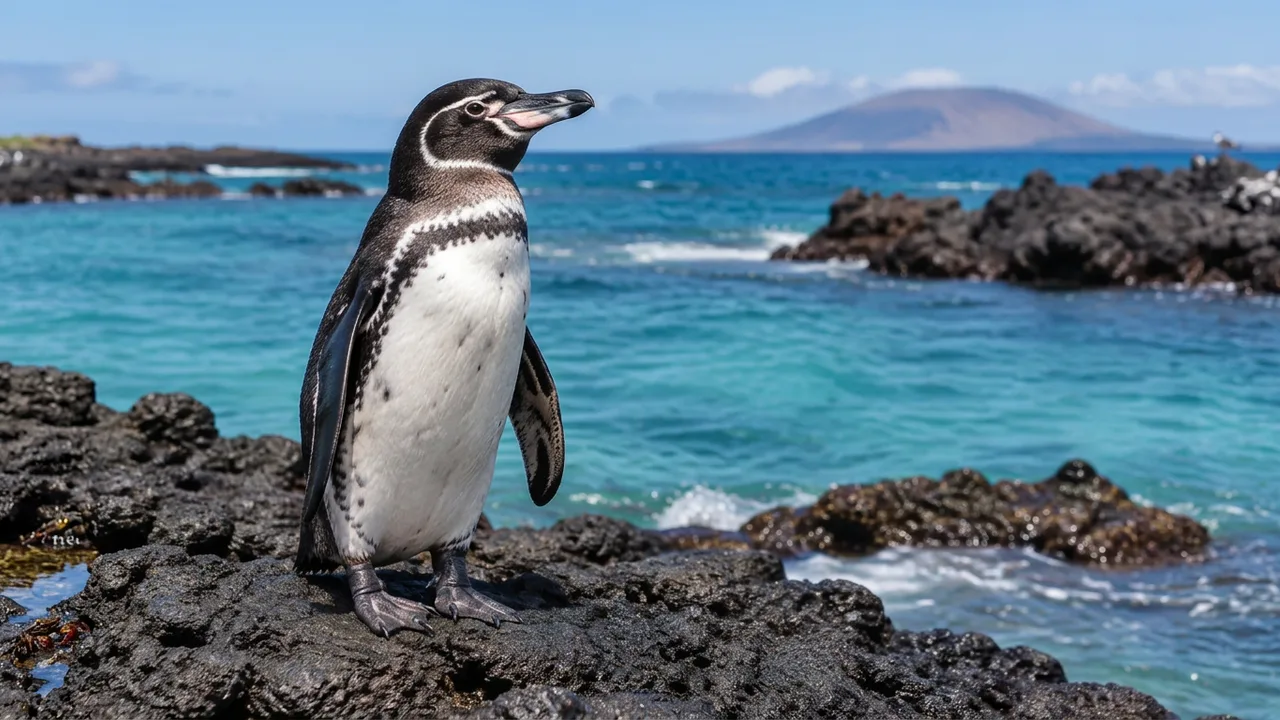
Galápagos Penguin in its natural habitatAI-modified

Galápagos PenguinSpheniscus mendiculusWhere and when to see them

Galápagos Penguin at a glance

The Galápagos penguin is a small endemic penguin whose survival near the equator depends on cool, productive ocean currents. Most birds occur around western Isabela and Fernandina, although smaller numbers use other island coasts. It faces a combination of restricted distribution, introduced predators, fishing-related threats and increasingly disruptive ocean conditions. Strong El Niño events can sharply reduce food supplies, causing widespread breeding failure and substantial declines in the population.

Behaviour & reproduction

Size
48–53 cm (19–21 in) long
Weight
1.7–2.6 kg (3.7–5.7 lb)
Lifespan
Not reliably established
Status
Endangered

Penguins rest on rocky shores and use shaded cracks or caves to escape intense tropical sunshine. They may pant and hold their flippers away from the body to lose heat. Pairs nest in sheltered cavities close to the sea, with both adults sharing incubation and chick care. Breeding is opportunistic and can resume when food becomes abundant, rather than being confined to one dependable annual season across the population. Courtship involves mutual preening and bill tapping, with pairs remaining monogamous for a breeding season. They are highly susceptible to heat stress and will spend considerable time in the water or shade during the day.

Top wildlife locations

Galapagos wildlife habitatAI-modified

Galapagos

Permitted coastal viewpoints and distant deck observation near western Isabela and Fernandina offer plausible opportunities. Nesting crevices are inaccessible to visitors, and sightings elsewhere in the archipelago are more localized and uncertain.
Destinations describe the species' habitat, not guaranteed cruise stops. Some animals require an optional inland excursion or are found in restricted reserves.

Fun facts about the Galápagos Penguin

  • It is the only penguin with a natural range extending north of the equator.
  • Cool currents allow it to live in an otherwise tropical setting.
  • Pairs may breed more than once when food conditions remain favorable.
  • Shaded lava cavities help protect eggs and chicks from intense heat.

Best time to see the Galápagos Penguin

Coastal observation is possible year-round on suitable permitted itineraries, especially in the western islands. Cooler conditions, often from June to November, can support productive feeding waters, but do not guarantee nesting. El Niño and other ocean variability can outweigh normal seasonal expectations. Breeding success is highly variable due to fluctuating food availability, often peaking during cooler water periods. However, the exact timing of nesting is unpredictable and driven by ocean conditions rather than a fixed calendar.

Galápagos Penguin: season matrix by destination

Travel and observation windows vary by region. Highlighted months are an orientation for planning, not confirmed sightings or a guarantee of access.

Galapagos

Year-round travel window where western access is available; cool-season productivity may help, but breeding and visibility depend on ocean conditions.

JanFebMarAprMayJunJulAugSepOctNovDec
Cruise ships in Galapagos

Where the Galápagos Penguin lives

Rocky volcanic coasts beside cool, productive water provide feeding access and shelter. Crevices, caves and shaded spaces above the tide serve as nesting or resting sites. The strongest concentration is in the western archipelago, where oceanographic conditions support relatively dependable marine productivity. They are the only penguin species found north of the equator, relying on the cold, nutrient-rich Cromwell Current. Their distribution primarily includes Fernandina and Isabela islands, with smaller colonies elsewhere.

What the Galápagos Penguin eats

Small schooling fish, including sardine-like and anchovy-like species, form the principal diet. Birds depend on prey being sufficiently abundant near their coastal habitat. When warm ocean conditions disrupt these fish resources, adults may abandon breeding and struggle to maintain their own condition. These agile hunters use their powerful flippers to pursue fish underwater, capturing prey near the surface. They typically forage within a few kilometers of their nesting sites, minimizing travel time.

Species at a glance

Common name
Galápagos Penguin
Scientific name
Spheniscus mendiculus
Animal group
Birds
Size
48–53 cm (19–21 in) long
Weight
1.7–2.6 kg (3.7–5.7 lb)
Lifespan
Not reliably established
Status
Endangered
Identification
This small penguin has a narrow white facial line and dark breast band, with a slimmer build and narrower markings than the larger Humboldt penguin. Their small size, distinct black head with a white crescent line behind the eye, and dark upperparts are key identification features. Juveniles have an entirely dark head without the facial markings of adults.

Galápagos Penguin: frequently asked questions

Where can I see the Galápagos Penguin?
Galapagos. Observe resting penguins from authorized coastal viewpoints or a distant deck. Keep clear of shaded nesting cracks and routes to the sea, and never encourage birds to move for a photograph. Visitors often spot these penguins swimming in coastal waters or resting on lava rocks along shorelines. Maintain a respectful distance to avoid disturbing their natural behaviors.
When is the best time to see the Galápagos Penguin?
Coastal observation is possible year-round on suitable permitted itineraries, especially in the western islands. Cooler conditions, often from June to November, can support productive feeding waters, but do not guarantee nesting. El Niño and other ocean variability can outweigh normal seasonal expectations. Breeding success is highly variable due to fluctuating food availability, often peaking during cooler water periods. However, the exact timing of nesting is unpredictable and driven by ocean conditions rather than a fixed calendar.
How big does the Galápagos Penguin get?
48–53 cm (19–21 in) long. Adult weight: 1.7–2.6 kg (3.7–5.7 lb). Size varies with age, sex and population.
How should I behave around the Galápagos Penguin?
Observe resting penguins from authorized coastal viewpoints or a distant deck. Keep clear of shaded nesting cracks and routes to the sea, and never encourage birds to move for a photograph. Visitors often spot these penguins swimming in coastal waters or resting on lava rocks along shorelines. Maintain a respectful distance to avoid disturbing their natural behaviors.
What does the Galápagos Penguin eat?
Small schooling fish, including sardine-like and anchovy-like species, form the principal diet. Birds depend on prey being sufficiently abundant near their coastal habitat. When warm ocean conditions disrupt these fish resources, adults may abandon breeding and struggle to maintain their own condition. These agile hunters use their powerful flippers to pursue fish underwater, capturing prey near the surface. They typically forage within a few kilometers of their nesting sites, minimizing travel time.
Are wildlife sightings guaranteed on an adventure cruise?
No. Animals move freely and routes, weather, access restrictions and local conditions influence every outing. Confirm the actual itinerary and shore program before booking.

Compare wildlife in the same destinations

Explore other birds recorded in these destinations. Similar surroundings do not mean the animals share the same habits or viewing season.

Species comparison by animal group and destination
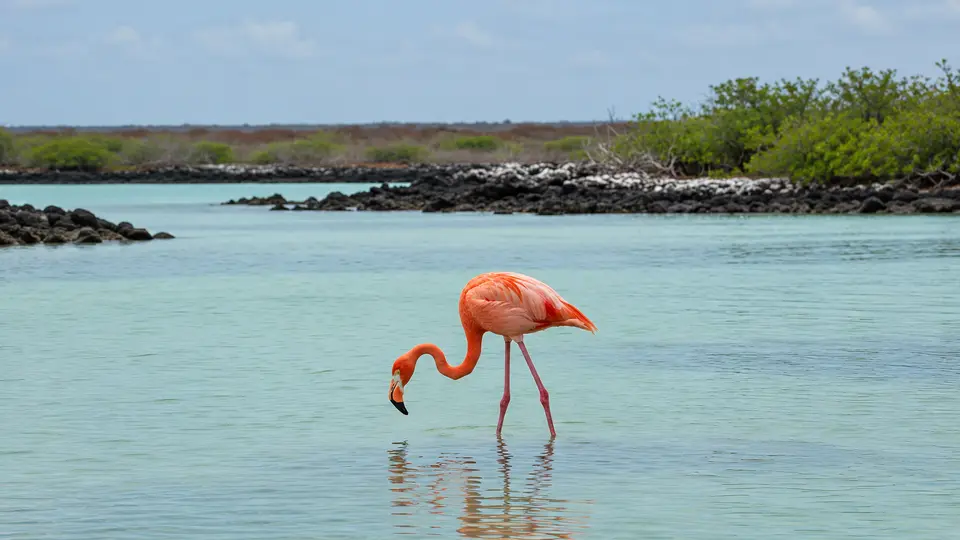
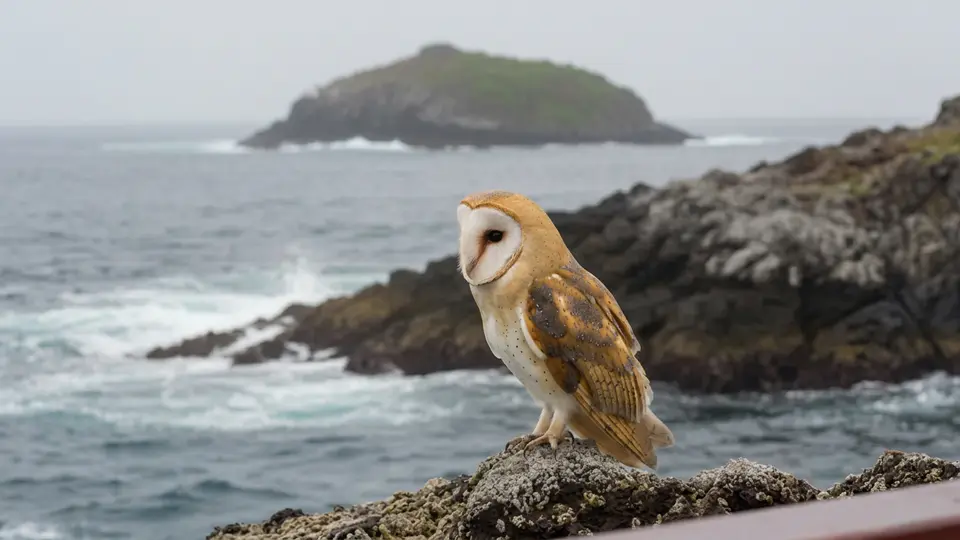
Galápagos PenguinAI-modifiedGalápagos PenguinAmerican FlamingoAI-modifiedAmerican FlamingoBarn OwlAI-modifiedBarn Owl
Animal groupBirdsAnimal groupBirdsAnimal groupBirds
DestinationsGalapagosDestinationsGalapagos, MexicoDestinationsGalapagos
Scientific nameSpheniscus mendiculusScientific nameScientific name
All wildlife destinations
AI-modified
Plan your trip

Find your next wildlife adventure

Compare destinations, shore programs and dates with the animals and habitats you would love to see.

  • Naturalist-led shore excursions
  • Responsible wildlife watching
  • Small expedition ships