Cape Verde Giant Skink in its natural habitatAI-modified

Cape Verde Giant SkinkChioninia cocteiWhere and when to see them

Cape Verde Giant Skink at a glance

The Cape Verde giant skink was an exceptionally large island lizard known historically from the small islets of Branco and Raso. Its heavy body and powerful jaws set it apart from the archipelago's surviving skinks. Reliable records ended in the early twentieth century, and it is assessed as extinct. Surviving specimens and historical accounts provide only a partial picture of its biology, making confident claims about its daily life or longevity inappropriate.

Behaviour & reproduction

Size
Up to about 32 cm (12.6 in) head-body length
Weight
Not reliably established
Lifespan
Not reliably established
Status
Extinct

Historical observations suggest a largely ground-dwelling lizard that used rocky shelter and exploited varied foods in a harsh island environment. Much of its social behaviour, reproduction and seasonal activity was never documented systematically. Accounts from captive animals cannot automatically be treated as representative of wild populations. Its disappearance has been linked to human exploitation and introduced predators, but the relative importance and timing of individual pressures remain imperfectly resolved. Its gigantism on an oceanic island suggests an ecological release from predators, allowing it to occupy a wider niche and grow to a large size. The extinction of this species is primarily attributed to overhunting for food and the introduction of non-native predators like cats and rats. Understanding its behaviour in the wild is largely inferred from comparative studies with extant large lizards on similar islands and historical accounts.

Top wildlife locations

Cape Verde wildlife habitatAI-modified

Cape Verde

Branco and Raso contain the dry rocky habitat of the last historical populations, but the species is extinct. These protected offshore islets are not standard landings or legitimate sites for live-skink searches.
Destinations describe the species' habitat, not guaranteed cruise stops. Some animals require an optional inland excursion or are found in restricted reserves.

Fun facts about the Cape Verde Giant Skink

  • It was among the largest skinks known from the Atlantic islands.
  • Its scientific name has previously appeared under the genus Macroscincus.
  • The last generally accepted records date to the early twentieth century.
  • Museum specimens preserve evidence that can still inform studies of its evolution.

Best time to see the Cape Verde Giant Skink

There is no viewing season because the species is extinct. Cape Verde travel can support learning about island ecology and conservation, but no month offers a credible opportunity to observe living giant skinks. Museum access should be checked independently. The species was last observed in the early 20th century, confirming its status as an extinct reptile. There are no remaining living individuals to observe in any season. Education about its extinction highlights critical lessons in island biogeography and the impact of human activity.

Cape Verde Giant Skink: season matrix by destination

Travel and observation windows vary by region. Highlighted months are an orientation for planning, not confirmed sightings or a guarantee of access.

Cape Verde

No live-observation window exists for an extinct species; general Cape Verde travel seasons are irrelevant to its detectability.

JanFebMarAprMayJunJulAugSepOctNovDec
Cruise ships in Cape Verde

Where the Cape Verde Giant Skink lives

Its last documented habitat consisted of dry, rocky terrain on Branco and Raso, with sparse vegetation and limited freshwater. Crevices and seabird-associated resources probably offered shelter and food. The extent of its earlier distribution within Cape Verde remains uncertain. The species was endemic to Cape Verde, and its former range likely included several islands before its ultimate restriction to Raso and Branco. These islands are characterized by arid conditions and limited freshwater, typical of oceanic islands in the Macaronesian region. Its unique insular environment contributed to its gigantism and specialized ecological role.

What the Cape Verde Giant Skink eats

Available accounts indicate a broad omnivorous diet, including plant material and animal foods. Powerful jaws would have allowed it to process relatively tough items. However, detailed wild dietary proportions were never established, and dramatic feeding anecdotes should not be mistaken for systematic evidence. Despite its powerful jaws, studies of fossilized gut contents or coprolites have not been extensively published, leaving some aspects of its diet to historical accounts. Anecdotal evidence suggests it consumed bird eggs and chicks, indicating opportunistic predation on seabird colonies. Such a diet would have provided significant nutritional resources in an otherwise resource-scarce environment.

Species at a glance

Common name
Cape Verde Giant Skink
Scientific name
Chioninia coctei
Animal group
Reptiles
Size
Up to about 32 cm (12.6 in) head-body length
Weight
Not reliably established
Lifespan
Not reliably established
Status
Extinct
Identification
Its exceptionally large, robust body distinguished it from Cape Verde's surviving Chioninia skinks, but identification today concerns preserved specimens rather than living wildlife. Estimates suggest adult individuals could reach up to 32 cm (12.6 in) snout-vent length, making it one of the largest skinks ever recorded. Its robust skull and powerful jaw musculature are evident in skeletal remains, distinguishing it from other *Chioninia* species. Key diagnostic features for preserved specimens include scale counts and cranial morphology.

Cape Verde Giant Skink: frequently asked questions

Where can I see the Cape Verde Giant Skink?
Cape Verde. Do not seek live encounters or enter protected islets in search of this extinct species. Learn through legitimate museum collections and interpretation, and avoid disturbing surviving reptiles or seabird nesting habitat. Conservation efforts in Cape Verde now focus on protecting surviving endemic species and restoring island ecosystems previously impacted by human activities. Visitors can support these efforts by respecting protected areas and learning about the ongoing challenges faced by Cape Verdean wildlife. Observing existing Cape Verdean skink species, such as *Chioninia spinalis*, can offer insight into the ecological roles once played by its giant relative.
When is the best time to see the Cape Verde Giant Skink?
There is no viewing season because the species is extinct. Cape Verde travel can support learning about island ecology and conservation, but no month offers a credible opportunity to observe living giant skinks. Museum access should be checked independently. The species was last observed in the early 20th century, confirming its status as an extinct reptile. There are no remaining living individuals to observe in any season. Education about its extinction highlights critical lessons in island biogeography and the impact of human activity.
How big does the Cape Verde Giant Skink get?
Up to about 32 cm (12.6 in) head-body length. Adult weight: Not reliably established. Size varies with age, sex and population.
How should I behave around the Cape Verde Giant Skink?
Do not seek live encounters or enter protected islets in search of this extinct species. Learn through legitimate museum collections and interpretation, and avoid disturbing surviving reptiles or seabird nesting habitat. Conservation efforts in Cape Verde now focus on protecting surviving endemic species and restoring island ecosystems previously impacted by human activities. Visitors can support these efforts by respecting protected areas and learning about the ongoing challenges faced by Cape Verdean wildlife. Observing existing Cape Verdean skink species, such as *Chioninia spinalis*, can offer insight into the ecological roles once played by its giant relative.
What does the Cape Verde Giant Skink eat?
Available accounts indicate a broad omnivorous diet, including plant material and animal foods. Powerful jaws would have allowed it to process relatively tough items. However, detailed wild dietary proportions were never established, and dramatic feeding anecdotes should not be mistaken for systematic evidence. Despite its powerful jaws, studies of fossilized gut contents or coprolites have not been extensively published, leaving some aspects of its diet to historical accounts. Anecdotal evidence suggests it consumed bird eggs and chicks, indicating opportunistic predation on seabird colonies. Such a diet would have provided significant nutritional resources in an otherwise resource-scarce environment.
Are wildlife sightings guaranteed on an adventure cruise?
No. Animals move freely and routes, weather, access restrictions and local conditions influence every outing. Confirm the actual itinerary and shore program before booking.

Compare wildlife in the same destinations

Explore other reptiles recorded in these destinations. Similar surroundings do not mean the animals share the same habits or viewing season.

Species comparison by animal group and destination
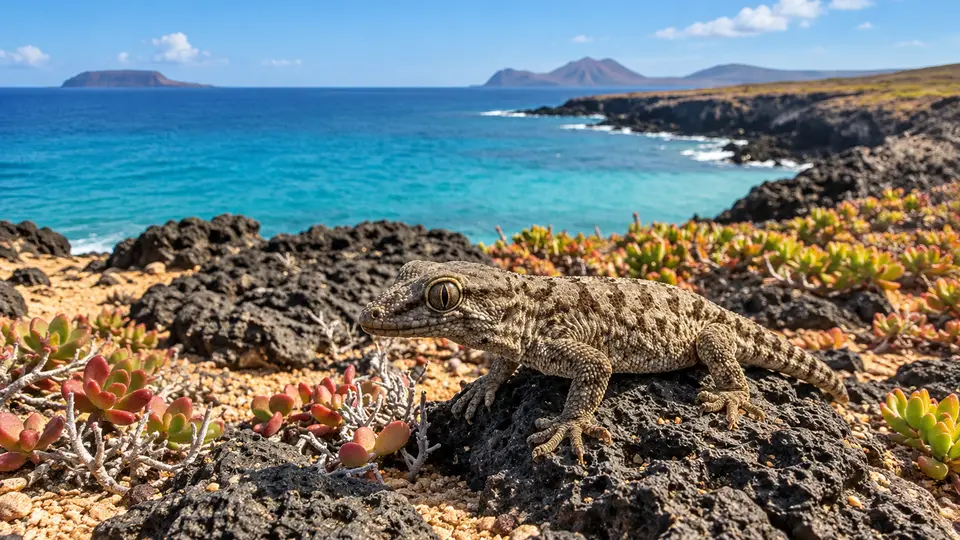
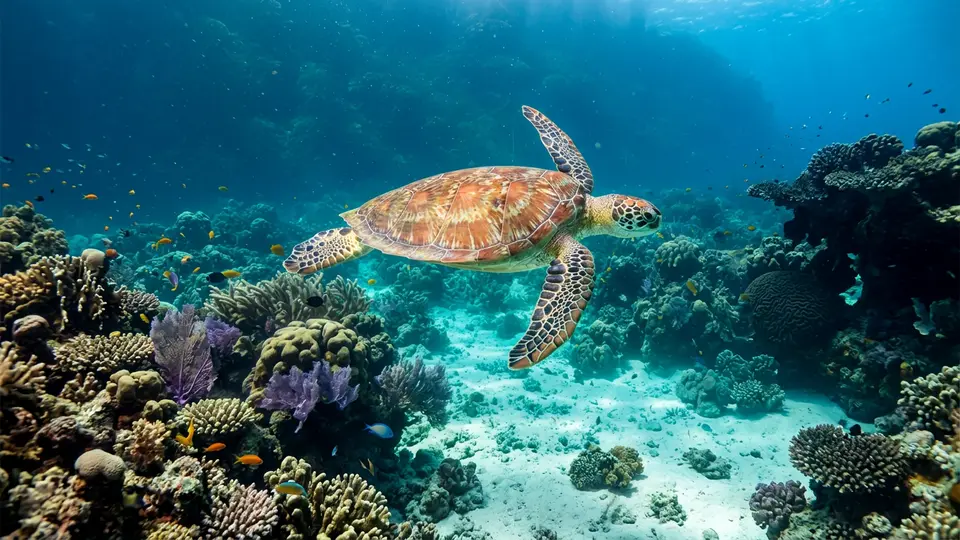
Cape Verde Giant SkinkAI-modifiedCape Verde Giant SkinkCape Verde Wall GeckoAI-modifiedCape Verde Wall GeckoGreen Sea TurtleAI-modifiedGreen Sea Turtle
Animal groupReptilesAnimal groupReptilesAnimal groupReptiles
DestinationsCape VerdeDestinationsCape VerdeDestinationsCosta Rica, Florida, Galapagos, Mexico, Cape Verde, Egypt, Greece, Seychelles, Turkey, Indonesia, Maldives, Thailand, Vietnam, Australia, Fiji, Polynesia
Scientific nameChioninia cocteiScientific nameScientific name
All wildlife destinations
AI-modified
Plan your trip

Find your next wildlife adventure

Compare destinations, shore programs and dates with the animals and habitats you would love to see.

  • Naturalist-led shore excursions
  • Responsible wildlife watching
  • Small expedition ships