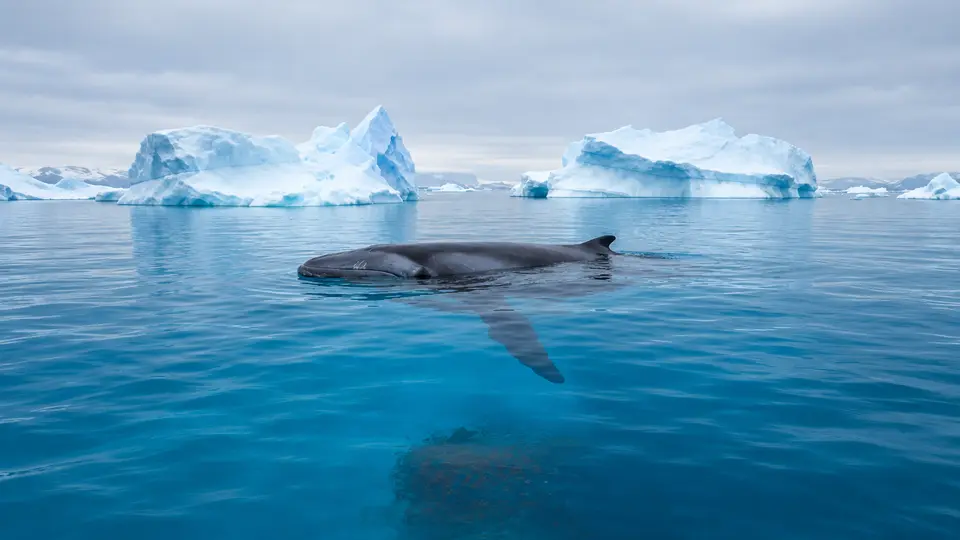
Minke Whale in its natural habitatAI-modified

Minke WhaleBalaenoptera bonaerensisWhere and when to see them

Minke Whale at a glance

The Antarctic minke whale is a relatively small baleen whale strongly associated with Southern Ocean sea ice. It is a marine mammal, not a shore-dwelling animal, and coastal visitors usually detect only a brief surfacing back or dorsal fin. Its slender body helps it use narrow openings among floes. Despite its size relative to larger whales, it is an important krill predator in Antarctic marine ecosystems.

Behaviour & reproduction

Size
7-10 m (23-33 ft) body length
Weight
5-10 tonnes (5.5-11 tons)
Lifespan
Up to 50 years (related species)
Status
Near Threatened

Antarctic minkes occur alone or in small groups, although feeding concentrations can gather where prey is abundant. They engulf krill with expandable throat pleats and filter water through baleen. Individuals frequently travel close to ice and may surface unpredictably between floes. Their blow is often inconspicuous in cold, windy conditions. Seasonal movements beyond Antarctic feeding grounds remain less completely understood than those of several larger, more conspicuous baleen whales. They are known for their fast, erratic swimming patterns, making them harder to track than larger whales. During feeding, they may exhibit lunging behaviors, sometimes breaching partially out of the water to catch prey.

Top wildlife locations

Antarctica wildlife habitatAI-modified

Antarctica

Distant deck or coastal views are possible along accessible Antarctic channels and pack-ice margins. These are entirely marine encounters; ice, visibility and brief surfacings make detection uncertain even in suitable habitat.
Destinations describe the species' habitat, not guaranteed cruise stops. Some animals require an optional inland excursion or are found in restricted reserves.

Fun facts about the Minke Whale

  • Antarctic and common minke whales are separate species.
  • Expandable throat grooves allow the mouth region to hold a large volume of prey-rich water.
  • Its blow can be difficult to see even when the animal is nearby.
  • The species uses ice-covered feeding habitat that can exclude larger whales.

Best time to see the Minke Whale

December through March offers the most practical opportunity for distant observation during Antarctic coastal voyages. Summer access overlaps productive feeding conditions, but whales may remain hidden among ice or surface briefly. This travel window should not be interpreted as a known breeding season. Prime viewing opportunities coincide with the austral summer, when daylight hours are long and the ice conditions allow for greater accessibility. Keep in mind that their elusive nature means sightings can still be brief and challenging.

Minke Whale: season matrix by destination

Travel and observation windows vary by region. Highlighted months are an orientation for planning, not confirmed sightings or a guarantee of access.

Antarctica

Months reflect summer vessel access and feeding-season observation opportunities, not confirmed sightings at any particular shore or a breeding calendar.

JanFebMarAprMayJunJulAugSepOctNovDec
Cruise ships in Antarctica

Where the Minke Whale lives

This whale occupies Southern Hemisphere marine waters, with summer feeding strongly associated with Antarctic pack ice, leads and ice edges. It also uses coastal channels and open shelf waters. Changing sea-ice conditions affect both access to habitat and the distribution of krill. While predominantly found in high latitudes during summer, some individuals are known to venture into lower latitudes of the Southern Ocean. Their strong association with ice makes them an important component of the Antarctic marine ecosystem.

What the Minke Whale eats

Antarctic krill dominates the diet across much of its Antarctic range, with other krill species important in some coastal areas. The whale feeds by taking large mouthfuls of prey-rich water, then forcing water out through baleen while retaining small crustaceans. Calanoid copepods are also consumed, especially by juveniles or in areas where krill is less abundant. This species is an opportunistic feeder, adapting its diet to available prey sources.

Species at a glance

Common name
Minke Whale
Scientific name
Balaenoptera bonaerensis
Animal group
Mammals
Size
7-10 m (23-33 ft) body length
Weight
5-10 tonnes (5.5-11 tons)
Lifespan
Up to 50 years (related species)
Status
Near Threatened
Identification
It is smaller and more pointed-headed than fin whales and lacks the conspicuous white flipper band characteristic of common minke whales. Look for a relatively small, streamlined body, often dark gray to black on the back and lighter on the belly. Unlike other minke species, they typically lack a distinct white patch on their flippers.

Minke Whale: frequently asked questions

Where can I see the Minke Whale?
Antarctica. Scan ice edges from shore or deck with binoculars, watching for a small curved dorsal fin. Remain behind deck barriers and never encourage pursuit or crowding of whales navigating narrow ice channels. Be patient and scan the water repeatedly, as these whales often surface for only a short time before diving again. Pay attention to changes in water texture or small splashes that might indicate a whale surfacing or blowing.
When is the best time to see the Minke Whale?
December through March offers the most practical opportunity for distant observation during Antarctic coastal voyages. Summer access overlaps productive feeding conditions, but whales may remain hidden among ice or surface briefly. This travel window should not be interpreted as a known breeding season. Prime viewing opportunities coincide with the austral summer, when daylight hours are long and the ice conditions allow for greater accessibility. Keep in mind that their elusive nature means sightings can still be brief and challenging.
How big does the Minke Whale get?
7-10 m (23-33 ft) body length. Adult weight: 5-10 tonnes (5.5-11 tons). Size varies with age, sex and population.
How should I behave around the Minke Whale?
Scan ice edges from shore or deck with binoculars, watching for a small curved dorsal fin. Remain behind deck barriers and never encourage pursuit or crowding of whales navigating narrow ice channels. Be patient and scan the water repeatedly, as these whales often surface for only a short time before diving again. Pay attention to changes in water texture or small splashes that might indicate a whale surfacing or blowing.
What does the Minke Whale eat?
Antarctic krill dominates the diet across much of its Antarctic range, with other krill species important in some coastal areas. The whale feeds by taking large mouthfuls of prey-rich water, then forcing water out through baleen while retaining small crustaceans. Calanoid copepods are also consumed, especially by juveniles or in areas where krill is less abundant. This species is an opportunistic feeder, adapting its diet to available prey sources.
Are wildlife sightings guaranteed on an adventure cruise?
No. Animals move freely and routes, weather, access restrictions and local conditions influence every outing. Confirm the actual itinerary and shore program before booking.

Compare wildlife in the same destinations

Explore other mammals recorded in these destinations. Similar surroundings do not mean the animals share the same habits or viewing season.

Species comparison by animal group and destination
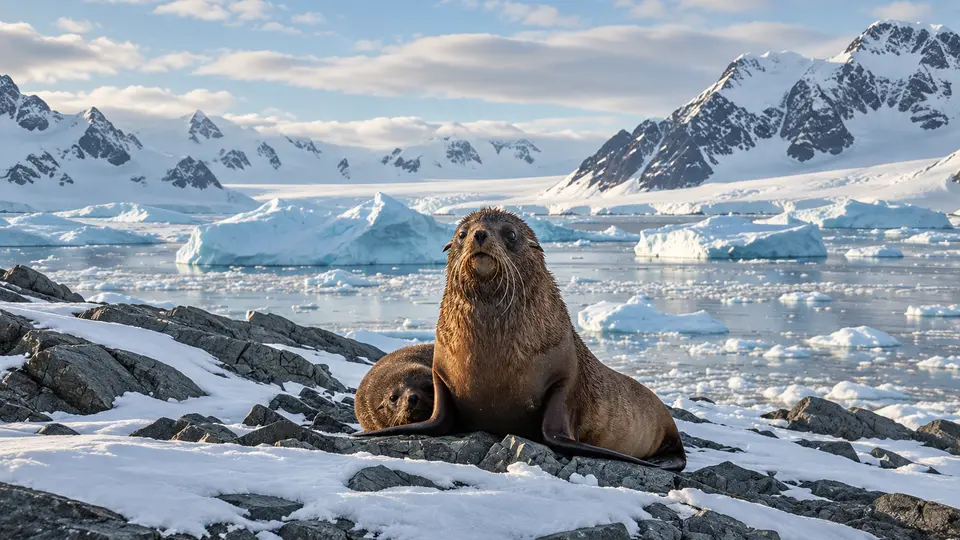
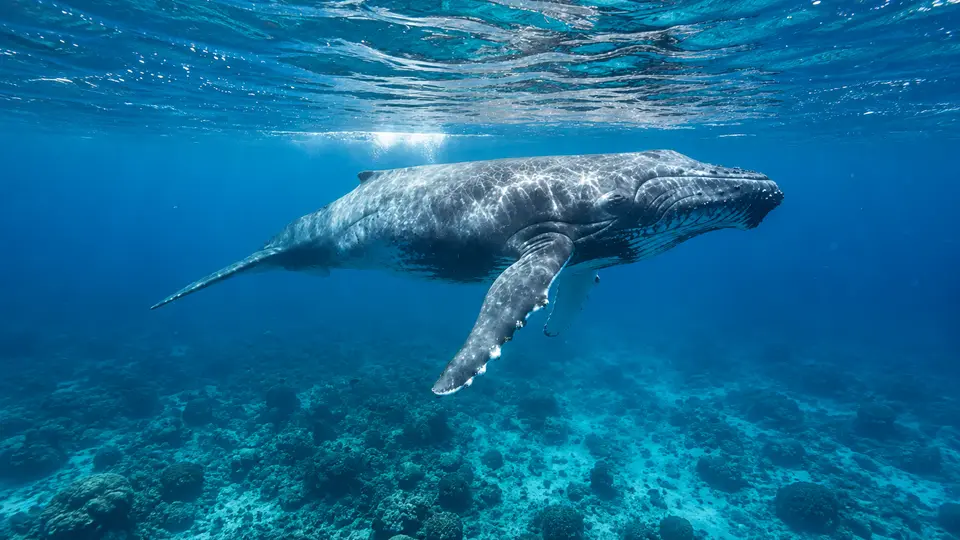
Minke WhaleAI-modifiedMinke WhaleAntarctic Fur SealAI-modifiedAntarctic Fur SealBlue WhaleAI-modifiedBlue Whale
Animal groupMammalsAnimal groupMammalsAnimal groupMammals
DestinationsAntarcticaDestinationsAntarcticaDestinationsMexico, Norway, Portugal, Antarctica, Arctic, Maldives, New Zealand
Scientific nameBalaenoptera bonaerensisScientific nameScientific name
All wildlife destinations
AI-modified
Plan your trip

Find your next wildlife adventure

Compare destinations, shore programs and dates with the animals and habitats you would love to see.

  • Naturalist-led shore excursions
  • Responsible wildlife watching
  • Small expedition ships