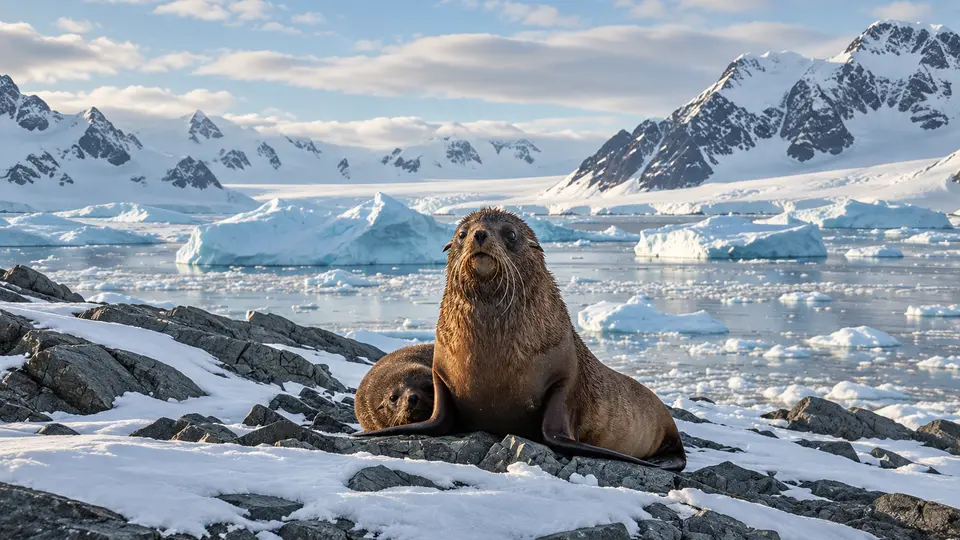
Antarctic Fur Seal in its natural habitatAI-modified

Antarctic Fur SealArctocephalus gazellaWhere and when to see them

Antarctic Fur Seal at a glance

The Antarctic fur seal is an eared seal of the Southern Ocean, with most breeding concentrated on subantarctic islands. Adult males are much heavier than females and develop a thick neck and mane. Dense insulating underfur once made the species a major target of commercial sealing. Populations recovered substantially after protection, although changing food availability and regional declines show that recovery does not remove the need for monitoring.

Behaviour & reproduction

Size
1.2-2 m (3.9-6.6 ft) body length
Weight
25-200 kg (55-441 lb)
Lifespan
15-25 years
Status
Least Concern

During breeding, males defend territories on beaches while females give birth and subsequently mate. Mothers alternate feeding trips at sea with visits ashore to nurse their pups, recognizing them through calls and scent. Outside breeding aggregations, animals disperse widely. On land they are agile, using all four flippers to move quickly. Territorial males and resting groups may react strongly to people who approach too closely or block access to water. Outside of the intense breeding season, nonbreeding adults and juveniles are often encountered resting on icebergs or shorelines, sometimes in mixed groups with other pinniped species. Males engage in aggressive vocalizations and physical displays to defend their territories and access to females during breeding.

Top wildlife locations

Antarctica wildlife habitatAI-modified

Antarctica

Ice-free Peninsula and nearby island shores can hold resting fur seals, especially later in summer. Observe only from permitted coastal routes or decks; breeding concentrations are not representative of every Antarctic itinerary.
Destinations describe the species' habitat, not guaranteed cruise stops. Some animals require an optional inland excursion or are found in restricted reserves.

Fun facts about the Antarctic Fur Seal

  • Mothers and pups use distinctive calls to locate one another in crowded colonies.
  • The hind flippers rotate forward, allowing effective movement on land.
  • South Georgia supports the species' largest breeding concentration.
  • Its dense underfur traps insulating air close to the skin.

Best time to see the Antarctic Fur Seal

November through March is the practical Antarctic travel window for coastal observation. Breeding on major subantarctic colonies begins in late spring, whereas Peninsula encounters often involve animals arriving later in summer. Accessibility and local abundance vary with ice, weather and food conditions. Peak pupping occurs in late December and early January, offering unique viewing opportunities of young animals alongside adults. Observing the return of females from foraging trips to nurse their pups is a highlight during the mid-summer breeding season.

Antarctic Fur Seal: season matrix by destination

Travel and observation windows vary by region. Highlighted months are an orientation for planning, not confirmed sightings or a guarantee of access.

Antarctica

These are typical expedition-access months, not a guarantee of local presence; many Peninsula animals are seasonal visitors rather than breeding residents.

JanFebMarAprMayJunJulAugSepOctNovDec
Cruise ships in Antarctica

Where the Antarctic Fur Seal lives

Breeding habitat consists mainly of ice-free subantarctic beaches, rocky shores and adjacent tussock slopes. At sea, Antarctic fur seals use productive Southern Ocean waters, including shelf edges and frontal zones. Around the Antarctic Peninsula, many visitors see nonbreeding or dispersing animals. Antarctic fur seals spend much of their lives at sea, foraging across vast ocean areas. Major breeding colonies are concentrated on South Georgia, although smaller colonies exist on other subantarctic islands and the South Shetland Islands.

What the Antarctic Fur Seal eats

Antarctic krill is especially important in the Atlantic sector, while fish and squid contribute more in some other regions. Diet varies with location, sex and season. Lactating females need dependable prey within commuting distance of their breeding beaches to sustain milk production. Pups are entirely reliant on their mother's milk for the first four months, growing rapidly. Their opportunistic diet reflects seasonal shifts in prey availability and distribution within their foraging range.

Species at a glance

Common name
Antarctic Fur Seal
Scientific name
Arctocephalus gazella
Animal group
Mammals
Size
1.2-2 m (3.9-6.6 ft) body length
Weight
25-200 kg (55-441 lb)
Lifespan
15-25 years
Status
Least Concern
Identification
Visible ear flaps, long foreflippers and a pointed muzzle distinguish it from Antarctic true seals, while adult males lack the pale chest pattern typical of subantarctic fur seals. Their dense fur is typically dark brown to grey on the back, fading to a lighter chest and belly. Females are significantly smaller than males, weighing only a quarter to a third as much as the large bulls.

Antarctic Fur Seal: frequently asked questions

Where can I see the Antarctic Fur Seal?
Antarctica. Watch from an approved coastal route or deck, leaving generous space around resting seals. Never stand between a seal and the sea; agile males can charge, and bites require prompt medical attention. Maintaining a respectful distance, especially during the breeding season, is crucial for minimizing disturbance to both adults and pups. On cruises, staff will guide visitors on appropriate viewing distances and locations to ensure animal safety and visitor experience.
When is the best time to see the Antarctic Fur Seal?
November through March is the practical Antarctic travel window for coastal observation. Breeding on major subantarctic colonies begins in late spring, whereas Peninsula encounters often involve animals arriving later in summer. Accessibility and local abundance vary with ice, weather and food conditions. Peak pupping occurs in late December and early January, offering unique viewing opportunities of young animals alongside adults. Observing the return of females from foraging trips to nurse their pups is a highlight during the mid-summer breeding season.
How big does the Antarctic Fur Seal get?
1.2-2 m (3.9-6.6 ft) body length. Adult weight: 25-200 kg (55-441 lb). Size varies with age, sex and population.
How should I behave around the Antarctic Fur Seal?
Watch from an approved coastal route or deck, leaving generous space around resting seals. Never stand between a seal and the sea; agile males can charge, and bites require prompt medical attention. Maintaining a respectful distance, especially during the breeding season, is crucial for minimizing disturbance to both adults and pups. On cruises, staff will guide visitors on appropriate viewing distances and locations to ensure animal safety and visitor experience.
What does the Antarctic Fur Seal eat?
Antarctic krill is especially important in the Atlantic sector, while fish and squid contribute more in some other regions. Diet varies with location, sex and season. Lactating females need dependable prey within commuting distance of their breeding beaches to sustain milk production. Pups are entirely reliant on their mother's milk for the first four months, growing rapidly. Their opportunistic diet reflects seasonal shifts in prey availability and distribution within their foraging range.
Are wildlife sightings guaranteed on an adventure cruise?
No. Animals move freely and routes, weather, access restrictions and local conditions influence every outing. Confirm the actual itinerary and shore program before booking.

Compare wildlife in the same destinations

Explore other mammals recorded in these destinations. Similar surroundings do not mean the animals share the same habits or viewing season.

Species comparison by animal group and destination
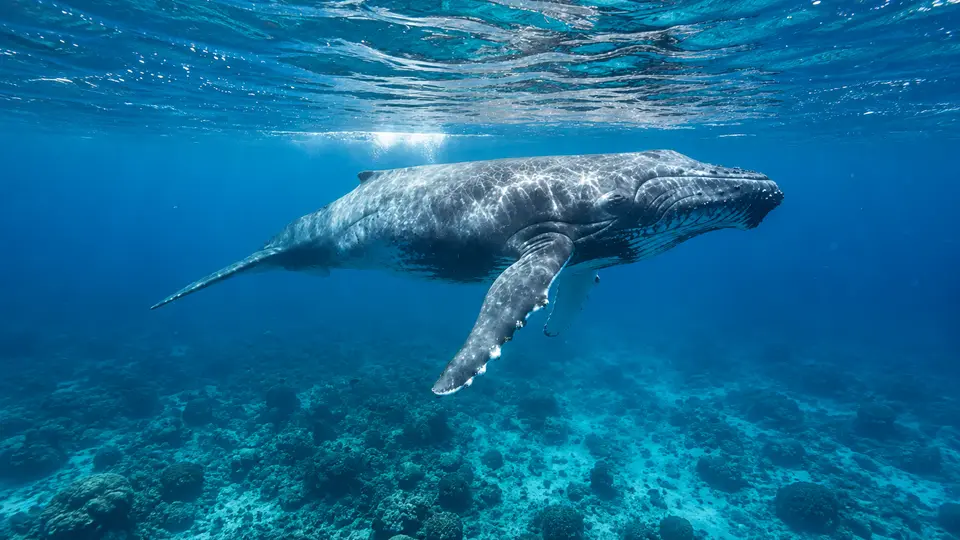
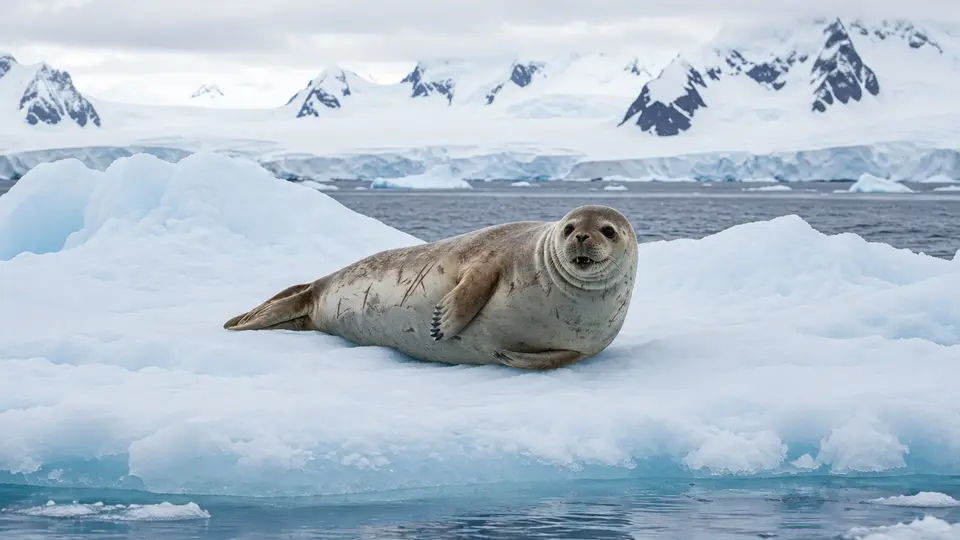
Antarctic Fur SealAI-modifiedAntarctic Fur SealBlue WhaleAI-modifiedBlue WhaleCrabeater SealAI-modifiedCrabeater Seal
Animal groupMammalsAnimal groupMammalsAnimal groupMammals
DestinationsAntarcticaDestinationsMexico, Norway, Portugal, Antarctica, Arctic, Maldives, New ZealandDestinationsAntarctica
Scientific nameArctocephalus gazellaScientific nameScientific name
All wildlife destinations
AI-modified
Plan your trip

Find your next wildlife adventure

Compare destinations, shore programs and dates with the animals and habitats you would love to see.

  • Naturalist-led shore excursions
  • Responsible wildlife watching
  • Small expedition ships