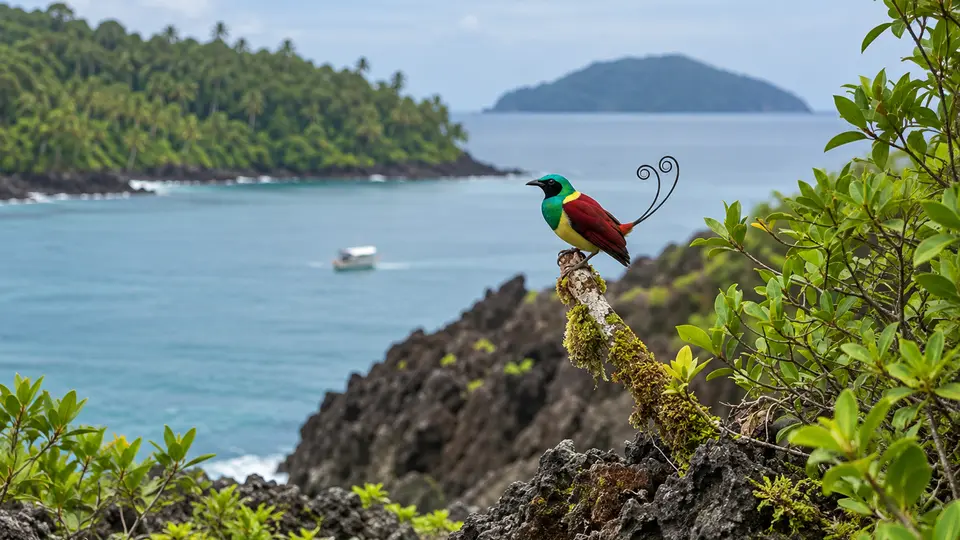
Wilson's bird-of-paradise in its natural habitatAI-modified

Wilson's bird-of-paradiseCicinnurus respublicaWhere and when to see them

Wilson's bird-of-paradise at a glance

Wilson's bird-of-paradise is a small forest bird restricted to Waigeo and Batanta in Indonesia's Raja Ampat region. The male combines a red back, yellow neck patch, glossy green breast and a vivid blue bare crown, finished with two curled tail feathers. Females are much less conspicuous. Despite its island distribution, this is not a beach bird: responsible observation requires an inland forest visit to an established viewing hide or carefully managed trail.

Behaviour & reproduction

Size
16-21 cm (6.3-8.3 in) body length, excluding elongated tail ornaments
Weight
50-65 g (1.8-2.3 oz)
Lifespan
Not reliably established
Status
Least Concern

Males maintain small display courts on the forest floor, removing leaves and other debris to create a clear stage. A visiting female watches as the male adopts precise poses that present his iridescent plumage from favorable angles. Calling helps advertise the court, but attendance varies with weather and individual activity. Females undertake nesting and parental care without male assistance, while males may display to more than one potential mate. Males meticulously maintain their display courts daily, ensuring the stage is clear for their performance. The display involves a series of complex movements and vocalizations designed to showcase the male's vibrant plumage to potential mates.

Top wildlife locations

Indonesia wildlife habitatAI-modified

Indonesia

Only Waigeo and Batanta offer native habitat, in inland rainforest rather than shore vegetation. A locally arranged forest excursion to an established hide is required; ordinary coastal stops do not provide realistic viewing.
Destinations describe the species' habitat, not guaranteed cruise stops. Some animals require an optional inland excursion or are found in restricted reserves.

Fun facts about the Wilson's bird-of-paradise

  • Its natural range is limited to Waigeo and Batanta.
  • The male's blue crown is bare skin rather than blue feathers.
  • Males clear fallen material from their display courts.
  • The curled tail ornaments are formed by two specialized central feathers.

Best time to see the Wilson's bird-of-paradise

Locally managed hides may operate during much of the year, with early morning the usual viewing period. Drier spells can make forest access easier, but rainfall is possible in every month. Display attendance and breeding activity should be checked with experienced local guides. The breeding season, which includes display activity, typically spans from July to February, peaking during the wet season. Early mornings, just after dawn, are the most reliable times to observe display activity.

Wilson's bird-of-paradise: season matrix by destination

Travel and observation windows vary by region. Highlighted months are an orientation for planning, not confirmed sightings or a guarantee of access.

Indonesia

A single dependable month window is unsupported for these forest sites; ask local hide operators about current access, rainfall and display attendance.

JanFebMarAprMayJunJulAugSepOctNovDec
Cruise ships in Indonesia

Where the Wilson's bird-of-paradise lives

This species inhabits tropical rainforest on Waigeo and Batanta, especially hilly terrain with intact understory. Display courts lie within shaded forest rather than open coastal vegetation. Reaching suitable observation sites commonly involves humid walks inland, sometimes over steep or muddy ground. These birds prefer primary and mature secondary forests, often on slopes and ridges from sea level up to around 300 meters. The species is endemic to the Raja Ampat islands, specifically Waigeo and Batanta.

What the Wilson's bird-of-paradise eats

Fruit and arthropods make up its known diet. Birds forage within forest vegetation and also use lower levels near display areas. Detailed seasonal dietary proportions are poorly documented, so it should not be described as either exclusively fruit-eating or exclusively insectivorous. While fruit and arthropods are consumed, specific studies have noted a preference for figs and other soft fruits. Insects and spiders are also part of their diet, providing essential protein.

Species at a glance

Common name
Wilson's bird-of-paradise
Scientific name
Cicinnurus respublica
Animal group
Birds
Size
16-21 cm (6.3-8.3 in) body length, excluding elongated tail ornaments
Weight
50-65 g (1.8-2.3 oz)
Lifespan
Not reliably established
Status
Least Concern
Identification
The male's bare blue crown and paired curled tail wires distinguish it from the red bird-of-paradise, another Raja Ampat species with very different flank plumes. The male's unique bare blue crown features a distinct black cross-like pattern, while the bright yellow mantle and deep crimson back are also striking. Females are much duller, predominantly olive-brown, lacking the elaborate male plumage and tail wires.

Wilson's bird-of-paradise: frequently asked questions

Where can I see the Wilson's bird-of-paradise?
Indonesia. Use an established hide with a local guide, remain quiet, and avoid flash, playback or altering the display court. Follow instructions on arrival timing so approaching visitors do not interrupt a male's court attendance. Be prepared for an early start and potentially humid, muddy conditions during the trek to the hide. Maintaining absolute silence and stillness is paramount, as males are easily disturbed.
When is the best time to see the Wilson's bird-of-paradise?
Locally managed hides may operate during much of the year, with early morning the usual viewing period. Drier spells can make forest access easier, but rainfall is possible in every month. Display attendance and breeding activity should be checked with experienced local guides. The breeding season, which includes display activity, typically spans from July to February, peaking during the wet season. Early mornings, just after dawn, are the most reliable times to observe display activity.
How big does the Wilson's bird-of-paradise get?
16-21 cm (6.3-8.3 in) body length, excluding elongated tail ornaments. Adult weight: 50-65 g (1.8-2.3 oz). Size varies with age, sex and population.
How should I behave around the Wilson's bird-of-paradise?
Use an established hide with a local guide, remain quiet, and avoid flash, playback or altering the display court. Follow instructions on arrival timing so approaching visitors do not interrupt a male's court attendance. Be prepared for an early start and potentially humid, muddy conditions during the trek to the hide. Maintaining absolute silence and stillness is paramount, as males are easily disturbed.
What does the Wilson's bird-of-paradise eat?
Fruit and arthropods make up its known diet. Birds forage within forest vegetation and also use lower levels near display areas. Detailed seasonal dietary proportions are poorly documented, so it should not be described as either exclusively fruit-eating or exclusively insectivorous. While fruit and arthropods are consumed, specific studies have noted a preference for figs and other soft fruits. Insects and spiders are also part of their diet, providing essential protein.
Are wildlife sightings guaranteed on an adventure cruise?
No. Animals move freely and routes, weather, access restrictions and local conditions influence every outing. Confirm the actual itinerary and shore program before booking.

Compare wildlife in the same destinations

Explore other birds recorded in these destinations. Similar surroundings do not mean the animals share the same habits or viewing season.

Species comparison by animal group and destination
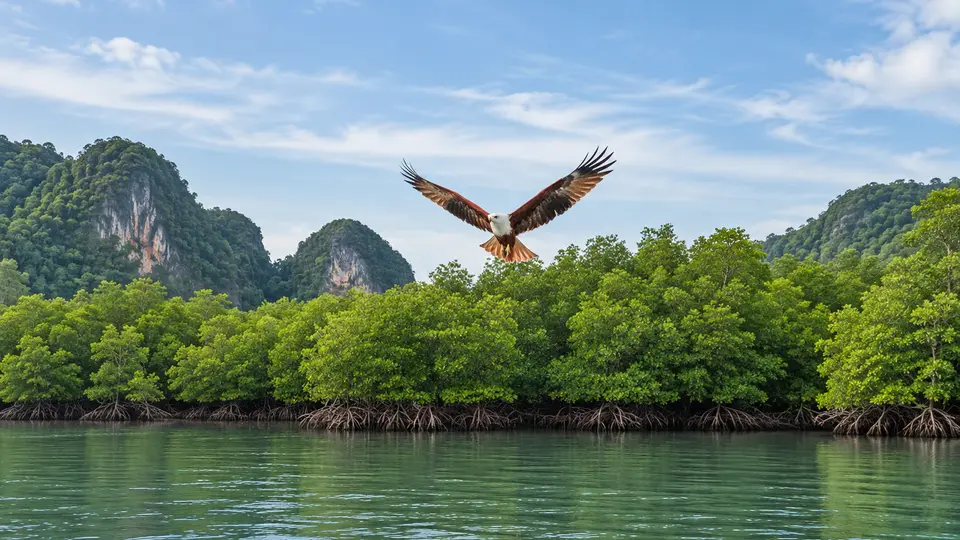
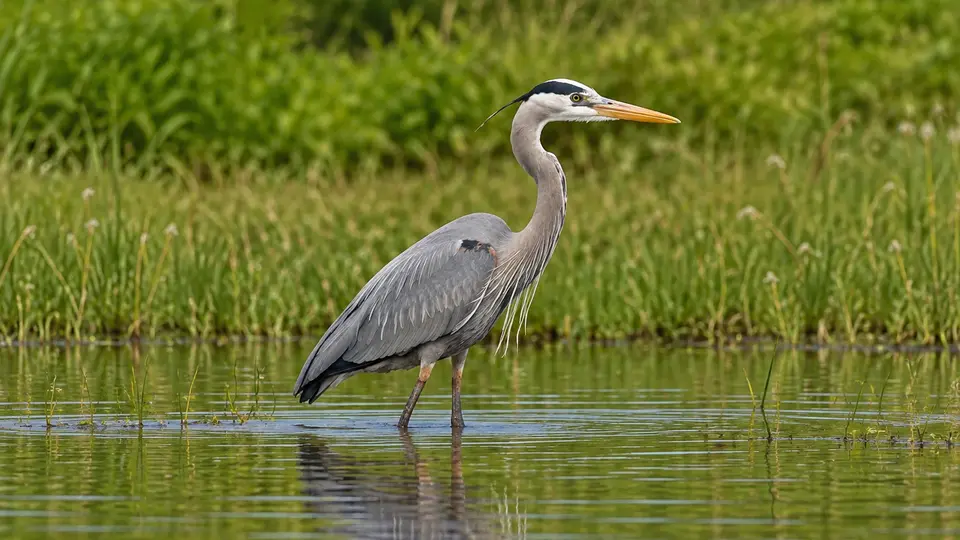
Wilson's bird-of-paradiseAI-modifiedWilson's bird-of-paradiseBrahminy kiteAI-modifiedBrahminy kiteGreat-billed heronAI-modifiedGreat-billed heron
Animal groupBirdsAnimal groupBirdsAnimal groupBirds
DestinationsIndonesiaDestinationsIndonesia, Thailand, VietnamDestinationsIndonesia, Thailand
Scientific nameCicinnurus respublicaScientific nameScientific name
All wildlife destinations
AI-modified
Plan your trip

Find your next wildlife adventure

Compare destinations, shore programs and dates with the animals and habitats you would love to see.

  • Naturalist-led shore excursions
  • Responsible wildlife watching
  • Small expedition ships