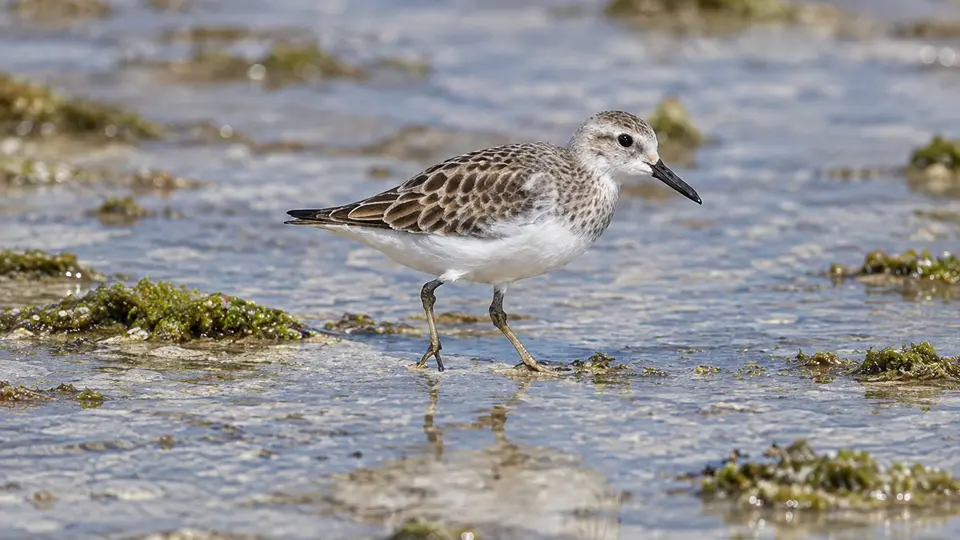
Tuamotu sandpiper in its natural habitatAI-modified

Tuamotu sandpiperProsobonia parvirostrisWhere and when to see them

Tuamotu sandpiper at a glance

The Tuamotu sandpiper is a small, nonmigratory shorebird restricted to a few remote atolls in French Polynesia. Unlike familiar sandpipers that gather on extensive tidal flats, it often searches through leaf litter and low island vegetation. Its remaining populations depend heavily on islands where introduced predators are absent or controlled. The species has disappeared from much of its former range, making biosecurity and protection of surviving island habitats especially important.

Behaviour & reproduction

Size
15–17 cm (5.9–6.7 in) length
Weight
Not reliably established
Lifespan
Not reliably established
Status
Endangered

These sandpipers move briskly over coral rubble, litter and sandy ground, picking at small food items rather than routinely probing deep mud. They can be inquisitive and relatively approachable where people are unfamiliar, a trait that provides no protection against introduced predators. Birds communicate with sharp calls and occupy small island territories. Nesting takes place on the ground, where eggs and chicks are vulnerable to rats and other introduced animals. They typically forage solitarily or in pairs, exhibiting a characteristic stop-start foraging style as they scan for prey. Males and females share parental duties, diligently guarding their well-camouflaged nests from potential threats.

Top wildlife locations

Polynesia wildlife habitatAI-modified

Polynesia

Surviving populations occupy a few remote Tuamotu atolls, where scrub edges and coral shorelines are plausible viewing habitat. These are not routine visitor stops; access may be restricted or unavailable for conservation reasons.
Destinations describe the species' habitat, not guaranteed cruise stops. Some animals require an optional inland excursion or are found in restricted reserves.

Fun facts about the Tuamotu sandpiper

  • It remains on tropical islands instead of undertaking an Arctic migration.
  • It frequently feeds away from the waterline.
  • Introduced rats are a major threat to surviving populations.
  • Its genus once included other Polynesian sandpipers that are now extinct.

Best time to see the Tuamotu sandpiper

There is no broadly accessible public viewing season for this rare resident. Drier months can offer more manageable travel conditions in parts of the Tuamotus, but permissions, conservation restrictions and sea conditions determine feasibility. A general Polynesian itinerary is not a reliable opportunity. The species breeds throughout the year, but peak breeding activity may occur during the warmer, wetter months. Cruise itineraries often coincide with the drier season, but access is less about time of year and more about exclusive conservation permits.

Tuamotu sandpiper: season matrix by destination

Travel and observation windows vary by region. Highlighted months are an orientation for planning, not confirmed sightings or a guarantee of access.

Polynesia

No defensible general shore-observation window exists without an authorized destination and current access information; regional travel seasons do not establish species availability.

JanFebMarAprMayJunJulAugSepOctNovDec
Cruise ships in Polynesia

Where the Tuamotu sandpiper lives

Remaining habitat consists of low coral islands with native scrub, open woodland, litter-covered ground and shoreline margins. It is not simply a bird of exposed beaches. Suitable-looking atolls may lack the species because predator history and island isolation strongly influence survival. Though primarily found on remote atolls, its presence is limited by the availability of dense undergrowth for cover and foraging. Preferred islands often have a mosaic of open sand, coral rubble, and dense coastal vegetation.

What the Tuamotu sandpiper eats

It eats small invertebrates collected from vegetation, litter, sand and coral debris, including insects and other arthropods. Some plant material is also taken. This flexible island diet differs from the heavy dependence on intertidal worms and molluscs seen in many migratory sandpipers. Prey items include small beetles, ants, and marine arthropods like amphipods and isopods found in the strandline. They are opportunistic feeders, adapting their diet to local prey availability on various island substrates.

Species at a glance

Common name
Tuamotu sandpiper
Scientific name
Prosobonia parvirostris
Animal group
Birds
Size
15–17 cm (5.9–6.7 in) length
Weight
Not reliably established
Lifespan
Not reliably established
Status
Endangered
Identification
Its short bill, pale eyebrow and mottled brown plumage distinguish it from the longer-billed migratory tattlers and other visiting shorebirds of Polynesian coasts. The upperparts are dusky brown, with a slightly paler, buffy breast and belly, giving it a somewhat stocky appearance. Its small size, typically 15-16 cm (5.9-6.3 in) in length, further differentiates it from larger migratory shorebirds.

Tuamotu sandpiper: frequently asked questions

Where can I see the Tuamotu sandpiper?
Polynesia. Observe only where access is explicitly authorized, keeping clear of ground nests and following island biosecurity checks. Do not use playback or lure birds with food. Remote populations should never be approached through unauthorized landings. Shore excursions to authorized islands should always be led by permitted guides who understand the species' fragile ecology. Binoculars are essential for observing these cryptically camouflaged birds without disturbing them in their sensitive island habitats.
When is the best time to see the Tuamotu sandpiper?
There is no broadly accessible public viewing season for this rare resident. Drier months can offer more manageable travel conditions in parts of the Tuamotus, but permissions, conservation restrictions and sea conditions determine feasibility. A general Polynesian itinerary is not a reliable opportunity. The species breeds throughout the year, but peak breeding activity may occur during the warmer, wetter months. Cruise itineraries often coincide with the drier season, but access is less about time of year and more about exclusive conservation permits.
How big does the Tuamotu sandpiper get?
15–17 cm (5.9–6.7 in) length. Adult weight: Not reliably established. Size varies with age, sex and population.
How should I behave around the Tuamotu sandpiper?
Observe only where access is explicitly authorized, keeping clear of ground nests and following island biosecurity checks. Do not use playback or lure birds with food. Remote populations should never be approached through unauthorized landings. Shore excursions to authorized islands should always be led by permitted guides who understand the species' fragile ecology. Binoculars are essential for observing these cryptically camouflaged birds without disturbing them in their sensitive island habitats.
What does the Tuamotu sandpiper eat?
It eats small invertebrates collected from vegetation, litter, sand and coral debris, including insects and other arthropods. Some plant material is also taken. This flexible island diet differs from the heavy dependence on intertidal worms and molluscs seen in many migratory sandpipers. Prey items include small beetles, ants, and marine arthropods like amphipods and isopods found in the strandline. They are opportunistic feeders, adapting their diet to local prey availability on various island substrates.
Are wildlife sightings guaranteed on an adventure cruise?
No. Animals move freely and routes, weather, access restrictions and local conditions influence every outing. Confirm the actual itinerary and shore program before booking.

Compare wildlife in the same destinations

Explore other birds recorded in these destinations. Similar surroundings do not mean the animals share the same habits or viewing season.

Species comparison by animal group and destination
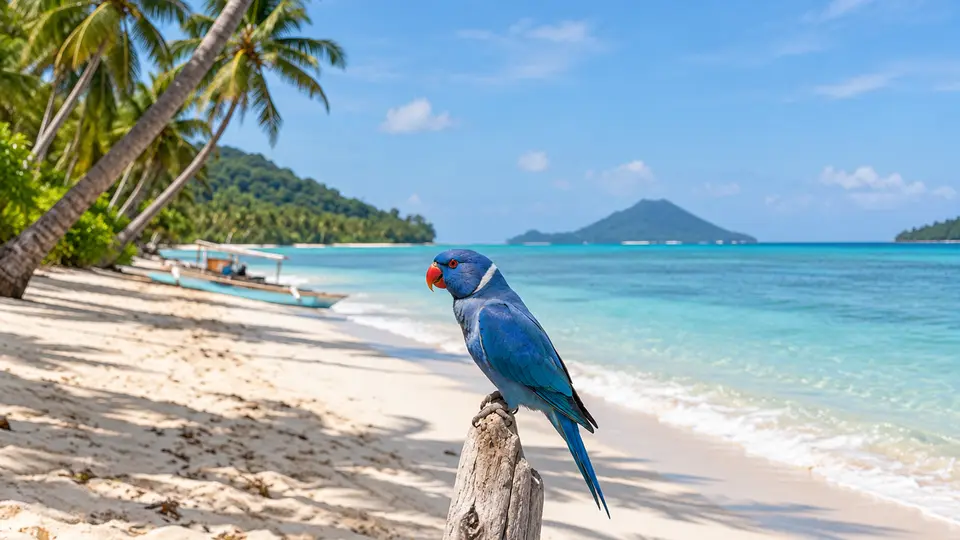
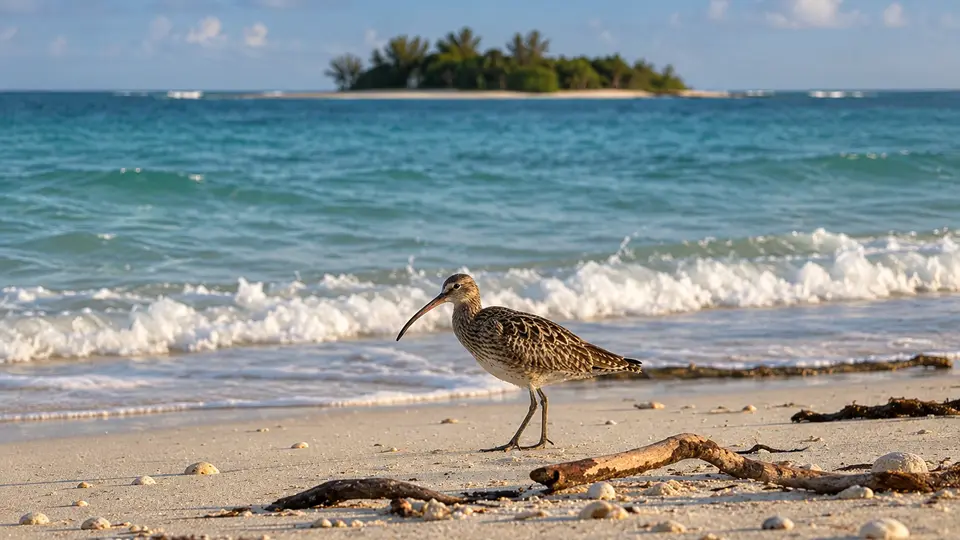
Tuamotu sandpiperAI-modifiedTuamotu sandpiperBlue lorikeetAI-modifiedBlue lorikeetBristle-thighed curlewAI-modifiedBristle-thighed curlew
Animal groupBirdsAnimal groupBirdsAnimal groupBirds
DestinationsPolynesiaDestinationsPolynesiaDestinationsPolynesia
Scientific nameProsobonia parvirostrisScientific nameScientific name
All wildlife destinations
AI-modified
Plan your trip

Find your next wildlife adventure

Compare destinations, shore programs and dates with the animals and habitats you would love to see.

  • Naturalist-led shore excursions
  • Responsible wildlife watching
  • Small expedition ships