
Tahiti petrel in its natural habitatAI-modified

Tahiti petrelPseudobulweria rostrataWhere and when to see them

Tahiti petrel at a glance

The Tahiti petrel is a tropical Pacific seabird with a dark head and upper chest contrasting with a white belly. Despite its name, it breeds on several island groups beyond Tahiti. Most of its life is spent over open ocean, making distant deck observation more realistic than close coastal views. Nesting populations face introduced predators and disturbance on land, while bright artificial lighting can disorient birds traveling between the sea and breeding areas.

Behaviour & reproduction

Size
39–43 cm (15–17 in) long; 1.0–1.1 m (3.3–3.6 ft) wingspan
Weight
Approximately 350–500 g (12–18 oz)
Lifespan
Not reliably established
Status
Near Threatened

At sea, Tahiti petrels travel with alternating wingbeats and glides, ranging widely in search of scattered food. They usually appear singly or in small numbers rather than dense flocks. Visits to nesting slopes occur mainly after dark, when birds call around burrows or cavities. Breeding schedules vary among islands and can be prolonged. Their nocturnal return to land reduces some natural predation risks but exposes them to artificial lights and introduced mammals. They are known for their strong, direct flight interspersed with banking glides, often hugging wave troughs. Nocturnal land visits are primarily for breeding, with birds typically remaining at sea for feeding.

Top wildlife locations

Polynesia wildlife habitatAI-modified

Polynesia

Ocean-facing headlands and ordinary vessel decks offer possible distant views near occupied island groups. Shore detection is difficult, while breeding slopes may be inland, inaccessible or unsuitable for visitor access.
Destinations describe the species' habitat, not guaranteed cruise stops. Some animals require an optional inland excursion or are found in restricted reserves.

Fun facts about the Tahiti petrel

  • The name rostrata refers to its prominent bill.
  • Its nostrils form external tubes characteristic of petrels and their relatives.
  • Breeding sites can lie well inland on mountainous islands.
  • Artificial lighting can divert fledglings during their first journeys to sea.

Best time to see the Tahiti petrel

There is no single well-supported viewing peak across Polynesia. Birds may be present around breeding islands through much of the year, with schedules varying locally. Choose safe coastal or deck conditions and current local advice rather than assuming a short, universal nesting season. Peak fledging periods can occur from April to June in some populations, with egg-laying from December to February. This extended breeding cycle means adults are present near colonies for many months of the year.

Tahiti petrel: season matrix by destination

Travel and observation windows vary by region. Highlighted months are an orientation for planning, not confirmed sightings or a guarantee of access.

Polynesia

Polynesia is too broad for a defensible single window, and local breeding schedules and sea conditions differ among islands.

JanFebMarAprMayJunJulAugSepOctNovDec
Cruise ships in Polynesia

Where the Tahiti petrel lives

Feeding habitat is predominantly tropical and subtropical open Pacific water. Breeding sites occur on oceanic islands, including steep vegetated slopes and upland terrain with cavities or burrowing opportunities. Colonies may be far inland, difficult to reach or closed to casual visitation. Nests are typically found in self-excavated burrows, rock crevices, or under dense vegetation cover. While often on remote, high-altitude slopes, some colonies are accessible at lower elevations on certain islands.

What the Tahiti petrel eats

The diet includes squid, fishes and crustaceans obtained at or near the ocean surface. Available evidence also indicates scavenging of floating dead prey. Detailed feeding ecology remains incompletely documented, so the relative importance of particular prey groups should not be overstated. Despite being surface feeders, they are capable of shallow dives and dipping to snatch prey. The diet also includes bioluminescent organisms, which they may detect at night.

Species at a glance

Common name
Tahiti petrel
Scientific name
Pseudobulweria rostrata
Animal group
Birds
Size
39–43 cm (15–17 in) long; 1.0–1.1 m (3.3–3.6 ft) wingspan
Weight
Approximately 350–500 g (12–18 oz)
Lifespan
Not reliably established
Status
Near Threatened
Identification
Its dark hood extends onto the upper breast above a white belly, unlike the more uniformly dark Christmas shearwater or boldly patterned, smaller collared petrel. A key field mark is the absence of a pale primary patch on the underwing, which differentiates it from some similar petrels. The relatively large size and robust bill further aid in identification at a distance.

Tahiti petrel: frequently asked questions

Where can I see the Tahiti petrel?
Polynesia. Watch distant birds from stable decks or established headlands with binoculars. Do not seek nocturnal colonies, use attraction lights or approach grounded birds; report disoriented individuals to local wildlife responders. Scanning the wake of the ship or areas of upwelling can reveal foraging individuals. Viewing opportunities are best during daylight hours as they feed widely at sea.
When is the best time to see the Tahiti petrel?
There is no single well-supported viewing peak across Polynesia. Birds may be present around breeding islands through much of the year, with schedules varying locally. Choose safe coastal or deck conditions and current local advice rather than assuming a short, universal nesting season. Peak fledging periods can occur from April to June in some populations, with egg-laying from December to February. This extended breeding cycle means adults are present near colonies for many months of the year.
How big does the Tahiti petrel get?
39–43 cm (15–17 in) long; 1.0–1.1 m (3.3–3.6 ft) wingspan. Adult weight: Approximately 350–500 g (12–18 oz). Size varies with age, sex and population.
How should I behave around the Tahiti petrel?
Watch distant birds from stable decks or established headlands with binoculars. Do not seek nocturnal colonies, use attraction lights or approach grounded birds; report disoriented individuals to local wildlife responders. Scanning the wake of the ship or areas of upwelling can reveal foraging individuals. Viewing opportunities are best during daylight hours as they feed widely at sea.
What does the Tahiti petrel eat?
The diet includes squid, fishes and crustaceans obtained at or near the ocean surface. Available evidence also indicates scavenging of floating dead prey. Detailed feeding ecology remains incompletely documented, so the relative importance of particular prey groups should not be overstated. Despite being surface feeders, they are capable of shallow dives and dipping to snatch prey. The diet also includes bioluminescent organisms, which they may detect at night.
Are wildlife sightings guaranteed on an adventure cruise?
No. Animals move freely and routes, weather, access restrictions and local conditions influence every outing. Confirm the actual itinerary and shore program before booking.

Compare wildlife in the same destinations

Explore other birds recorded in these destinations. Similar surroundings do not mean the animals share the same habits or viewing season.

Species comparison by animal group and destination
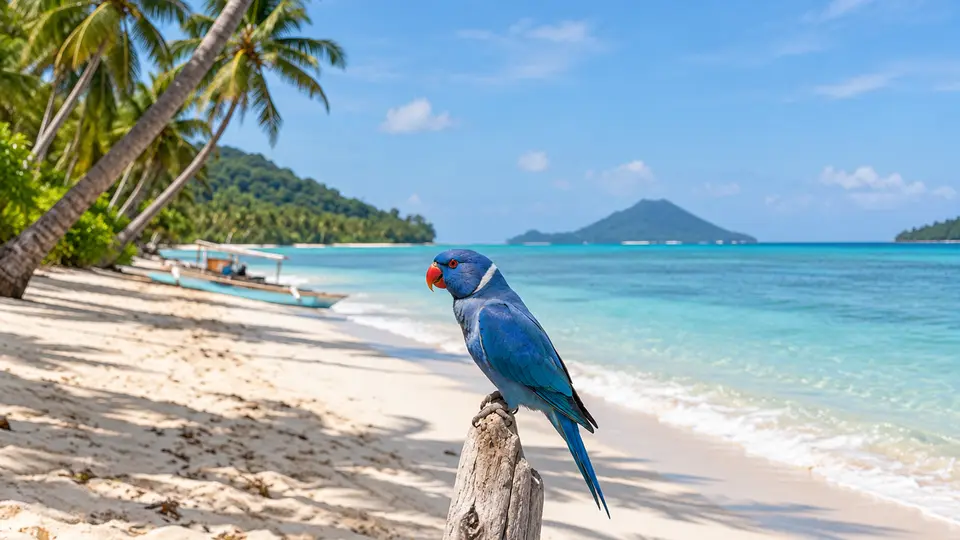
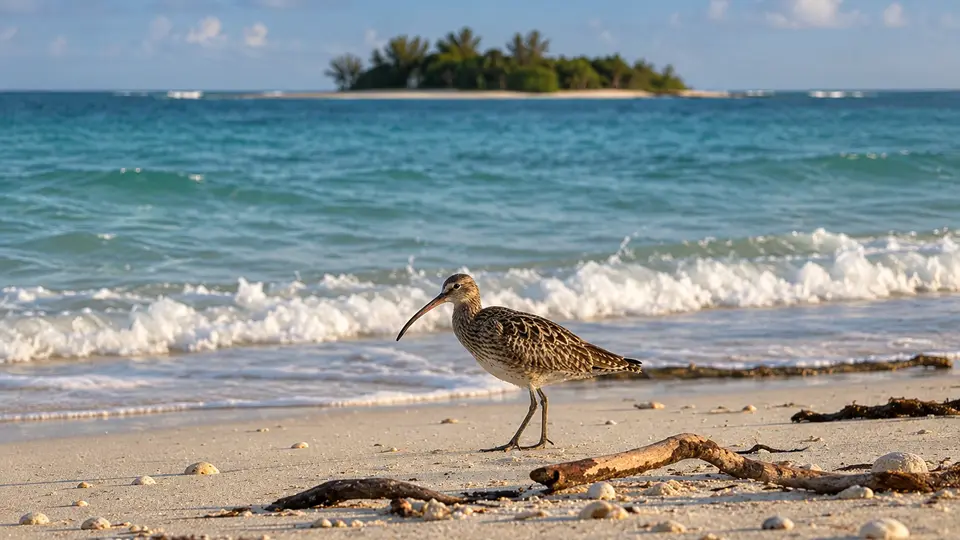
Tahiti petrelAI-modifiedTahiti petrelBlue lorikeetAI-modifiedBlue lorikeetBristle-thighed curlewAI-modifiedBristle-thighed curlew
Animal groupBirdsAnimal groupBirdsAnimal groupBirds
DestinationsPolynesiaDestinationsPolynesiaDestinationsPolynesia
Scientific namePseudobulweria rostrataScientific nameScientific name
All wildlife destinations
AI-modified
Plan your trip

Find your next wildlife adventure

Compare destinations, shore programs and dates with the animals and habitats you would love to see.

  • Naturalist-led shore excursions
  • Responsible wildlife watching
  • Small expedition ships