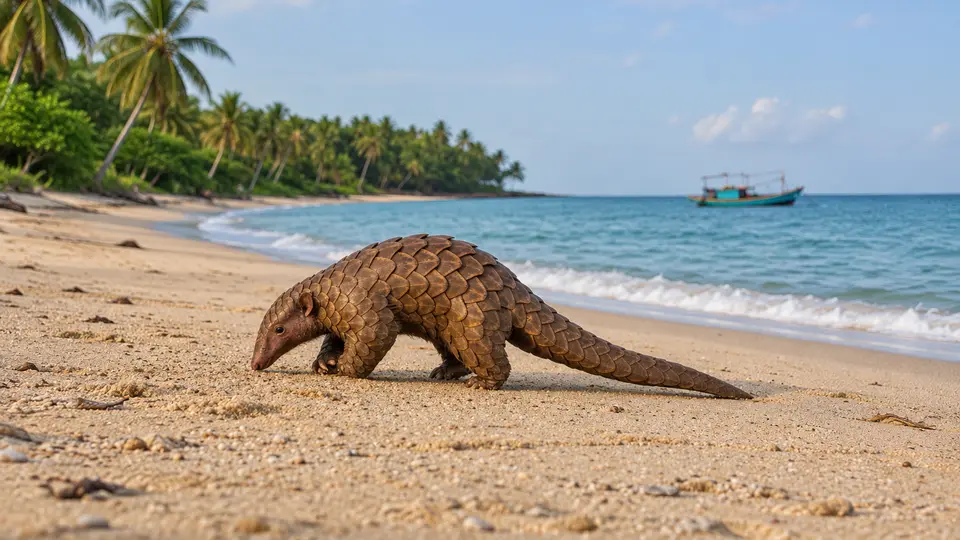
Sunda pangolin in its natural habitatAI-modified

Sunda pangolinManis javanicaWhere and when to see them

Sunda pangolin at a glance

The Sunda pangolin is a nocturnal, scale-covered mammal native to Southeast Asia. It searches for ants and termites with a long, sticky tongue and powerful foreclaws, while its prehensile tail helps it climb. Heavy exploitation for meat and illegal scale trafficking has caused severe population declines. Its defensive habit of curling into a ball protects against many natural threats but offers little protection from people, making discreet, carefully managed conservation essential.

Behaviour & reproduction

Size
40–65 cm (16–26 in) head-and-body length
Weight
4–10 kg (8.8–22 lb)
Lifespan
Not reliably established
Status
Critically Endangered

Usually solitary, Sunda pangolins move between feeding sites and sheltered resting places after dark. They forage both on the ground and in trees, opening insect nests with strong claws. Hollow trunks, cavities and other secure refuges provide daytime shelter. Females typically care for a single young, which may ride on the mother's tail. When alarmed, an animal may freeze, withdraw or curl tightly, so apparent stillness should never be interpreted as comfort with observers. The young are born with soft scales that harden within a few days, and they become independent after about three to four months. Although generally solitary, an adult pangolin's home range can overlap with others, particularly between males and females during breeding season.

Top wildlife locations

Vietnam wildlife habitatAI-modified

Vietnam

Remaining habitat is primarily protected forest, not routine shore-viewing terrain. An inland excursion to an authorized conservation program may be possible, but wild encounters are exceptionally rare and sensitive locations must remain confidential.
Destinations describe the species' habitat, not guaranteed cruise stops. Some animals require an optional inland excursion or are found in restricted reserves.

Fun facts about the Sunda pangolin

  • Its scales are made of keratin, the same structural material found in human nails.
  • The tail can grip branches during climbing.
  • Pangolins lack teeth entirely.
  • International commercial trade in wild Sunda pangolins is prohibited under CITES Appendix I.

Best time to see the Sunda pangolin

There is no responsible, reliable tourist viewing season for wild Sunda pangolins in Vietnam. Their scarcity, nocturnal habits and sensitivity to disturbance outweigh any seasonal advantage. Visiting an authorized conservation facility depends on its current access rules, not a presumed wild encounter calendar. Globally, pangolin populations face severe threats from poaching for illegal wildlife trade, making any direct encouragement of searching for them irresponsible. Supporting reputable conservation efforts or wildlife rescue centers is the most ethical way to contribute to their survival.

Sunda pangolin: season matrix by destination

Travel and observation windows vary by region. Highlighted months are an orientation for planning, not confirmed sightings or a guarantee of access.

Vietnam

No supported wild observation window exists; authorized facility visits depend on current welfare, conservation and access requirements.

JanFebMarAprMayJunJulAugSepOctNovDec
Cruise ships in Vietnam

Where the Sunda pangolin lives

The species uses tropical forests, secondary woodland and some plantations where prey and shelter remain available. Tree cavities and structurally varied vegetation are important. In Vietnam, surviving populations are fragmented and heavily pressured, with protected forest landscapes more relevant than accessible coastal promenades. In Vietnam, Sunda pangolins are primarily found in southern regions, particularly in lowland dipterocarp forests. Their survival is intrinsically linked to the presence of intact, undisturbed forest patches, which provide both food resources and protection from human activity.

What the Sunda pangolin eats

Ants and termites dominate the diet, including adults, larvae and eggs taken from nests. A pangolin has no teeth; its sticky tongue gathers prey, which is processed farther along the digestive tract. Strong claws break into nests and decaying wood. Their specialized diet also includes bee larvae and pupae. Pangolins consume significant quantities of insects, playing a crucial role in controlling ant and termite populations within their ecosystems.

Species at a glance

Common name
Sunda pangolin
Scientific name
Manis javanica
Animal group
Mammals
Size
40–65 cm (16–26 in) head-and-body length
Weight
4–10 kg (8.8–22 lb)
Lifespan
Not reliably established
Status
Critically Endangered
Identification
Compared with the Chinese pangolin, the Sunda pangolin generally has a longer, more prehensile tail and less conspicuous external ears. The scales of the Sunda pangolin are a yellowish-brown to olive-brown color, which can help distinguish it from other pangolin species. They are also generally smaller than the Indian pangolin, another scaled mammal found in Asia.

Sunda pangolin: frequently asked questions

Where can I see the Sunda pangolin?
Vietnam. Do not seek dens, handle animals or publicize precise wild locations. If one appears on an authorized trail, remain back and let it leave; never purchase an animal to arrange a release. Always respect local wildlife regulations and the guidance of authorized personnel. Participating in citizen science initiatives that monitor forest health can indirectly support pangolin conservation without disturbing the animals.
When is the best time to see the Sunda pangolin?
There is no responsible, reliable tourist viewing season for wild Sunda pangolins in Vietnam. Their scarcity, nocturnal habits and sensitivity to disturbance outweigh any seasonal advantage. Visiting an authorized conservation facility depends on its current access rules, not a presumed wild encounter calendar. Globally, pangolin populations face severe threats from poaching for illegal wildlife trade, making any direct encouragement of searching for them irresponsible. Supporting reputable conservation efforts or wildlife rescue centers is the most ethical way to contribute to their survival.
How big does the Sunda pangolin get?
40–65 cm (16–26 in) head-and-body length. Adult weight: 4–10 kg (8.8–22 lb). Size varies with age, sex and population.
How should I behave around the Sunda pangolin?
Do not seek dens, handle animals or publicize precise wild locations. If one appears on an authorized trail, remain back and let it leave; never purchase an animal to arrange a release. Always respect local wildlife regulations and the guidance of authorized personnel. Participating in citizen science initiatives that monitor forest health can indirectly support pangolin conservation without disturbing the animals.
What does the Sunda pangolin eat?
Ants and termites dominate the diet, including adults, larvae and eggs taken from nests. A pangolin has no teeth; its sticky tongue gathers prey, which is processed farther along the digestive tract. Strong claws break into nests and decaying wood. Their specialized diet also includes bee larvae and pupae. Pangolins consume significant quantities of insects, playing a crucial role in controlling ant and termite populations within their ecosystems.
Are wildlife sightings guaranteed on an adventure cruise?
No. Animals move freely and routes, weather, access restrictions and local conditions influence every outing. Confirm the actual itinerary and shore program before booking.

Compare wildlife in the same destinations

Explore other mammals recorded in these destinations. Similar surroundings do not mean the animals share the same habits or viewing season.

Species comparison by animal group and destination
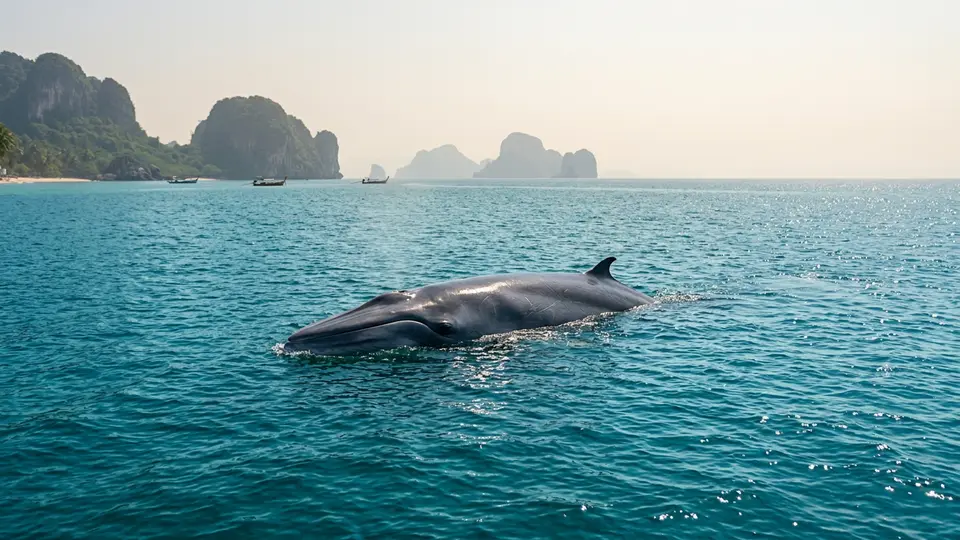
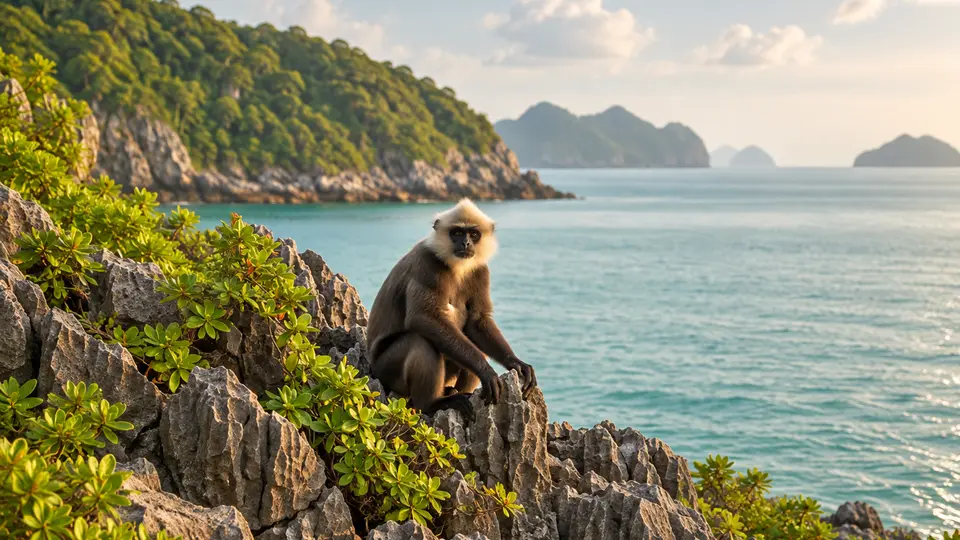
Sunda pangolinAI-modifiedSunda pangolinBryde's WhaleAI-modifiedBryde's WhaleCat Ba langurAI-modifiedCat Ba langur
Animal groupMammalsAnimal groupMammalsAnimal groupMammals
DestinationsVietnamDestinationsGalapagos, Mexico, Egypt, Thailand, VietnamDestinationsVietnam
Scientific nameManis javanicaScientific nameScientific name
All wildlife destinations
AI-modified
Plan your trip

Find your next wildlife adventure

Compare destinations, shore programs and dates with the animals and habitats you would love to see.

  • Naturalist-led shore excursions
  • Responsible wildlife watching
  • Small expedition ships