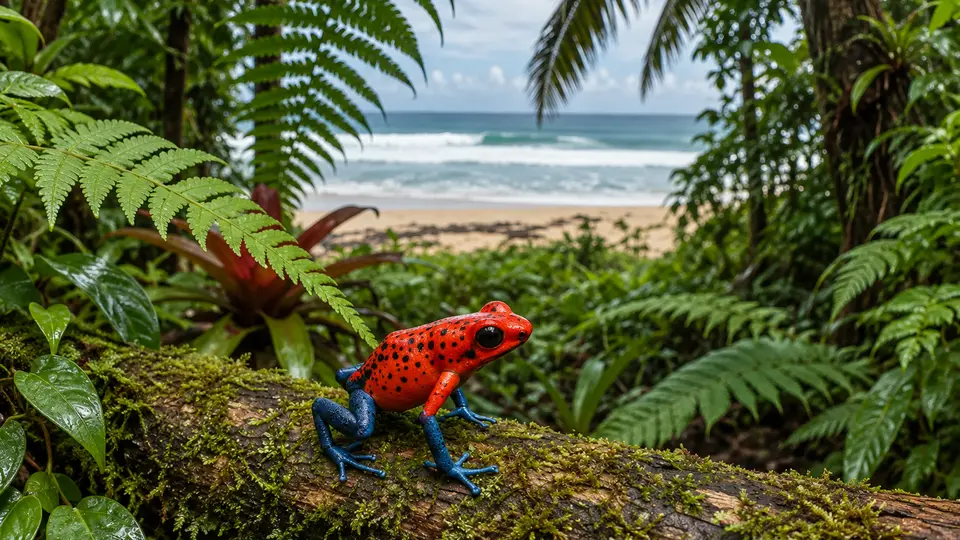
Strawberry Poison-dart Frog in its natural habitatAI-modified

Strawberry Poison-dart FrogOophaga pumilioWhere and when to see them

Strawberry Poison-dart Frog at a glance

The strawberry poison-dart frog is a tiny, day-active amphibian, not a reptile, native to parts of Central America. Many Costa Rican individuals have bright red bodies and blue legs, although colour patterns vary geographically. Its conspicuous colours advertise skin chemicals that discourage predators. The species is especially remarkable for elaborate parental care, with females supplying developing tadpoles with unfertilised eggs in small water-filled plant cavities.

Behaviour & reproduction

Size
Body length 1.7–2.4 cm (0.67–0.94 in)
Weight
Not reliably established
Lifespan
Not reliably established
Status
Least Concern

Males call from low perches and defend small territories, sometimes wrestling with rivals. Eggs are laid on land in damp leaf litter, and males help keep developing clutches moist. After hatching, females carry tadpoles individually to tiny pools held by plants. They revisit these nurseries to deposit food eggs. Adults forage actively by day, but their small size and the complexity of the forest floor make them easy to miss. Mothers meticulously transport each tadpole on their back, one at a time, to separate small water bodies, ensuring they have their own nursery. This parental care, including the feeding of unfertilized eggs, is crucial for tadpole survival in nutrient-poor environments. Adults are diurnal, foraging throughout the day, often seen moving among the leaf litter or climbing low vegetation.

Top wildlife locations

Costa Rica wildlife habitatAI-modified

Costa Rica

Humid Caribbean lowland forest trails offer plausible viewing in leaf litter near coastal forest margins. A guided forest excursion is usually needed; dry beaches and most Pacific shore stops are unsuitable.
Destinations describe the species' habitat, not guaranteed cruise stops. Some animals require an optional inland excursion or are found in restricted reserves.

Fun facts about the Strawberry Poison-dart Frog

  • It belongs to the amphibians despite often being placed in reptile-themed wildlife lists.
  • Females transport tadpoles on their backs.
  • Tadpoles are provisioned with unfertilised eggs.
  • Wild skin alkaloids originate largely from compounds acquired through arthropod prey.

Best time to see the Strawberry Poison-dart Frog

Frogs can be active throughout the year in humid Costa Rican habitat, particularly when recent rain maintains moist leaf litter. Caribbean rainfall does not follow the Pacific dry-season pattern neatly. Local trail conditions, rainfall and calling activity are more useful than a single national viewing season. While generally active year-round, activity peaks during the wettest months, which can vary regionally across the Caribbean slope of Costa Rica. Look for them during guided excursions when conditions are most favorable for amphibian activity. Local guides are best equipped to advise on current viewing opportunities based on recent weather patterns.

Strawberry Poison-dart Frog: season matrix by destination

Travel and observation windows vary by region. Highlighted months are an orientation for planning, not confirmed sightings or a guarantee of access.

Costa Rica

Suitable humid habitat can support year-round activity; recent rainfall and safe trail access matter more than the country's general tourism seasons.

JanFebMarAprMayJunJulAugSepOctNovDec
Cruise ships in Costa Rica

Where the Strawberry Poison-dart Frog lives

Humid lowland forest, regenerating woodland and some shaded plantations provide suitable conditions. Leaf litter, high humidity and water-holding plants are important, particularly for reproduction. In Costa Rica it is associated chiefly with Caribbean lowlands and nearby humid regions rather than dry Pacific coastal habitats. This species can be found from sea level up to elevations of about 1000 meters in appropriate conditions. Its preference for well-vegetated areas near streams or areas with consistent moisture contributes to its presence in various microhabitats. They are often found in areas with a dense understory and ample leaf litter for cover and foraging.

What the Strawberry Poison-dart Frog eats

Tiny arthropods dominate the adult diet, especially ants and mites, alongside other minute invertebrates. Some dietary compounds are transformed or retained as defensive skin alkaloids. Tadpoles have a highly specialised diet, receiving unfertilised eggs supplied repeatedly by their mother. Beyond ants and mites, springtails and small beetles are also consumed, providing a diverse intake of toxins and nutrients. The alkaloids absorbed from these arthropods serve as a chemical defense against predators. These sequestered compounds are a key reason for their bright warning coloration.

Species at a glance

Common name
Strawberry Poison-dart Frog
Scientific name
Oophaga pumilio
Animal group
Reptiles
Size
Body length 1.7–2.4 cm (0.67–0.94 in)
Weight
Not reliably established
Lifespan
Not reliably established
Status
Least Concern
Identification
In typical Costa Rican populations, a tiny red body and blue legs distinguish it from larger black-and-green poison frogs, though colour alone is unreliable across its full range. Typical Costa Rican populations often exhibit a striking red and blue pattern, but some localized populations can display variations in color, including orange or even green, though less common in the typical range. The species is notably small, reaching lengths of only 17 to 24 millimeters, making it one of the smaller dendrobatids. Its granular skin texture is another distinguishing feature.

Strawberry Poison-dart Frog: frequently asked questions

Where can I see the Strawberry Poison-dart Frog?
Costa Rica. Search leaf litter from established forest paths with a local guide. Never touch frogs or disturb plant nurseries; skin secretions are defensive, and handling can also damage the frog's delicate skin. During shore excursions, focus your search on the undergrowth near the trail edges, particularly among bromeliads, fallen leaves, and mossy logs. Moving slowly and quietly increases the chances of spotting these small, often camouflaged amphibians. Their bright coloration, when present, can be a giveaway against the drab forest floor.
When is the best time to see the Strawberry Poison-dart Frog?
Frogs can be active throughout the year in humid Costa Rican habitat, particularly when recent rain maintains moist leaf litter. Caribbean rainfall does not follow the Pacific dry-season pattern neatly. Local trail conditions, rainfall and calling activity are more useful than a single national viewing season. While generally active year-round, activity peaks during the wettest months, which can vary regionally across the Caribbean slope of Costa Rica. Look for them during guided excursions when conditions are most favorable for amphibian activity. Local guides are best equipped to advise on current viewing opportunities based on recent weather patterns.
How big does the Strawberry Poison-dart Frog get?
Body length 1.7–2.4 cm (0.67–0.94 in). Adult weight: Not reliably established. Size varies with age, sex and population.
How should I behave around the Strawberry Poison-dart Frog?
Search leaf litter from established forest paths with a local guide. Never touch frogs or disturb plant nurseries; skin secretions are defensive, and handling can also damage the frog's delicate skin. During shore excursions, focus your search on the undergrowth near the trail edges, particularly among bromeliads, fallen leaves, and mossy logs. Moving slowly and quietly increases the chances of spotting these small, often camouflaged amphibians. Their bright coloration, when present, can be a giveaway against the drab forest floor.
What does the Strawberry Poison-dart Frog eat?
Tiny arthropods dominate the adult diet, especially ants and mites, alongside other minute invertebrates. Some dietary compounds are transformed or retained as defensive skin alkaloids. Tadpoles have a highly specialised diet, receiving unfertilised eggs supplied repeatedly by their mother. Beyond ants and mites, springtails and small beetles are also consumed, providing a diverse intake of toxins and nutrients. The alkaloids absorbed from these arthropods serve as a chemical defense against predators. These sequestered compounds are a key reason for their bright warning coloration.
Are wildlife sightings guaranteed on an adventure cruise?
No. Animals move freely and routes, weather, access restrictions and local conditions influence every outing. Confirm the actual itinerary and shore program before booking.

Compare wildlife in the same destinations

Explore other reptiles recorded in these destinations. Similar surroundings do not mean the animals share the same habits or viewing season.

Species comparison by animal group and destination
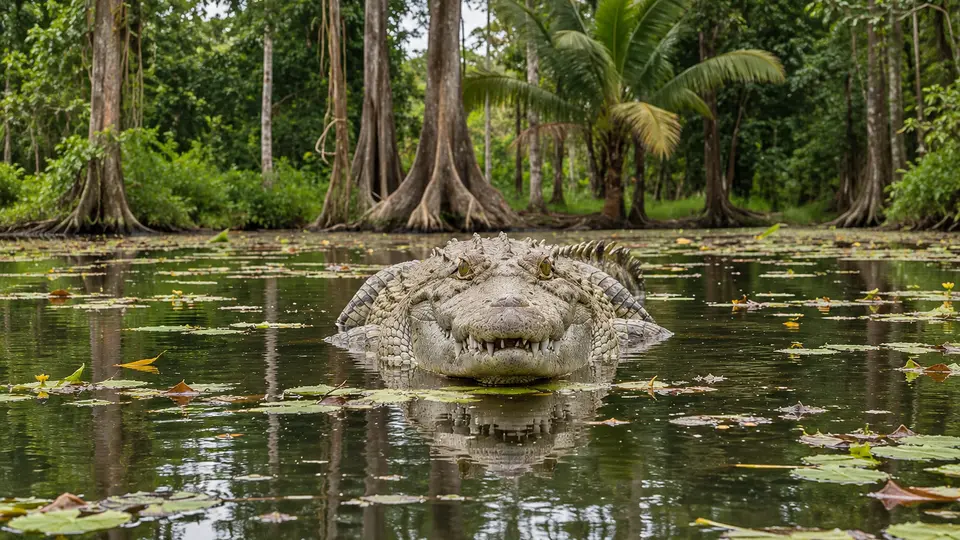
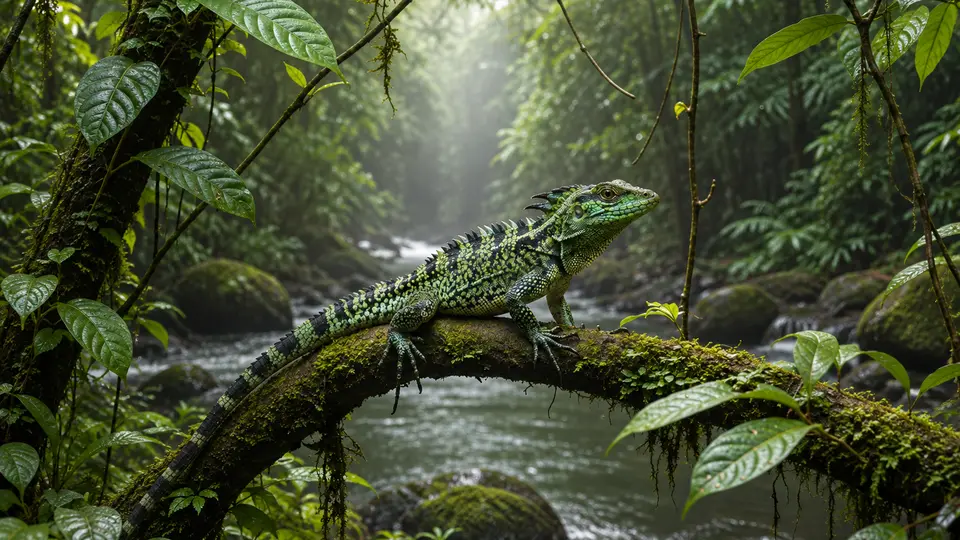
Strawberry Poison-dart FrogAI-modifiedStrawberry Poison-dart FrogAmerican CrocodileAI-modifiedAmerican CrocodileCommon BasiliskAI-modifiedCommon Basilisk
Animal groupReptilesAnimal groupReptilesAnimal groupReptiles
DestinationsCosta RicaDestinationsCosta Rica, FloridaDestinationsCosta Rica
Scientific nameOophaga pumilioScientific nameScientific name
All wildlife destinations
AI-modified
Plan your trip

Find your next wildlife adventure

Compare destinations, shore programs and dates with the animals and habitats you would love to see.

  • Naturalist-led shore excursions
  • Responsible wildlife watching
  • Small expedition ships