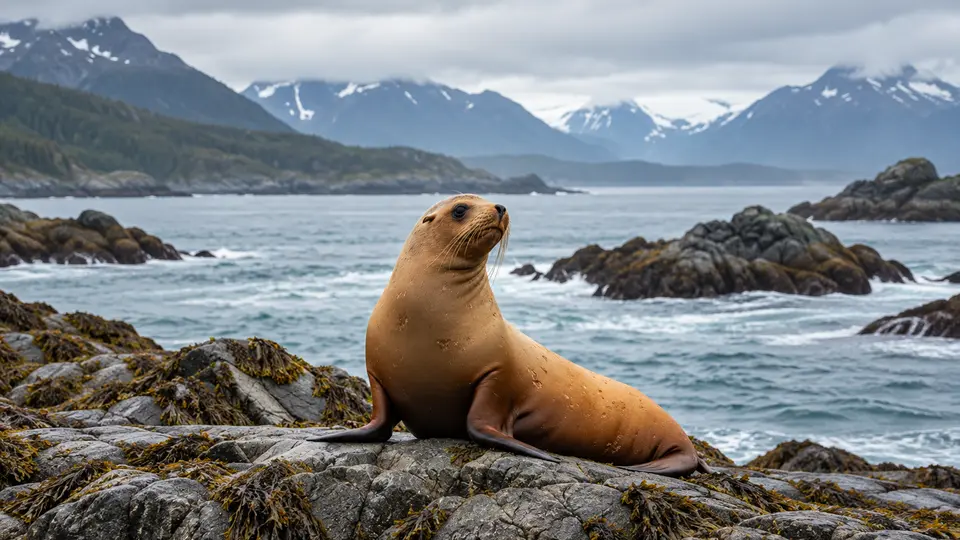
Steller Sea Lion in its natural habitatAI-modified

Steller Sea LionEumetopias jubatusWhere and when to see them

Steller Sea Lion at a glance

The Steller sea lion is the largest living sea lion, native to the North Pacific. Adult males are massive, thick-necked animals, while females are much smaller and more streamlined. Alaska supports important breeding colonies and nonbreeding haul-outs on exposed rocks and islands. These marine mammals come ashore to rest, breed and nurse, but obtain their food at sea. Conservation trends differ substantially among regional populations despite the single global assessment.

Behaviour & reproduction

Size
Length 2.3–3.3 m (7.5–10.8 ft)
Weight
200–1,000 kg (440–2,200 lb)
Lifespan
20–30 years
Status
Near Threatened

During the breeding season, mature males defend territories at rookeries, using displays and sometimes fierce fights. Females give birth ashore and alternate nursing visits with feeding trips at sea. Outside breeding, animals gather at haul-outs where growls, jostling and close contact are common. They can move surprisingly quickly over rocks using all four flippers, and disturbance may cause a dangerous rush toward the water. Pups are born with a dark brown coat that lightens over their first few months. Steller sea lions are highly vocal, with a variety of barks, growls, and roars used for communication within the colony. Outside the breeding season, males and females often gather at communal haul-outs, exhibiting social behaviors like sleeping and jostling for preferred spots.

Top wildlife locations

Alaska wildlife habitatAI-modified

Alaska

Rocky coastal haul-outs and offshore rookeries offer distant shore or deck viewing where access is lawful. Many colonies are inaccessible or protected by exclusion zones, so landing nearby is neither necessary nor appropriate.
Destinations describe the species' habitat, not guaranteed cruise stops. Some animals require an optional inland excursion or are found in restricted reserves.

Fun facts about the Steller Sea Lion

  • Adult males can weigh several times as much as females.
  • External ear flaps distinguish sea lions from true seals.
  • Hind flippers rotate forward to support movement on land.
  • Some juveniles continue nursing beyond their first year.

Best time to see the Steller Sea Lion

Late spring through summer offers long daylight and access to many Alaskan coastal routes. Breeding activity is concentrated in late spring and summer, but haul-outs may be occupied in other seasons. Weather, legal exclusion zones and local population movements determine whether distant viewing is feasible. Prime viewing opportunities often coincide with the breeding season when large aggregations are visible on rookeries. During colder months, while still present, sea lions may be more dispersed or located on less accessible haul-outs. Calm weather conditions are essential for safe and successful boat-based viewing near these sites.

Steller Sea Lion: season matrix by destination

Travel and observation windows vary by region. Highlighted months are an orientation for planning, not confirmed sightings or a guarantee of access.

Alaska

Long daylight and seasonal coastal access favour observation; breeding peaks within part of this window, while haul-out use can occur year-round.

JanFebMarAprMayJunJulAugSepOctNovDec
Cruise ships in Alaska

Where the Steller Sea Lion lives

Cold temperate and subarctic coastal waters, continental shelves and productive passages support feeding. Resting and breeding sites include rocky islands, ledges and some beaches, usually with easy access to the sea. Many important colonies are remote, legally protected or unsuitable for visitor landings. They prefer areas with access to shallow, productive feeding grounds and protected areas for resting. Many important rookeries and haul-outs are found on remote offshore islands and isolated mainland coasts. These sites offer refuge from predators and human disturbance, crucial for their survival.

What the Steller Sea Lion eats

Fish dominate the diet, including pollock, herring, cod, salmon and other locally available species. Squid and octopuses are also eaten. Diet varies by season, region and age, linking sea lion condition to changes in prey abundance and marine food webs. Steller sea lions are opportunistic feeders, adapting their diet to local prey availability and seasonal changes. Their robust teeth and strong jaws are well-suited for catching and consuming large fish. Competition for food resources with commercial fisheries can be a significant conservation concern.

Species at a glance

Common name
Steller Sea Lion
Scientific name
Eumetopias jubatus
Animal group
Mammals
Size
Length 2.3–3.3 m (7.5–10.8 ft)
Weight
200–1,000 kg (440–2,200 lb)
Lifespan
20–30 years
Status
Near Threatened
Identification
Its enormous size, pale tawny coat and broad blunt muzzle distinguish it from the smaller, darker California sea lion. Adult males (bulls) are significantly larger than females, often reaching weights over 2,000 pounds, making them the largest of the eared seals. Their fur appears lighter when dry, especially after molting, compared to a darker, almost reddish-brown color when wet. Look for their small, visible external ear flaps, a distinguishing characteristic of all sea lions.

Steller Sea Lion: frequently asked questions

Where can I see the Steller Sea Lion?
Alaska. Observe haul-outs from designated shore viewpoints or distant decks, respecting all exclusion zones. Never approach pups, block access to water or cause animals to raise their heads repeatedly or stampede. Always remain at a safe distance, typically 100 yards (91 meters), to avoid disturbing the animals and comply with marine mammal protection regulations. Binoculars or a spotting scope are highly recommended for detailed viewing from a distance. Look for established viewing platforms or areas specifically designated for wildlife observation.
When is the best time to see the Steller Sea Lion?
Late spring through summer offers long daylight and access to many Alaskan coastal routes. Breeding activity is concentrated in late spring and summer, but haul-outs may be occupied in other seasons. Weather, legal exclusion zones and local population movements determine whether distant viewing is feasible. Prime viewing opportunities often coincide with the breeding season when large aggregations are visible on rookeries. During colder months, while still present, sea lions may be more dispersed or located on less accessible haul-outs. Calm weather conditions are essential for safe and successful boat-based viewing near these sites.
How big does the Steller Sea Lion get?
Length 2.3–3.3 m (7.5–10.8 ft). Adult weight: 200–1,000 kg (440–2,200 lb). Size varies with age, sex and population.
How should I behave around the Steller Sea Lion?
Observe haul-outs from designated shore viewpoints or distant decks, respecting all exclusion zones. Never approach pups, block access to water or cause animals to raise their heads repeatedly or stampede. Always remain at a safe distance, typically 100 yards (91 meters), to avoid disturbing the animals and comply with marine mammal protection regulations. Binoculars or a spotting scope are highly recommended for detailed viewing from a distance. Look for established viewing platforms or areas specifically designated for wildlife observation.
What does the Steller Sea Lion eat?
Fish dominate the diet, including pollock, herring, cod, salmon and other locally available species. Squid and octopuses are also eaten. Diet varies by season, region and age, linking sea lion condition to changes in prey abundance and marine food webs. Steller sea lions are opportunistic feeders, adapting their diet to local prey availability and seasonal changes. Their robust teeth and strong jaws are well-suited for catching and consuming large fish. Competition for food resources with commercial fisheries can be a significant conservation concern.
Are wildlife sightings guaranteed on an adventure cruise?
No. Animals move freely and routes, weather, access restrictions and local conditions influence every outing. Confirm the actual itinerary and shore program before booking.

Compare wildlife in the same destinations

Explore other mammals recorded in these destinations. Similar surroundings do not mean the animals share the same habits or viewing season.

Species comparison by animal group and destination
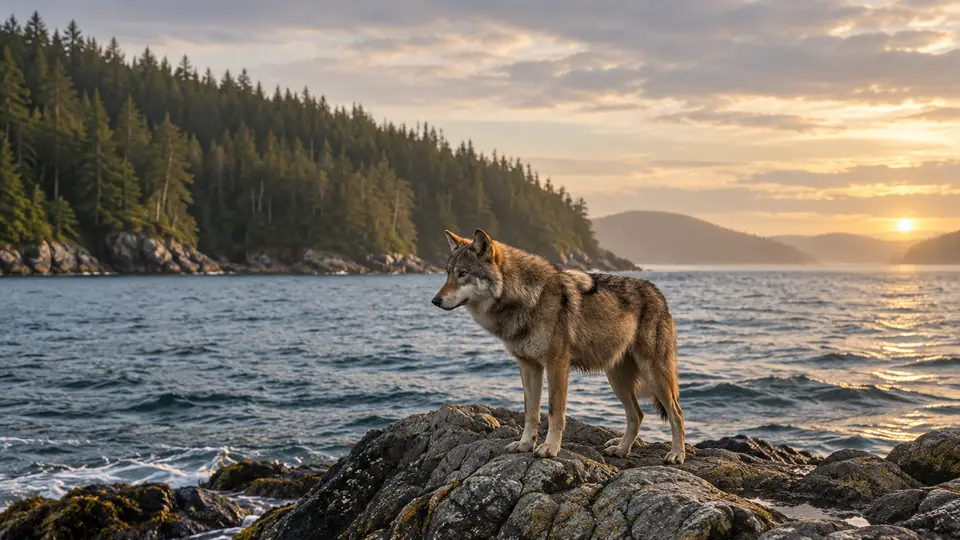
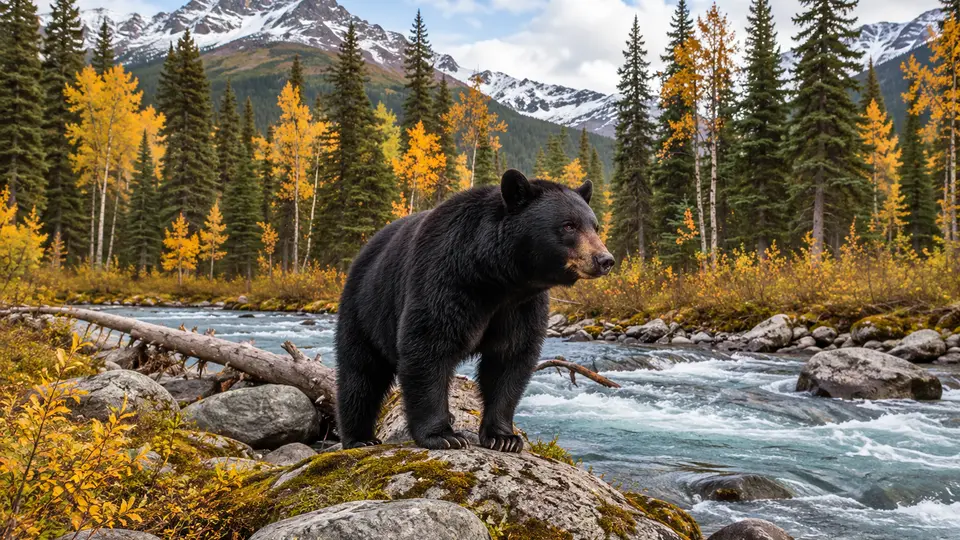
Steller Sea LionAI-modifiedSteller Sea LionAlexander Archipelago WolfAI-modifiedAlexander Archipelago WolfAmerican Black BearAI-modifiedAmerican Black Bear
Animal groupMammalsAnimal groupMammalsAnimal groupMammals
DestinationsAlaskaDestinationsAlaskaDestinationsAlaska, New England
Scientific nameEumetopias jubatusScientific nameScientific name
All wildlife destinations
AI-modified
Plan your trip

Find your next wildlife adventure

Compare destinations, shore programs and dates with the animals and habitats you would love to see.

  • Naturalist-led shore excursions
  • Responsible wildlife watching
  • Small expedition ships