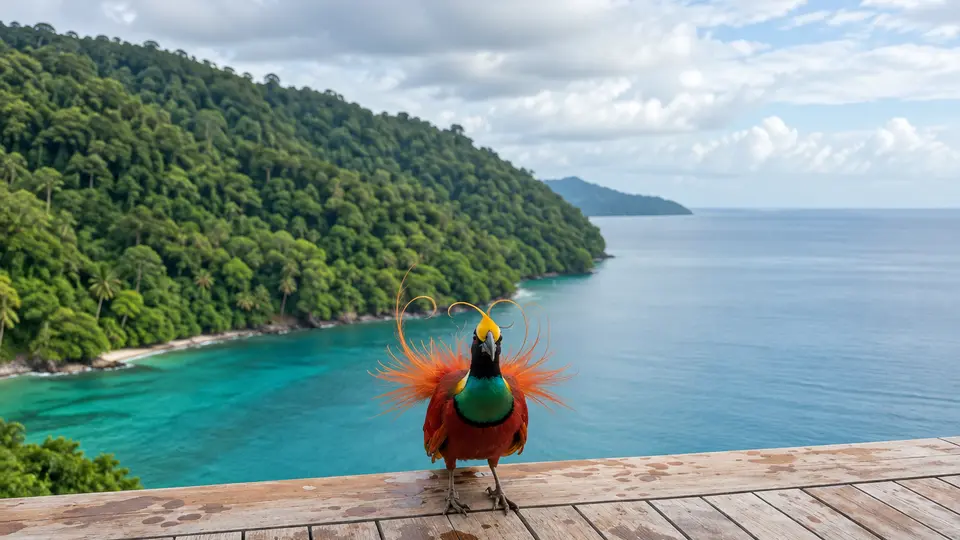
Raggiana bird-of-paradise in its natural habitatAI-modified

Raggiana bird-of-paradiseParadisaea raggianaWhere and when to see them

Raggiana bird-of-paradise at a glance

The Raggiana bird-of-paradise is native to Papua New Guinea, not Indonesia, despite sometimes appearing in broadly labeled regional wildlife lists. Males have a yellow head, green throat and spectacular flank plumes ranging from orange to deep red. Females are much plainer and lack the elaborate display feathers. This forest bird is an important cultural emblem of Papua New Guinea, where its silhouette appears on the national flag and its plumes have traditional significance.

Behaviour & reproduction

Size
About 34 cm (13.4 in) body length, excluding ornamental plumes
Weight
140–200 g (4.9–7.1 oz)
Lifespan
Not reliably established
Status
Least Concern

Males gather at communal display sites in forest trees, where calls advertise their presence and elaborate postures show off the flank plumes. They compete for female attention rather than forming enduring pair bonds. Females build nests and care for offspring without male assistance. Away from display sites, birds move through the canopy searching for fruit and animal food. Display activity varies with locality, conditions and time of day, often favoring the early morning. Courtship displays, known as leks, involve a series of complex perching, bowing, and feather-raising movements by males, accompanied by specific vocalizations. Females visit multiple lek sites to assess males before selecting a mate, indicating a strong selective pressure for elaborate displays.

Top wildlife locations

Indonesia wildlife habitatAI-modified

Indonesia

No Indonesian shore-viewing habitat can be recommended for this species: its natural range is in Papua New Guinea. Indonesian forest excursions may find other birds-of-paradise, but not a normal wild Raggiana population.
Destinations describe the species' habitat, not guaranteed cruise stops. Some animals require an optional inland excursion or are found in restricted reserves.

Fun facts about the Raggiana bird-of-paradise

  • It is Papua New Guinea's national bird.
  • Males display communally at sites known as leks.
  • Females alone build the nest and rear the young.
  • Male plume color varies geographically from orange to deeper red.

Best time to see the Raggiana bird-of-paradise

Viewing must be planned within Papua New Guinea, where display timing and access vary locally. There is no valid Indonesian viewing season for wild Raggiana birds-of-paradise. A regional dry-season travel recommendation cannot substitute for confirming the species' actual geographic range. Despite their absence in Indonesia, in their native range, the breeding season, which typically includes the most intense display activity, often peaks during the dry season (roughly May to November). This timing can influence the best periods for observation where they do occur.

Raggiana bird-of-paradise: season matrix by destination

Travel and observation windows vary by region. Highlighted months are an orientation for planning, not confirmed sightings or a guarantee of access.

Indonesia

Unsupported destination pairing: the species is not native to Indonesia, so no credible wild observation window is provided.

JanFebMarAprMayJunJulAugSepOctNovDec
Cruise ships in Indonesia

Where the Raggiana bird-of-paradise lives

The species inhabits lowland and hill forests in eastern and southern Papua New Guinea, including some secondary forest and forest edges. Canopy trees provide feeding and display sites. Its natural range does not extend into the Indonesian portion of New Guinea. While primarily a forest dweller, Raggiana birds-of-paradise can also be found in disturbed habitats, including gardens and plantations bordering their native forest. Their adaptability to some modified landscapes offers opportunities for conservation initiatives outside of pristine wilderness.

What the Raggiana bird-of-paradise eats

Fruit makes up a substantial part of the diet, supplemented by insects and other small animal prey. Birds swallow many fruits whole and disperse seeds as they move through forest. Food availability influences movements between feeding trees and display areas. In addition to whole fruits, these birds also consume fruit pulp, dropping the larger seeds. The precise ratio of fruit to insect consumption can vary seasonally and regionally, depending on availability.

Species at a glance

Common name
Raggiana bird-of-paradise
Scientific name
Paradisaea raggiana
Animal group
Birds
Size
About 34 cm (13.4 in) body length, excluding ornamental plumes
Weight
140–200 g (4.9–7.1 oz)
Lifespan
Not reliably established
Status
Least Concern
Identification
Males combine a yellow head, green throat and orange-red flank plumes, unlike the predominantly yellow flank ornaments of male lesser and greater birds-of-paradise. Females and juvenile males are less conspicuously colored, predominantly reddish-brown with a darker head, and lack the elaborate flank plumes of adult males. The males' two elongated central tail wires, which lack spatulate tips, are a key feature distinguishing them from other Paradisaea species.

Raggiana bird-of-paradise: frequently asked questions

Where can I see the Raggiana bird-of-paradise?
Indonesia. At authorized forest viewpoints within its native range, remain quiet and avoid flash, playback or approaching display trees. Viewing generally requires an inland guided excursion, not routine coastal or deck observation. When viewing in its native range, guides often use blinds or hides positioned near known display trees to minimize disturbance to the birds. Early morning light often provides the best conditions for observing and photographing their vibrant plumage.
When is the best time to see the Raggiana bird-of-paradise?
Viewing must be planned within Papua New Guinea, where display timing and access vary locally. There is no valid Indonesian viewing season for wild Raggiana birds-of-paradise. A regional dry-season travel recommendation cannot substitute for confirming the species' actual geographic range. Despite their absence in Indonesia, in their native range, the breeding season, which typically includes the most intense display activity, often peaks during the dry season (roughly May to November). This timing can influence the best periods for observation where they do occur.
How big does the Raggiana bird-of-paradise get?
About 34 cm (13.4 in) body length, excluding ornamental plumes. Adult weight: 140–200 g (4.9–7.1 oz). Size varies with age, sex and population.
How should I behave around the Raggiana bird-of-paradise?
At authorized forest viewpoints within its native range, remain quiet and avoid flash, playback or approaching display trees. Viewing generally requires an inland guided excursion, not routine coastal or deck observation. When viewing in its native range, guides often use blinds or hides positioned near known display trees to minimize disturbance to the birds. Early morning light often provides the best conditions for observing and photographing their vibrant plumage.
What does the Raggiana bird-of-paradise eat?
Fruit makes up a substantial part of the diet, supplemented by insects and other small animal prey. Birds swallow many fruits whole and disperse seeds as they move through forest. Food availability influences movements between feeding trees and display areas. In addition to whole fruits, these birds also consume fruit pulp, dropping the larger seeds. The precise ratio of fruit to insect consumption can vary seasonally and regionally, depending on availability.
Are wildlife sightings guaranteed on an adventure cruise?
No. Animals move freely and routes, weather, access restrictions and local conditions influence every outing. Confirm the actual itinerary and shore program before booking.

Compare wildlife in the same destinations

Explore other birds recorded in these destinations. Similar surroundings do not mean the animals share the same habits or viewing season.

Species comparison by animal group and destination
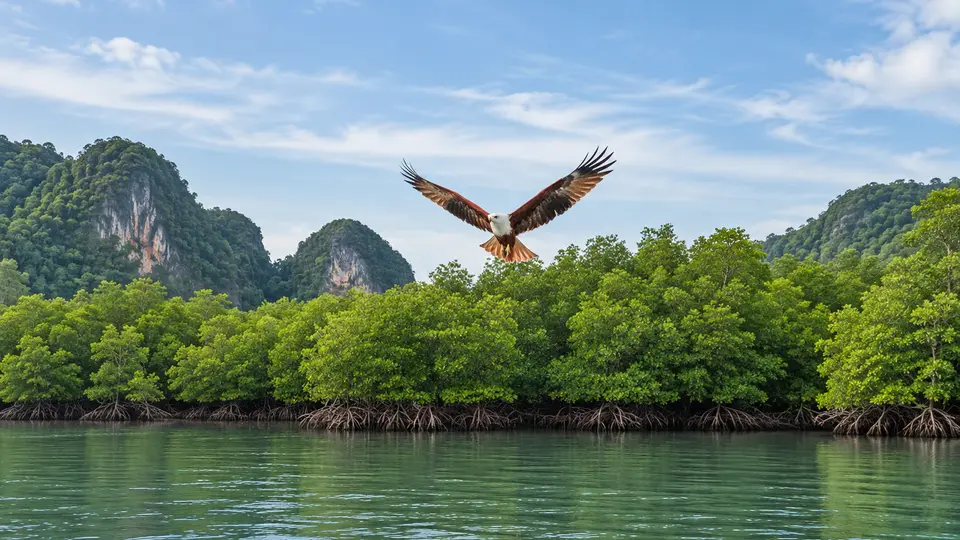
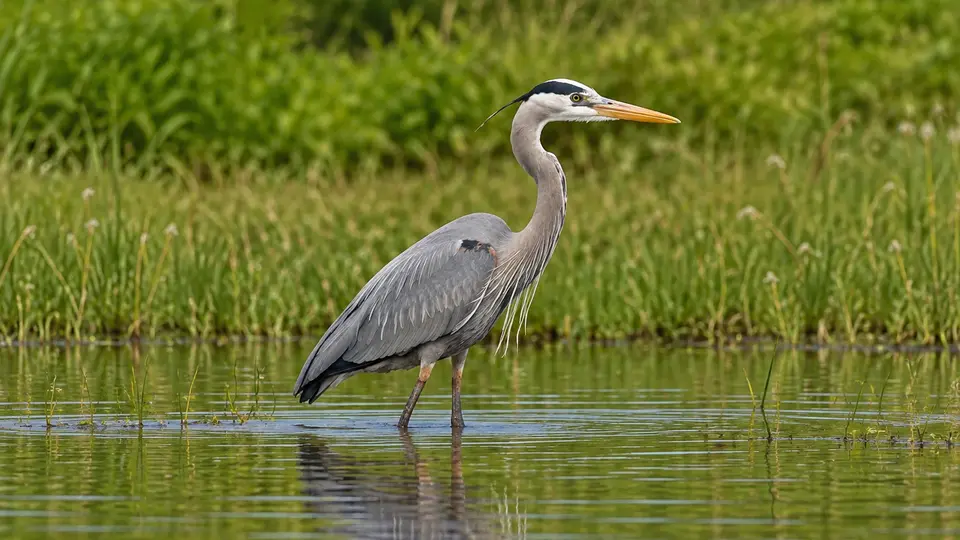
Raggiana bird-of-paradiseAI-modifiedRaggiana bird-of-paradiseBrahminy kiteAI-modifiedBrahminy kiteGreat-billed heronAI-modifiedGreat-billed heron
Animal groupBirdsAnimal groupBirdsAnimal groupBirds
DestinationsIndonesiaDestinationsIndonesia, Thailand, VietnamDestinationsIndonesia, Thailand
Scientific nameParadisaea raggianaScientific nameScientific name
All wildlife destinations
AI-modified
Plan your trip

Find your next wildlife adventure

Compare destinations, shore programs and dates with the animals and habitats you would love to see.

  • Naturalist-led shore excursions
  • Responsible wildlife watching
  • Small expedition ships