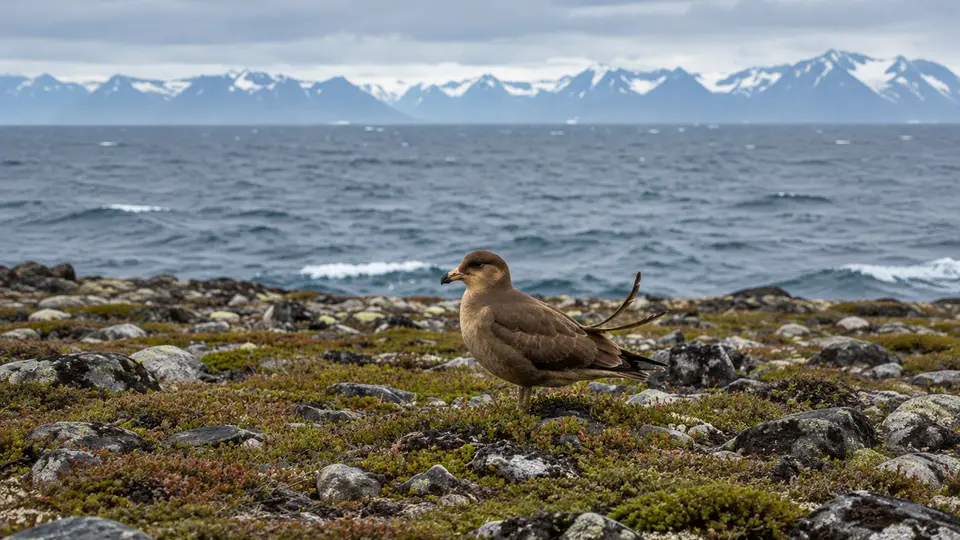
Pomarine Jaeger in its natural habitatAI-modified

Pomarine JaegerStercorarius pomarinusWhere and when to see them

Pomarine Jaeger at a glance

The pomarine skua, also called the pomarine jaeger, is a powerful seabird that breeds on Arctic tundra and spends much of the remaining year at sea. Breeding adults develop distinctive twisted central tail feathers, giving their tails a spoon-ended appearance. Both pale and dark plumage forms occur. Its nesting distribution shifts with food availability, particularly the abundance of lemmings, making it an unpredictable presence even within apparently suitable Arctic landscapes.

Behaviour & reproduction

Size
46–51 cm (18–20 in) body length
Weight
550–900 g (19–32 oz)
Lifespan
Not reliably established
Status
Least Concern

During the breeding season, pairs defend substantial tundra territories and may vigorously challenge approaching predators. Successful nesting is closely linked to lemming abundance, and many birds do not breed when rodents are scarce. Away from nesting grounds, pomarine skuas range widely over the ocean. They pursue other seabirds to steal food, but also catch prey themselves and scavenge. Migration can bring scattered birds within distant view of headlands or vessel decks. Outside of breeding, pomarine skuas are largely solitary or observed in loose aggregations where food is abundant, such as around fishing vessels. Their long migrations cover vast distances, demonstrating remarkable endurance as they traverse entire ocean basins between their Arctic breeding grounds and Southern Hemisphere wintering areas.

Top wildlife locations

Arctic wildlife habitatAI-modified

Arctic

Open coastal tundra and distant waters off Arctic headlands offer plausible viewing habitat. Breeding areas are often remote or inaccessible, and birds may be absent where local lemming numbers are low.
Destinations describe the species' habitat, not guaranteed cruise stops. Some animals require an optional inland excursion or are found in restricted reserves.

Fun facts about the Pomarine Jaeger

  • The central tail feathers of breeding adults are twisted near their tips.
  • Pale and dark adults belong to the same species.
  • Breeding numbers can change dramatically in response to lemming populations.
  • The name jaeger derives from a German word meaning hunter.

Best time to see the Pomarine Jaeger

June through August offers the main opportunity to observe breeding birds in accessible Arctic tundra. Local abundance can change sharply between years with lemming cycles. Passage viewing depends on the region, weather and migration timing rather than a single Arctic-wide calendar. Prime viewing for migrating birds in more temperate regions typically occurs during spring and autumn passages, often coinciding with strong winds or storm events that bring them closer to shore. Offshore cruises in the Pacific and Atlantic during non-breeding months also offer opportunities to spot them far from land.

Pomarine Jaeger: season matrix by destination

Travel and observation windows vary by region. Highlighted months are an orientation for planning, not confirmed sightings or a guarantee of access.

Arctic

These months represent the principal Arctic access and breeding-season window; local conditions and rodent cycles determine whether birds are present.

JanFebMarAprMayJunJulAugSepOctNovDec
Cruise ships in Arctic

Where the Pomarine Jaeger lives

Breeding habitat consists mainly of low, open Arctic tundra with wet depressions, grassy expanses and abundant small mammals. Outside the breeding season, it occupies marine waters across a broad range of latitudes, sometimes approaching productive coastal fronts and headlands. Though breeding primarily in the high Arctic, they winter extensively in subtropical and tropical oceanic waters, including off the coasts of South America, Africa, and Australia. Their pelagic lifestyle means they are rarely seen close to land outside the breeding season, preferring open ocean environments.

What the Pomarine Jaeger eats

Lemmings dominate the diet in many breeding areas, supplemented by birds, eggs and other available animal food. At sea, pomarine skuas eat fish, carrion and marine invertebrates, obtaining meals through direct hunting, scavenging and stealing catches from other seabirds. Kleptoparasitism, where they harass other seabirds like terns and gulls until they drop their catch, is a significant feeding strategy at sea. This behavior, alongside opportunistic scavenging, allows them to exploit a wide range of food sources across their vast marine range.

Species at a glance

Common name
Pomarine Jaeger
Scientific name
Stercorarius pomarinus
Animal group
Birds
Size
46–51 cm (18–20 in) body length
Weight
550–900 g (19–32 oz)
Lifespan
Not reliably established
Status
Least Concern
Identification
Breeding adults differ from Arctic and long-tailed skuas through their heavier build and broad, twisted central tail feathers rather than slender pointed streamers. Juveniles are particularly difficult to identify, presenting a wide range of plumage variations from pale to dark morphs, often showing barring on underparts. Their flight is strong and purposeful, with powerful wingbeats and occasional glides, differing from the more erratic flight of smaller skuas.

Pomarine Jaeger: frequently asked questions

Where can I see the Pomarine Jaeger?
Arctic. Scan tundra from established routes or watch distant birds from shore and decks. Retreat if adults alarm-call or repeatedly approach, since nests are inconspicuous and defensive birds may strike intruders. From vessel decks, look for their characteristic buoyant flight, often low over the waves, or watch for them pursuing other seabirds. Binoculars are essential for distant sightings to confirm identification and observe their feeding antics.
When is the best time to see the Pomarine Jaeger?
June through August offers the main opportunity to observe breeding birds in accessible Arctic tundra. Local abundance can change sharply between years with lemming cycles. Passage viewing depends on the region, weather and migration timing rather than a single Arctic-wide calendar. Prime viewing for migrating birds in more temperate regions typically occurs during spring and autumn passages, often coinciding with strong winds or storm events that bring them closer to shore. Offshore cruises in the Pacific and Atlantic during non-breeding months also offer opportunities to spot them far from land.
How big does the Pomarine Jaeger get?
46–51 cm (18–20 in) body length. Adult weight: 550–900 g (19–32 oz). Size varies with age, sex and population.
How should I behave around the Pomarine Jaeger?
Scan tundra from established routes or watch distant birds from shore and decks. Retreat if adults alarm-call or repeatedly approach, since nests are inconspicuous and defensive birds may strike intruders. From vessel decks, look for their characteristic buoyant flight, often low over the waves, or watch for them pursuing other seabirds. Binoculars are essential for distant sightings to confirm identification and observe their feeding antics.
What does the Pomarine Jaeger eat?
Lemmings dominate the diet in many breeding areas, supplemented by birds, eggs and other available animal food. At sea, pomarine skuas eat fish, carrion and marine invertebrates, obtaining meals through direct hunting, scavenging and stealing catches from other seabirds. Kleptoparasitism, where they harass other seabirds like terns and gulls until they drop their catch, is a significant feeding strategy at sea. This behavior, alongside opportunistic scavenging, allows them to exploit a wide range of food sources across their vast marine range.
Are wildlife sightings guaranteed on an adventure cruise?
No. Animals move freely and routes, weather, access restrictions and local conditions influence every outing. Confirm the actual itinerary and shore program before booking.

Compare wildlife in the same destinations

Explore other birds recorded in these destinations. Similar surroundings do not mean the animals share the same habits or viewing season.

Species comparison by animal group and destination
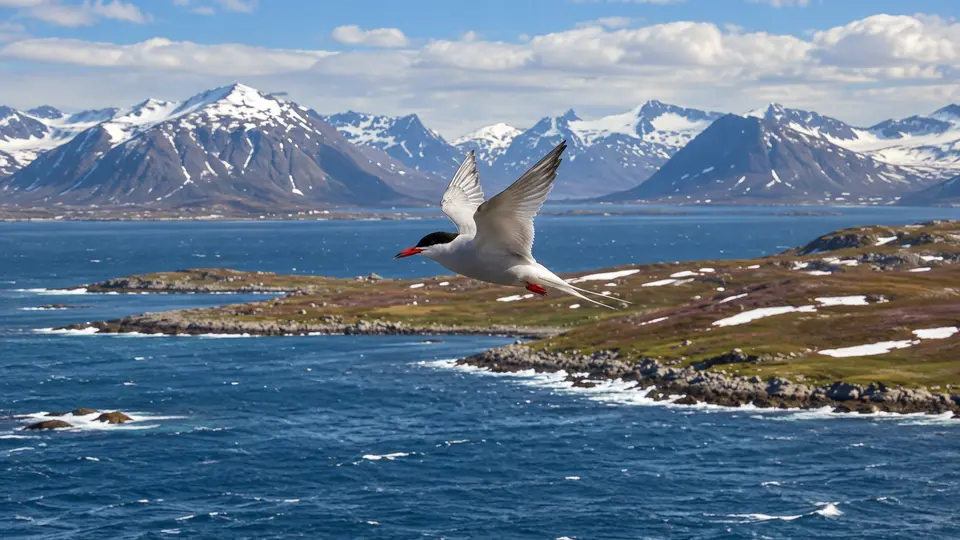
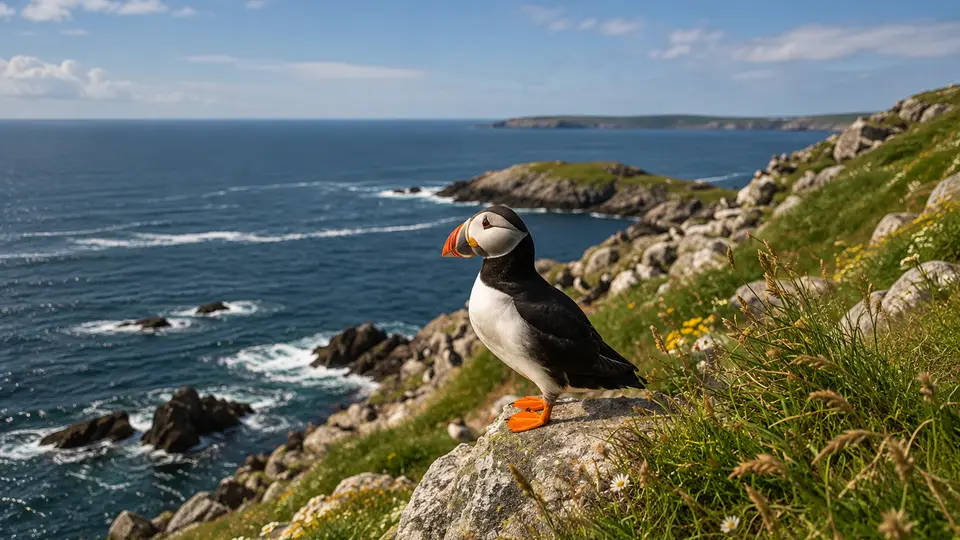
Pomarine JaegerAI-modifiedPomarine JaegerArctic TernAI-modifiedArctic TernAtlantic PuffinAI-modifiedAtlantic Puffin
Animal groupBirdsAnimal groupBirdsAnimal groupBirds
DestinationsArcticDestinationsAlaska, Norway, ArcticDestinationsNew England, Norway, Scotland, Arctic
Scientific nameStercorarius pomarinusScientific nameScientific name
All wildlife destinations
AI-modified
Plan your trip

Find your next wildlife adventure

Compare destinations, shore programs and dates with the animals and habitats you would love to see.

  • Naturalist-led shore excursions
  • Responsible wildlife watching
  • Small expedition ships