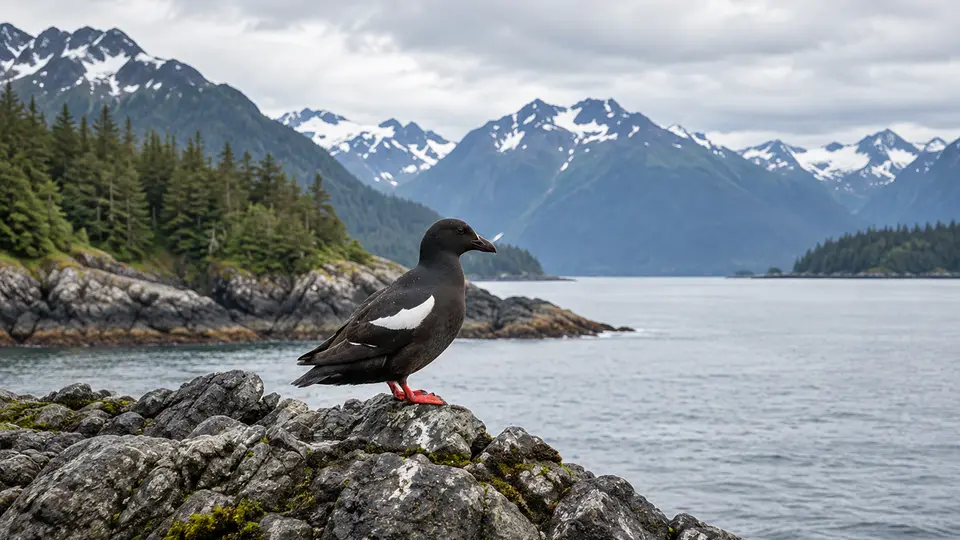
Pigeon Guillemot in its natural habitatAI-modified

Pigeon GuillemotCepphus columbaWhere and when to see them

Pigeon Guillemot at a glance

The pigeon guillemot is a North Pacific auk that stays closely associated with rocky coastal waters. Breeding adults are velvety dark brown-black with large white wing patches and brilliant red feet. Unlike many auks that nest in enormous, densely packed colonies, it often breeds in scattered pairs or small groups. In Alaska, sheltered bays and coastal cliffs can provide opportunities to watch birds resting, calling or carrying food toward concealed nests.

Behaviour & reproduction

Size
30–35 cm (11.8–13.8 in) body length
Weight
400–550 g (14.1–19.4 oz)
Lifespan
Not reliably established
Status
Least Concern

These guillemots forage close to shore and propel themselves through the water with their wings. On the surface they sit low, frequently revealing red feet during turns or brief displays. Pairs use whistles and body postures during courtship. Nests are hidden in crevices, among boulders or beneath structures. Adults commonly carry individual fish crosswise in the bill when returning to chicks, making feeding trips particularly recognizable from a distant viewpoint. Pairs maintain fidelity to nest sites over multiple breeding seasons. They typically lay one to two eggs in their secluded nest crevices, which are incubated by both parents.

Top wildlife locations

Alaska wildlife habitatAI-modified

Alaska

Public coastal trails, sheltered harbor viewpoints and distant deck views near rocky shores offer plausible observation. Many nesting islands and cliff crevices are inaccessible and should never be approached to obtain closer photographs.
Destinations describe the species' habitat, not guaranteed cruise stops. Some animals require an optional inland excursion or are found in restricted reserves.

Fun facts about the Pigeon Guillemot

  • Its feet and the lining of its mouth are vivid red.
  • It usually lays two eggs, unlike many other auk species.
  • Winter plumage is much paler than its dark breeding plumage.
  • Adults often deliver a single fish at a time to their chicks.

Best time to see the Pigeon Guillemot

Late spring and summer are usually the most practical periods for Alaskan shore observation, with long daylight and birds attending coastal breeding sites. Some remain in Alaskan waters outside summer, but distribution, weather and access become less predictable for visiting observers. In Alaska, breeding activity, including courtship and chick rearing, peaks from June to August. Early summer offers the best chance to observe adults bringing food to their nestlings.

Pigeon Guillemot: season matrix by destination

Travel and observation windows vary by region. Highlighted months are an orientation for planning, not confirmed sightings or a guarantee of access.

Alaska

These months combine coastal breeding attendance with practical travel and daylight; local arrival, nesting and departure dates vary.

JanFebMarAprMayJunJulAugSepOctNovDec
Cruise ships in Alaska

Where the Pigeon Guillemot lives

Rocky shorelines, islands, sea cliffs and sheltered coastal waters form the core habitat. Crevices above the reach of ordinary waves provide nest sites, including some human-made structures. Outside breeding, birds remain marine but may disperse to different coastal feeding areas. They are often found near kelp forests, which offer rich feeding grounds and shelter. Pigeon guillemots are less migratory than many other seabirds, often staying near their breeding grounds year-round if food is available.

What the Pigeon Guillemot eats

The diet consists chiefly of small bottom-associated fish, with crustaceans and other marine invertebrates also taken. Adults search near the seabed in coastal waters. Chicks receive whole prey items, and the fish delivered can vary considerably between colonies and over a season. Prey items are typically captured through pursuit diving, with birds often diving to depths of 10-30 meters. Important fish species in their diet include sandlance, blennies, and sculpins.

Species at a glance

Common name
Pigeon Guillemot
Scientific name
Cepphus columba
Animal group
Birds
Size
30–35 cm (11.8–13.8 in) body length
Weight
400–550 g (14.1–19.4 oz)
Lifespan
Not reliably established
Status
Least Concern
Identification
In breeding plumage, the white wing patch divided by a dark bar helps distinguish it from the similar black guillemot, alongside their differing geographic ranges. The white wing patch is absent in non-breeding plumage, making identification more challenging during winter months. Their breeding range in Alaska extends from the Aleutian Islands eastward to Southeast Alaska.

Pigeon Guillemot: frequently asked questions

Where can I see the Pigeon Guillemot?
Alaska. Watch rocky bays from secure trails or a vessel's deck. Avoid approaching occupied crevices or blocking food-carrying adults, and remain well back from slippery cliff edges and wave-washed rocks. Their bright red feet are particularly noticeable when they are resting on rocks or taking off from the water. Look for them perching singly or in small groups on rock ledges and floating on the water near shore.
When is the best time to see the Pigeon Guillemot?
Late spring and summer are usually the most practical periods for Alaskan shore observation, with long daylight and birds attending coastal breeding sites. Some remain in Alaskan waters outside summer, but distribution, weather and access become less predictable for visiting observers. In Alaska, breeding activity, including courtship and chick rearing, peaks from June to August. Early summer offers the best chance to observe adults bringing food to their nestlings.
How big does the Pigeon Guillemot get?
30–35 cm (11.8–13.8 in) body length. Adult weight: 400–550 g (14.1–19.4 oz). Size varies with age, sex and population.
How should I behave around the Pigeon Guillemot?
Watch rocky bays from secure trails or a vessel's deck. Avoid approaching occupied crevices or blocking food-carrying adults, and remain well back from slippery cliff edges and wave-washed rocks. Their bright red feet are particularly noticeable when they are resting on rocks or taking off from the water. Look for them perching singly or in small groups on rock ledges and floating on the water near shore.
What does the Pigeon Guillemot eat?
The diet consists chiefly of small bottom-associated fish, with crustaceans and other marine invertebrates also taken. Adults search near the seabed in coastal waters. Chicks receive whole prey items, and the fish delivered can vary considerably between colonies and over a season. Prey items are typically captured through pursuit diving, with birds often diving to depths of 10-30 meters. Important fish species in their diet include sandlance, blennies, and sculpins.
Are wildlife sightings guaranteed on an adventure cruise?
No. Animals move freely and routes, weather, access restrictions and local conditions influence every outing. Confirm the actual itinerary and shore program before booking.

Compare wildlife in the same destinations

Explore other birds recorded in these destinations. Similar surroundings do not mean the animals share the same habits or viewing season.

Species comparison by animal group and destination
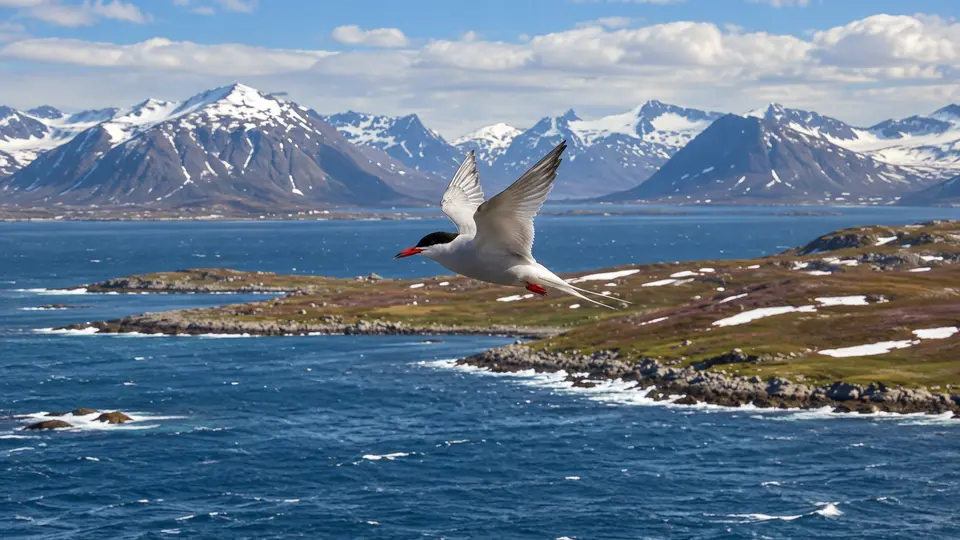
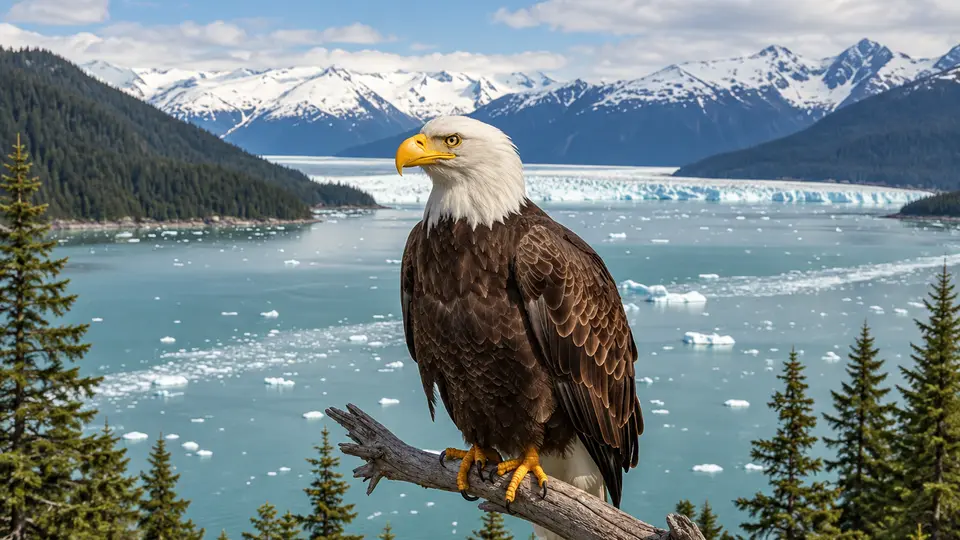
Pigeon GuillemotAI-modifiedPigeon GuillemotArctic TernAI-modifiedArctic TernBald EagleAI-modifiedBald Eagle
Animal groupBirdsAnimal groupBirdsAnimal groupBirds
DestinationsAlaskaDestinationsAlaska, Norway, ArcticDestinationsAlaska, Florida, New England
Scientific nameCepphus columbaScientific nameScientific name
All wildlife destinations
AI-modified
Plan your trip

Find your next wildlife adventure

Compare destinations, shore programs and dates with the animals and habitats you would love to see.

  • Naturalist-led shore excursions
  • Responsible wildlife watching
  • Small expedition ships