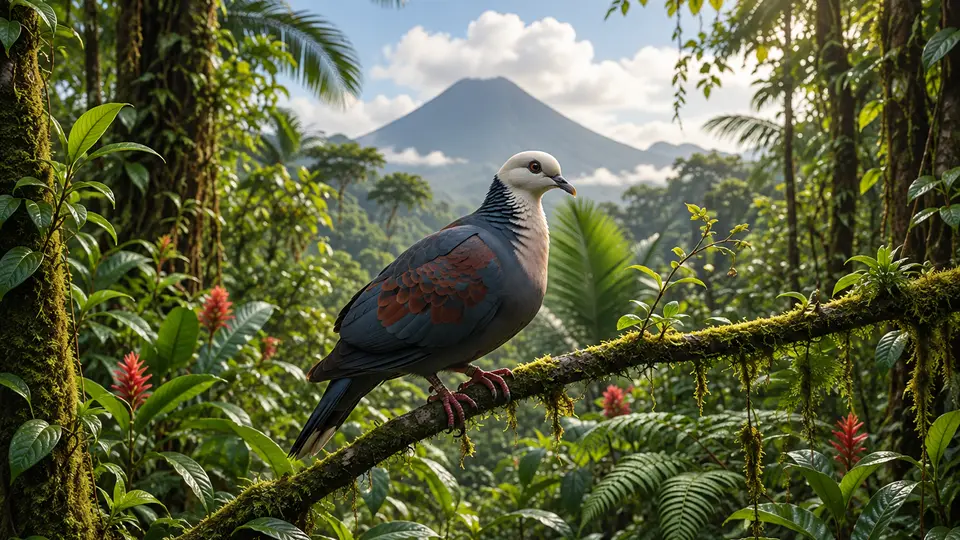
Nuku Hiva imperial pigeon in its natural habitatAI-modified

Nuku Hiva imperial pigeonDucula galeataWhere and when to see them

Nuku Hiva imperial pigeon at a glance

The Nuku Hiva imperial pigeon, also called the Marquesan imperial pigeon, is a large, threatened fruit-eating bird of the Marquesas Islands. Once more widespread in the archipelago, its surviving natural population became restricted to Nuku Hiva. Conservation translocations established an additional population on Ua Huka. Its survival matters beyond the species itself: by swallowing fruit and moving between trees, this pigeon helps disperse seeds through island forests.

Behaviour & reproduction

Size
50-55 cm (19.7-21.7 in) long
Weight
Not reliably established
Lifespan
Not reliably established
Status
Endangered

These pigeons spend much of their time in trees, feeding quietly or resting beneath the canopy. They may occur alone, in pairs or in small gatherings around fruiting trees. Their deep calls can reveal birds that are otherwise difficult to locate in dense foliage. Flights between feeding areas are powerful, but prolonged observation usually depends on patiently scanning canopy gaps rather than expecting birds to appear at ground level. While typically observed singly or in small groups, larger aggregations can form at particularly abundant fruiting trees. These birds are generally arboreal, spending almost all their time high in the forest canopy, making ground sightings exceptionally rare. Their powerful flight allows them to traverse between widely spaced food sources across challenging terrain with ease.

Top wildlife locations

Polynesia wildlife habitatAI-modified

Polynesia

Nuku Hiva and conservation-established Ua Huka populations occupy wooded valleys and slopes. Inland guided excursions are generally required; the bird is rare, and ordinary waterfront or beach observation is not a realistic expectation.
Destinations describe the species' habitat, not guaranteed cruise stops. Some animals require an optional inland excursion or are found in restricted reserves.

Fun facts about the Nuku Hiva imperial pigeon

  • Its alternative English name is Marquesan imperial pigeon.
  • A conservation translocation created a second population on Ua Huka.
  • It is among the largest living fruit-eating pigeons.
  • Its seed dispersal can help maintain the forests on which it depends.

Best time to see the Nuku Hiva imperial pigeon

There is no well-supported short season that reliably improves sightings. Locally suitable walking conditions and current knowledge of fruiting trees matter more than a fixed calendar. Rain, trail condition and conservation access should be checked before arranging any forest excursion. While there isn't a strict 'best' season, the period following the main rainy season might see a greater flush of fruiting trees, potentially increasing activity. Local guides are best equipped to advise on current conditions and recent sightings, which can vary significantly even within a short timeframe. Visiting during dryer periods can also improve trail conditions, making forest access safer and more practical for visitors.

Nuku Hiva imperial pigeon: season matrix by destination

Travel and observation windows vary by region. Highlighted months are an orientation for planning, not confirmed sightings or a guarantee of access.

Polynesia

A defensible island-wide seasonal viewing window is not established; arrange access using current local conservation advice and trail conditions.

JanFebMarAprMayJunJulAugSepOctNovDec
Cruise ships in Polynesia

Where the Nuku Hiva imperial pigeon lives

The species uses wooded valleys, forested slopes and other tree-covered habitats with adequate fruit. Native forest is particularly important, although birds can use some modified woodland. Steep terrain and patchy distribution make much occupied habitat difficult to survey or reach. This critically endangered species is endemic to the island of Nuku Hiva in the Marquesas Archipelago. Its preferred habitat often includes mature forest patches on steep slopes and in deep ravines, which offer protection and a consistent food supply. Human disturbance and invasive species are significant threats to these fragile forest ecosystems.

What the Nuku Hiva imperial pigeon eats

Fruit forms the core of its diet, including relatively large fruits swallowed whole. Seeds may later be deposited away from the parent tree. The availability and distribution of fruiting trees influence feeding movements, making forest diversity important to its continued survival. The Nuku Hiva imperial pigeon consumes a variety of fruits from native trees and shrubs, playing a vital role in seed dispersal within its ecosystem. Its diet may also include a small proportion of leaves or flowers, particularly when fruit is scarce. The availability of diverse fruiting trees throughout the year is crucial for supporting populations, especially during breeding periods.

Species at a glance

Common name
Nuku Hiva imperial pigeon
Scientific name
Ducula galeata
Animal group
Birds
Size
50-55 cm (19.7-21.7 in) long
Weight
Not reliably established
Lifespan
Not reliably established
Status
Endangered
Identification
Its very large size, pale head and underparts, dark wings and conspicuous swelling above the bill distinguish it from the much smaller Marquesan fruit dove. The Nuku Hiva imperial pigeon is the largest pigeon species in the Marquesas, reaching an impressive size that makes it stand out from other local avifauna. Its pale head often contrasts sharply with its darker body plumage, particularly in good light. The prominent fleshy knob or cere above its bill is a unique and defining feature, visible even at a distance.

Nuku Hiva imperial pigeon: frequently asked questions

Where can I see the Nuku Hiva imperial pigeon?
Polynesia. Search canopy from established trails with a knowledgeable guide. Keep clear of nests, avoid playback and respect conservation restrictions; steep, wet valley tracks require suitable footwear and cautious pacing. Listen for its distinctive deep, booming call, which can carry through the forest and help pinpoint its location even when obscured by foliage. Binoculars are essential for scanning the canopy for stationary birds or those moving subtly among branches. Maintain a respectful distance and avoid loud noises to minimize disturbance, as these birds can be quite shy.
When is the best time to see the Nuku Hiva imperial pigeon?
There is no well-supported short season that reliably improves sightings. Locally suitable walking conditions and current knowledge of fruiting trees matter more than a fixed calendar. Rain, trail condition and conservation access should be checked before arranging any forest excursion. While there isn't a strict 'best' season, the period following the main rainy season might see a greater flush of fruiting trees, potentially increasing activity. Local guides are best equipped to advise on current conditions and recent sightings, which can vary significantly even within a short timeframe. Visiting during dryer periods can also improve trail conditions, making forest access safer and more practical for visitors.
How big does the Nuku Hiva imperial pigeon get?
50-55 cm (19.7-21.7 in) long. Adult weight: Not reliably established. Size varies with age, sex and population.
How should I behave around the Nuku Hiva imperial pigeon?
Search canopy from established trails with a knowledgeable guide. Keep clear of nests, avoid playback and respect conservation restrictions; steep, wet valley tracks require suitable footwear and cautious pacing. Listen for its distinctive deep, booming call, which can carry through the forest and help pinpoint its location even when obscured by foliage. Binoculars are essential for scanning the canopy for stationary birds or those moving subtly among branches. Maintain a respectful distance and avoid loud noises to minimize disturbance, as these birds can be quite shy.
What does the Nuku Hiva imperial pigeon eat?
Fruit forms the core of its diet, including relatively large fruits swallowed whole. Seeds may later be deposited away from the parent tree. The availability and distribution of fruiting trees influence feeding movements, making forest diversity important to its continued survival. The Nuku Hiva imperial pigeon consumes a variety of fruits from native trees and shrubs, playing a vital role in seed dispersal within its ecosystem. Its diet may also include a small proportion of leaves or flowers, particularly when fruit is scarce. The availability of diverse fruiting trees throughout the year is crucial for supporting populations, especially during breeding periods.
Are wildlife sightings guaranteed on an adventure cruise?
No. Animals move freely and routes, weather, access restrictions and local conditions influence every outing. Confirm the actual itinerary and shore program before booking.

Compare wildlife in the same destinations

Explore other birds recorded in these destinations. Similar surroundings do not mean the animals share the same habits or viewing season.

Species comparison by animal group and destination
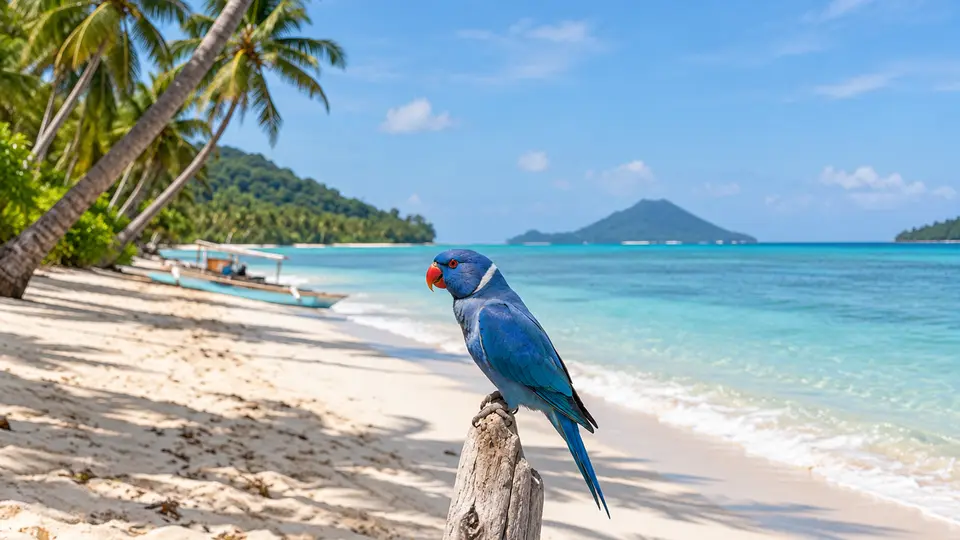
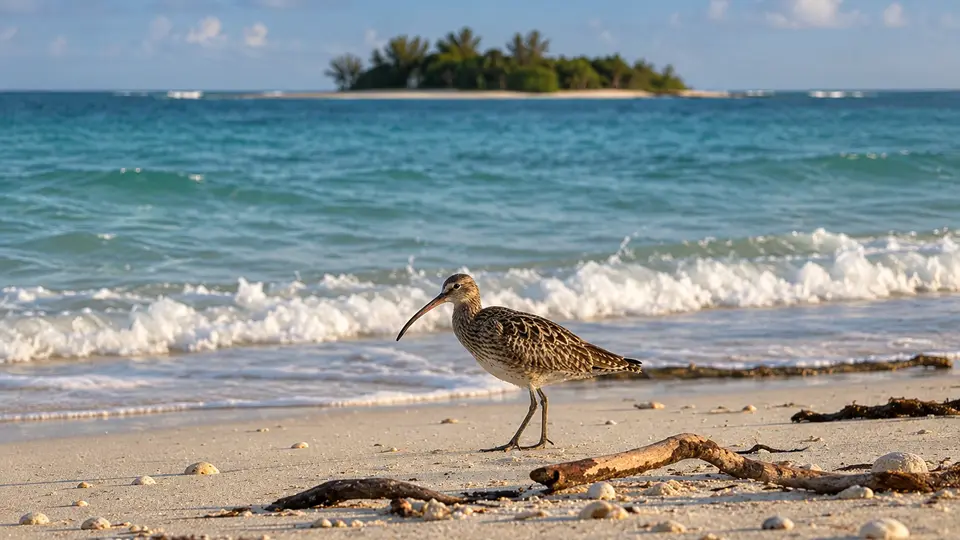
Nuku Hiva imperial pigeonAI-modifiedNuku Hiva imperial pigeonBlue lorikeetAI-modifiedBlue lorikeetBristle-thighed curlewAI-modifiedBristle-thighed curlew
Animal groupBirdsAnimal groupBirdsAnimal groupBirds
DestinationsPolynesiaDestinationsPolynesiaDestinationsPolynesia
Scientific nameDucula galeataScientific nameScientific name
All wildlife destinations
AI-modified
Plan your trip

Find your next wildlife adventure

Compare destinations, shore programs and dates with the animals and habitats you would love to see.

  • Naturalist-led shore excursions
  • Responsible wildlife watching
  • Small expedition ships