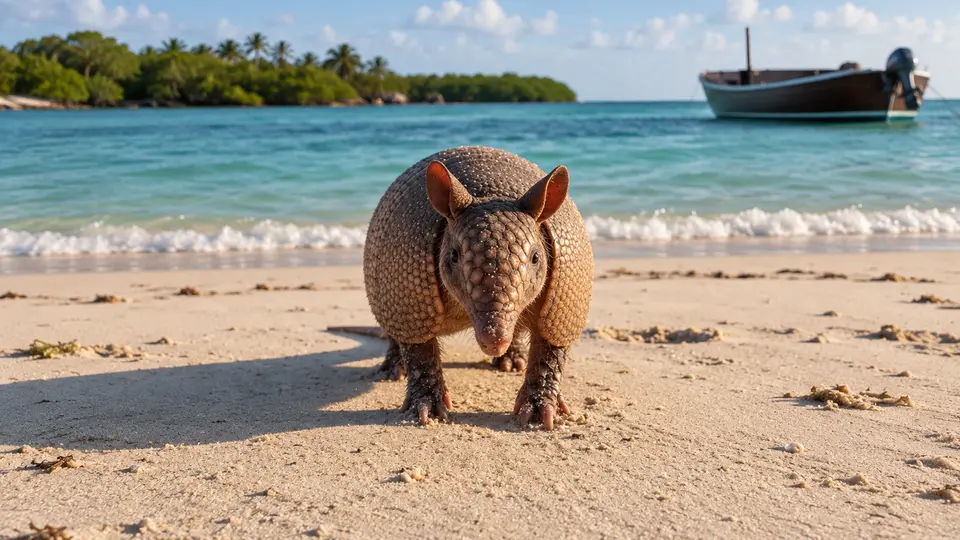
Nine-banded Armadillo in its natural habitatAI-modified

Nine-banded ArmadilloDasypus mexicanusWhere and when to see them

Nine-banded Armadillo at a glance

Florida's familiar armadillo has traditionally been called the nine-banded armadillo, Dasypus novemcinctus. Recent taxonomic work separates the northern population as Dasypus mexicanus, the Mexican long-nosed armadillo, which is the animal described here. Its protective shell consists of bony plates covered by tough skin, with flexible bands across the middle. This introduced Florida mammal is an industrious soil excavator, using powerful forefeet and a sensitive nose to uncover small animals beneath leaf litter.

Behaviour & reproduction

Size
60–80 cm (23.6–31.5 in) total length
Weight
3–6 kg (6.6–13.2 lb)
Lifespan
Not reliably established
Status
Check current assessment

Usually solitary, this armadillo spends much of its active time walking slowly with its nose close to the ground. It digs numerous shallow feeding pits and deeper burrows used for shelter. Activity shifts with temperature: warm conditions favor nighttime foraging, while cooler weather can bring animals out during daylight. Startled individuals may leap abruptly before fleeing. Despite its armor, it cannot roll into a complete ball, unlike the three-banded armadillos of South America. They typically dig multiple burrows within their home range, often reusing them or abandoning them for new ones. These burrows provide essential refuge from predators and temperature extremes, sometimes shared with other small animals like rabbits or snakes.

Top wildlife locations

Florida wildlife habitatAI-modified

Florida

Coastal hammocks, pine woodland and vegetated park margins offer plausible land-based viewing habitat. No inland excursion is necessarily required, but activity is often nocturnal; Florida animals are now assigned to Dasypus mexicanus.
Destinations describe the species' habitat, not guaranteed cruise stops. Some animals require an optional inland excursion or are found in restricted reserves.

Fun facts about the Nine-banded Armadillo

  • The Florida animal belongs to a northern lineage recently separated from Dasypus novemcinctus.
  • A single fertilized egg normally produces four genetically identical young.
  • Its armor contains bone formed within the skin rather than being an external insect-like skeleton.
  • A startled armadillo can jump vertically, a response that makes road encounters especially dangerous.

Best time to see the Nine-banded Armadillo

Florida observations are possible throughout the year, but cooler months can offer more daylight activity. In hot weather, animals are often active after dark. Temperature, recent rainfall and local disturbance matter more than a single statewide viewing season; reproduction does not define an easy observation window. In Florida, armadillos are less constrained by extreme cold than in more northern parts of their range, allowing for consistent activity levels. Early morning or late afternoon are often the best times to spot them, particularly during the shoulder seasons.

Nine-banded Armadillo: season matrix by destination

Travel and observation windows vary by region. Highlighted months are an orientation for planning, not confirmed sightings or a guarantee of access.

Florida

These cooler months can favor daytime activity and comfortable walking; they are not a breeding-season claim, and sightings remain unpredictable.

JanFebMarAprMayJunJulAugSepOctNovDec
Cruise ships in Florida

Where the Nine-banded Armadillo lives

In Florida, armadillos occupy pine flatwoods, hardwood hammocks, scrub edges, pastures and suburban green spaces. They favor diggable soils with access to cover and generally avoid permanently flooded ground. Coastal populations may use wooded areas behind dunes rather than exposed beaches. They are highly adaptable and have expanded their range northward in the United States over the last century, aided by their reproductive rate and ability to tolerate diverse environments. While primarily terrestrial, they are also capable swimmers and can cross small water bodies when necessary.

What the Nine-banded Armadillo eats

Most food consists of insects and other soil-dwelling invertebrates, including beetles, larvae, ants, termites and earthworms. Armadillos locate prey mainly by smell and excavate it with strong claws. Small vertebrates, eggs, carrion and plant material are occasional additions rather than dietary staples. Their keen sense of smell, sometimes described as 100 times better than a human's, allows them to detect prey up to 6 inches underground. While primarily insectivorous, they are opportunistic foragers and may occasionally consume fungi or small fruits.

Species at a glance

Common name
Nine-banded Armadillo
Scientific name
Dasypus mexicanus
Animal group
Mammals
Size
60–80 cm (23.6–31.5 in) total length
Weight
3–6 kg (6.6–13.2 lb)
Lifespan
Not reliably established
Status
Check current assessment
Identification
A pointed snout, large ears, armored tail and usually nine movable shell bands distinguish this animal from other Florida mammals, although separating Dasypus mexicanus from related long-nosed armadillos requires more than counting bands. The presence of hair on their underside and legs, contrasting with their bony plates, is another distinguishing feature. Their typical gait involves a slow, deliberate walk, pausing frequently to sniff the ground.

Nine-banded Armadillo: frequently asked questions

Where can I see the Nine-banded Armadillo?
Florida. Watch quietly from established paths beside woodland edges, leaving burrows undisturbed. Never corner or handle an armadillo: its claws can injure, and some carry the bacteria responsible for Hansen's disease. Keep pets away. When observing, note their characteristic rooting behavior, where they push their snout into the soil to uncover food. Although generally timid, a sudden, loud noise can make them jump surprisingly high.
When is the best time to see the Nine-banded Armadillo?
Florida observations are possible throughout the year, but cooler months can offer more daylight activity. In hot weather, animals are often active after dark. Temperature, recent rainfall and local disturbance matter more than a single statewide viewing season; reproduction does not define an easy observation window. In Florida, armadillos are less constrained by extreme cold than in more northern parts of their range, allowing for consistent activity levels. Early morning or late afternoon are often the best times to spot them, particularly during the shoulder seasons.
How big does the Nine-banded Armadillo get?
60–80 cm (23.6–31.5 in) total length. Adult weight: 3–6 kg (6.6–13.2 lb). Size varies with age, sex and population.
How should I behave around the Nine-banded Armadillo?
Watch quietly from established paths beside woodland edges, leaving burrows undisturbed. Never corner or handle an armadillo: its claws can injure, and some carry the bacteria responsible for Hansen's disease. Keep pets away. When observing, note their characteristic rooting behavior, where they push their snout into the soil to uncover food. Although generally timid, a sudden, loud noise can make them jump surprisingly high.
What does the Nine-banded Armadillo eat?
Most food consists of insects and other soil-dwelling invertebrates, including beetles, larvae, ants, termites and earthworms. Armadillos locate prey mainly by smell and excavate it with strong claws. Small vertebrates, eggs, carrion and plant material are occasional additions rather than dietary staples. Their keen sense of smell, sometimes described as 100 times better than a human's, allows them to detect prey up to 6 inches underground. While primarily insectivorous, they are opportunistic foragers and may occasionally consume fungi or small fruits.
Are wildlife sightings guaranteed on an adventure cruise?
No. Animals move freely and routes, weather, access restrictions and local conditions influence every outing. Confirm the actual itinerary and shore program before booking.

Compare wildlife in the same destinations

Explore other mammals recorded in these destinations. Similar surroundings do not mean the animals share the same habits or viewing season.

Species comparison by animal group and destination
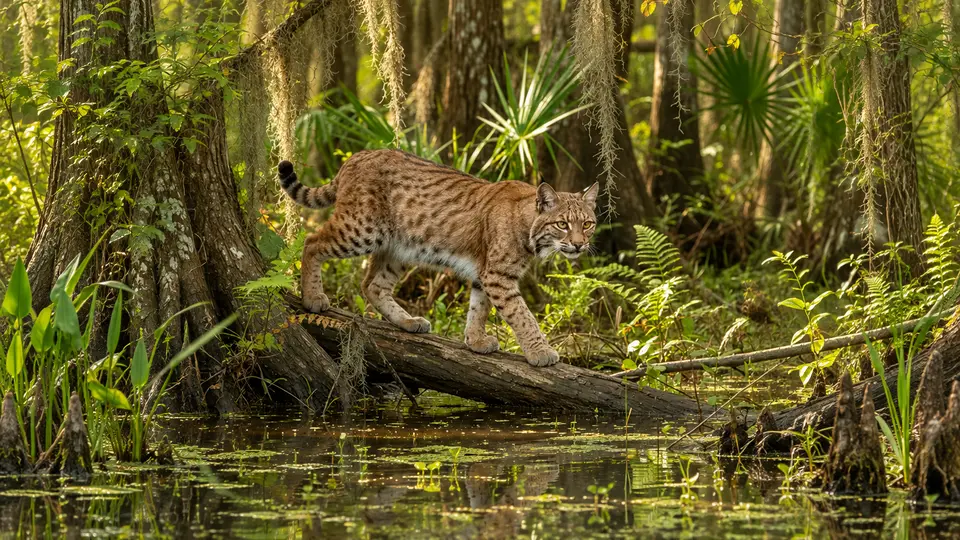
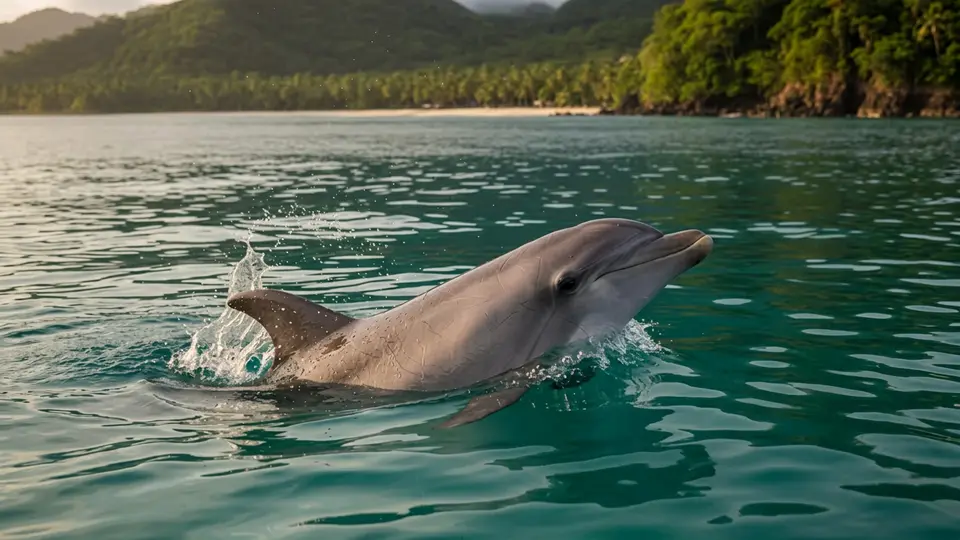
Nine-banded ArmadilloAI-modifiedNine-banded ArmadilloBobcatAI-modifiedBobcatCommon Bottlenose DolphinAI-modifiedCommon Bottlenose Dolphin
Animal groupMammalsAnimal groupMammalsAnimal groupMammals
DestinationsFloridaDestinationsFloridaDestinationsCosta Rica, Florida, Galapagos, Mexico, Cape Verde, Croatia, Greece, Portugal, Scotland, Seychelles, Turkey, Maldives, Australia, New Zealand
Scientific nameDasypus mexicanusScientific nameScientific name
All wildlife destinations
AI-modified
Plan your trip

Find your next wildlife adventure

Compare destinations, shore programs and dates with the animals and habitats you would love to see.

  • Naturalist-led shore excursions
  • Responsible wildlife watching
  • Small expedition ships