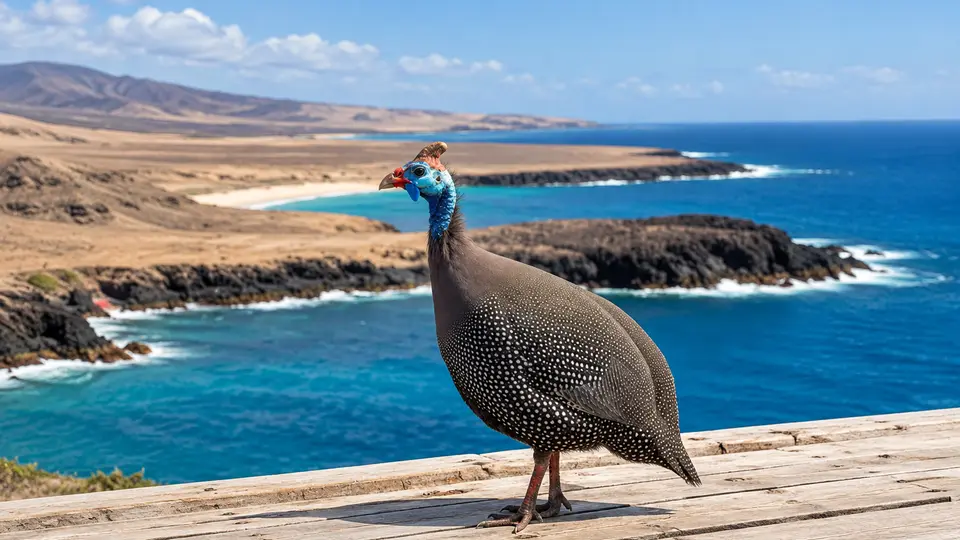
Helmeted Guineafowl in its natural habitatAI-modified

Helmeted GuineafowlNumida meleagrisWhere and when to see them

Helmeted Guineafowl at a glance

The helmeted guineafowl is a robust African ground bird with finely spotted plumage, a small bare head and a prominent bony casque. Introduced populations occur beyond its native mainland range, including Cape Verde. Its rounded body and small head give it a distinctive silhouette in open country. Birds encountered around settlements may be domestic, feral or free-ranging stock rather than members of a clearly separate wild population.

Behaviour & reproduction

Size
53-63 cm (21-25 in) long
Weight
1.1-1.6 kg (2.4-3.5 lb)
Lifespan
Not reliably established
Status
Least Concern

Guineafowl usually forage in cohesive groups, walking steadily while pecking and scratching through soil and litter. Alarmed birds often run before taking a noisy, relatively short flight. They commonly roost above ground in trees, reducing exposure to terrestrial predators. Social contact is maintained through loud, repetitive calls. During breeding, pairs become more apparent, and females conceal nests on the ground beneath grass or other vegetation. Flocks communicate frequently with harsh, chattering calls, especially when moving or disturbed. At night, they roost communally in trees, selecting high branches for safety from ground predators. During the breeding season, pairs may become more territorial and vocal, defending their chosen nesting areas.

Top wildlife locations

Cape Verde wildlife habitatAI-modified

Cape Verde

Look for suitable dry farmland and scrub near coastal settlements, usually requiring a short inland excursion. Introduced and domestic birds can be difficult to separate, and occurrence varies between islands.
Destinations describe the species' habitat, not guaranteed cruise stops. Some animals require an optional inland excursion or are found in restricted reserves.

Fun facts about the Helmeted Guineafowl

  • The helmet is a bony casque rather than a feather crest.
  • Most domestic guineafowl descend from this species.
  • Chicks are called keets.
  • Females produce a characteristic two-part call not normally given by males.

Best time to see the Helmeted Guineafowl

Resident or free-ranging birds may be encountered throughout the year where established. Cooler mornings generally offer better viewing than midday heat. Cape Verde's drier travel months can make walking easier, but they should not be interpreted as a verified local breeding season. While resident, peak visibility might occur when conditions are favorable for them to forage openly, such as after light rain. Cooler temperatures in the early morning and late afternoon often see increased activity before birds retreat to shade during the midday heat. Their preference for foraging in groups means that once one bird is spotted, more are likely to be nearby.

Helmeted Guineafowl: season matrix by destination

Travel and observation windows vary by region. Highlighted months are an orientation for planning, not confirmed sightings or a guarantee of access.

Cape Verde

These are generally drier months for land excursions, not a confirmed guineafowl sighting or breeding window.

JanFebMarAprMayJunJulAugSepOctNovDec
Cruise ships in Cape Verde

Where the Helmeted Guineafowl lives

Native habitats include savanna, grassland with scattered trees, scrub and agricultural mosaics. In Cape Verde, suitable introduced habitat includes dry cultivated ground, village margins and open scrub. Distribution is uneven, and apparently suitable coastal terrain does not necessarily support established birds. Though introduced, they have adapted well to human-modified landscapes, often found near human settlements and agricultural plots. They prefer areas with good cover for roosting and escape from predators, such as dense shrubs or trees. These adaptable birds can be found from sea level up to higher elevations in appropriate habitats.

What the Helmeted Guineafowl eats

An adaptable omnivore, it eats seeds, fallen grain, shoots, fruits and numerous invertebrates. Beetles, termites and other insects can be important when available. Birds obtain most food on foot, often using their feet to expose items beneath loose surface material. Their strong legs and feet are well-adapted for scratching and digging through leaf litter and loose soil to unearth food items. They play a role in pest control by consuming large numbers of insects, making them sometimes tolerated by farmers. Water intake is also crucial, and they often forage near water sources when available.

Species at a glance

Common name
Helmeted Guineafowl
Scientific name
Numida meleagris
Animal group
Birds
Size
53-63 cm (21-25 in) long
Weight
1.1-1.6 kg (2.4-3.5 lb)
Lifespan
Not reliably established
Status
Least Concern
Identification
The hornlike casque, bare blue-and-red head and densely white-spotted dark body distinguish it from crested guineafowl, which have a feathered head crest. The Helmeted Guineafowl is easily recognized by its slate-gray plumage covered with numerous white spots, resembling pearls. Its lack of feathers on the head and neck, coupled with the bony casque on its head, is a key distinguishing feature. Juveniles have a less developed casque and may appear duller overall.

Helmeted Guineafowl: frequently asked questions

Where can I see the Helmeted Guineafowl?
Cape Verde. Watch field edges from public paths with binoculars, without entering crops or approaching domestic flocks. Keep a comfortable distance so birds continue feeding, and avoid scattering groups toward roads or loose dogs. Listen for their distinctive, repetitive calls, which often betray their presence even when hidden by vegetation. Focus binoculars on the edges of fields or clearings where they often emerge to feed. Maintain a quiet presence to avoid startling them, as they can be quite wary of perceived threats.
When is the best time to see the Helmeted Guineafowl?
Resident or free-ranging birds may be encountered throughout the year where established. Cooler mornings generally offer better viewing than midday heat. Cape Verde's drier travel months can make walking easier, but they should not be interpreted as a verified local breeding season. While resident, peak visibility might occur when conditions are favorable for them to forage openly, such as after light rain. Cooler temperatures in the early morning and late afternoon often see increased activity before birds retreat to shade during the midday heat. Their preference for foraging in groups means that once one bird is spotted, more are likely to be nearby.
How big does the Helmeted Guineafowl get?
53-63 cm (21-25 in) long. Adult weight: 1.1-1.6 kg (2.4-3.5 lb). Size varies with age, sex and population.
How should I behave around the Helmeted Guineafowl?
Watch field edges from public paths with binoculars, without entering crops or approaching domestic flocks. Keep a comfortable distance so birds continue feeding, and avoid scattering groups toward roads or loose dogs. Listen for their distinctive, repetitive calls, which often betray their presence even when hidden by vegetation. Focus binoculars on the edges of fields or clearings where they often emerge to feed. Maintain a quiet presence to avoid startling them, as they can be quite wary of perceived threats.
What does the Helmeted Guineafowl eat?
An adaptable omnivore, it eats seeds, fallen grain, shoots, fruits and numerous invertebrates. Beetles, termites and other insects can be important when available. Birds obtain most food on foot, often using their feet to expose items beneath loose surface material. Their strong legs and feet are well-adapted for scratching and digging through leaf litter and loose soil to unearth food items. They play a role in pest control by consuming large numbers of insects, making them sometimes tolerated by farmers. Water intake is also crucial, and they often forage near water sources when available.
Are wildlife sightings guaranteed on an adventure cruise?
No. Animals move freely and routes, weather, access restrictions and local conditions influence every outing. Confirm the actual itinerary and shore program before booking.

Compare wildlife in the same destinations

Explore other birds recorded in these destinations. Similar surroundings do not mean the animals share the same habits or viewing season.

Species comparison by animal group and destination
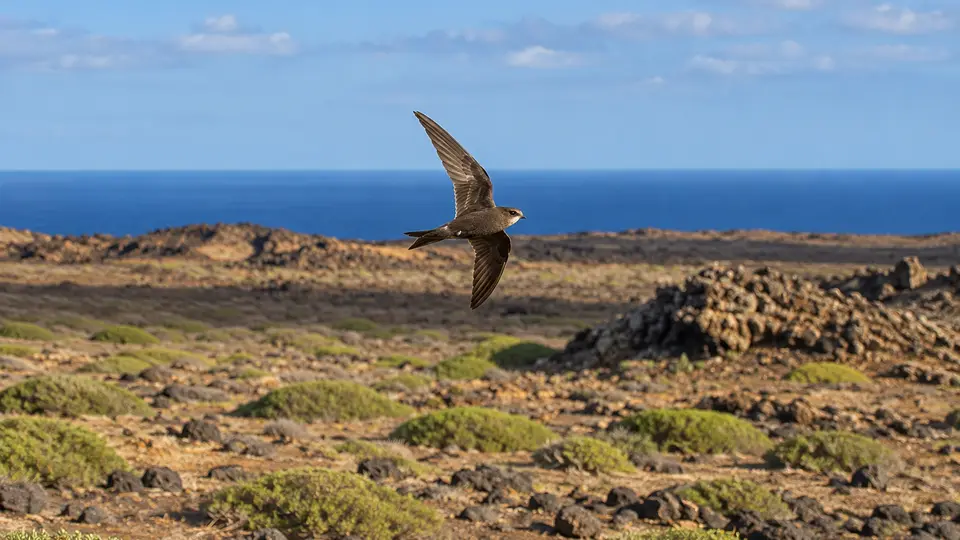
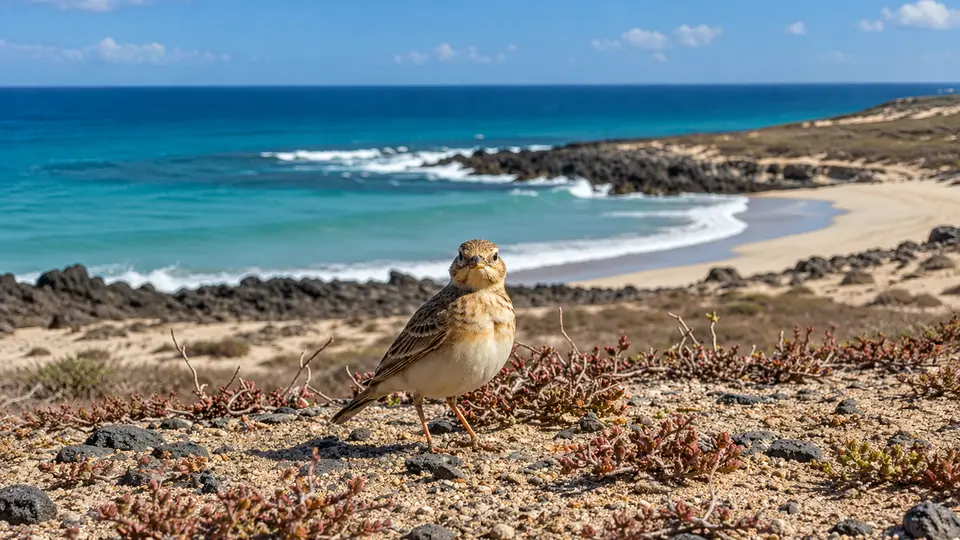
Helmeted GuineafowlAI-modifiedHelmeted GuineafowlAlexander's SwiftAI-modifiedAlexander's SwiftBar-tailed LarkAI-modifiedBar-tailed Lark
Animal groupBirdsAnimal groupBirdsAnimal groupBirds
DestinationsCape VerdeDestinationsCape VerdeDestinationsCape Verde
Scientific nameNumida meleagrisScientific nameScientific name
All wildlife destinations
AI-modified
Plan your trip

Find your next wildlife adventure

Compare destinations, shore programs and dates with the animals and habitats you would love to see.

  • Naturalist-led shore excursions
  • Responsible wildlife watching
  • Small expedition ships