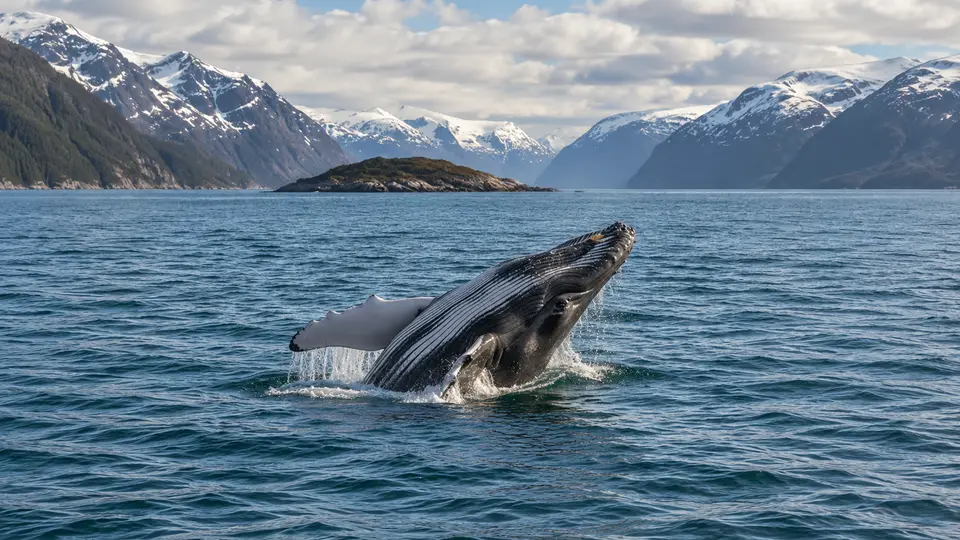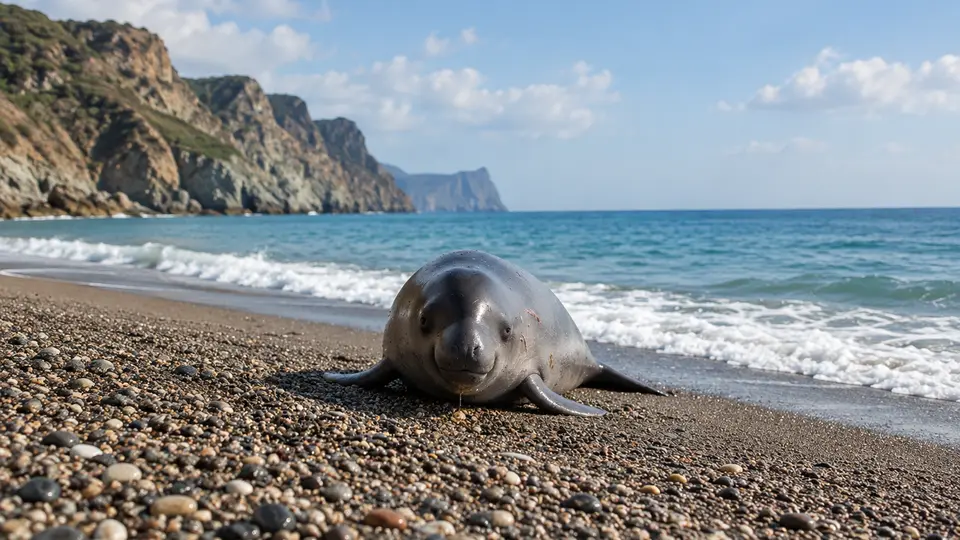
Harbor Porpoise in its natural habitatAI-modified

Harbor PorpoisePhocoena phocoenaWhere and when to see them

Harbor Porpoise at a glance

The harbor porpoise is a small marine cetacean of cool Northern Hemisphere waters, usually noticed as a low back and triangular fin briefly breaking the surface. It lacks the conspicuous beak of many dolphins and seldom gives an acrobatic display. Alaska supports Pacific populations, while Turkey's relevant population occupies the Black Sea. The species is globally widespread, but regional populations face very different conservation pressures.

Behaviour & reproduction

Size
1.4–1.9 m (4.6–6.2 ft) body length
Weight
45–70 kg (99–154 lb)
Lifespan
10–20 years
Status
Least Concern

Harbor porpoises generally travel alone or in small, loose groups, occasionally gathering where prey is concentrated. They surface briefly and inconspicuously, often changing direction between appearances. High-frequency echolocation helps them locate food in dim or turbid water. Their small size and rapid metabolism demand frequent feeding. They usually avoid close vessel interaction, and calm water is much more useful for detecting them than waiting for conspicuous leaps. A significant portion of their daily activity is spent foraging, necessary to meet their high energetic demands. Vocalizations are primarily high frequency clicks used for echolocation and communication, falling outside the range of human hearing. They are generally shy and easily disturbed by vessel traffic, often moving away from approaching boats.

Top wildlife locations

Alaska wildlife habitatAI-modified

Alaska

Sheltered coastal channels, bay mouths and headlands provide plausible shore viewpoints, especially in southeastern Alaska. Animals are easily overlooked and are not assured at any stop; no inland excursion is needed.

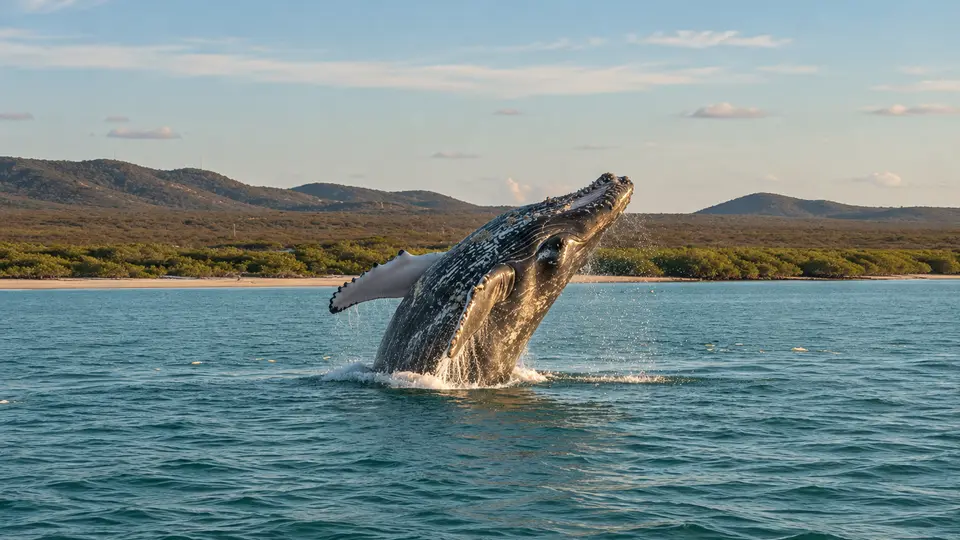
Turkey wildlife habitatAI-modified

Turkey

Black Sea headlands and quiet bay mouths offer plausible distant shore observation. Sightings are uncertain, and reaching this coast may require a separate excursion from Mediterranean or Aegean itineraries.

Destinations describe the species' habitat, not guaranteed cruise stops. Some animals require an optional inland excursion or are found in restricted reserves.

Fun facts about the Harbor Porpoise

  • Porpoises have flattened, spade-shaped teeth rather than typical dolphin-like conical teeth.
  • Their echolocation clicks are mostly above human hearing.
  • Females are generally larger than males.
  • The Black Sea population is recognized as the subspecies Phocoena phocoena relicta.

Best time to see the Harbor Porpoise

Calm seas matter more than a single species-wide season. Alaska's late spring and summer provide long daylight and practical coastal access. On Turkey's Black Sea coast, settled late-spring to early-autumn weather can improve scanning, without implying a predictable seasonal aggregation. In both regions, quiet sea conditions are paramount for sighting harbor porpoises, as their small size and discreet surfacing make them challenging to spot otherwise. Optimal viewing windows often coincide with periods of high tide, which can bring prey closer to shore. Look for flat calm mornings or evenings when the water surface is undisturbed.

Harbor Porpoise: season matrix by destination

Travel and observation windows vary by region. Highlighted months are an orientation for planning, not confirmed sightings or a guarantee of access.

Alaska

A practical coastal travel and daylight window; local occurrence and visibility depend on prey, currents and sea state.

JanFebMarAprMayJunJulAugSepOctNovDec
Cruise ships in Alaska

Turkey

These months offer generally more workable coastal conditions, not a confirmed porpoise season; the Black Sea population has elevated regional conservation concerns.

JanFebMarAprMayJunJulAugSepOctNovDec
Cruise ships in Turkey

Where the Harbor Porpoise lives

Continental-shelf waters, bays, straits and estuary approaches are typical habitat. Productive currents can concentrate prey near headlands visible from land. In Turkey, attention belongs primarily on the Black Sea coast, not the Mediterranean resorts commonly associated with marine tourism. They are often found in relatively shallow waters, typically less than 200 meters deep, staying within coastal boundaries. This species prefers cool temperate and subarctic waters, with specific populations adapted to varying salinities, including brackish water near river mouths. In Alaska, they are prevalent in protected inlets and nearshore areas where food is abundant.

What the Harbor Porpoise eats

Small schooling fish form much of the diet, including herring, sprat, sand eels and other locally available species. Squid and bottom-associated fish may also be eaten. Prey selection differs between Pacific and Black Sea populations and changes with seasonal availability. Their diet consists primarily of non-oily, demersal (bottom-dwelling) or schooling fish that are easily captured. Seasonal shifts in prey availability directly influence their feeding strategies and foraging success. They swallow their prey whole, as their spade-shaped teeth are adapted for grasping rather than tearing.

Species at a glance

Common name
Harbor Porpoise
Scientific name
Phocoena phocoena
Animal group
Marine life
Size
1.4–1.9 m (4.6–6.2 ft) body length
Weight
45–70 kg (99–154 lb)
Lifespan
10–20 years
Status
Least Concern
Identification
Unlike most dolphins, the harbor porpoise has no projecting beak and shows a small triangular dorsal fin on a compact, dark-backed body. Their small size, typically less than 2 meters long, further distinguishes them from larger dolphin species. The dorsal fin is typically dark and centrally placed on the back. Unlike dolphins, their body shape is robust and lacks the sleek, elongated form.

Harbor Porpoise: frequently asked questions

Where can I see the Harbor Porpoise?
Alaska, Turkey. Watch quietly from headlands or a steady deck, looking for repeated low surfacings rather than splashes. Do not pursue or intercept animals with a vessel. Keep distance from fishing operations, where entanglement hazards and working gear create additional risks. Scanning with binoculars can help detect their subtle, rolling surfacing pattern, which creates little disturbance on the water. Patience is key, as they are not prone to flashy displays or prolonged surface time. Their presence is often indicated by a brief, low profile dorsal fin appearing and disappearing quickly.
When is the best time to see the Harbor Porpoise?
Calm seas matter more than a single species-wide season. Alaska's late spring and summer provide long daylight and practical coastal access. On Turkey's Black Sea coast, settled late-spring to early-autumn weather can improve scanning, without implying a predictable seasonal aggregation. In both regions, quiet sea conditions are paramount for sighting harbor porpoises, as their small size and discreet surfacing make them challenging to spot otherwise. Optimal viewing windows often coincide with periods of high tide, which can bring prey closer to shore. Look for flat calm mornings or evenings when the water surface is undisturbed.
How big does the Harbor Porpoise get?
1.4–1.9 m (4.6–6.2 ft) body length. Adult weight: 45–70 kg (99–154 lb). Size varies with age, sex and population.
How should I behave around the Harbor Porpoise?
Watch quietly from headlands or a steady deck, looking for repeated low surfacings rather than splashes. Do not pursue or intercept animals with a vessel. Keep distance from fishing operations, where entanglement hazards and working gear create additional risks. Scanning with binoculars can help detect their subtle, rolling surfacing pattern, which creates little disturbance on the water. Patience is key, as they are not prone to flashy displays or prolonged surface time. Their presence is often indicated by a brief, low profile dorsal fin appearing and disappearing quickly.
What does the Harbor Porpoise eat?
Small schooling fish form much of the diet, including herring, sprat, sand eels and other locally available species. Squid and bottom-associated fish may also be eaten. Prey selection differs between Pacific and Black Sea populations and changes with seasonal availability. Their diet consists primarily of non-oily, demersal (bottom-dwelling) or schooling fish that are easily captured. Seasonal shifts in prey availability directly influence their feeding strategies and foraging success. They swallow their prey whole, as their spade-shaped teeth are adapted for grasping rather than tearing.
Are wildlife sightings guaranteed on an adventure cruise?
No. Animals move freely and routes, weather, access restrictions and local conditions influence every outing. Confirm the actual itinerary and shore program before booking.

Compare wildlife in the same destinations

Explore other marine life recorded in these destinations. Similar surroundings do not mean the animals share the same habits or viewing season.

Species comparison by animal group and destination
Harbor PorpoiseAI-modifiedHarbor PorpoiseGray WhaleAI-modifiedGray WhaleMinke WhaleAI-modifiedMinke Whale
Animal groupMarine lifeAnimal groupMarine lifeAnimal groupMarine life
DestinationsAlaska, TurkeyDestinationsAlaska, MexicoDestinationsAlaska, Norway, Scotland, Arctic
Scientific namePhocoena phocoenaScientific nameScientific name
All wildlife destinations
AI-modified
Plan your trip

Find your next wildlife adventure

Compare destinations, shore programs and dates with the animals and habitats you would love to see.

  • Naturalist-led shore excursions
  • Responsible wildlife watching
  • Small expedition ships