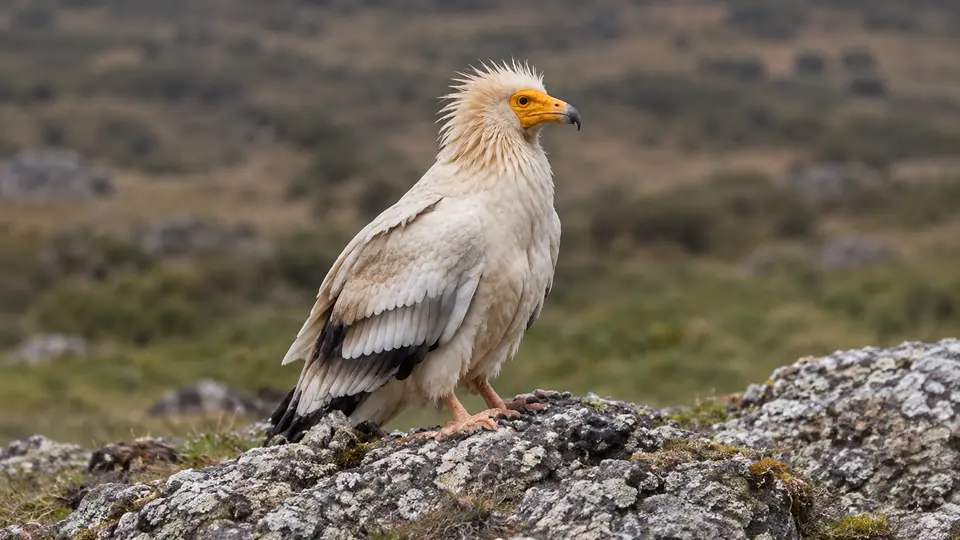
Egyptian Vulture in its natural habitatAI-modified

Egyptian VultureNeophron percnopterusWhere and when to see them

Egyptian Vulture at a glance

The Egyptian vulture is a relatively small Old World vulture with a narrow bill, bare yellow face and contrasting white-and-black adult plumage. Its range extends across parts of southern Europe, Africa and Asia, but many populations have declined sharply. Poisoning, unsafe power infrastructure, food changes and persecution are major threats. European breeders usually migrate to Africa, while some southern populations remain resident, making regional context essential when planning any observation.

Behaviour & reproduction

Size
58-70 cm (23-28 in) long; wingspan 155-170 cm (61-67 in)
Weight
1.6-2.4 kg (3.5-5.3 lb)
Lifespan
Up to 37 years in captivity
Status
Endangered

Egyptian vultures search widely over open country, using soaring flight when rising warm air is available. They often arrive at carcasses after larger scavengers and pick smaller scraps with their slender bills. Pairs typically nest on sheltered cliff ledges and may return to traditional territories. Away from breeding sites, birds sometimes gather at communal roosts or feeding opportunities. They also walk across open ground while searching for small food items, displaying an unusually varied scavenging repertoire. They are often seen individually or in pairs, but can gather in small groups at abundant food sources or communal roosts. Unlike some larger vultures, they frequently land and forage on the ground, often walking considerable distances to pick up scraps.

Top wildlife locations

Egypt wildlife habitatAI-modified

Egypt

Red Sea coastal viewpoints and desert escarpments can offer distant passage views, but birds are unpredictable and often far overhead. Suitable rocky habitat may require a guided inland excursion away from waterfront areas.

Greece wildlife habitatAI-modified

Greece

Remaining breeding areas are extremely localized, chiefly around inland cliffs and open pastoral country. Coastal headlands offer only rare passage possibilities; meaningful viewing usually requires an inland excursion with strict avoidance of nesting territories.

Portugal wildlife habitatAI-modified

Portugal

The strongest habitat lies around inland river gorges and open grazing country, requiring an inland excursion. Coastal cliff viewpoints offer only rare passage chances and should not be presented as reliable vulture sites.

Turkey wildlife habitatAI-modified

Turkey

Rocky inland valleys, steppe and pastoral country provide the main habitat and usually require an inland excursion. Coastal headlands may offer distant migration views, but occurrence is variable and cliff nests can be inaccessible.

Destinations describe the species' habitat, not guaranteed cruise stops. Some animals require an optional inland excursion or are found in restricted reserves.

Fun facts about the Egyptian Vulture

  • Young birds are mostly dark brown and take several years to acquire adult plumage.
  • Some individuals break large eggs by throwing stones at them.
  • The slender bill allows access to scraps left by larger scavengers.
  • Yellow facial coloration is influenced by dietary carotenoid pigments.

Best time to see the Egyptian Vulture

April through September broadly overlaps with the presence of migratory breeders in southern Europe and Turkey. Egypt offers migration opportunities particularly in spring and autumn, with regional variation. These windows do not imply accessible nests, and local expert guidance is especially valuable for this declining species. In the Mediterranean, individuals can be seen throughout the breeding season, with post-breeding dispersal sometimes extending their presence into early autumn. Cruises along the coast of Turkey or Greece in late spring offer chances to see birds soaring over coastal cliffs.

Egyptian Vulture: season matrix by destination

Travel and observation windows vary by region. Highlighted months are an orientation for planning, not confirmed sightings or a guarantee of access.

Egypt

These months broadly encompass migration, not assured sightings; local passage routes, wind and access strongly affect prospects.

JanFebMarAprMayJunJulAugSepOctNovDec
Cruise ships in Egypt

Greece

This broadly covers seasonal presence of migratory birds, but the Greek population is very small and public viewing opportunities are limited.

JanFebMarAprMayJunJulAugSepOctNovDec
Cruise ships in Greece

Portugal

These months broadly overlap breeding-season presence in Portugal; they are not a recommendation to approach nests or a coastal sighting forecast.

JanFebMarAprMayJunJulAugSepOctNovDec
Cruise ships in Portugal

Turkey

The window covers much of the migratory population's seasonal presence; timing and abundance vary substantially among regions.

JanFebMarAprMayJunJulAugSepOctNovDec
Cruise ships in Turkey

Where the Egyptian Vulture lives

They use open dry country, rocky valleys, pastoral landscapes and cliffs, including some coastal escarpments. Breeding requires secure ledges or cavities, while feeding takes place over a much wider area. Many accessible European observation areas lie inland rather than beside the sea. They are often found in mountainous regions or areas with prominent rock formations, which provide suitable nesting sites and thermal updrafts for soaring. While adaptable, they prefer areas with low human disturbance and available carrion sources.

What the Egyptian Vulture eats

Carrion, small vertebrates, eggs, insects and assorted organic scraps all feature in the diet. Their narrow bills retrieve small pieces that larger vultures leave behind. Some individuals use stones to break large eggs, although this behavior is not universal across all populations. Beyond carrion, they are known to consume dung, particularly from large herbivores, for insect larvae and undigested seeds. This species also frequently supplements its diet with human refuse, especially in more populated areas.

Species at a glance

Common name
Egyptian Vulture
Scientific name
Neophron percnopterus
Animal group
Birds
Size
58-70 cm (23-28 in) long; wingspan 155-170 cm (61-67 in)
Weight
1.6-2.4 kg (3.5-5.3 lb)
Lifespan
Up to 37 years in captivity
Status
Endangered
Identification
Adults have a yellow bare face, white body, black flight feathers and wedge-shaped tail, unlike the much larger, broad-winged griffon vulture. Juveniles are dark brown overall, gradually lightening with age over several years to acquire the adult plumage. Their long, wedge-shaped tail is a distinctive feature separating them from most other European vultures.

Egyptian Vulture: frequently asked questions

Where can I see the Egyptian Vulture?
Egypt, Greece, Portugal, Turkey. Use distant public viewpoints and never approach occupied cliff ledges. Avoid sharing precise nest locations. Do not place food or approach carcasses to attract birds, and obey restrictions around protected breeding territories. When viewing from a distance, look for them soaring high above cliffs or circling over open plains. In some areas, early morning or late afternoon can be good times to spot them as they leave or return to roosts.
When is the best time to see the Egyptian Vulture?
April through September broadly overlaps with the presence of migratory breeders in southern Europe and Turkey. Egypt offers migration opportunities particularly in spring and autumn, with regional variation. These windows do not imply accessible nests, and local expert guidance is especially valuable for this declining species. In the Mediterranean, individuals can be seen throughout the breeding season, with post-breeding dispersal sometimes extending their presence into early autumn. Cruises along the coast of Turkey or Greece in late spring offer chances to see birds soaring over coastal cliffs.
How big does the Egyptian Vulture get?
58-70 cm (23-28 in) long; wingspan 155-170 cm (61-67 in). Adult weight: 1.6-2.4 kg (3.5-5.3 lb). Size varies with age, sex and population.
How should I behave around the Egyptian Vulture?
Use distant public viewpoints and never approach occupied cliff ledges. Avoid sharing precise nest locations. Do not place food or approach carcasses to attract birds, and obey restrictions around protected breeding territories. When viewing from a distance, look for them soaring high above cliffs or circling over open plains. In some areas, early morning or late afternoon can be good times to spot them as they leave or return to roosts.
What does the Egyptian Vulture eat?
Carrion, small vertebrates, eggs, insects and assorted organic scraps all feature in the diet. Their narrow bills retrieve small pieces that larger vultures leave behind. Some individuals use stones to break large eggs, although this behavior is not universal across all populations. Beyond carrion, they are known to consume dung, particularly from large herbivores, for insect larvae and undigested seeds. This species also frequently supplements its diet with human refuse, especially in more populated areas.
Are wildlife sightings guaranteed on an adventure cruise?
No. Animals move freely and routes, weather, access restrictions and local conditions influence every outing. Confirm the actual itinerary and shore program before booking.

Compare wildlife in the same destinations

Explore other birds recorded in these destinations. Similar surroundings do not mean the animals share the same habits or viewing season.

Species comparison by animal group and destination
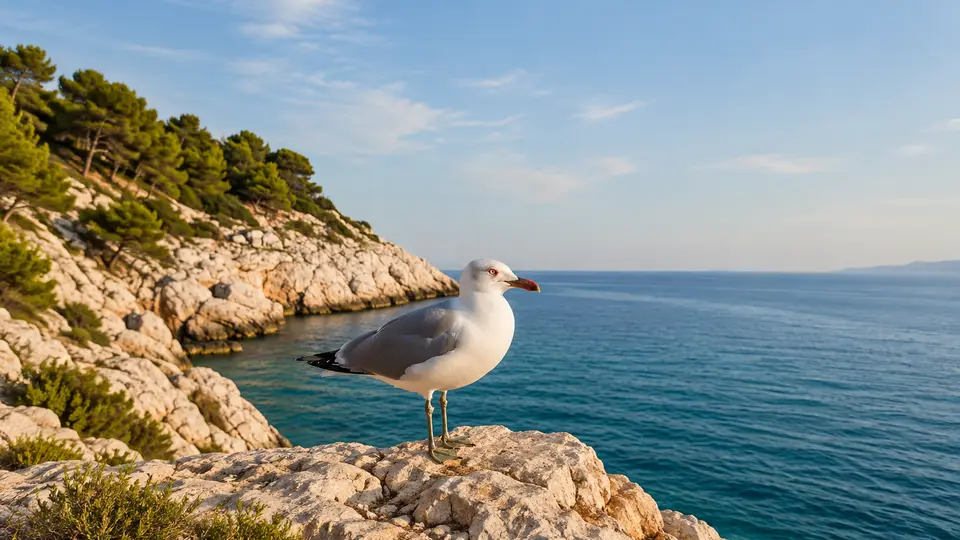
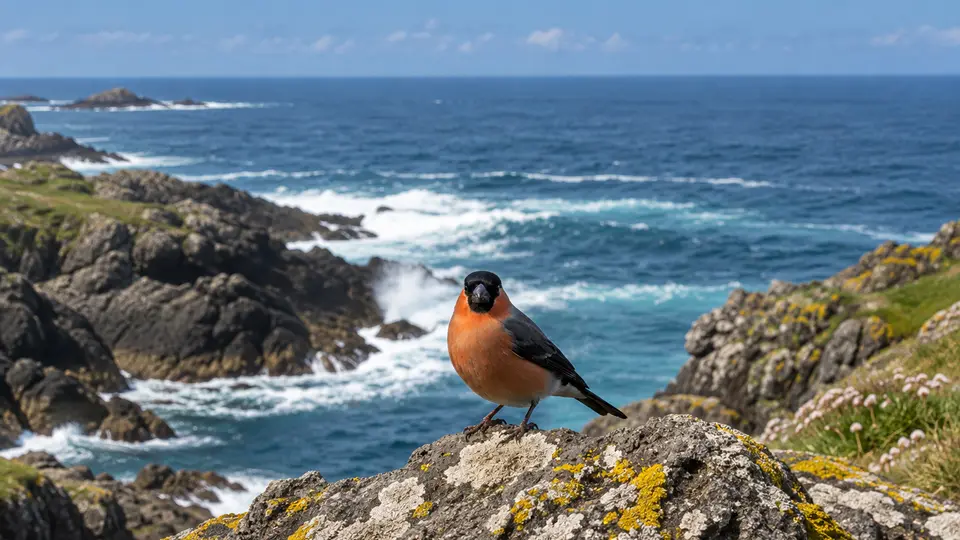
Egyptian VultureAI-modifiedEgyptian VultureAudouin's GullAI-modifiedAudouin's GullAzores BullfinchAI-modifiedAzores Bullfinch
Animal groupBirdsAnimal groupBirdsAnimal groupBirds
DestinationsEgypt, Greece, Portugal, TurkeyDestinationsCroatia, Greece, Portugal, TurkeyDestinationsPortugal
Scientific nameNeophron percnopterusScientific nameScientific name
All wildlife destinations
AI-modified
Plan your trip

Find your next wildlife adventure

Compare destinations, shore programs and dates with the animals and habitats you would love to see.

  • Naturalist-led shore excursions
  • Responsible wildlife watching
  • Small expedition ships