关于 Blue House
Blue House Garden is a unique dive site located in Roatan, Honduras, particularly noted at a depth of 60 feet (18 meters). While specific details about its broader topography are not extensively documented, it is part of Roatan's diverse underwater landscape, which includes sheer walls, vibrant reefs, and intricate formations. The site is recognized for its distinctive, perhaps whimsical, characteristic mentioned in diver accounts. Roatan's reefs generally feature a dramatic topography with walls, canyons, and crevices, supporting a rich ecosystem. The depths around the island cater to various levels of diving, offering shallow reef tops and deeper wall sections. Marine life in the Bay Islands is abundant, with diverse populations of fish, impressive sponges, and lush coral formations. Encounters can include seahorses, lobsters, octopus, and schools of colorful reef fish. Diving in Roatan is typically accessible, with many sites suitable for various certification levels, often characterized by comfortable water temperatures. While specific current information for Blue House Garden is not detailed, Roatan's dive sites generally experience mild to moderate currents depending on location and conditions. Liveaboard operations often allow for multiple dives per day, providing ample opportunity to explore sites like this.
亮点
独特的水下花园水下60英尺处的著名景观多样的珊瑚礁地形丰富的海洋生物邂逅奇妙生物的机会
季节日历
最佳潜水月份
1月
2月
3月
4月
5月
6月
7月
8月
9月
10月
11月
12月
最佳
良好
潜点资料: Blue House
- 水流
- 微弱 至 强 depending on site 和 tide
- 能见度
- 10–40 m
- 水温
- 24–31 °C
- 入水方式
- 船潜 / Live drop / Stationary
- 等级
- 所有等级
- 潜水类型
- 珊瑚礁, 陡壁, Canyon
- 夜潜
- Possible (on request)
- 地区 / 港口
- Roatan, Bay Islands, Honduras
- 坐标
- 16.3107, -86.5155
条件与水流
罗阿坦的水流通常比较温和,这使得潜水条件相对轻松,但有些潜点,尤其在潮汐进出时,水流可能会非常强劲。潜水员应该注意,如果处理不当,向外水流可能会很危险,因为逆流游泳会很困难。入水和出水通常是船载方式,根据潜点不同,可以选择在系泊线上进行固定入水,或者进行活漂流潜水。能见度一直很好,范围在10到40米之间,但在雨季可能会因为沉积物被搅动而降低,不过这反过来可能会吸引更大的海洋生物。温跃层在罗阿坦的资料中并未被突出提及为一个主要因素。潜水员应始终密切关注潜水简报,特别是对于漂流潜水,以了解水流方向、入水/出水程序。
海洋生物与遇见概率


水下摄影
Roatan's clear waters, often exceeding 30 meters visibility, create ideal conditions for underwater photography, particularly during the dry season from March to October. Wide-angle lenses are recommended to capture the expansive coral formations, steep walls, and vibrant reef scenes characteristic of the Mesoamerican Barrier Reef. For macro subjects such as seahorses, nudibranchs, and various shrimps, a macro lens will highlight intricate details. Consistent lighting is usually available, but external strobes or video lights can enhance colors and reduce backscatter, especially in deeper areas or under overhangs. Maintaining excellent buoyancy is crucial to avoid disturbing the healthy coral and sand, ensuring respectful interaction with marine life and preserving visibility. Divers should prioritize non-invasive photography, refraining from touching or chasing animals to get a shot.
可搭配的邻近潜点
- Satoshi’s Grave
中本聪之墓是一个位于罗阿坦南岸的独特沉船潜点,具体来说是“巴德先生号”沉船。该潜点位于大约60英尺(18米)深处,对于对沉船及其所支持的生态系统感兴趣的潜水员来说,是一个清晰的焦点。周围环境以广阔的沙地为特征,这些沙地远非贫瘠,而是充满着各种特殊的海洋生物。
- Addie's Garden
Addie's Garden 是洪都拉斯罗阿坦岛周围的 350 个潜水和浮潜点之一,位于中美洲堡礁系统内。这个潜点是最近为了纪念 Alistair Bennie…
- Blackish Point
Blackish Point 是位于 Utila 北侧一个迷人的沿岸放流峭壁潜点,将火山岩构造、软珊瑚以及由洞穴、悬崖遮蔽处和裂缝组成的复杂网络独特地融合在一起。该潜点迎合了那些喜欢慢节奏的潜水员,让他们有充足的时间仔细搜寻珊瑚礁结构,发现隐藏的微距生物,并享受温和的放流。作为…
- Butcher's Bank
屠夫银行是洪都拉斯罗阿坦岛一个著名的潜水点,被广泛认为是岛上最令人愉悦的潜水地之一,特别适合初学者。它距离西区仅一小段船程,是广阔的中美洲堡礁系统的一部分,提供了一个受保护且充满活力的水下体验。
- Wreck of the Aguila
阿吉拉号(Wreck of the Aguila),昵称“雄鹰号”,是一艘60米(200英尺)长的货船,于1997年被特意沉没,在休闲潜水深度范围内创建一个人工礁。它最初是一艘完整的船只,但在1998年米奇飓风中,残骸被分成三个不同的部分,增加了其内部探索的机会。它侧卧在右舷,依…
- Al's Garden
Al's Garden 是洪都拉斯海湾群岛(Bay Islands)罗阿坦岛(Roatan)上一个著名的潜水点,该地区以其充满活力的水下地貌和多样化的海洋生态系统而闻名。该区域位于中美洲大堡礁系统(Mesoamerican Barrier Reef…
交通与行程
Roatan is accessible via international flights to Juan Manuel Gálvez International Airport (RTB). Dive trips typically involve day boat excursions from various resorts and dive centers located along the island's West Bay, West End, and Sandy Bay areas. A common dive schedule includes a two-tank morning dive returning around noon, followed by an optional single-tank afternoon dive. Night dives can also be arranged with a minimum of four divers and 48-hour notice. Roatan Marine Park fees apply, often purchased as a $10 annual bracelet, which contributes to reef protection. Liveaboards also operate in the Bay Islands, offering broader access to the region. The island's dive operations emphasize short boat rides to sites, with many locations just minutes from shore.
安全与环保
Roatan Dive Center maintains a strong emphasis on diver safety, carrying DAN oxygen and first aid kits on all boats. Divers are expected to adhere to a responsible diver code, including maintaining excellent buoyancy, not touching corals or marine life, and using designated entry/exit points. Emergency evacuation protocols typically involve local medical facilities, with the nearest recompression chamber likely on the island or nearby. Divers are advised to have comprehensive dive insurance. Site-specific hazards include potentially strong currents, particularly when tides are moving in or out, which requires careful attention during dive briefings. Divers should always plan conservative dive profiles, including a 3 to 5-minute safety stop, and manage air consumption effectively, with maximum bottom times typically around 60 minutes.
适合谁 — 不适合谁
适合
- New divers and those undergoing training
- Underwater photographers seeking clear water and varied subjects
- Families and mixed groups with snorkelers
- Divers desiring a relaxed, multi-dive day
- Those who appreciate healthy coral reefs
不太适合
- Divers seeking extreme or highly challenging currents on every dive
- Those uninterested in reef ecology and conservation
- Budget travelers during peak season (December-February)
- Divers who prefer solitary dive experiences (can be crowded at peak times)
常见问题
Blue House 常见问题
What marine life can I expect to see at dive sites around Roatan?
Dive sites in Roatan are rich with Caribbean marine life. You can commonly spot parrotfish, angelfish, butterflyfish, and various schools of jacks. Smaller creatures like seahorses and nudibranchs are present, alongside larger animals such as rays, groupers, barracudas, and occasional reef sharks and sea turtles. Lobsters, shrimps, and octopus are also guaranteed sightings at some locations.
What are the typical water temperatures and visibility conditions in Roatan?
Water temperatures in Roatan generally range from highs of 29-31°C from June through October, and lows of 24-27°C from January to April, with some January temperatures dropping to 22°C. Visibility is consistently good year-round, typically ranging from 10 to 40 meters, though it can extend to 36 meters during the dry season (March to May) and may reduce slightly during the rainy season.
Are there strong currents, and what do I need to know about them?
While many Roatan sites feature gentle conditions, some areas can experience very strong currents, particularly during tidal changes. Outgoing currents, in particular, can be dangerous as swimming against them is difficult. Dive briefings are essential for understanding specific current directions and appropriate entry, navigation, and exit procedures, especially for drift dives.
What are the best months to visit Roatan for diving?
Roatan is considered an excellent year-round diving destination. March through October, the dry season, offers warmer waters and the best visibility, often exceeding 30 meters, making it ideal for photographers. The wet season, November through February, still provides great diving, with the added potential for larger marine life attracted by stirred-up sediments, despite some rainfall.
How are dive trips typically organized in Roatan?
Most dive operations in Roatan offer two-tank morning dives, returning to shore around noon, followed by an optional single-tank afternoon dive. Night dives are available upon request, usually requiring a minimum of four divers and advance notice. Dive sites are typically chosen based on daily conditions and diver preferences, with an emphasis on short boat rides to minimize travel time.
What kind of dive training or experience is recommended for Roatan?
Roatan is suitable for divers of all levels, from beginners to experienced individuals. The generally calm conditions and healthy reefs make it an ideal location for new divers and those seeking training. However, experience with currents can be beneficial for certain sites, and advanced certifications may open up opportunities for deeper or more challenging dives.
为什么乘船宿潜Blue House?
Blue House是洪都拉斯的标志性潜点之一。船宿让你在海上过夜,每天提供三到四次导潜,包括日间船宿很少提供的黎明潜与夜潜。你无需每日返港,一次行程即可抵达同区域更安静的潜点。
以下是洪都拉斯行程中包含Blue House的船宿。
潜Blue House的船宿
这些船宿在部分行程中可能前往Blue House,具体潜点取决于出发日期、天气与海况。
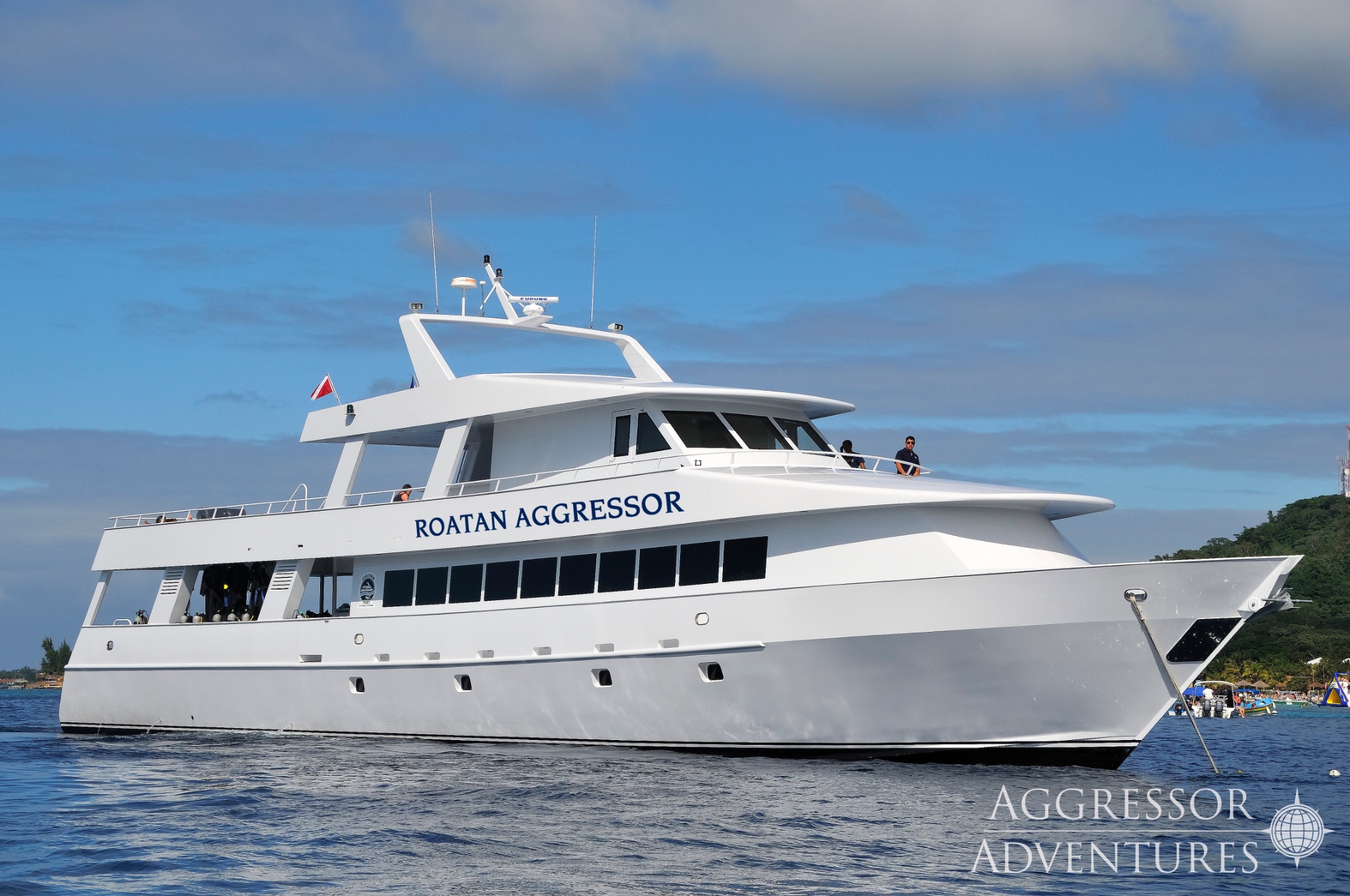
Roatan Aggressor
洪都拉斯
18 位客人31.1 m
$287/天
与 Blue House 相似的潜点
同样的特色、同样的海域——另外六个同样迷人的潜点。比较季节、交通方式和船宿路线,然后选择最适合你行程的潜点。
银洞 (Silver Caves) 位于灯塔礁环礁内,是伯利兹最健康的珊瑚礁系统之一,提供独特的潜水体验。这个潜点以其引人入胜的地形而闻名,拥有众多可供潜水员探索的穿梭洞穴和隐蔽角落。这里的礁壁呈逐渐倾斜状,提供不同深度的探索区域。…
- 适合
- 高级
- 水流
- 微弱
- 交通方式
- 仅船宿
- 深度
- 18–28 m
- 主题
- 珊瑚礁 / 洞穴
© Esri — Maxar, Earthstar, GIS
潜水点:摩雷洛斯港「墙」
墨西哥
科苏梅尔的西海岸有一片壮观的礁石陆架,垂直下沉数千英尺,直入海洋深处。这处被称为“峭壁”的垂直断崖,几十年来在受保护的海洋公园内蓬勃生长,布满了丰富的珊瑚、海绵和海扇。
- 适合
- 中级
- 水流
- 微弱
- 交通方式
- 船宿或日间船
- 深度
- 15–27 m
- 主题
- 珊瑚礁
大开曼岛的北墙是其最著名、视觉效果最震撼的潜水区域之一,沿着岛屿的北部海岸线延伸。它以其垂直陡峭的下降闻名,从离岸几分钟的礁石边缘(通常在50至60英尺深处)直插数千英尺的深海。这里的地形特色是高耸的珊瑚扶壁、错综复杂的穿梭通道系统和壮观的海峰,为潜水员创造了一个充满活力的环境。…
- 适合
- 高级
- 水流
- 微弱
- 交通方式
- 船宿或日间船
- 深度
- 50–100 m
- 主题
- 珊瑚礁
灯塔礁位于开曼布拉克岛西区码头附近,提供独特的浅礁潜水体验。该潜点由内礁和外礁组成,形成了分层的海底景观。
- 适合
- 初级
- 水流
- 强
- 交通方式
- 岸潜/日间船
- 深度
- 10–25 m
- 主题
- 珊瑚礁
© Esri — Maxar, Earthstar, GIS
长岛海脊(Long Caye Ridge)是伯利兹灯塔礁环礁内一处备受好评的潜点,因远离大陆而保持原始状态,闻名遐迩。这里有美丽的峭壁潜水,珊瑚礁始于浅水区,然后急剧下降至深水,呈现出壮观的海底地形。环礁本身以清澈的加勒比海水为特色,能见度常超30米,照亮了多样的珊瑚礁结构。…
- 适合
- 中级
- 水流
- 无水流
- 交通方式
- 仅船宿
- 深度
- 21–21 m
- 主题
- 珊瑚礁