关于 Camano Islet
The Galápagos Islands offer an unparalleled diving experience year-round, renowned for their exceptional marine biodiversity and unique blend of oceanic currents. This archipelago, situated over 900 km off Ecuador's coast, is a bucket-list destination for advanced divers seeking encounters with large pelagic species. Diving conditions are dictated by the confluence of three major currents: the cold, nutrient-rich Humboldt Current, the deep Cromwell Current causing significant upwellings, and the warmer Panama Flow. These currents create a hyper-dynamic environment, attracting abundant marine life but also presenting challenges such as strong currents, surge, and dramatic thermoclines. Depths frequently range from 70 to 114 feet, requiring excellent buoyancy control. While some periods offer calmer, warmer waters and better visibility, the cooler, dry season (June to November) is especially popular for spotting whale sharks and larger schools of hammerheads due to nutrient-rich upwellings. However, this season also brings choppier seas and colder water temperatures. Residents like sea lions and turtles are present throughout the year, adding to the dynamic underwater landscape. Divers must be prepared for a demanding environment that tests skills, including strong currents, surge that can move divers several feet, and swift changes in water temperature. Specialized gear like 7mm wetsuits, reef hooks, and stiff fins are often recommended. The reward is an opportunity to witness a thriving marine ecosystem virtually unchanged from prehistoric times.
亮点
全年潜水目的地主要洋流交汇处鲸鲨(季节性)锤头鲨群加拉帕戈斯海狮海洋鬣蜥(季节性)强劲洋流和温跃层卓越的海洋生物多样性
季节日历
最佳潜水月份
1月
2月
3月
4月
5月
6月
7月
8月
9月
10月
11月
12月
最佳
良好
潜点资料: Camano Islet
- 深度
- 70–114 ft
- 水流
- 中等 至 非常强
- 能见度
- 15–30 m
- 水温
- 19–26°C
- 入水方式
- 船宿 / 小艇
- 等级
- 高级, 需具备流水潜水经验
- 潜水类型
- Big animals, 漂流潜水, 远洋
- 地区 / 港口
- Galápagos Islands
- 坐标
- -0.28386, -91.070359
条件与水流
在卡马尼奥岛,水流通常很温和,这为大多数持证潜水员营造了一个轻松的潜水环境。这与加拉帕戈斯的许多其他潜点形成鲜明对比,那些地方经常出现强劲水流,尤其是在六月至十一月的凉爽季节。平静的条件意味着经验尚浅的潜水员可以轻松控制自己的浮力和导航,而无需使用负浮力入水或流勾等高级水流潜水技巧。整个加拉帕戈斯的能见度可能会有所不同,但卡马尼奥岛的温和条件通常能带来愉快的体验。对于那些喜欢宁静探索,不希望面对巨大浪涌或强大洋流挑战的潜水员来说,这里是确保你能享受潜水乐趣的理想地点。 导潜通常将这里的水流评定为轻微水流。 这里的潜水剖面通常在21到35米之间,因此请根据潜点较深的部分规划你的气量和免减压极限。 通常会将其简报为适合初学者级别潜水员的潜水。 这里可以从船宿船或日潜船潜水,具体取决于你行程的起点。 潮汐、风和季节都会使情况每天发生变化,因此船员在船上的简报始终优先于任何一般性描述。
海洋生物与遇见概率
Hammerhead sharks
Year-round, larger schools Dec-May · 常见Whale sharks
June-November · 偶尔Manta rays
March-May · 偶尔Galapagos sharks
Year-round · 常见Silky sharks
Year-round · 偶尔Sea lions
Year-round · 常见Green sea turtles
Year-round · 常见Moray eels
Year-round · 常见White-tip reef sharks
Year-round · 常见Galapagos grunts
Year-round · 常见Bluestripe snappers
Year-round · 常见潜水剖面与流程
Galápagos diving often involves negative entries into strong currents, with dive leaders typically assessing the prevailing conditions to determine the best approach. Divers should expect to drift with the current for much of the dive, using reef hooks when observing marine life in stationary positions. The dive profile is often multi-level, starting deeper to seek out pelagics and then gradually ascending along reefs or walls. Given the strong surge and potential for downcurrents, maintaining neutral buoyancy and being prepared for rapid depth changes is crucial. Safety stops are typically performed in the blue, potentially deploying a surface marker buoy (SMB) upon ascent, as currents can carry divers a considerable distance from the initial entry point. Dive times are often limited by air consumption in strenuous conditions and cold water.
水下摄影
Galápagos diving, with its strong currents and large pelagic subjects, demands careful planning for photography. Wide-angle lenses are essential for capturing schooling hammerheads, manta rays, and whale sharks. Due to often-turbid waters from nutrient-rich currents, close focus wide-angle techniques are beneficial. Strobes are crucial to add color and contrast, especially for deeper subjects or when visibility is reduced. Buoyancy control and efficient movement are paramount; flailing or uncontrolled movements will disturb marine life and compromise shot stability. Keeping a low profile close to rocks can help wildlife approach, but always be aware of potential hazards like scorpionfish. Photographing in strong surge requires anticipation and timing, often using the natural sway to position for shots.
可搭配的邻近潜点
- North Seymour
Often a checkout dive site with diverse marine life and land tours.
- Gordon Rocks
Known for strong currents and hammerhead sharks.
- Cousin's Rock
Pinnacle dive with abundant reef fish and pelagic encounters.
- Kicker Rock (León Dormido)
Famous for shark encounters, including hammerheads and Galápagos sharks.
- Isla Tortuga - South Wall
Wall diving with potential for pelagic sightings.
交通与行程
Access to the Galápagos Islands typically begins with international flights into mainland Ecuador, either Guayaquil (GSP) or Quito (UIO), followed by a domestic flight to Baltra Island (GPS) or San Cristóbal Island (SCY). Most diving at premier sites, including Camano Islet, is conducted via liveaboard vessels, offering trips typically ranging from 7 to 10 nights. Liveaboards depart from and return to Baltra Island, near Santa Cruz, or San Cristóbal. Upon arrival at Baltra, divers transfer directly to their liveaboard. Park entry fees are required for all visitors to the Galápagos National Park, and a transit control card must also be purchased. Itineraries often combine dives at central islands with longer transits to more remote northern sites like Wolf and Darwin.
安全与环保
Diving in the Galápagos demands a high level of diver preparedness due to strong currents, significant surge, and cold water thermoclines. Divers should hold advanced certifications and possess extensive experience in current diving. It is highly recommended to carry a surface marker buoy (SMB), an Emergency Position Indicating Radio Beacon (EPIRB), or a personal locator device for safety in case of separation from the group or boat. Decompression sickness is a risk, so strict adherence to dive plans and slow ascents are critical. The nearest recompression chamber is located in Puerto Ayora on Santa Cruz Island. Medical evacuation from remote dive sites can be challenging and time-consuming. Comprehensive dive accident insurance and travel insurance with emergency evacuation coverage are essential for all divers visiting the Galápagos.
适合谁 — 不适合谁
适合
- Experienced divers comfortable with strong currents
- Advanced Open Water Divers
- Divers seeking large pelagic encounters
- Underwater photographers with wide-angle setups
- Those equipped for cold water and thermoclines
不太适合
- Beginner divers or those with limited experience
- Divers uncomfortable with negative entries
- Individuals prone to seasickness in choppy conditions
- Divers without excellent buoyancy control skills
- Those without proper thermal protection for cold water
常见问题
Camano Islet 常见问题
What is the best time of year to dive in the Galápagos for whale sharks?
The peak season for whale shark encounters in the Galápagos is generally from June to November. During these cooler months, the nutrient-rich upwellings attract these majestic creatures to the islands. While sightings are never guaranteed, this period offers the highest probability for divers hoping to swim with whale sharks.
How strong are the currents in the Galápagos?
The currents in the Galápagos can be very strong, often exceeding 5 knots at popular dive sites. These powerful currents are a result of major oceanic flows converging around the islands. Divers must be proficient in drift diving techniques and prepared for vigorous conditions, sometimes requiring the use of reef hooks to stay in place.
Is the water cold in the Galápagos, and what wetsuit should I bring?
Water temperatures in the Galápagos can vary significantly, ranging from 19-23°C (66-73°F) during the cooler season (June-November) and 22-26°C (72-79°F) in the warmer months (December-May). Additionally, thermoclines can cause sudden drops to 12-15°C. A 7mm wetsuit, possibly with a hood and gloves, is highly recommended for thermal comfort, especially during the colder months or longer dives.
Do I need special certifications to dive in the Galápagos?
While PADI or SSI certification is mandatory, the Galápagos generally requires divers to be Advanced Open Water certified or equivalent, with significant experience in strong currents. Some sites may have minimum logged dive requirements of 10, 15, or even 30 dives. Beginner divers may find easier sites during the warmer months, but the destination is primarily suited for experienced divers.
What kind of marine life can I expect to see while diving in the Galápagos?
The Galápagos Islands are a hotspot for diverse marine life. Divers frequently encounter schooling hammerhead sharks, Galápagos sharks, and white-tip reef sharks. Depending on the season, you might also see whale sharks, giant manta rays, marine iguanas, playful sea lions, green sea turtles, and various schooling fish like bluestripe snappers and Galápagos grunts.
为什么乘船宿潜Camano Islet?
Camano Islet是加拉帕戈斯的标志性潜点之一。船宿让你在海上过夜,每天提供三到四次导潜,包括日间船宿很少提供的黎明潜与夜潜。你无需每日返港,一次行程即可抵达同区域更安静的潜点。
以下是加拉帕戈斯行程中包含Camano Islet的船宿。
潜Camano Islet的船宿
这些船宿在部分行程中可能前往Camano Islet,具体潜点取决于出发日期、天气与海况。
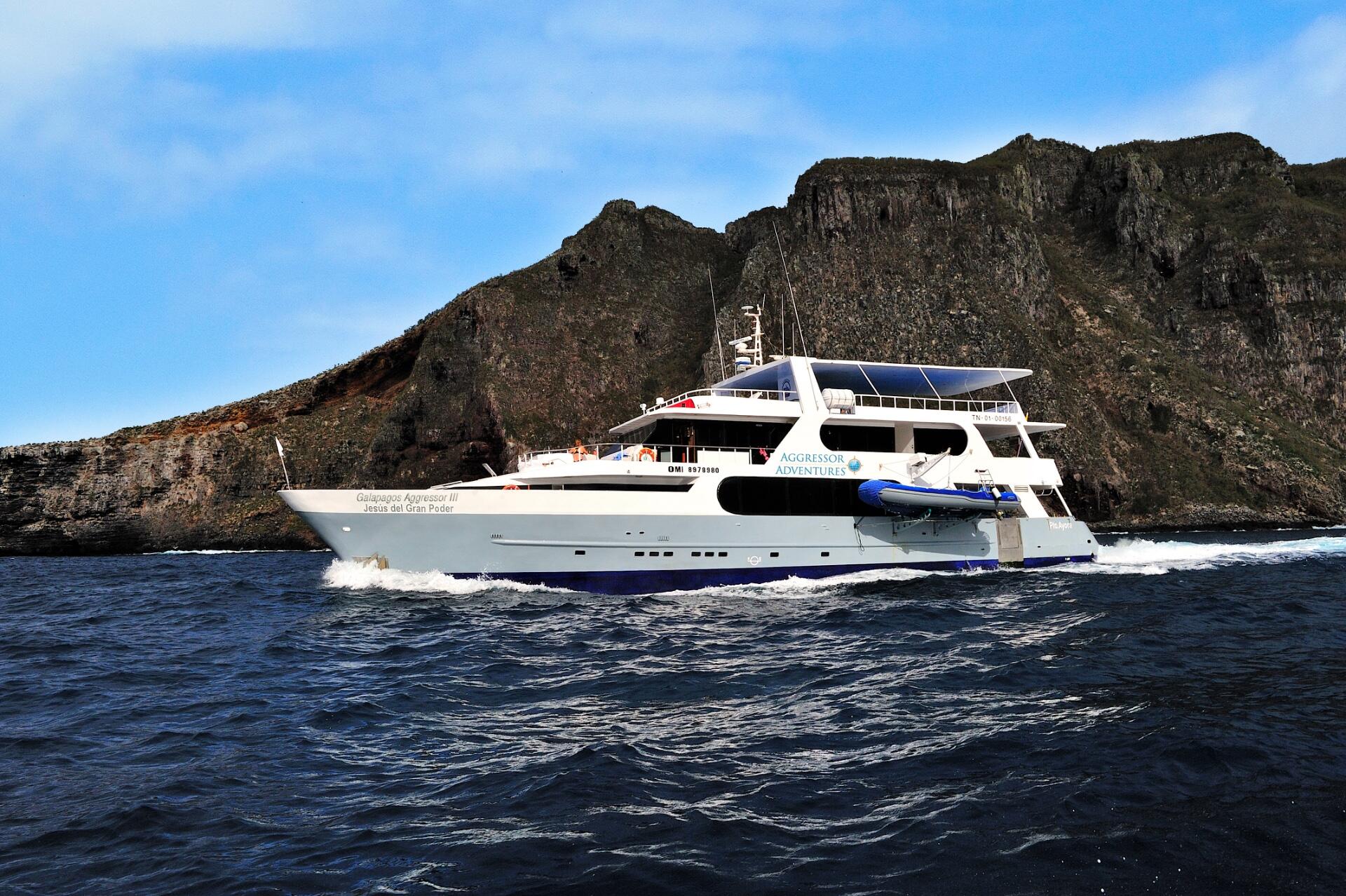
Galapagos Aggressor III
加拉帕戈斯
16 位客人30.5 m
$913/天
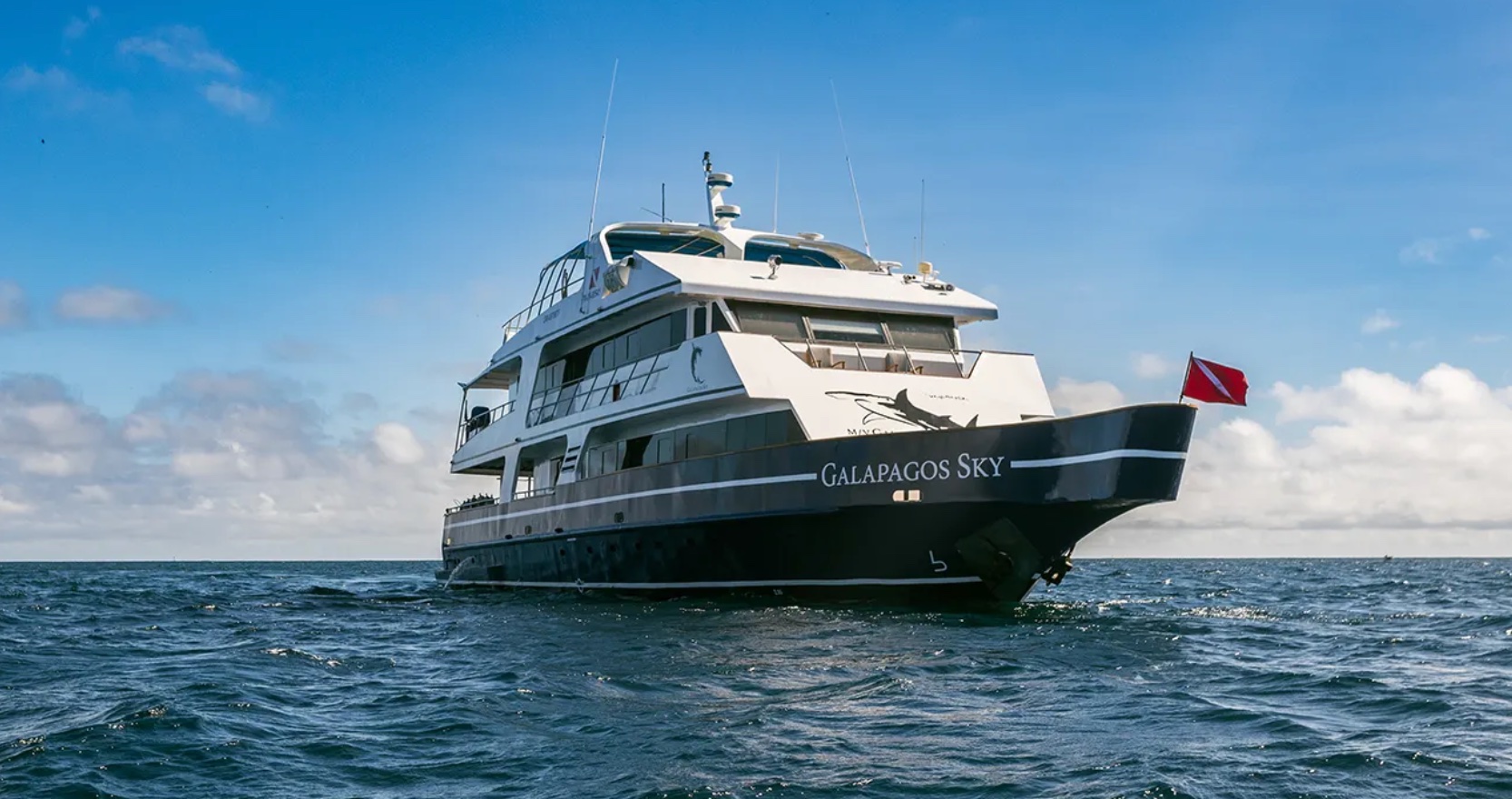
Galapagos Sky
加拉帕戈斯
16 位客人
$937/天
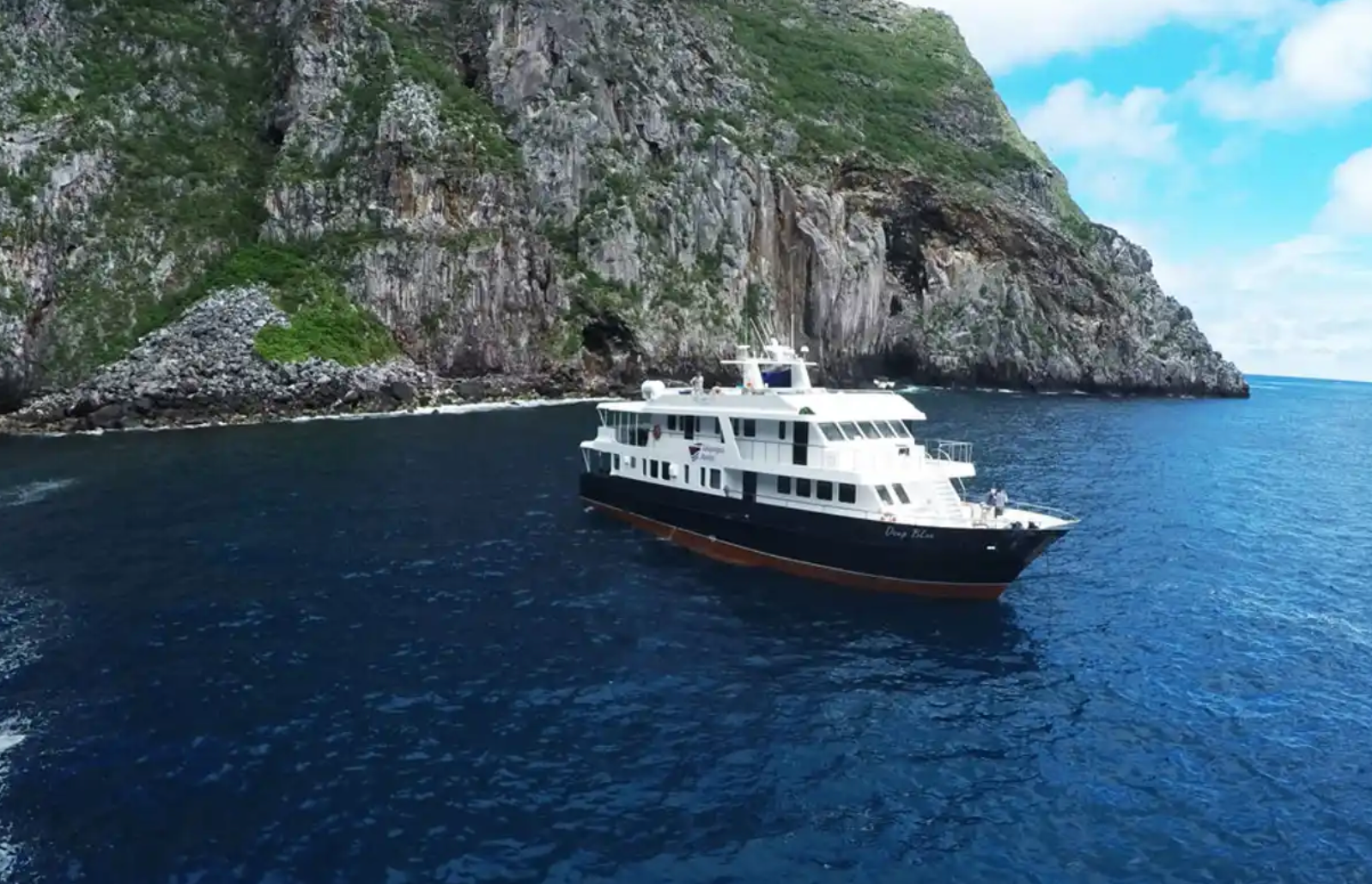
Galapagos Master
加拉帕戈斯
16 位客人
$669/天
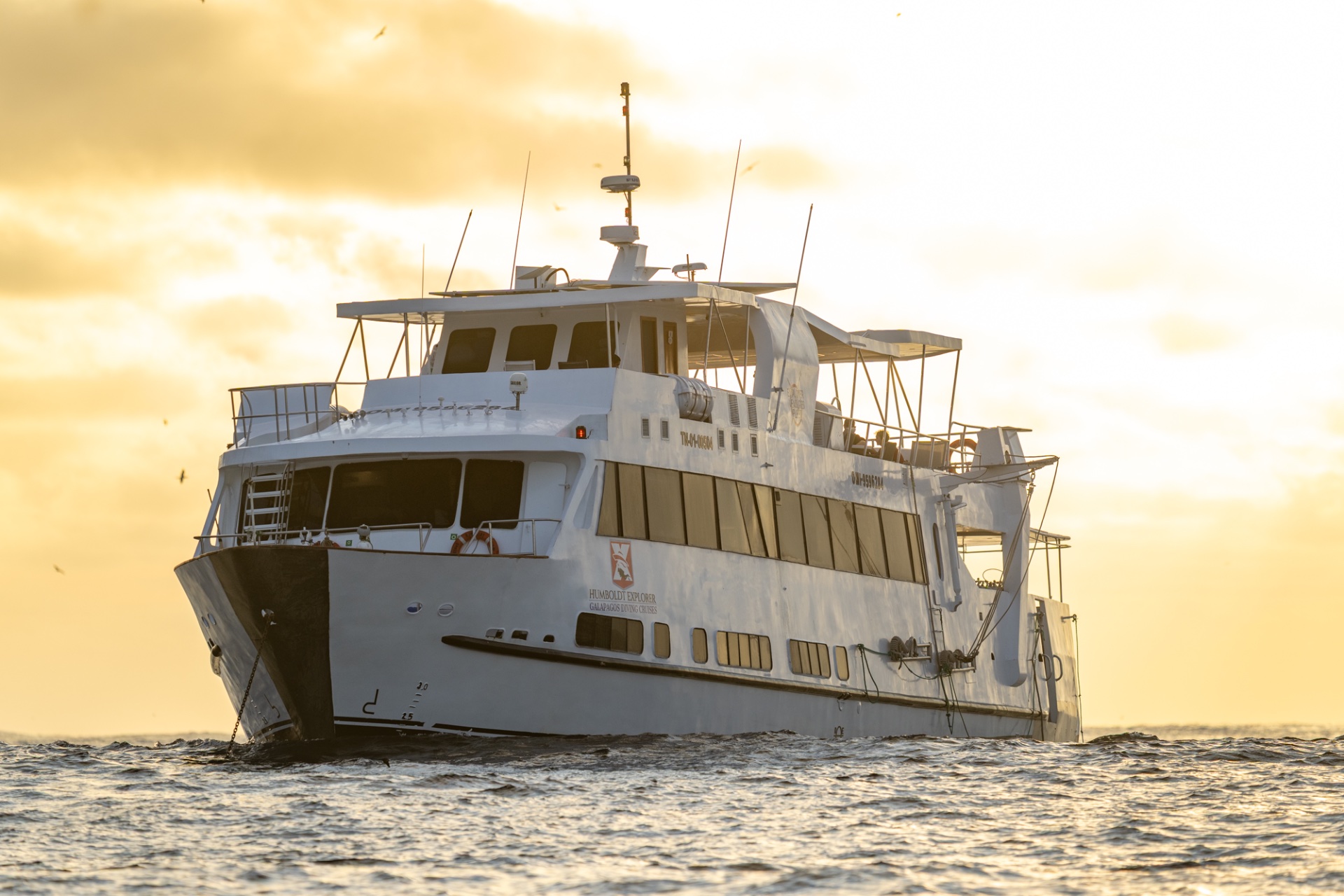
Humboldt Explorer
加拉帕戈斯
16 位客人
$612/天
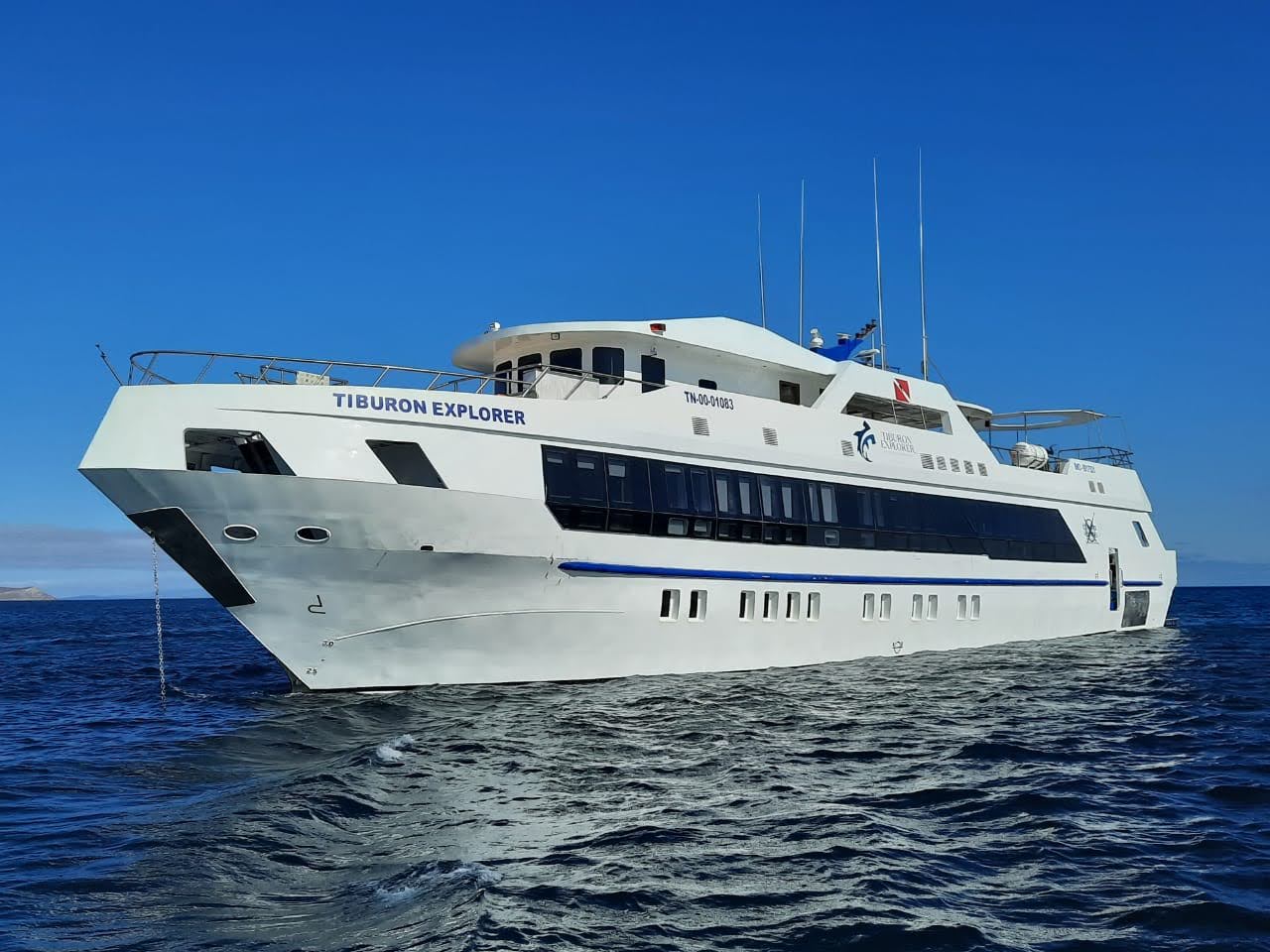
Tiburon Explorer
加拉帕戈斯
16 位客人
$924/天
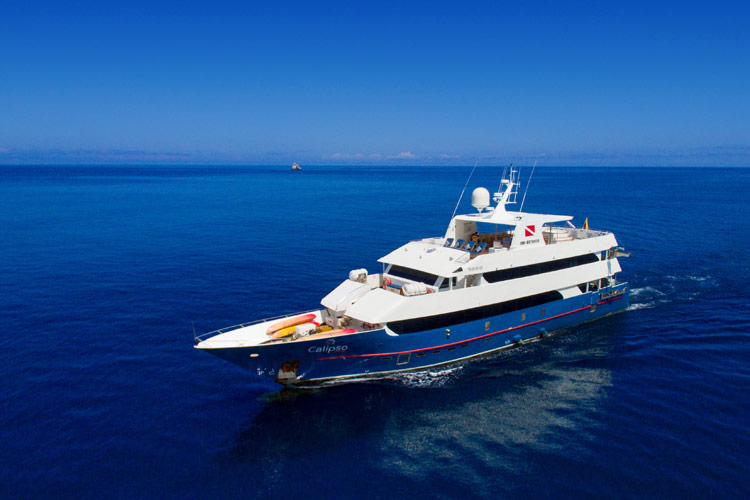
Calipso
加拉帕戈斯
16 位客人
$819/天
与 Camano Islet 相似的潜点
同样的特色、同样的海域——另外六个同样迷人的潜点。比较季节、交通方式和船宿路线,然后选择最适合你行程的潜点。
© Esri — Maxar, Earthstar, GIS
弗洛雷亚纳 - 魔鬼皇冠
加拉帕戈斯
位于加拉帕戈斯群岛Floreana Island近海的Devil's Crown,被公认为该群岛最顶级的潜水和浮潜目的地之一。
- 适合
- 初级
- 水流
- 强
- 交通方式
- 仅船宿
- 深度
- 3–15 m
- 主题
- 珊瑚礁
普拉萨群岛(Plaza Islands),特别是南普拉萨岛(South Plaza Island),是加拉帕戈斯群岛中一个值得关注的潜水地点,被公认为能为经验尚浅的潜水员提供绝佳体验。
- 适合
- 初级
- 水流
- 微弱
- 交通方式
- 船宿或日间船
- 深度
- —
- 主题
- 珊瑚礁
Pinzon岛位于加拉帕戈斯群岛的中心岛屿之间,这片水域通常比北部或西部地区更温暖、更受保护。
- 适合
- 高级
- 水流
- 强
- 交通方式
- 船宿或日间船
- 深度
- ≤ 18 m
- 主题
- 珊瑚礁 / 放流
圣菲岛,英文名为巴林顿岛,是加拉帕戈斯群岛中一个独特的潜水地点,以其显著的地质年龄和高度的物种特有性而闻名。地质学家估计该岛已有 400 万至 450 万年的历史,这使其可能成为群岛中最古老的岛屿。与加拉帕戈斯大多数其他岛屿不同,圣菲岛是由褶皱地质层的抬升形成,而非火山活动。岛上风光如画,有一个碧绿的海湾,旁边是大片的巨型仙人掌森林。…
- 适合
- 初级
- 水流
- 微弱
- 交通方式
- 船宿或日间船
- 深度
- 5–30 m
- 主题
- 珊瑚礁
© Esri — Maxar, Earthstar, GIS
El Arenal - 圣地亚哥
加拉帕戈斯
加拉帕戈斯群岛北部,达尔文岛附近的埃尔阿雷纳尔(El Arenal),被誉为世界顶级的潜水地点之一。它以其丰富多样的海洋生物而闻名,是寻求与大型远洋鱼类邂逅的经验丰富的潜水员的梦想目的地。该地点偏远,需要乘坐潜水船宿才能到达,这使其水下环境保持着原始和未受破坏的状态。在这里,潜水员可以期待目睹大量大型海洋物种的非凡聚集,包括各种鲨鱼和鳐鱼,它们被加拉帕戈斯群…
- 适合
- 中级
- 水流
- 强
- 交通方式
- 仅船宿
- 深度
- 3–18 m
- 主题
- 珊瑚礁
© Esri — Maxar, Earthstar, GIS
道格拉斯角 - 费尔南迪纳
加拉帕戈斯
Cape Douglas 位于 Galápagos 偏远的 Fernandina Island 附近,提供以其特有的海洋生物为核心的真正独特的潜水体验。
- 适合
- 高级
- 水流
- 强
- 交通方式
- 仅船宿
- 深度
- 5–33 m
- 主题
- 珊瑚礁