Bluerides – Blue Rides - Boka dykkryssningar över hela världenOCEAN ADVENTURES
FlodkryssningarFloderNatur & djurlivVårt löfte
FlodkryssningarFloderNatur & djurlivVårt löfteLogga in

Floddestinationer

  • Floddestinationer
  • Amazonas
  • Donau
  • Rhen
  • Mekong
  • Nilen

Fartyg & avgångar

  • Sök flodkryssning
  • Erbjudanden

Natur & djurliv

  • Natur & djurliv

Resesupport

  • Vårt löfte
  • Kontakt

Kontakt

Ta kontakt

Hör av dig när som helst, vi hjälper dig gärna med resan eller dina frågor.

E-postSkriv till oss, vi svarar oftast inom några timmar.
contact@bluerides.com
WhatsAppSkriv till oss på WhatsApp, mån–fre 10:00–16:00 (CET).
Starta WhatsApp-chatt
TelefonRing oss, vi hjälper dig gärna.
Gratis samtal, mån–fre 10:00–20:00 (CET).
Europa+49 800 1144 990USA+1 888 557 7735Storbritannien+44 800 707 4152Australien+61 2 8599 6113Kanada+1 888 557 7735
Which river journey is yours?Answer 8 quick questions and find the river cruise that fits you.
8 questions, 1 minute·Plus Gift
Säkra betalningsmetoderDina betalningar är helt säkrade med AES-256-kryptering.
Drivs avStripeWiseAMEXPayGoogle PaySEPABank
Impressum·Villkor·Integritetspolicy·Om oss·Kontakt·Ansvarsfriskrivning·Partnerprogram·Cruise·
Följ oss här

© 2026 Blue Rides. Alla rättigheter förbehållna.·

Bluerides – Blue Rides - Boka dykkryssningar över hela världenOCEAN ADVENTURES
FlodkryssningarFloderNatur & djurlivVårt löfte
FlodkryssningarFloderNatur & djurlivVårt löfteLogga in
Mallard i våtmark — Columbia, Mississippi, Danube, Rhine, Seine, Douro, djurliv på flodkryssningar
Hem›Flodkryssningar›Flodens djurliv›Mallard

MallardAnas platyrhynchosVar och när du kan se dem

Föregående artLong-Tailed TitNästa artMarsh Tit

Snabbfakta om Mallard

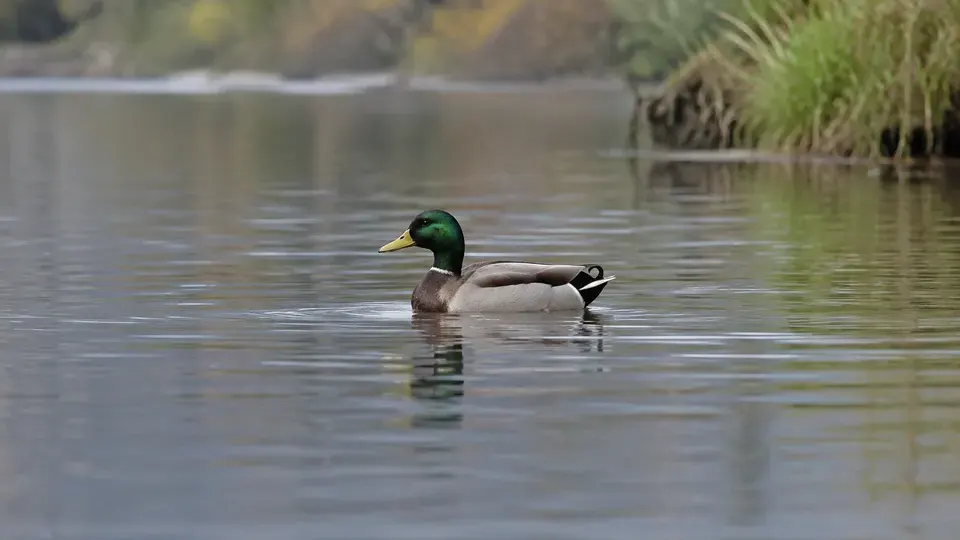
The Mallard is familiar enough to be overlooked, yet it offers one of the clearest introductions to river wetland ecology. A breeding male’s green head, grey flanks and curled black tail feathers contrast with the mottled brown female, but both belong to a highly adaptable dabbling species. Cornell records Mallards across North America and Eurasia in wild wetlands as well as parks. This registry includes multiple rivers, and each location retains its own evidence rather than borrowing a calendar from another continent. Familiarity around people does not make every Mallard domestic: watch the feeding method, mixed flock and habitat context before dismissing a bird as merely a park duck.
Beteende & fortplantning

Storlek
Not verified
Vikt
Not verified
Livslängd
Not verified
Status
Not verified

Mallards usually obtain food by dabbling, tipping forward or picking at the shore rather than pursuing fish underwater. They also walk through fields and along muddy edges. Females generally nest on the ground beneath concealing vegetation, though artificial structures and unusual settings are also used. The nest is formed as a shallow depression and lined with nearby material and down. A female may be concealed only a short distance from a busy path, making off-trail exploration particularly disruptive. Watch feeding and resting birds without encouraging them to approach. Families need uninterrupted routes between cover and water; a duckling near an adult is not an invitation to move closer for a portrait.

Bästa platserna för djurliv

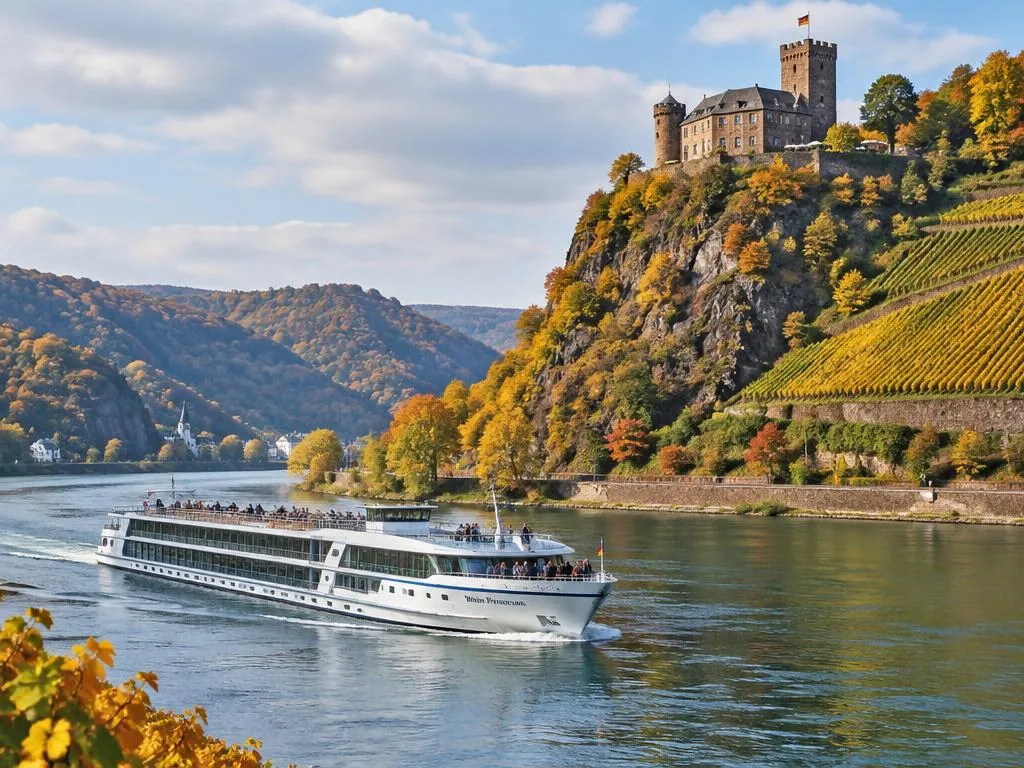
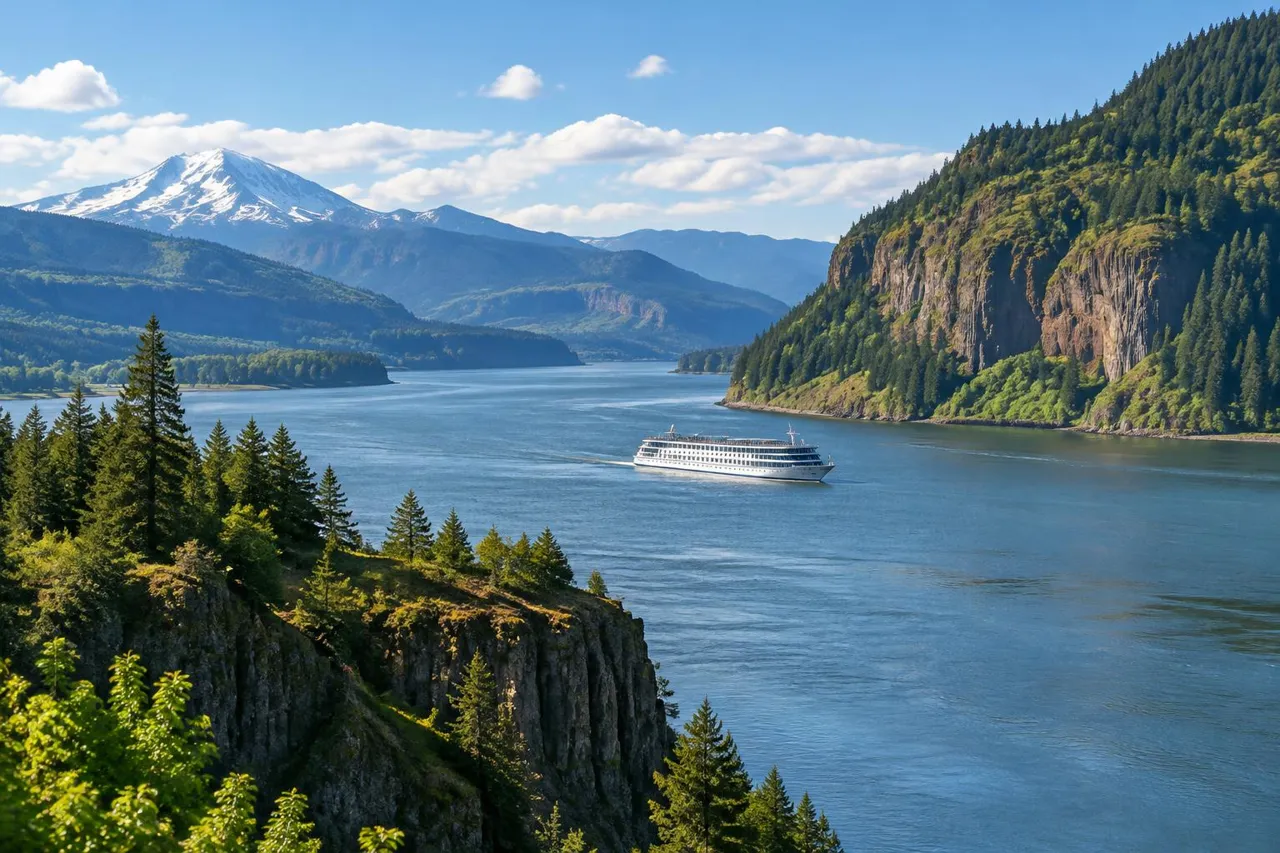
Flodlandskap Columbia — livsmiljö på flodkryssningar

Columbia

Most records cover Umatilla refuge backwaters along the Columbia near Boardman–Irrigon. Seasonal waterfowl may be best in winter rather than the sailing season. Bighorn sheep require a separate Hells Canyon excursion on the Snake River.
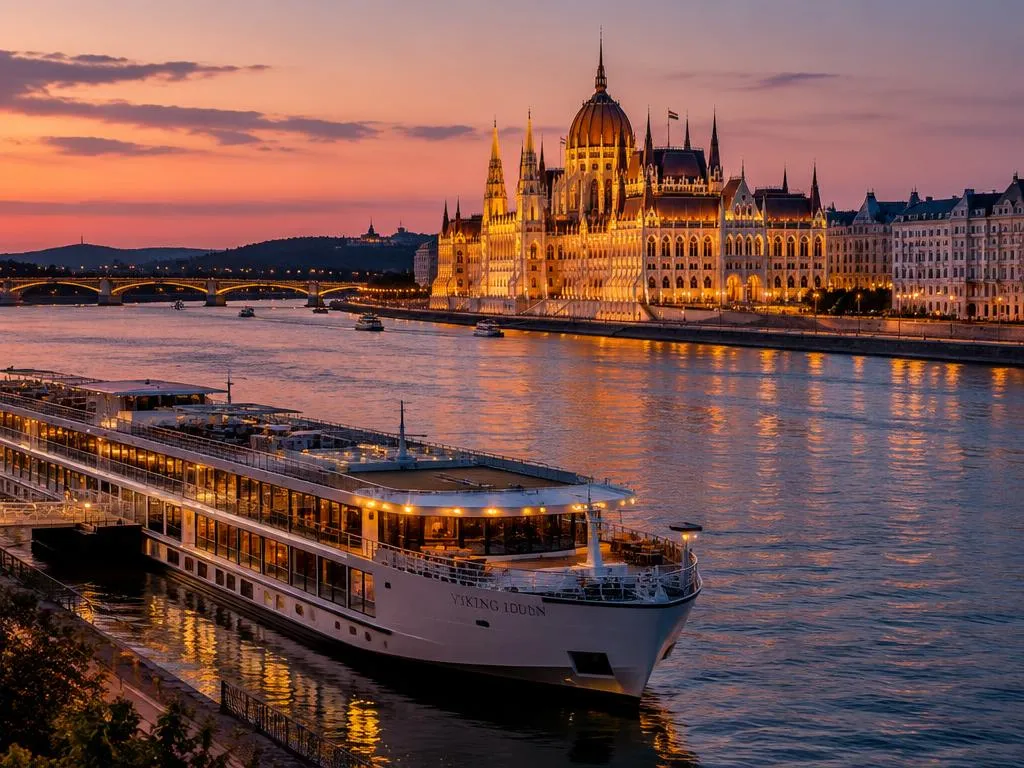
Utforska flodkryssningar
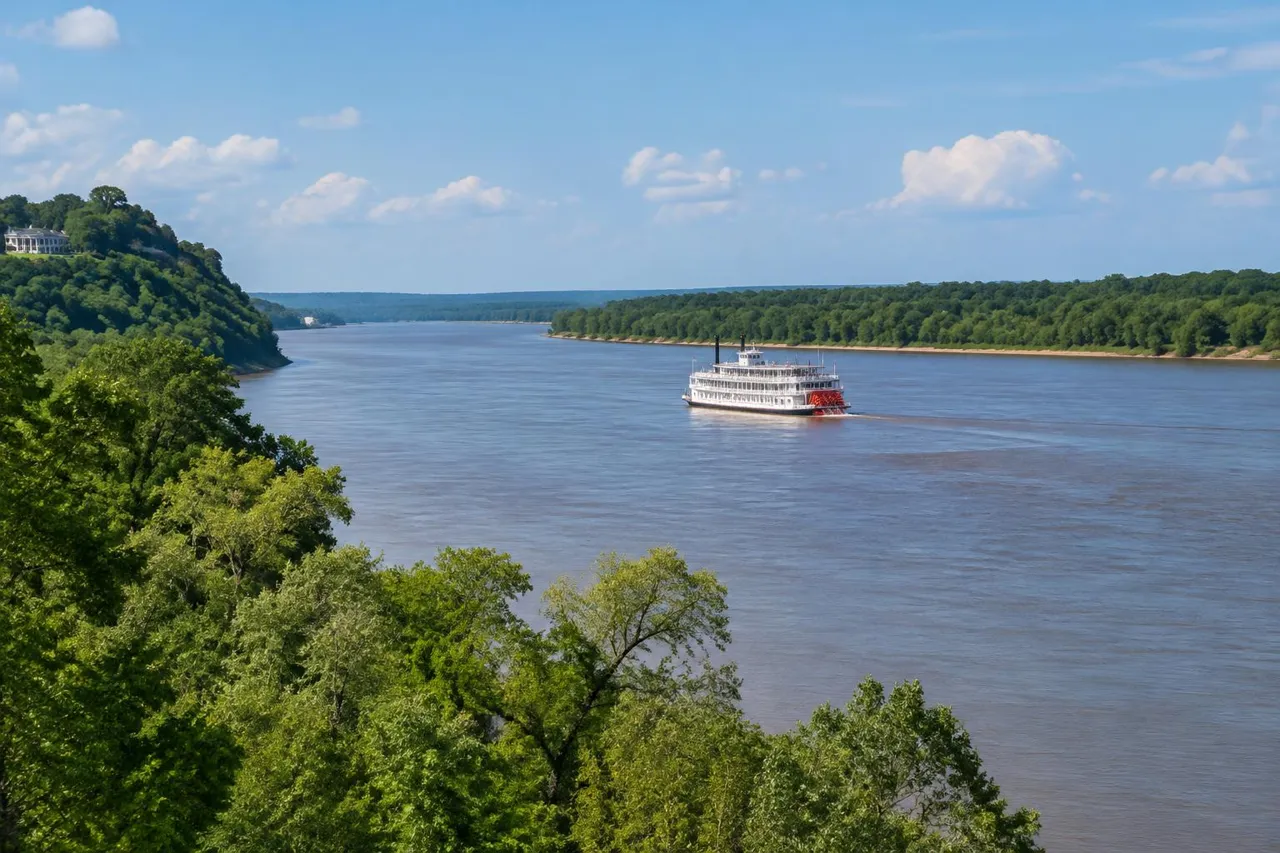
Flodlandskap Mississippi — livsmiljö på flodkryssningar

Mississippi

Upper Mississippi — Upper Mississippi River NWR, Wabasha MN–Rock Island IL

Utforska flodkryssningar
Flodlandskap Danube — livsmiljö på flodkryssningar

Danube

Austrian records refer to Donau-Auen between Vienna and Hainburg, often requiring a floodplain walk. Pelicans and many wetland birds refer specifically to the separate Danube Delta itinerary. They are not promised on Passau–Budapest cruises.

Utforska flodkryssningar
Flodlandskap Rhine — livsmiljö på flodkryssningar

Rhine

Records refer to named Upper/Middle/Lower Rhine birding sites and optional riverside, vineyard or floodplain excursions. Several ducks are winter visitors; no animal is guaranteed on every Basel–Amsterdam sailing.

Utforska flodkryssningar
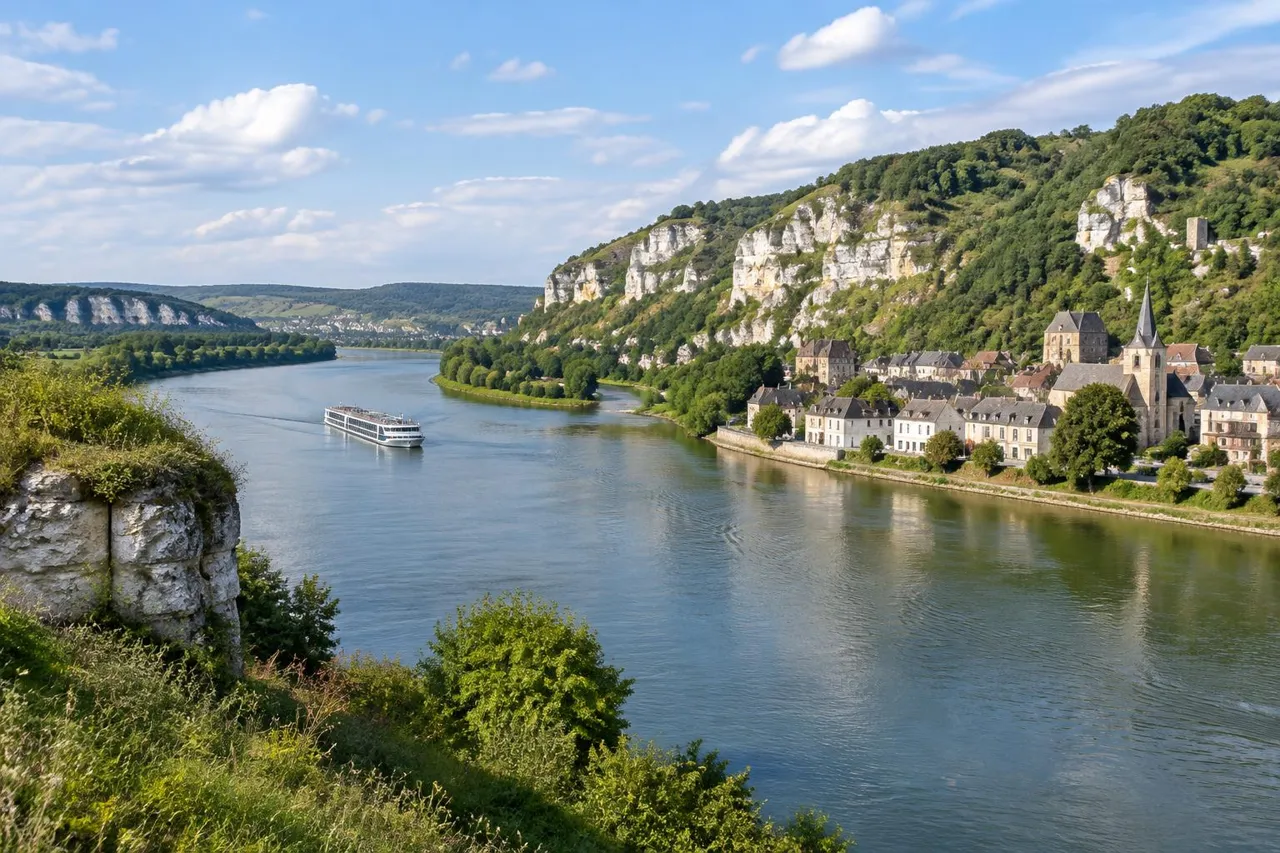
Flodlandskap Seine — livsmiljö på flodkryssningar

Seine

Bird records cover the Grande Noë floodplain reserve, lower-Seine marshes and the estuary. These are shore/wetland outings, not universal deck sightings; estuary birds require the appropriate lower-river itinerary. Winter visitors are clearly noted.

Utforska flodkryssningar
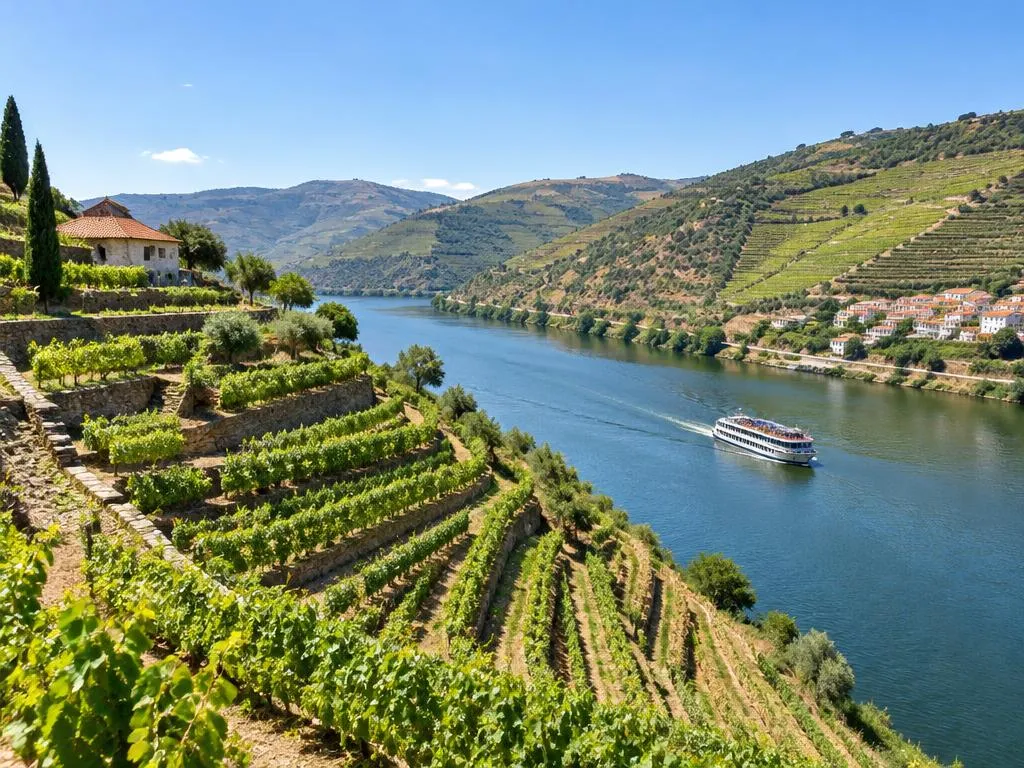
Flodlandskap Douro — livsmiljö på flodkryssningar

Douro

This researched bird list is specific to the Douro estuary at Porto/Vila Nova de Gaia, including seasonal shorebird and waterfowl visits. It does not imply these birds can be seen inland at Régua, Pinhão or on every vineyard cruise.

Utforska flodkryssningar

Destinationerna beskriver artens naturliga miljö, inte garanterade stopp under kryssningen. Vissa djur kräver en tillvalsutflykt inåt land eller finns endast i skyddade reservat.

Rolig fakta om Mallard

  • Mallards are dabbling ducks.
  • They also forage on land.
  • Females usually nest on the ground.
  • Nests are lined with down.
  • The diet includes aquatic invertebrates.
  • Agricultural grain is eaten during migration.
  • The male has curled black tail feathers.
  • Most domestic duck breeds descend from Mallards.
  • The species occurs in North America and Eurasia.

Bästa tiden att se Mallard

For Mallard, the strongest local viewing guidance here is the Upper Mississippi refuge’s own recommendation for backwater overlooks. Its birding account explicitly names this species among ducks gathering from mid–late September through late October or early November. The stored months are therefore September, October and November, but the first and last are partial windows; this is not a claim of equal abundance throughout all three months. This recommendation applies only to the listed Upper Mississippi refuge backwaters; all other registered locations retain unknown months.

Mallard: säsongsöversikt per destination

Highlighted months reflect the stated local evidence, not guaranteed encounters. Neutral months mean no verified monthly viewing window, not absence. Observation records and recommended viewing windows are distinct.

Columbia

Ingen specifik kalender för flodens djurliv är bekräftad. Kontrollera den aktuella sträckan av floden, lokala förhållanden och tillgängliga utflykter med din arrangör.

jan.feb.marsapr.majjunijuliaug.sep.okt.nov.dec.
Utforska flodkryssningar

Mississippi

Upper Mississippi backwater overlooks: mid–late September through late October/early November; September and November are partial months, not whole-month guarantees.

jan.feb.marsapr.majjunijuliaug.sep.okt.nov.dec.
Utforska flodkryssningar

Danube

Ingen specifik kalender för flodens djurliv är bekräftad. Kontrollera den aktuella sträckan av floden, lokala förhållanden och tillgängliga utflykter med din arrangör.

jan.feb.marsapr.majjunijuliaug.sep.okt.nov.dec.
Utforska flodkryssningar

Rhine

Ingen specifik kalender för flodens djurliv är bekräftad. Kontrollera den aktuella sträckan av floden, lokala förhållanden och tillgängliga utflykter med din arrangör.

jan.feb.marsapr.majjunijuliaug.sep.okt.nov.dec.
Utforska flodkryssningar

Seine

Ingen specifik kalender för flodens djurliv är bekräftad. Kontrollera den aktuella sträckan av floden, lokala förhållanden och tillgängliga utflykter med din arrangör.

jan.feb.marsapr.majjunijuliaug.sep.okt.nov.dec.
Utforska flodkryssningar

Douro

Ingen specifik kalender för flodens djurliv är bekräftad. Kontrollera den aktuella sträckan av floden, lokala förhållanden och tillgängliga utflykter med din arrangör.

jan.feb.marsapr.majjunijuliaug.sep.okt.nov.dec.
Utforska flodkryssningar

Här lever Mallard

Mallards use marshes, floodplains, beaver ponds, lakes, reservoirs, estuaries and temporary wetlands, as well as human-managed waters. Feeding can extend into ditches, pastures and cultivated fields. This breadth helps explain their presence in several river registries, but does not establish equal abundance throughout each basin. Sheltered edges and shallow backwaters usually offer more interpretable feeding observations than a distant main channel. Where riverside parks hold domestic waterfowl, wild birds may mix with unusually coloured individuals. Use the registered reach as the geographical starting point, then check current access to its wetland margins rather than assuming every waterside lawn or field is open to visitors.

Vad Mallard äter

Seeds, aquatic vegetation and animal food all form part of the Mallard’s generalist diet. Cornell describes substantial use of aquatic insect larvae, worms, snails and freshwater shrimp during breeding, and agricultural grain during migration. Birds dabble at the surface, tip to reach underwater food and pick items from the ground. These different actions explain why a Mallard may alternate between shallow water and a muddy shore without changing its basic feeding strategy. Bread is not needed to sustain an observation. Watching a natural feeding patch reveals how depth and vegetation affect access to food, whereas handouts concentrate birds around people and obscure their choices.

Arten i korthet

Namn
Mallard
Scientific name
Anas platyrhynchos
Djur grupp
Birds
Storlek
Not verified in the accessible source text.
Vikt
Not verified in the accessible source text.
Livslängd
Wild lifespan not verified in the accessible source text.
Status
Current global conservation assessment not verified.
Identifiering
A breeding male shows a green head, narrow white neck ring, chestnut breast, grey flanks and curled black tail feathers. Females are mottled brown and require attention to bill, face pattern, proportions and wing pattern rather than overall colour alone. Both sexes have the familiar broad-billed dabbling-duck shape. Domestic ancestry complicates some riverbank flocks: unusually white, dark or bulky ducks may derive from Mallards without resembling typical wild birds. Nonbreeding males can also look much less distinctive than breeding drakes. Use several features and compare neighbouring species; a brown duck’s association with a green-headed male is not sufficient identification.

Mallard: vanliga frågor

Var kan jag se Mallard?
Columbia, Mississippi, Danube, Rhine, Seine, Douro. Scan the shallowest visible edges before moving to open water. Males are easy to locate, but take time to find mottled females among reeds and mixed ducks. Compare birds in the same light, and wait for a wing stretch or side view rather than identifying every brown duck as a Mallard. At the Upper Mississippi refuge, backwater overlooks have explicit local autumn guidance; other registered rivers require their own checks. Keep a quiet distance from broods and concealed nesting cover. In parks, ignore demands for handouts and observe birds that continue natural feeding. A stationary observer usually sees more useful behaviour than someone walking directly towards the flock.
När är den bästa tiden att se Mallard?
For Mallard, the strongest local viewing guidance here is the Upper Mississippi refuge’s own recommendation for backwater overlooks. Its birding account explicitly names this species among ducks gathering from mid–late September through late October or early November. The stored months are therefore September, October and November, but the first and last are partial windows; this is not a claim of equal abundance throughout all three months. This recommendation applies only to the listed Upper Mississippi refuge backwaters; all other registered locations retain unknown months.
Hur stor blir Mallard?
Not verified in the accessible source text.. Vikt som vuxen: Not verified in the accessible source text.. Storleken varierar med ålder, kön och population.
Hur ska jag bete mig i närheten av Mallard?
Scan the shallowest visible edges before moving to open water. Males are easy to locate, but take time to find mottled females among reeds and mixed ducks. Compare birds in the same light, and wait for a wing stretch or side view rather than identifying every brown duck as a Mallard. At the Upper Mississippi refuge, backwater overlooks have explicit local autumn guidance; other registered rivers require their own checks. Keep a quiet distance from broods and concealed nesting cover. In parks, ignore demands for handouts and observe birds that continue natural feeding. A stationary observer usually sees more useful behaviour than someone walking directly towards the flock.
Vad äter Mallard?
Seeds, aquatic vegetation and animal food all form part of the Mallard’s generalist diet. Cornell describes substantial use of aquatic insect larvae, worms, snails and freshwater shrimp during breeding, and agricultural grain during migration. Birds dabble at the surface, tip to reach underwater food and pick items from the ground. These different actions explain why a Mallard may alternate between shallow water and a muddy shore without changing its basic feeding strategy. Bread is not needed to sustain an observation. Watching a natural feeding patch reveals how depth and vegetation affect access to food, whereas handouts concentrate birds around people and obscure their choices.
Är man garanterad att få se vilda djur på en flodkryssning?
Nej. Djuren rör sig fritt och rutter, väder, tillträdesbegränsningar och lokala förhållanden påverkar varje utflykt. Bekräfta den faktiska resplanen och programmet på land före bokning.

Jämför djurliv på samma destinationer

Utforska andra birds som registrerats på dessa destinationer. Liknande omgivningar innebär inte att djuren har samma vanor eller observationssäsong.

Artjämförelse per djurgrupp och destination
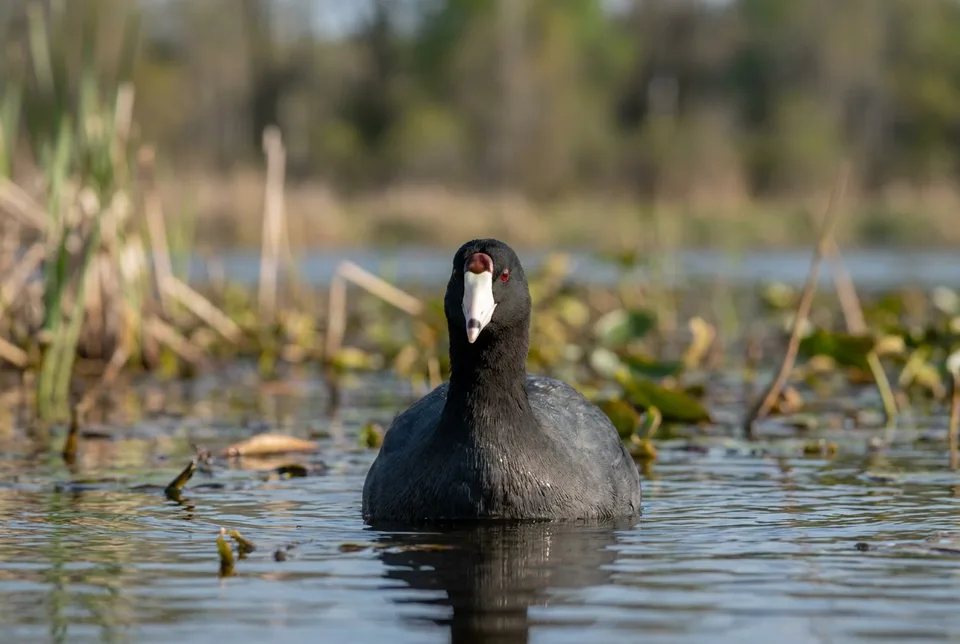
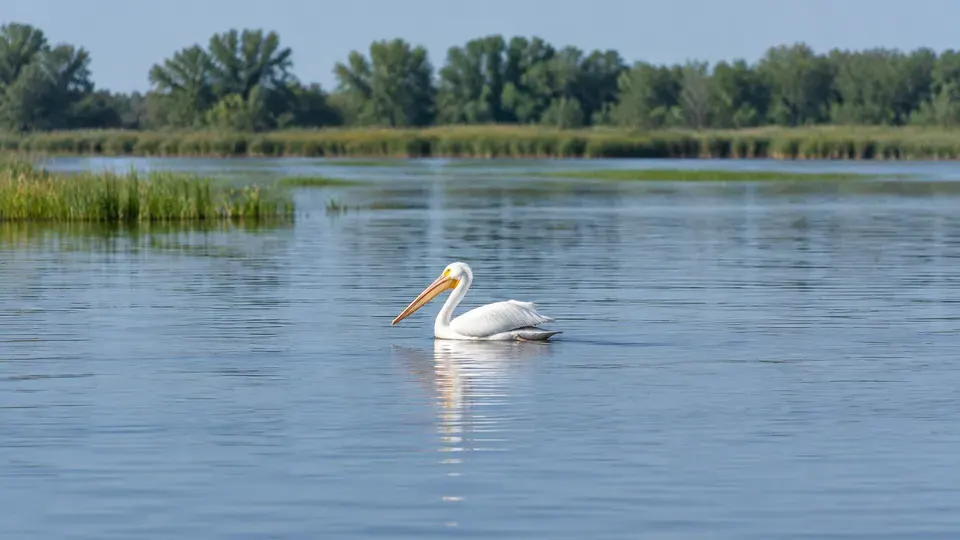
Mallard i våtmark — Columbia, Mississippi, Danube, Rhine, Seine, Douro, djurliv på flodkryssningarMallardAmerican Coot i våtmark — Columbia, djurliv på flodkryssningarAmerican CootAmerican white pelican i våtmark — Columbia, Mississippi, djurliv på flodkryssningarAmerican White Pelican
Djur gruppBirdsDjur gruppBirdsDjur gruppBirds
DestinationerColumbia, Mississippi, Danube, Rhine, Seine, DouroDestinationerColumbiaDestinationerColumbia, Mississippi
Scientific name
Anas platyrhynchos
Scientific name
Scientific name
Föregående artLong-Tailed TitNästa artMarsh Tit
Allt djurliv längs floden
On this page
  • 01Cirka
  • 02Beteende & fortplantning
  • 03Bästa platserna för djurliv
  • 04Roliga fakta
  • 05Bästa säsong
  • 06Säsongsöversikt per destination
  • 07Livsmiljö
  • 08Föda
  • 09Arten i korthet
  • 10Frågor & svar
  • 11Jämför

Find your river cruise

Planera din resa

Hitta din nästa flodkryssning

Jämför destinationer, utflyktsprogram och datum utifrån de djur och livsmiljöer du vill uppleva.

  • Dagliga strandhugg
  • Ansvarsfull djurskådning
  • Boutique-flodfartyg
Utforska flodkryssningar