Условия в августе
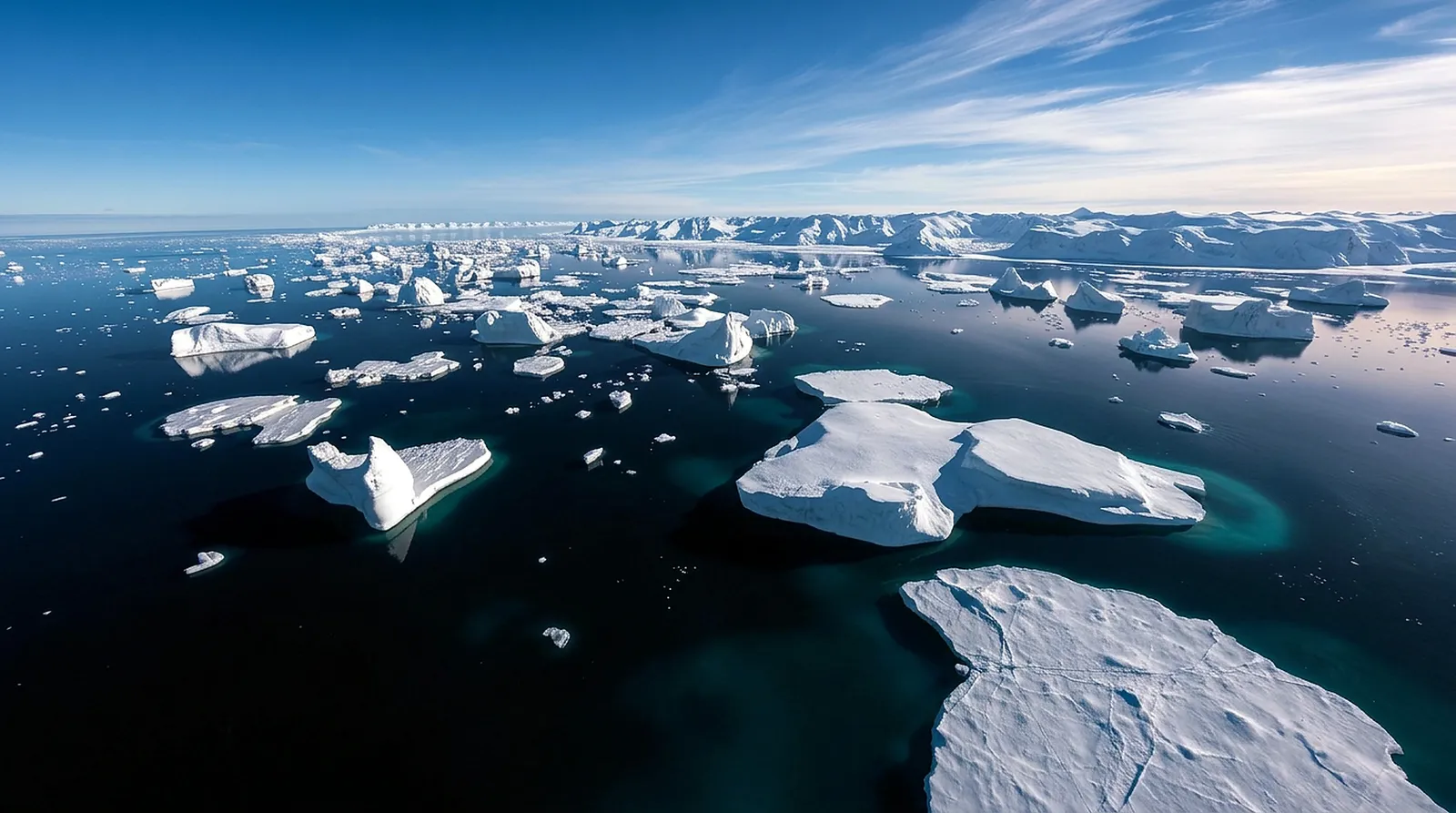
Diving in Antarctica during August is not feasible or recommended. August falls within the austral winter, a period characterized by extreme cold, extensive sea ice coverage, and exceptionally harsh weather conditions that make recreational diving impossible and dangerous. The water temperature will be well below freezing, averaging around -1.8°C (28.8°F), its freezing point for saltwater. Visibility, while potentially good in open water, is largely irrelevant due to the extensive ice cover. Strong winds, blizzards, and extended periods of darkness dominate the Antarctic continent and its surrounding waters during this time.
The vast majority of the Antarctic Peninsula, the South Shetland Islands, and other popular diving areas are encased in thick, impenetrable sea ice. This ice not only prevents access by liveaboards and Zodiacs but also makes any attempt at diving extremely risky. Even if an ice-breaker vessel could theoretically reach a patch of open water, the hazards of shifting ice, rapid refreezing, and the sheer difficulty of maintaining safety in such conditions would be insurmountable for leisure diving operations. Currents are often unpredictable and can be intensified by the presence of sea ice, further adding to the dangers.
Therefore, Blue Rides, as a responsible liveaboard agency, does not offer or endorse dive trips to Antarctica in August. The season for Antarctic diving typically runs from late November to early March, when conditions are relatively milder, sea ice recedes, and wildlife activity is at its peak. Any claims of diving opportunities in August in Antarctica should be viewed with extreme skepticism, as they would be contrary to established safety protocols and environmental realities.
Что ты увидишь
Given that diving in Antarctica in August is not possible, there are no marine life sightings specific to this month that a diver could experience. During the austral winter, most pelagic life, including whales and many seabirds, migrate north to warmer waters. The marine mammals that remain, such as seals and some penguins, are likely to be found on or around the extensive ice sheets, where human access is severely limited or impossible. Their activity under the ice would be observable only by dedicated scientific expeditions equipped for extreme polar conditions, not leisure divers.
The vibrant ecosystem that supports pelagic species, such as krill blooms, is significantly reduced or dormant during the winter months. This means there would be no aggregation of larger marine life in the water column that typically draws divers during the summer season. While hardy creatures like Antarctic silverfish, various invertebrates, and some species of deep-sea fish would still inhabit the frigid waters, encountering them would be highly improbable due to the lack of accessibility and safety.
In essence, if one were to defy the extreme conditions and miraculously get into the water in August, the experience would be dominated by the stark beauty of ice formations and the profound silence of a frozen world, rather than diverse marine encounters. The rich biodiversity that makes Antarctic diving so special is a seasonal phenomenon, peaking during its brief summer when ice melts and life flourishes.
Лучшие дайв-сайты в этом месяце
As previously stated, diving in Antarctica in August is not possible due to extreme winter conditions and extensive sea ice. Consequently, there are no "best dive sites" for this month, as all potential sites are inaccessible and unsafe for recreational diving. Liveaboards and all commercial dive operations cease during the austral winter because the entire region becomes an inhospitable frozen wilderness.
During the typical diving season (November to March), popular dive sites include spots around the Antarctic Peninsula, such as Port Lockroy, Paradise Harbour, and Neko Harbour, known for their stunning ice formations, curious seals, and vibrant shallow-water life. The South Shetland Islands, including Deception Island and Half Moon Island, are also prime locations, offering encounters with penguins and diverse invertebrate species. However, all these locations are completely iced over and unreachable in August.
Therefore, any expectation of diving at specific sites like Crystal Sound, the Lemaire Channel, or sites within the Gerlache Strait during August is entirely unrealistic. The very concept of "dive sites" implies accessibility and conditions suitable for diving, neither of which exists in Antarctica during its deepest winter months. If diving in Antarctica is your dream, plan your trip for the summer months when the continent truly reveals its underwater wonders.
Практические советы для твоей поездки
If you are planning an Antarctic dive trip, it is crucial to understand that August is not the time to go. The dive season is strictly limited to the austral summer, roughly from late November to early March. Trying to dive in August would require specialized scientific or military-grade equipment, support, and expertise for extreme polar environments, far beyond what recreational diving entails. This period demands dry suits of the highest quality (at least 7mm neoprene or shell dry suits with thick undergarments), full-face masks to prevent regulator freeze-up in air, and specialized cold-water regulators designed for sub-zero temperatures. Even with all this, the risks remain exceptionally high due to the conditions.
Blue Rides only operates and recommends liveaboard trips to Antarctica during the established dive season (late November to early March). During this actual season, trips are best suited for experienced cold-water divers who are comfortable with dry suit diving and have a good level of physical fitness. Beginners are generally not advised to undertake their first dry suit or cold-water dives in Antarctica. Availability for Antarctic liveaboards during the operating season is limited and books up quickly, often more than a year in advance, so early booking is essential.
For a realistic Antarctic dive trip during the proper season, what to pack includes multiple layers of thermal clothing for above-water excursions, waterproof and windproof outer layers, sturdy waterproof boots, and plenty of spare items for your dry suit system. Be aware that the weather can change rapidly, and even during summer, conditions can be challenging with strong winds and cold temperatures. Always choose a reputable liveaboard operator that adheres to strict safety protocols and environmental guidelines for this pristine and fragile environment. Do not attempt to travel or dive in Antarctica in August for leisure purposes; it is simply not possible.
Годовой обзор по Антарктиде
Часто задаваемые вопросы
августе, хороший месяц для дайвинга в Антарктиде?
Что можно увидеть, ныряя в Антарктиде в августе?
Бронировать дайв-сафари в Антарктиде на августе или подождать?
Найди сафари на августе
Сравни доступные сафари по Антарктиде с отправлением в августе.
Найти и забронировать