О Camano Islet
Островок Каманьо предлагает доступный и спокойный дайвинг на Галапагосском архипелаге, что делает его идеальным местом для менее опытных дайверов. В отличие от многих более сложных дайв-сайтов региона, он даёт новичкам возможность познакомиться с богатым подводным биоразнообразием Галапагосов в спокойной и комфортной обстановке. Топография здесь обычно характеризуется слабыми течениями и небольшими глубинами, что создаёт расслабляющую атмосферу для тех, у кого за плечами немного погружений. Такие условия позволяют дайверам комфортно исследовать подводный ландшафт без сложных условий, встречающихся в других частях архипелага. Хотя в источниках нет конкретных деталей о структуре, общее описание предполагает рифовую среду, удобную для лёгкого исследования. Хотя подробных списков морских обитателей для островка Каманьо нет, на сайтах, подходящих для новичков на Галапагосах, обычно обитает множество разноцветных рифовых рыб и морских черепах. Также вполне возможно встретить местные виды акул, что позволит дайверам полюбоваться культовой фауной Галапагосов в спокойной обстановке. С практической точки зрения, сайт характеризуется обычно слабыми течениями, что делает его расслабляющим местом для погружений, подходящим для большинства сертифицированных дайверов. Эта нетребовательная среда позволяет комфортно войти в воду и наслаждаться дайвингом, в отличие от часто сильных течений, встречающихся в других местах Галапагосов. Это идеальное место для дайверов, ищущих более мягкое знакомство со знаменитым подводным миром региона.
Ключевое
Дайвинг круглый годСлияние крупных океанских теченийКитовые акулы (сезонно)Стаи акул-молотовГалапагосские морские львыМорские игуаны (сезонно)Сильные течения и термоклинИсключительное морское биоразнообразие
Календарь по месяцам
Лучшие месяцы для дайвинга
Янв
Фев
Мар
Апр
Май
Июн
Июл
Авг
Сен
Окт
Ноя
Дек
Отлично
Хорошо
Факты о дайв-сайте: Camano Islet
- Глубина
- 70–114 ft
- Течение
- Умеренное до Очень сильное
- Видимость
- 15–30 m
- Температура воды
- 19–26°C
- Вход в воду
- Дайв-сафари / Тендер
- Уровень
- Опытный, необходим опыт погружений в течении
- Тип дайвинга
- Big animals, Дрейф, Пелагический
- Регион / порт
- Galápagos Islands
- Координаты
- -0.28386, -91.070359
Условия и течения
На островке Каманьо течения обычно слабые, что способствует расслабленной атмосфере для дайвинга, подходящей для большинства сертифицированных дайверов. Это резко контрастирует со многими другими сайтами на Галапагосах, где часто бывают сильные течения, особенно в прохладный сезон с июня по ноябрь. Более спокойные условия означают, что менее опытные дайверы могут комфортно управлять своей плавучестью и навигацией без необходимости использовать продвинутые техники дайвинга в течениях, такие как отрицательный вход в воду или рифовые крюки. Видимость на Галапагосах может варьироваться, но мягкие условия на Каманьо обычно обеспечивают приятные впечатления. Это делает его идеальным местом для дайверов, которые предпочитают более спокойное исследование без значительных волн или трудностей, связанных с мощными пелагическими потоками, гарантируя приятное погружение.
Подводный мир и вероятность встречи

Hammerhead sharks
Year-round, larger schools Dec-May · часто
Whale sharks
June-November · иногда
Manta rays
March-May · иногда
Galapagos sharks
Year-round · часто
Silky sharks
Year-round · иногда
Sea lions
Year-round · часто
Green sea turtles
Year-round · часто
Moray eels
Year-round · часто
White-tip reef sharks
Year-round · часто
Galapagos grunts
Year-round · часто
Bluestripe snappers
Year-round · частоПрофиль погружения
Galápagos diving often involves negative entries into strong currents, with dive leaders typically assessing the prevailing conditions to determine the best approach. Divers should expect to drift with the current for much of the dive, using reef hooks when observing marine life in stationary positions. The dive profile is often multi-level, starting deeper to seek out pelagics and then gradually ascending along reefs or walls. Given the strong surge and potential for downcurrents, maintaining neutral buoyancy and being prepared for rapid depth changes is crucial. Safety stops are typically performed in the blue, potentially deploying a surface marker buoy (SMB) upon ascent, as currents can carry divers a considerable distance from the initial entry point. Dive times are often limited by air consumption in strenuous conditions and cold water.
Подводная фотография
Galápagos diving, with its strong currents and large pelagic subjects, demands careful planning for photography. Wide-angle lenses are essential for capturing schooling hammerheads, manta rays, and whale sharks. Due to often-turbid waters from nutrient-rich currents, close focus wide-angle techniques are beneficial. Strobes are crucial to add color and contrast, especially for deeper subjects or when visibility is reduced. Buoyancy control and efficient movement are paramount; flailing or uncontrolled movements will disturb marine life and compromise shot stability. Keeping a low profile close to rocks can help wildlife approach, but always be aware of potential hazards like scorpionfish. Photographing in strong surge requires anticipation and timing, often using the natural sway to position for shots.
Сочетается с этими сайтами
- North Seymour
Often a checkout dive site with diverse marine life and land tours.
- Gordon Rocks
Known for strong currents and hammerhead sharks.
- Cousin's Rock
Pinnacle dive with abundant reef fish and pelagic encounters.
- Kicker Rock (León Dormido)
Famous for shark encounters, including hammerheads and Galápagos sharks.
- Isla Tortuga - South Wall
Wall diving with potential for pelagic sightings.
Как добраться и логистика
Access to the Galápagos Islands typically begins with international flights into mainland Ecuador, either Guayaquil (GSP) or Quito (UIO), followed by a domestic flight to Baltra Island (GPS) or San Cristóbal Island (SCY). Most diving at premier sites, including Camano Islet, is conducted via liveaboard vessels, offering trips typically ranging from 7 to 10 nights. Liveaboards depart from and return to Baltra Island, near Santa Cruz, or San Cristóbal. Upon arrival at Baltra, divers transfer directly to their liveaboard. Park entry fees are required for all visitors to the Galápagos National Park, and a transit control card must also be purchased. Itineraries often combine dives at central islands with longer transits to more remote northern sites like Wolf and Darwin.
Безопасность и экология
Diving in the Galápagos demands a high level of diver preparedness due to strong currents, significant surge, and cold water thermoclines. Divers should hold advanced certifications and possess extensive experience in current diving. It is highly recommended to carry a surface marker buoy (SMB), an Emergency Position Indicating Radio Beacon (EPIRB), or a personal locator device for safety in case of separation from the group or boat. Decompression sickness is a risk, so strict adherence to dive plans and slow ascents are critical. The nearest recompression chamber is located in Puerto Ayora on Santa Cruz Island. Medical evacuation from remote dive sites can be challenging and time-consuming. Comprehensive dive accident insurance and travel insurance with emergency evacuation coverage are essential for all divers visiting the Galápagos.
Кому подходит — а кому нет
Подходит для
- Experienced divers comfortable with strong currents
- Advanced Open Water Divers
- Divers seeking large pelagic encounters
- Underwater photographers with wide-angle setups
- Those equipped for cold water and thermoclines
Меньше подходит для
- Beginner divers or those with limited experience
- Divers uncomfortable with negative entries
- Individuals prone to seasickness in choppy conditions
- Divers without excellent buoyancy control skills
- Those without proper thermal protection for cold water
Часто задаваемые вопросы
Вопросы о Camano Islet
What is the best time of year to dive in the Galápagos for whale sharks?
The peak season for whale shark encounters in the Galápagos is generally from June to November. During these cooler months, the nutrient-rich upwellings attract these majestic creatures to the islands. While sightings are never guaranteed, this period offers the highest probability for divers hoping to swim with whale sharks.
How strong are the currents in the Galápagos?
The currents in the Galápagos can be very strong, often exceeding 5 knots at popular dive sites. These powerful currents are a result of major oceanic flows converging around the islands. Divers must be proficient in drift diving techniques and prepared for vigorous conditions, sometimes requiring the use of reef hooks to stay in place.
Is the water cold in the Galápagos, and what wetsuit should I bring?
Water temperatures in the Galápagos can vary significantly, ranging from 19-23°C (66-73°F) during the cooler season (June-November) and 22-26°C (72-79°F) in the warmer months (December-May). Additionally, thermoclines can cause sudden drops to 12-15°C. A 7mm wetsuit, possibly with a hood and gloves, is highly recommended for thermal comfort, especially during the colder months or longer dives.
Do I need special certifications to dive in the Galápagos?
While PADI or SSI certification is mandatory, the Galápagos generally requires divers to be Advanced Open Water certified or equivalent, with significant experience in strong currents. Some sites may have minimum logged dive requirements of 10, 15, or even 30 dives. Beginner divers may find easier sites during the warmer months, but the destination is primarily suited for experienced divers.
What kind of marine life can I expect to see while diving in the Galápagos?
The Galápagos Islands are a hotspot for diverse marine life. Divers frequently encounter schooling hammerhead sharks, Galápagos sharks, and white-tip reef sharks. Depending on the season, you might also see whale sharks, giant manta rays, marine iguanas, playful sea lions, green sea turtles, and various schooling fish like bluestripe snappers and Galápagos grunts.
Почему стоит нырять Camano Islet с сафари?
Camano Islet — один из знаковых сайтов в Галапагос. Сафари даёт ночлег на воде и три-четыре погружения в день, включая рассветные и ночные, которые редко предлагают дневные операторы. Ты избегаешь ежедневного возвращения в порт и за одну поездку достигаешь более тихих мест в том же регионе.
Ниже — суда, включающие Camano Islet в свои маршруты по Галапагос.
Сафари к Camano Islet
Эти дайв-сафари могут посещать Camano Islet на отдельных маршрутах — конкретные дайв-сайты зависят от даты, погоды и условий.
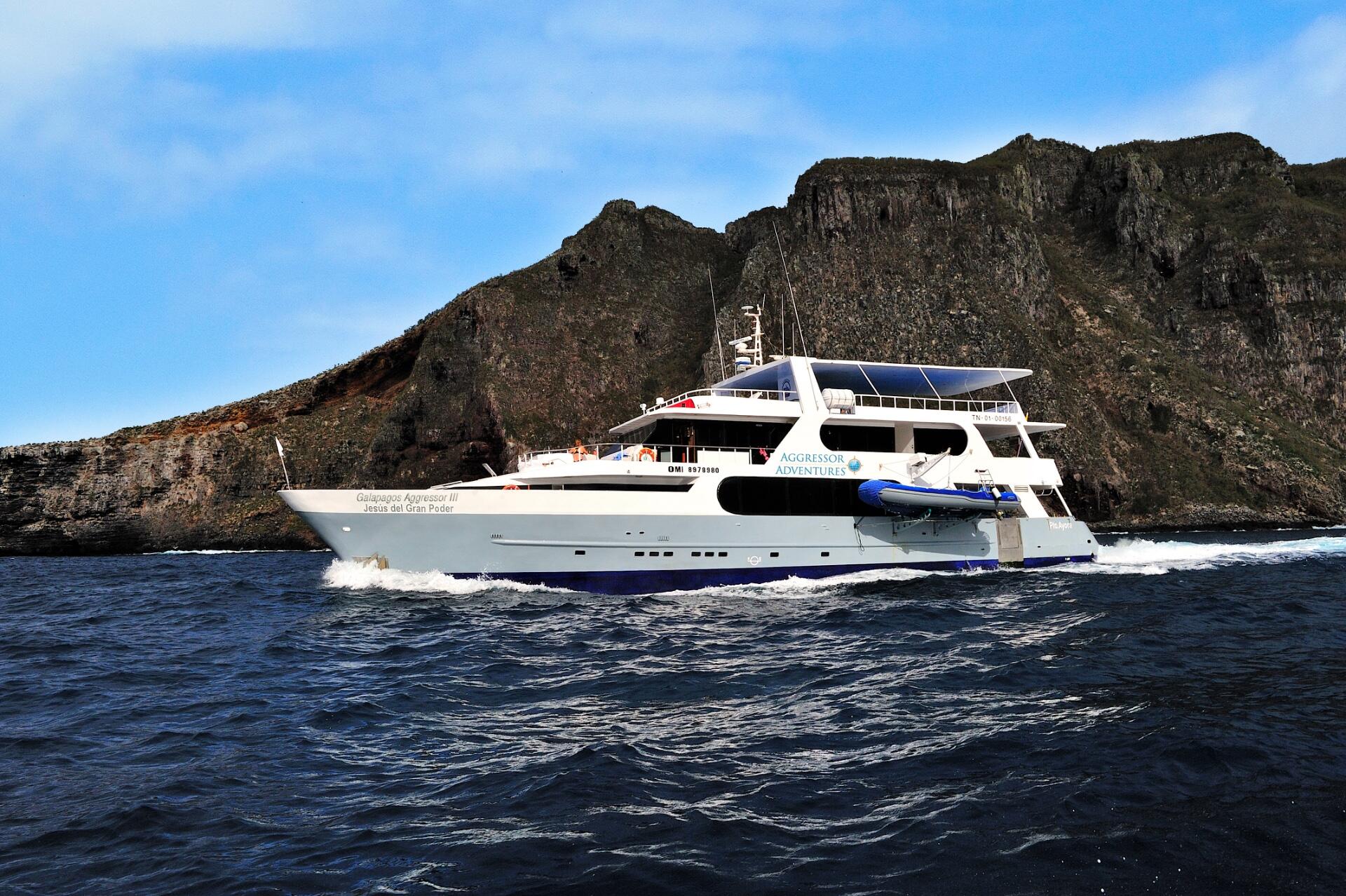
Galapagos Aggressor III
Галапагос
16 гостей30.5 m
$913/день
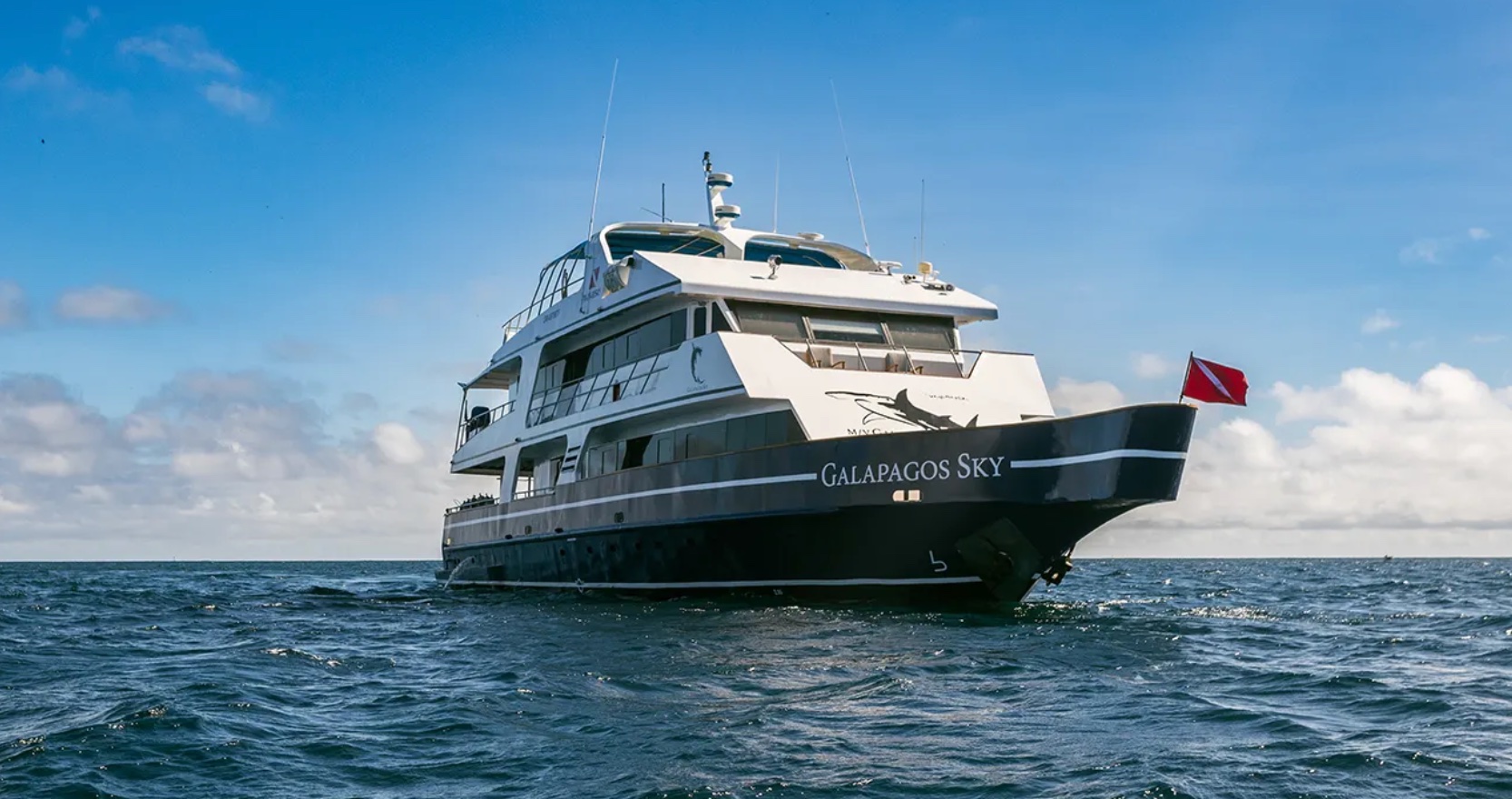
Galapagos Sky
Галапагос
16 гостей
$937/день
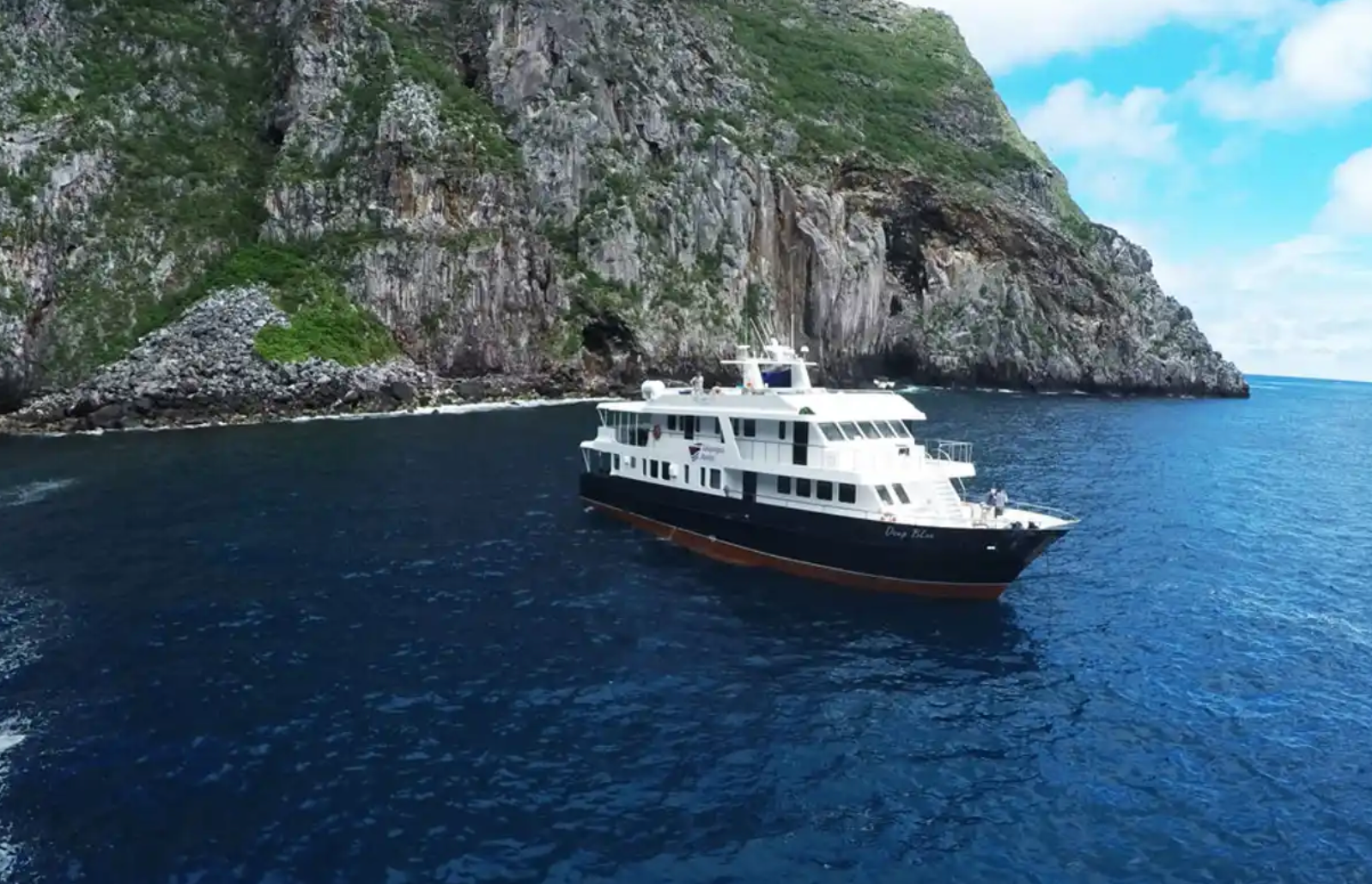
Galapagos Master
Галапагос
16 гостей
$669/день
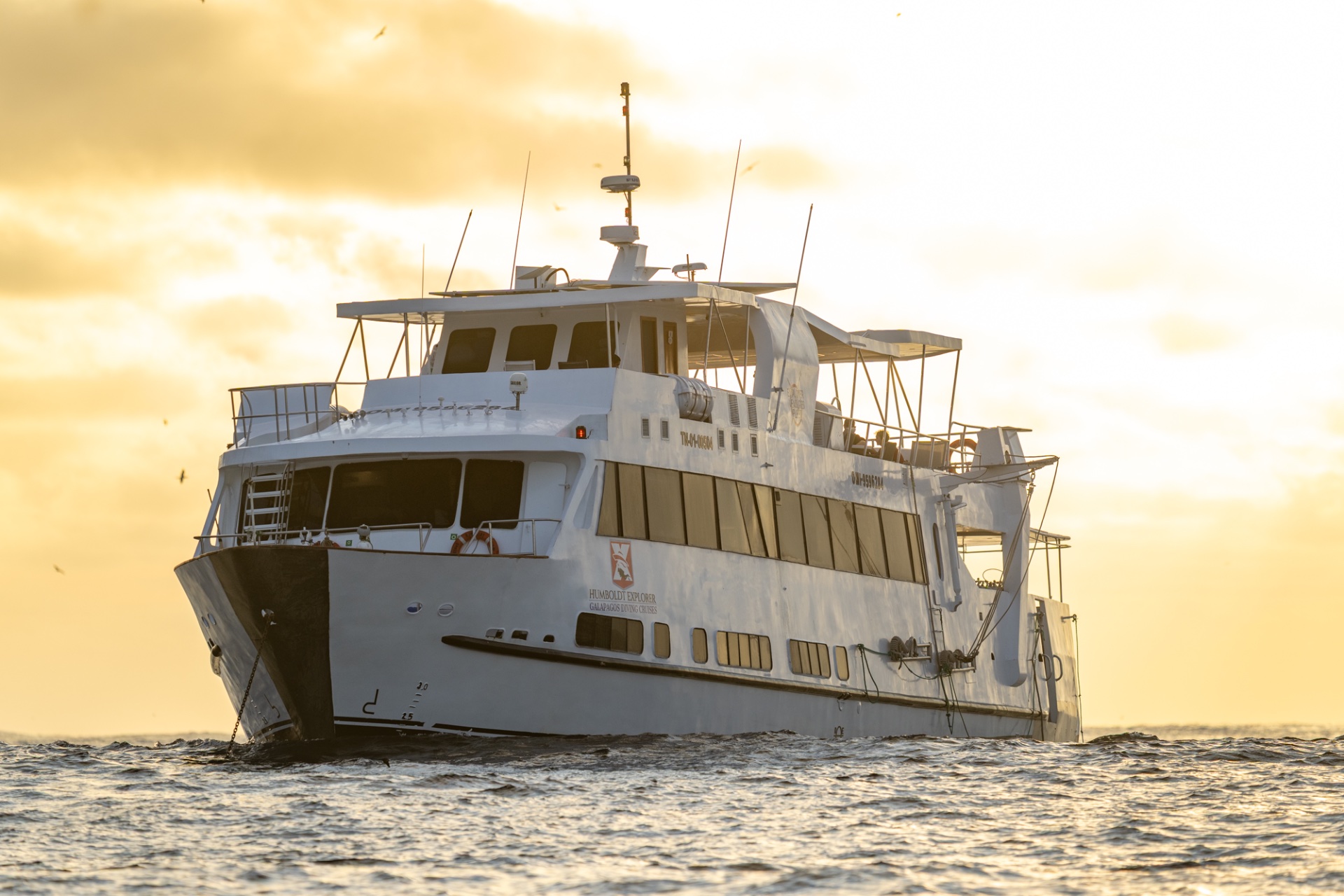
Humboldt Explorer
Галапагос
16 гостей
$612/день
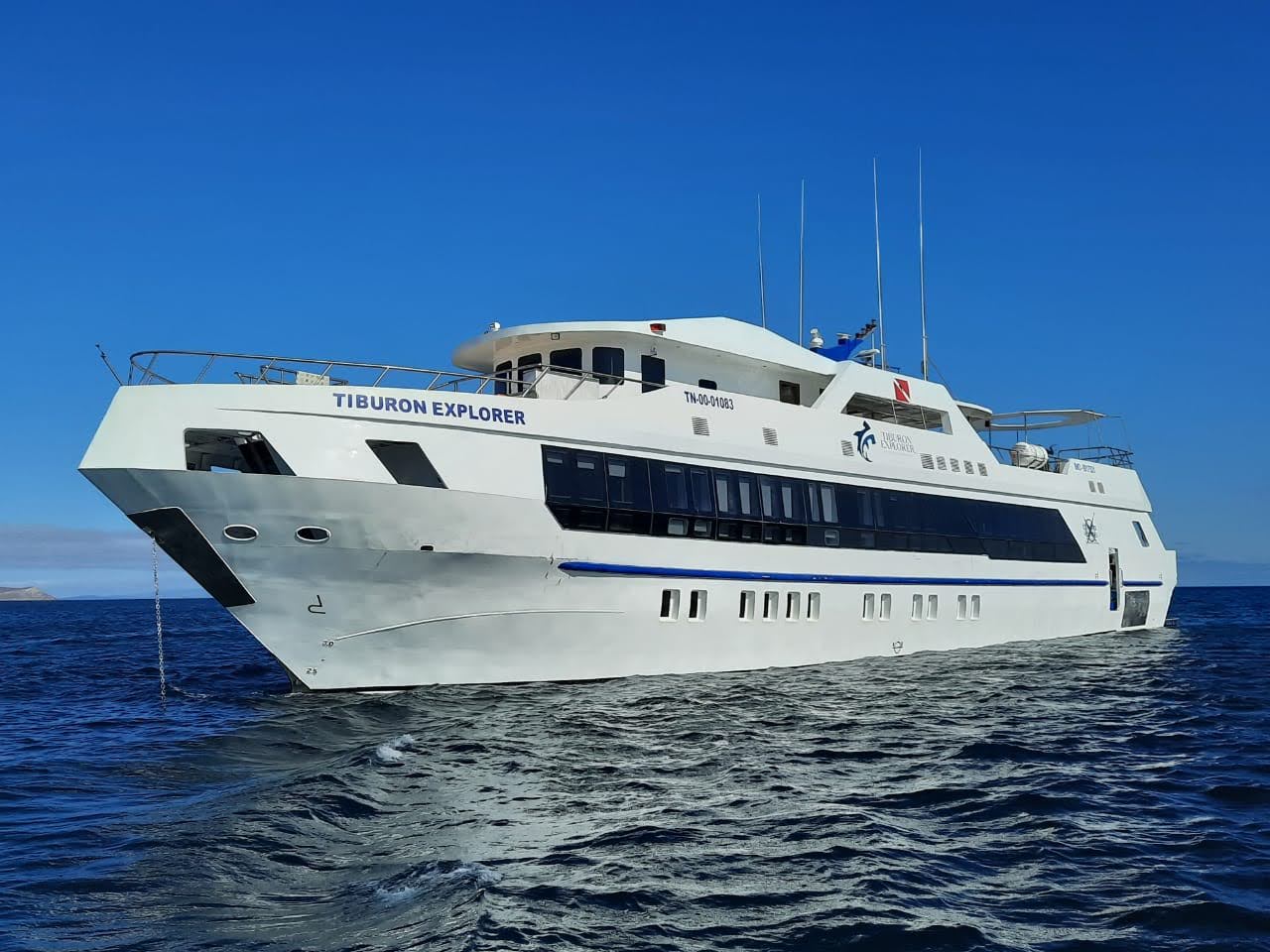
Tiburon Explorer
Галапагос
16 гостей
$924/день
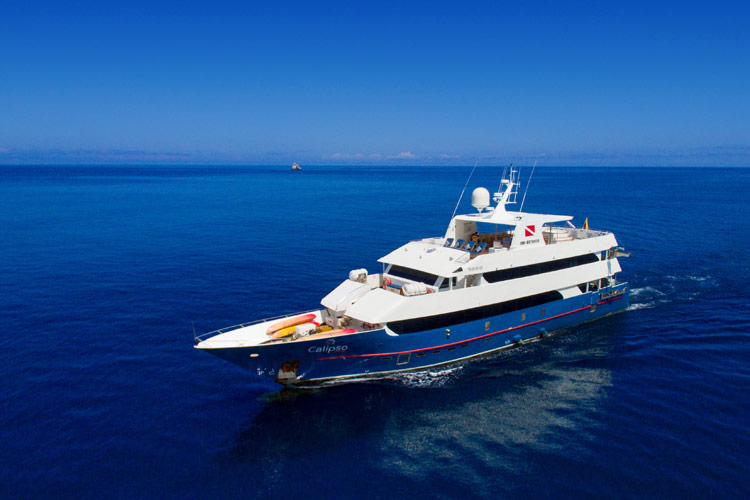
Calipso
Галапагос
16 гостей
$819/день
Дайв-сайты, похожие на Camano Islet
Тот же характер, те же воды — ещё шесть мест, которые нравятся по тем же причинам.Сравните сезоны, доступ и маршруты лайвабордов — и выберите сайт, который лучше всего подходит для вашей поездки.
© Esri — Maxar, Earthstar, GIS
Санта-Крус - Залив Академии
Галапагос
Academy Bay, расположенный в Puerto Ayora на острове Santa Cruz, является главным отправным пунктом для дайвинг-приключений на Галапагосах.
- Подходит для
- Начинающий
- Течение
- Сильное
- Доступ
- Только сафари
- Глубина
- 3–15 m
- Тема
- Риф
© Esri — Maxar, Earthstar, GIS
Остров Бартоломе
Галапагос
Остров Bartolomé в Галапагосском архипелаге — это уникальный дайв-сайт, известный своей культовой скалой Pinnacle Rock и доступный с острова Santa Cruz.
- Подходит для
- Начинающий
- Течение
- Сильное
- Доступ
- Только сафари
- Глубина
- 5–18 m
- Тема
- Дрифт / Риф
© Esri — Maxar, Earthstar, GIS
Скалы Бигль
Галапагос
Beagle Rocks — это завораживающий дайв-сайт, расположенный у острова Santiago в центральной части Галапагосского архипелага, известный своим драматическим подводным рельефом.
- Подходит для
- Начинающий
- Течение
- Сильное
- Доступ
- Только сафари
- Глубина
- 10–30 m
- Тема
- Риф / Стена
© Esri — Maxar, Earthstar, GIS
Калета Игуана - Исабела
Галапагос
Caleta Iguana, расположенная на Isabela Island на Галапагосах, — это знаменитый дайв-сайт, известный прежде всего своей уникальной популяцией галапагосских пингвинов.
- Подходит для
- Начинающий
- Течение
- Слабое
- Доступ
- Только сафари
- Глубина
- 3–52 m
- Тема
- Риф
© Esri — Maxar, Earthstar, GIS
Мыс Дуглас - Фернандина
Галапагос
Cape Douglas, расположенный у уединенного острова Fernandina Island на Galápagos, предлагает поистине уникальный опыт погружений, сосредоточенный вокруг его эндемичной морской жизни.
- Подходит для
- Продвинутый
- Течение
- Сильное
- Доступ
- Только сафари
- Глубина
- 5–33 m
- Тема
- Риф
© Esri — Maxar, Earthstar, GIS
Флореана - Корона Дьявола
Галапагос
Devil's Crown, расположенный у берегов Floreana Island на Галапагосах, признан одним из лучших мест для дайвинга и сноркелинга в архипелаге.
- Подходит для
- Начинающий
- Течение
- Сильное
- Доступ
- Только сафари
- Глубина
- 3–15 m
- Тема
- Риф