Bluerides – Blue Rides - Rezervă croaziere de scufundări în întreaga lumeOCEAN ADVENTURES
River CruisesRiversNature & WildlifeOur Promise
River CruisesRiversNature & WildlifeOur PromiseAutentificare

Destinații fluviale

  • Destinații fluviale
  • Amazon
  • Dunărea
  • Rinul
  • Mekong
  • Nilul

Nave și plecări

  • Căutare croaziere fluviale
  • Oferte

Natură și viață sălbatică

  • Natură și viață sălbatică

Asistență de călătorie

  • Promisiunea noastră
  • Contact

Contact

Contactează-ne

Scrie-ne oricând, te ajutăm cu plăcere să alegi croaziera sau la orice întrebare.

E-mailScrie-ne, răspundem de obicei în câteva ore.
contact@bluerides.com
WhatsAppScrie-ne pe WhatsApp, lun–vin 10:00–16:00 (CET).
Începe conversația pe WhatsApp
TelefonSună-ne, te ajutăm cu plăcere.
Apel gratuit, lun–vin 10:00–20:00 (CET).
Europa+49 800 1144 990SUA+1 888 557 7735Regatul Unit+44 800 707 4152Australia+61 2 8599 6113Canada+1 888 557 7735
Which river journey is yours?Answer 8 quick questions and find the river cruise that fits you.
8 questions, 1 minute·Plus Gift
Metode de plată sigurePlățile dumneavoastră sunt complet securizate cu criptare AES-256.
Realizat deStripeWiseAMEXPayGoogle PaySEPABank
Imprint·Termeni și condiții·Politica de confidențialitate·Despre noi·Contact·Renunțare la Răspundere·Program de afiliere·Cruise·
Urmăriți-ne aici

© 2026 Blue Rides. Toate drepturile rezervate.·

Bluerides – Blue Rides - Rezervă croaziere de scufundări în întreaga lumeOCEAN ADVENTURES
River CruisesRiversNature & WildlifeOur Promise
River CruisesRiversNature & WildlifeOur PromiseAutentificare
Red Collared Dove în zone umede — Mekong, fauna croazierelor fluviale
Acasă›River Cruises›River Wildlife›Red Collared Dove

Red Collared DoveStreptopelia tranquebaricaUnde și când le poți vedea

Previous speciesPygmy CormorantNext speciesRed Squirrel

Red Collared Dove at a glance

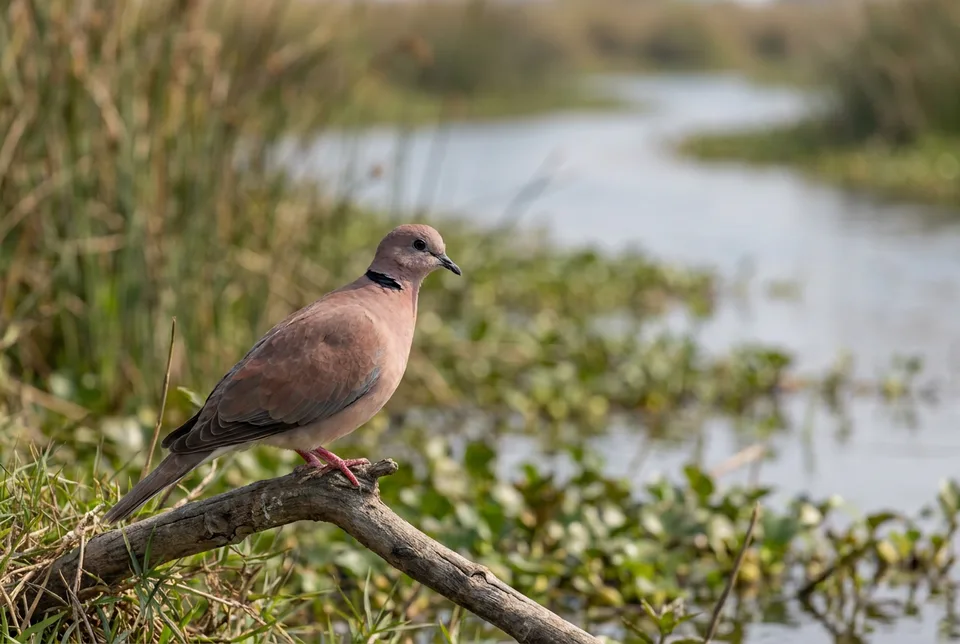
The Red Collared Dove is a small Asian pigeon, also called Red Turtle Dove. The male’s contrasting grey head and reddish body distinguish it from the plainer image many visitors associate with doves. Tra Su’s official survey checklist is the specific basis for its Mekong association. Species reference: https://www.birdforum.net/opus/Red_Collared_Dove
Behaviour & reproduction

Size
20.5–23 cm long.
Weight
About 104 g in the retrieved secondary account.
Lifespan
Species-specific lifespan not verified.
Status
Least Concern in the retrieved species account; latest original assessment not verified.

Ground feeding and resting in trees can make the same bird look quite different at successive stages of an excursion. Follow natural movements between feeding ground and perches rather than repeatedly approaching. A paired appearance does not by itself prove nesting, and local breeding timing was not verified.

Top wildlife locations

Peisaj fluvial Mekong — habitatul croazierelor fluviale

Mekong

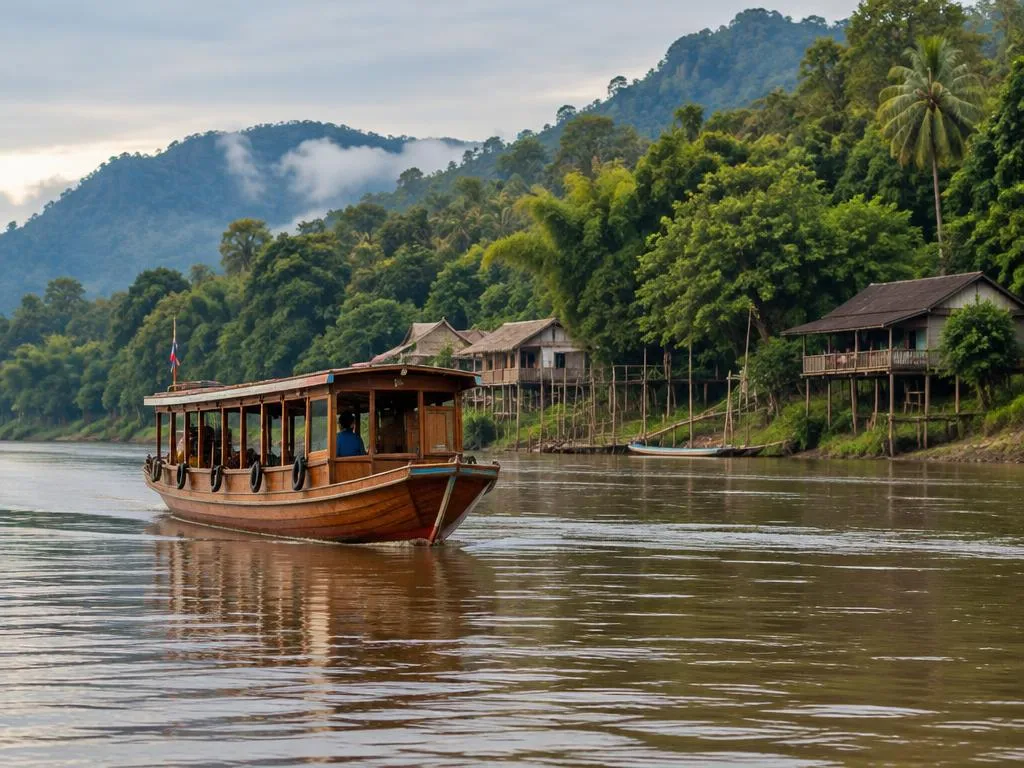
Vietnam Mekong delta: Tra Su flooded forest, optional shore excursion from Chau Doc (not main-channel deck wildlife) Official 2016 BirdLife/IEBR survey checklist, not a current abundance claim. Boat/boardwalk/tower viewing; crakes, Watercock and coucals elusive. Migrant kingfishers, pond herons and waders seasonal.
Explore river cruises

Destinations describe the species' habitat, not guaranteed cruise stops. Some animals require an optional inland excursion or are found in restricted reserves.

Fun facts about the Red Collared Dove

  • It is also called Red Turtle Dove.
  • The male has a grey head.
  • Females are predominantly brown.
  • A dark collar marks the hindneck.
  • Seeds are important food.
  • Tra Su’s official list includes the species.

Best time to see the Red Collared Dove

The 2016 Tra Su checklist supplies occurrence only. Neither its publication month nor generalized tropical residency supports a local month matrix. Keep months empty. Ask guides about recent encounters in visible openings, while treating those reports as trip planning advice rather than a recurring seasonal study.

Red Collared Dove: season matrix by destination

Highlighted months reflect the stated local evidence, not guaranteed encounters. Neutral months mean no verified monthly viewing window, not absence. Observation records and recommended viewing windows are distinct.

Mekong

The 2016 BirdLife/IEBR checklist establishes Tra Su occurrence, not recurring monthly availability. Publication date is not season evidence.

ian.feb.mar.apr.maiiun.iul.aug.sept.oct.nov.dec.
Explore river cruises

Where the Red Collared Dove lives

Open country with trees, scrub and open woodland are relevant habitats. At Tra Su, consider the reserve’s edges and accessible openings as well as flooded trees. The checklist does not assign the species to a particular boardwalk section, and it is not evidence for every main-channel Mekong landing.

What the Red Collared Dove eats

The retrieved account lists rice, maize and other seeds. This dove is therefore not dependent on catching aquatic prey merely because it occurs near a flooded forest. Local crop use and dietary percentages were not verified. Do not feed grain to bring birds closer, as baiting changes the encounter and can concentrate wildlife unnaturally.

Species at a glance

Common name
Red Collared Dove
Scientific name
Streptopelia tranquebarica
Animal group
Birds
Size
20.5–23 cm long.
Weight
About 104 g in the retrieved secondary account.
Lifespan
Species-specific lifespan not verified.
Status
Least Concern in the retrieved species account; latest original assessment not verified.
Identification
Males have a bluish-grey head, reddish mantle and wing coverts, and a black hindneck collar. Females are browner and less conspicuous. Compare overall small size and proportions with other local doves; a collar alone is insufficient because several species share neck markings. Photographs of the side and back of the neck are useful.

Red Collared Dove: frequently asked questions

Where can I see the Red Collared Dove?
Mekong. Inspect small doves perched at forest edges or feeding on clear ground. Record head colour, body tone and the neck marking before a bird disappears into branches. Boat movement can distort apparent size, so obtain a settled view if possible. Remain on public visitor routes and keep feeding birds undisturbed.
When is the best time to see the Red Collared Dove?
The 2016 Tra Su checklist supplies occurrence only. Neither its publication month nor generalized tropical residency supports a local month matrix. Keep months empty. Ask guides about recent encounters in visible openings, while treating those reports as trip planning advice rather than a recurring seasonal study.
How big does the Red Collared Dove get?
20.5–23 cm long.. Adult weight: About 104 g in the retrieved secondary account.. Size varies with age, sex and population.
How should I behave around the Red Collared Dove?
Inspect small doves perched at forest edges or feeding on clear ground. Record head colour, body tone and the neck marking before a bird disappears into branches. Boat movement can distort apparent size, so obtain a settled view if possible. Remain on public visitor routes and keep feeding birds undisturbed.
What does the Red Collared Dove eat?
The retrieved account lists rice, maize and other seeds. This dove is therefore not dependent on catching aquatic prey merely because it occurs near a flooded forest. Local crop use and dietary percentages were not verified. Do not feed grain to bring birds closer, as baiting changes the encounter and can concentrate wildlife unnaturally.
Are wildlife sightings guaranteed on a river cruise?
No. Animals move freely and routes, weather, access restrictions and local conditions influence every outing. Confirm the actual itinerary and shore program before booking.

Compare wildlife in the same destinations

Explore other birds recorded in these destinations. Similar surroundings do not mean the animals share the same habits or viewing season.

Species comparison by animal group and destination
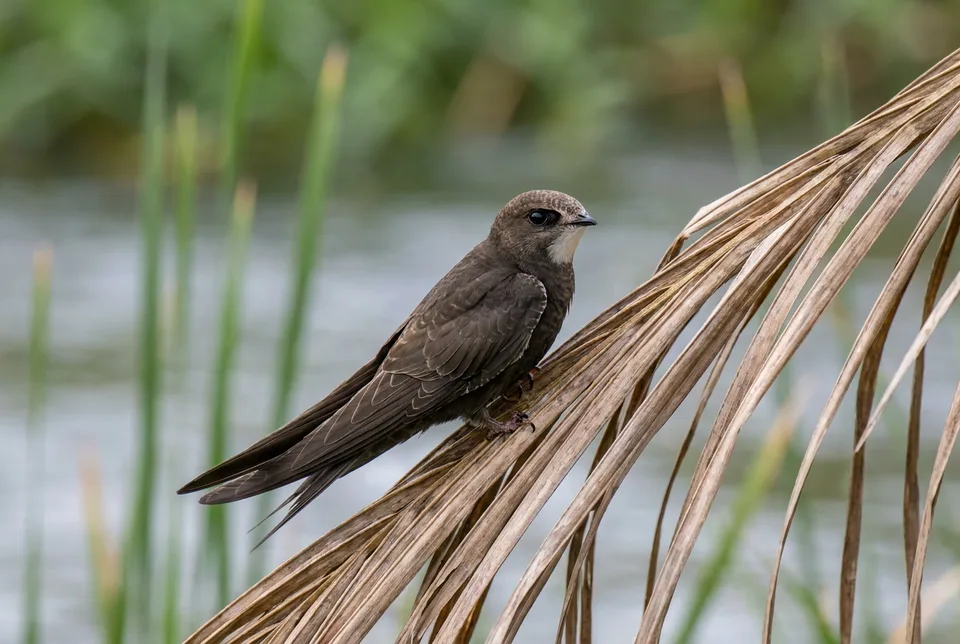
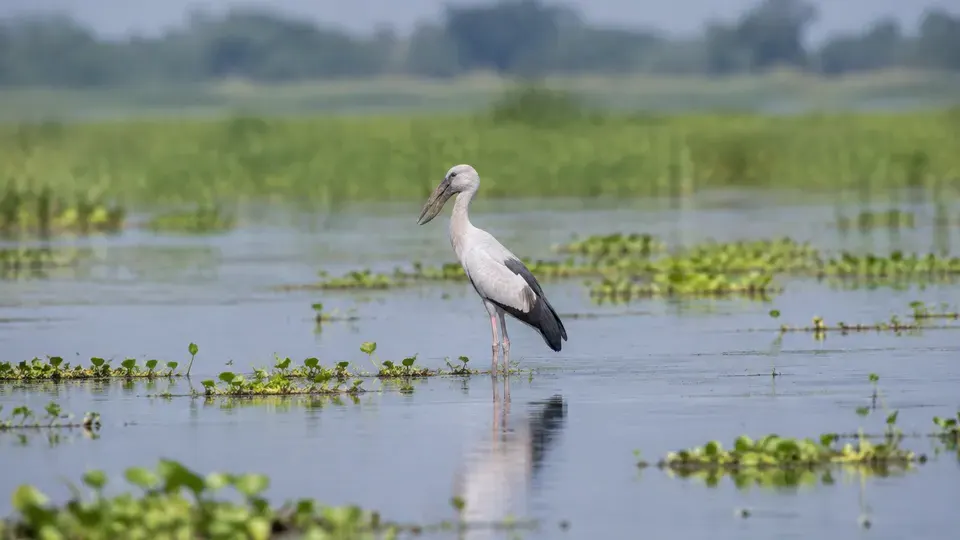
Red Collared Dove în zone umede — Mekong, fauna croazierelor fluvialeRed Collared DoveAsian openbill în zone umede — Mekong, fauna croazierelor fluvialeAsian OpenbillAsian Palm Swift în zone umede — Mekong, fauna croazierelor fluvialeAsian Palm Swift
Animal groupBirdsAnimal groupBirdsAnimal groupBirds
DestinationsMekongDestinationsMekongDestinationsMekong
Scientific name
Streptopelia tranquebarica

Streptopelia tranquebarica

Scientific name
Scientific name
Size
20.5–23 cm long.
Size
Size
Weight
About 104 g in the retrieved secondary account.
Weight
Weight
Lifespan
Species-specific lifespan not verified.
Lifespan
Lifespan
Status
Least Concern in the retrieved species account; latest original assessment not verified.
Status
Status
Identification
Males have a bluish-grey head, reddish mantle and wing coverts, and a black hindneck collar.

Males have a bluish-grey head, reddish mantle and wing coverts, and a black hindneck collar. Females are browner and less conspicuous. Compare overall small size and proportions with other local doves; a collar alone is insufficient because several species share neck markings. Photographs of the side and back of the neck are useful.

Identification
Identification
Habitat
Open country with trees, scrub and open woodland are relevant habitats.

Open country with trees, scrub and open woodland are relevant habitats. At Tra Su, consider the reserve’s edges and accessible openings as well as flooded trees. The checklist does not assign the species to a particular boardwalk section, and it is not evidence for every main-channel Mekong landing.

Habitat
Habitat
Diet
The retrieved account lists rice, maize and other seeds.

The retrieved account lists rice, maize and other seeds. This dove is therefore not dependent on catching aquatic prey merely because it occurs near a flooded forest. Local crop use and dietary percentages were not verified. Do not feed grain to bring birds closer, as baiting changes the encounter and can concentrate wildlife unnaturally.

Diet
Diet
Best season
The 2016 Tra Su checklist supplies occurrence only.

The 2016 Tra Su checklist supplies occurrence only. Neither its publication month nor generalized tropical residency supports a local month matrix. Keep months empty. Ask guides about recent encounters in visible openings, while treating those reports as trip planning advice rather than a recurring seasonal study.

Best season
Best season
Season matrix by destination
MekongNo verified monthly viewing evidence

The 2016 BirdLife/IEBR checklist establishes Tra Su occurrence, not recurring monthly availability. Publication date is not season evidence.

Season matrix by destinationSeason matrix by destination
Previous speciesPygmy CormorantNext speciesRed Squirrel
All river wildlife
On this page
  • 01About
  • 02Behaviour & reproduction
  • 03Top wildlife locations
  • 04Fun facts
  • 05Best season
  • 06Season matrix by destination
  • 07Habitat
  • 08Diet
  • 09Species at a glance
  • 10Questions & answers
  • 11Compare

Find your river cruise

Planifică-ți călătoria

Find your next river journey

Compare destinations, shore programs and dates with the animals and habitats you would love to see.

  • Daily shore excursions
  • Responsible wildlife watching
  • Boutique river ships
Explore river cruises