Bluerides – Blue Rides - Book Liveaboards worldwideOCEAN ADVENTURES
River CruisesRiversNature & WildlifeOur Promise
River CruisesRiversNature & WildlifeOur PromiseSign In

River destinations

  • River destinations
  • Amazon
  • Danube
  • Rhine
  • Mekong
  • Nile

Ships & departures

  • River Cruise Search
  • Deals

Nature & Wildlife

  • Nature & Wildlife

Travel support

  • Our Promise
  • Contact

Contact

Get in Touch

Get in touch anytime, we're happy to help you find the right trip or sort out any question.

EmailWrite us, we usually reply within a few hours.
contact@bluerides.com
WhatsAppChat with us on WhatsApp, Mon–Fri 10:00–16:00 (CET).
Start WhatsApp Chat
PhoneCall us, we're happy to help.
Free call, Mon–Fri 10 AM – 8 PM (CET).
Europe+49 800 1144 990USA+1 888 557 7735UK+44 800 707 4152Australia+61 2 8599 6113Canada+1 888 557 7735
Which river journey is yours?Answer 8 quick questions and find the river cruise that fits you.
8 questions, 1 minute·Plus Gift
Secure Payment MethodsYour payments are fully secured with AES-256 encryption.
Powered byStripeWiseAMEXPayGoogle PaySEPABank
Imprint·Terms & Conditions·Privacy Policy·About·Contact·Liability Waiver·Affiliate Program·Cruise·
Visit us here

© 2026 Blue Rides. All rights reserved.·

Bluerides – Blue Rides - Book Liveaboards worldwideOCEAN ADVENTURES
River CruisesRiversNature & WildlifeOur Promise
River CruisesRiversNature & WildlifeOur PromiseSign In
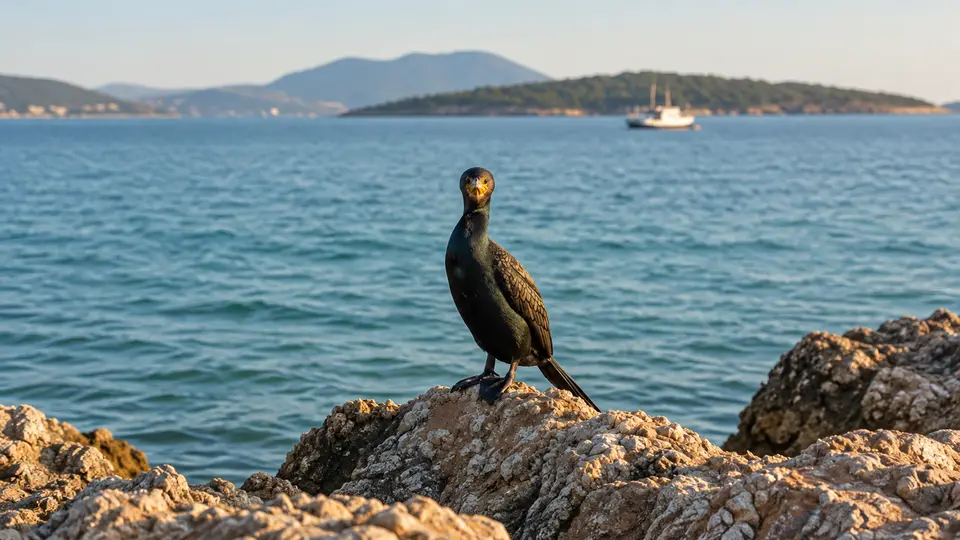
Pygmy cormorant in wetland habitat — Danube, River Cruises wildlife
Home›River Cruises›River Wildlife›Pygmy Cormorant

Pygmy CormorantMicrocarbo pygmaeusWhere and when to see them

Previous speciesPurple HeronNext speciesRed Collared Dove

Pygmy Cormorant at a glance

The Pygmy Cormorant is a small, long-tailed fish-eating bird of southeastern European and western Asian wetlands. The Danube association here is limited to the Romanian delta around Mahmudia. Older local checklists use Phalacrocorax pygmeus; the requested profile retains Microcarbo pygmaeus. Species reference: https://www.birdforum.net/opus/Pygmy_Cormorant

Behaviour & reproduction

Size
45–55 cm (17.7–21.7 in) long.
Weight
Species-specific weight not verified.
Lifespan
Species-specific lifespan not verified.
Status
Least Concern, BirdLife global assessment (2025).

It dives to pursue aquatic prey and returns to exposed supports between bouts of activity. Birds may gather at resting places, making a channel-edge perch easier to inspect than a swimming individual. Do not mistake a group at one site for evidence of uniform abundance throughout the delta.

Top wildlife locations

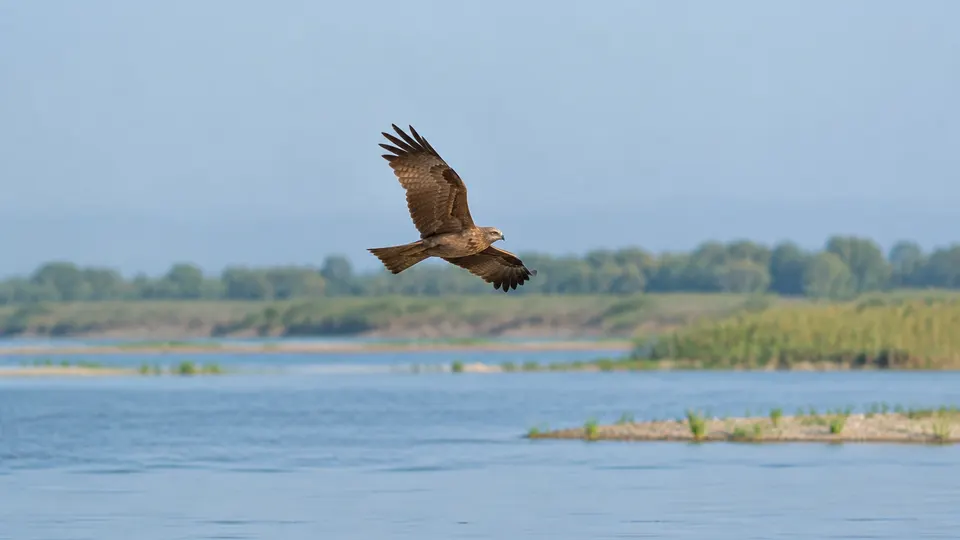
Danube river landscape — River Cruises wildlife habitat

Danube

Romania: Danube Delta around Mahmudia and delta lakes/channels; separate lower-Danube/delta itinerary, NOT Passau–Vienna–Bratislava–Budapest. Most accessible in warm months; channels; checklist uses Phalacrocorax pygmeus. Checklist establishes occurrence, not guaranteed daily sightings.
Explore river cruises

Destinations describe the species' habitat, not guaranteed cruise stops. Some animals require an optional inland excursion or are found in restricted reserves.

Fun facts about the Pygmy Cormorant

  • The tail is long relative to the body.
  • The bill is short and thick.
  • Its food is mainly fish.
  • Juveniles are browner than adults.
  • Breeding adults develop small pale feather tufts.
  • Older delta checklists place it in Phalacrocorax.

Best time to see the Pygmy Cormorant

The registry’s warm-season wording is qualitative. The Mahmudia checklist establishes occurrence but provides no recurring numerical schedule. Months remain empty rather than translating “warm months” into guessed dates. A local delta guide can advise which accessible channels currently hold resting or feeding birds.

Pygmy Cormorant: season matrix by destination

Highlighted months reflect the stated local evidence, not guaranteed encounters. Neutral months mean no verified monthly viewing window, not absence. Observation records and recommended viewing windows are distinct.

Danube

The Mahmudia delta checklist establishes occurrence, not numerical monthly seasonality. Registry warm-season guidance is retained qualitatively only.

JanFebMarAprMayJunJulAugSepOctNovDec
Explore river cruises

Where the Pygmy Cormorant lives

Still or slowly flowing freshwater, vegetated lakes and delta channels are characteristic settings. Trees, reeds and other resting supports are useful search features. This is not a profile for the upper Danube cruise between Passau and Budapest; the lower-river delta requires its own itinerary.

What the Pygmy Cormorant eats

Fish dominate the diet described in the retrieved account. No verified delta-specific prey proportions or fish-size distribution was found. A diving bird may remain out of view while feeding, and a surfaced bird does not necessarily carry visible prey. Avoid assigning a fish species from an indistinct catch.

Species at a glance

Common name
Pygmy Cormorant
Scientific name
Microcarbo pygmaeus
Animal group
Birds
Size
45–55 cm (17.7–21.7 in) long.
Weight
Species-specific weight not verified.
Lifespan
Species-specific lifespan not verified.
Status
Least Concern, BirdLife global assessment (2025).
Identification
The combination of small body, short thick bill and long tail is important. Adults are dark, with small pale feather tufts in breeding plumage; younger birds are browner. Size alone is unreliable without a reference. The Great Cormorant is bulkier and differently proportioned, not merely a darker version of the same shape.

Pygmy Cormorant: frequently asked questions

Where can I see the Pygmy Cormorant?
Danube. Compare small cormorants alongside larger waterbirds when possible. Use binoculars to inspect head and bill shape, then follow a bird through a dive and return to its perch. Stay away from nesting or communal roosting vegetation, and never approach simply to obtain an open-wing photograph.
When is the best time to see the Pygmy Cormorant?
The registry’s warm-season wording is qualitative. The Mahmudia checklist establishes occurrence but provides no recurring numerical schedule. Months remain empty rather than translating “warm months” into guessed dates. A local delta guide can advise which accessible channels currently hold resting or feeding birds.
How big does the Pygmy Cormorant get?
45–55 cm (17.7–21.7 in) long.. Adult weight: Species-specific weight not verified.. Size varies with age, sex and population.
How should I behave around the Pygmy Cormorant?
Compare small cormorants alongside larger waterbirds when possible. Use binoculars to inspect head and bill shape, then follow a bird through a dive and return to its perch. Stay away from nesting or communal roosting vegetation, and never approach simply to obtain an open-wing photograph.
What does the Pygmy Cormorant eat?
Fish dominate the diet described in the retrieved account. No verified delta-specific prey proportions or fish-size distribution was found. A diving bird may remain out of view while feeding, and a surfaced bird does not necessarily carry visible prey. Avoid assigning a fish species from an indistinct catch.
Are wildlife sightings guaranteed on a river cruise?
No. Animals move freely and routes, weather, access restrictions and local conditions influence every outing. Confirm the actual itinerary and shore program before booking.

Compare wildlife in the same destinations

Explore other birds recorded in these destinations. Similar surroundings do not mean the animals share the same habits or viewing season.

Species comparison by animal group and destination
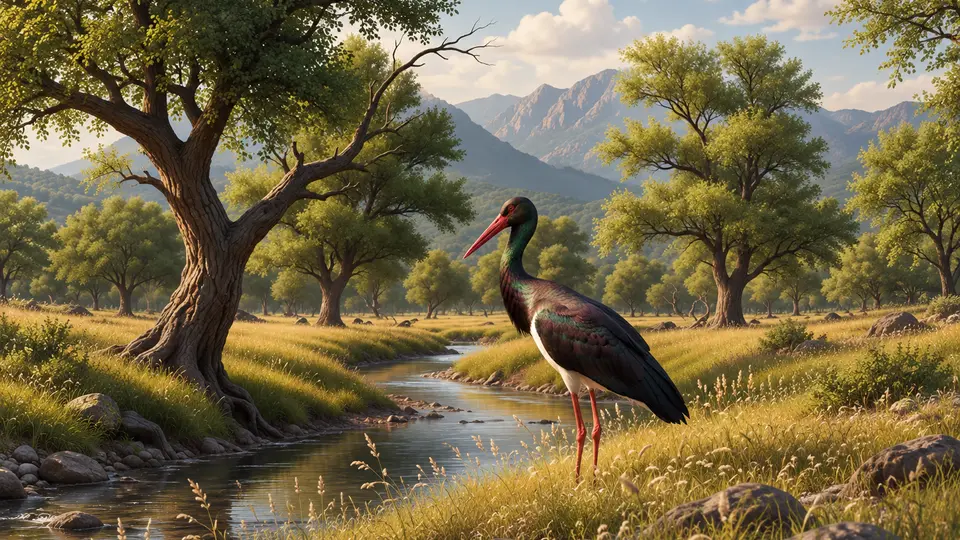
Pygmy cormorant in wetland habitat — Danube, River Cruises wildlifePygmy CormorantBlack kite in wetland habitat — Danube, Rhine, River Cruises wildlifeBlack KiteBlack stork in wetland habitat — Danube, River Cruises wildlifeBlack Stork
Animal groupBirdsAnimal groupBirdsAnimal groupBirds
DestinationsDanubeDestinationsDanube, RhineDestinationsDanube
Scientific name
Microcarbo pygmaeus
Scientific name
Scientific name
Previous speciesPurple HeronNext speciesRed Collared Dove
All river wildlife
On this page
  • 01About
  • 02Behaviour & reproduction
  • 03Top wildlife locations
  • 04Fun facts
  • 05Best season
  • 06Season matrix by destination
  • 07Habitat
  • 08Diet
  • 09Species at a glance
  • 10Questions & answers
  • 11Compare

Find your river cruise

Plan your trip

Find your next river journey

Compare destinations, shore programs and dates with the animals and habitats you would love to see.

  • Daily shore excursions
  • Responsible wildlife watching
  • Boutique river ships
Explore river cruises