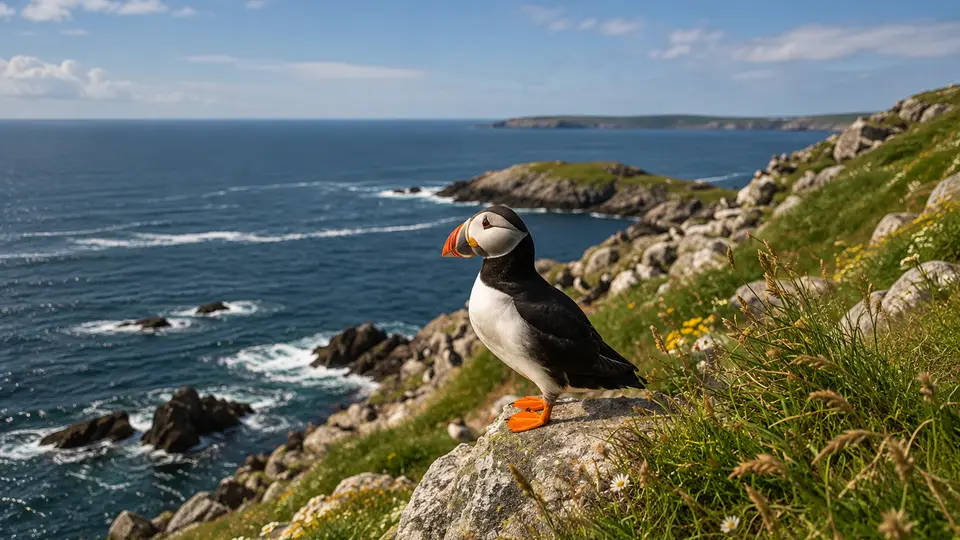
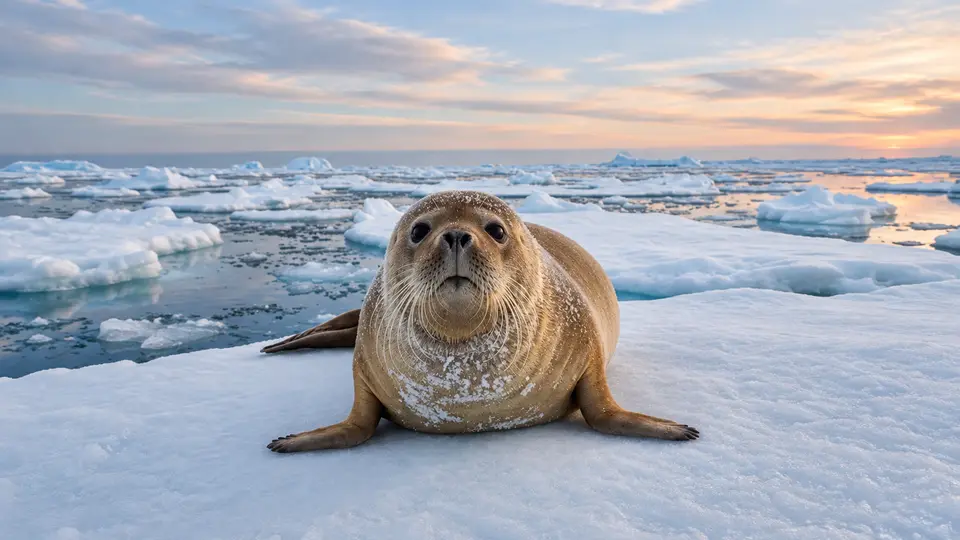
Arktyka to rozległy region, a nie pojedynczy kraj. Svalbard, Grenlandia i inne północne trasy mają odmienne zasady wjazdu, społeczności i siedliska dzikich zwierząt. Warunki lodowe i lokalne przepisy kształtują każde lądowanie podczas ekspedycji.
Podróż przez lodowe wybrzeże Svalbardu i okoliczny region pozwala z bliska przyjrzeć się krajobrazom. Twój statek łączy nadmorskie miejsca, a wycieczki z przewodnikiem odkrywają detale, które łatwo przeoczyć z pokładu.
Wybieraj konkretne przystanki w programie, a nie tylko nazwę celu podróży. Trasy obejmujące arktyczną tundrę mogą oferować inną równowagę między naturą a kulturą niż te skupione na eksploracji lodu morskiego. Aktywności, pozwolenia i wymagania dotyczące wędrówek różnią się w zależności od rejsu.
When to go
Best time to travel: seasons & weather
Match your Arctic route to the season, the shore experiences you want and local conditions. Coastal regions can differ considerably within the same destination.
Shore-excursion season in Arctic at a glance
JanFebMarAprMayJunJulAugSepOctNovDec
ExcellentGoodOff-season
Excellent, peak season (Jun – Aug)
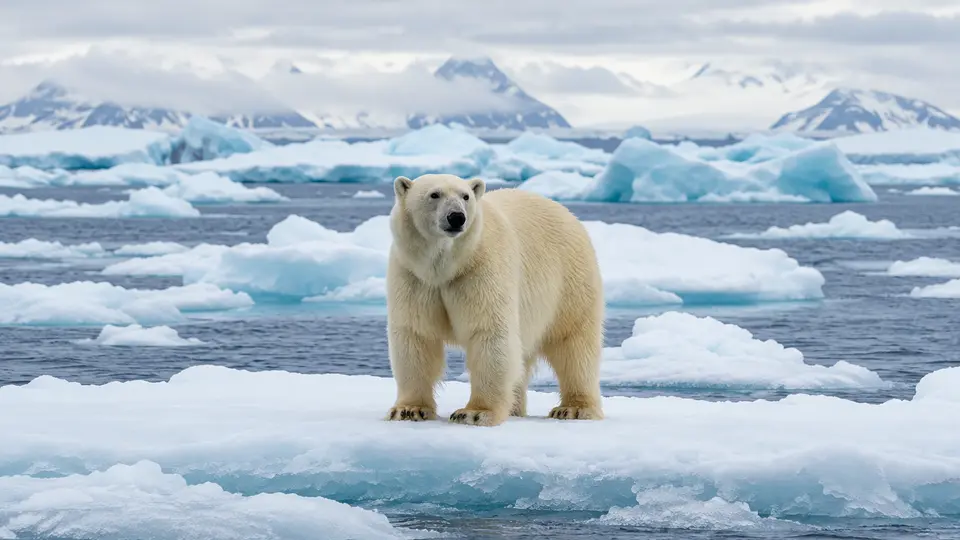
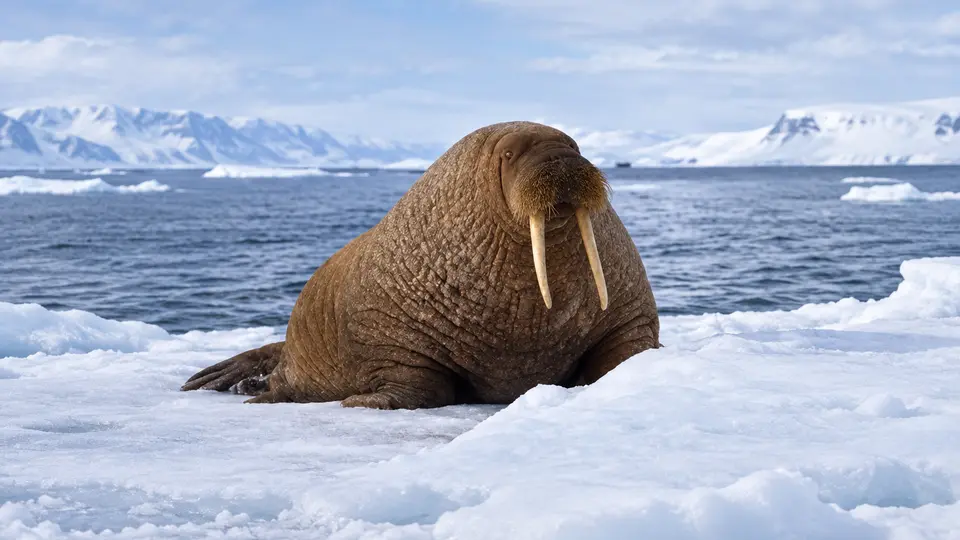
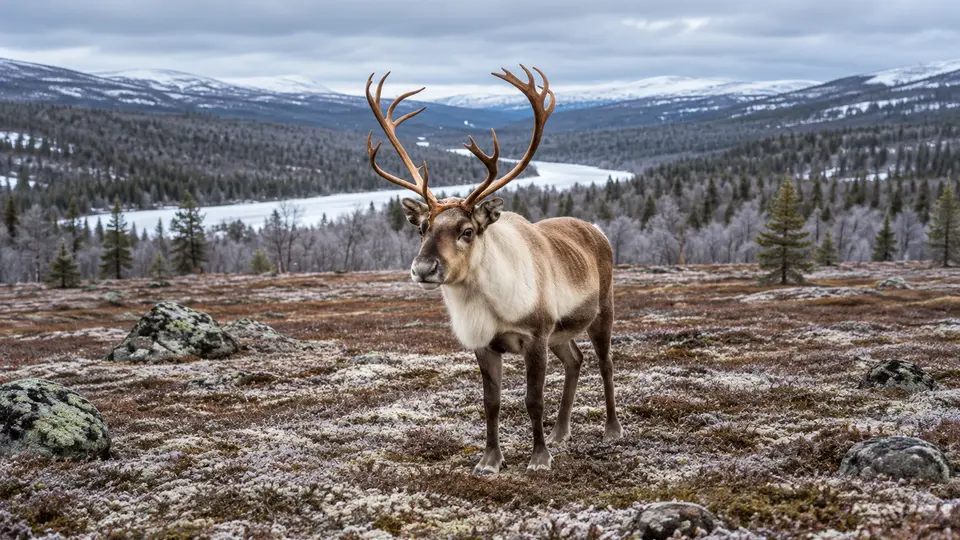
Midnight sun and retreating ice: polar bears, walrus, reindeer and tundra flowers on Svalbard and Greenland landings.
Good, shoulder season (May & Sep)
Edges of the season bring more ice or autumn colours and fewer sailings.
Off-season (Oct – Apr)
Polar night and pack ice; no expedition cruises.
Typical patterns for planning shore excursions; weather varies year to year and is never guaranteed.
Peak season · Jun – Aug
Midnight sun and retreating ice: polar bears, walrus, reindeer and tundra flowers on Svalbard and Greenland landings.
Shoulder season · May & Sep
Edges of the season bring more ice or autumn colours and fewer sailings.
Season & shore-walk conditions
Jan
Limited
37 mm
Limited
Feb
Limited
38 mm
Limited
Mar
Limited
37 mm
Limited
Apr
Limited
27 mm
Limited
May
Variable
28 mm
Seasonal
Jun
Peak
21 mm
Seasonal
Jul
Peak
40 mm
Seasonal
Aug
Peak
56 mm
Seasonal
Sep
Variable
60 mm
Seasonal
Oct
Limited
43 mm
Limited
Nov
Limited
45 mm
Limited
Dec
Limited
46 mm
Limited
Season & shore-walk conditions
Typical pattern
Jan
Feb
Mar
Apr
May
Jun
Jul
Aug
Sep
Oct
Nov
Dec
Shore conditions
Limited
Limited
Limited
Limited
Variable
Peak
Peak
Peak
Variable
Limited
Limited
Limited
Rain / snow · mm
37
38
37
27
28
21
40
56
60
43
45
46
Cruises
Limited
Limited
Limited
Limited
Seasonal
Seasonal
Seasonal
Seasonal
Seasonal
Limited
Limited
Limited
Temperatures describe Longyearbyen, Svalbard. Greenland and other Arctic regions differ substantially. Cruise operation depends on the published itinerary, not the weather rating.
Air temperatures through the year
Average daily highAverage daily low
Temperatures in Longyearbyen, Svalbard shift clearly through the year: July is the warmest month with average highs near 9°C, while March is the coolest at around -10°C, a swing of roughly 19°C. Nights typically run about 3°C below the daytime high, so a layer for evenings is worth packing. The months between these extremes warm up and cool down gradually rather than abruptly.
Longyearbyen, Svalbard · 2015–2024. Monthly averages, rounded for planning; not a forecast or a local station measurement. Rainfall includes water-equivalent snowfall where relevant.
Wildlife on land & along the coast
Meet the locals
The most memorable encounters often happen at walking pace. Animals live in specific habitats, so the places on your route matter as much as the month. Follow local wildlife distances and your guide.
Wildlife is wild: sightings, courtship displays and nesting activity cannot be guaranteed. Species occur in different parts of the region, not at every landing.
These are examples of places and experiences, not a promised itinerary. Look for the actual landing names and included transfers in your ship’s day-by-day program.
01 · Nadmorskie krajobrazy
Lodowe wybrzeże Svalbardu
Lodowce i zimne wody przybrzeżne oferują malowniczą eksplorację, gdzie lód i dzika przyroda dyktują warunki dostępu.
Sprawdź dostępność, poziom aktywności i świadczenia w swoim potwierdzonym planie podróży.
02 · Lokalne dziedzictwo
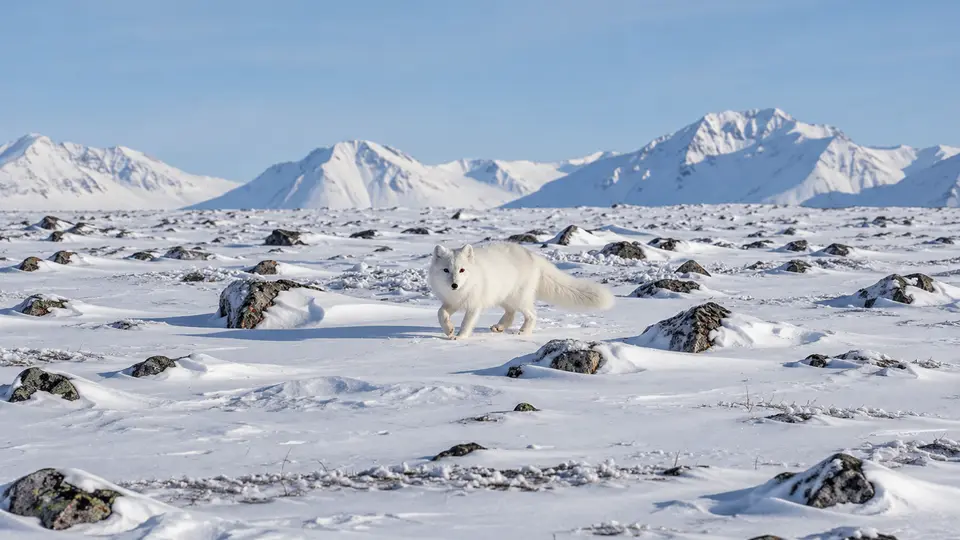
Arktyczna tundra
Krótkie lato przynosi niską roślinność i delikatne gleby. Spaceruj tylko zgodnie z wytycznymi.
Sprawdź dostępność, poziom aktywności i świadczenia w swoim potwierdzonym planie podróży.
03 · Eksploracja z przewodnikiem
Ptasie klify
Duże kolonie ptaków morskich można obserwować z bezpiecznej odległości, nie zakłócając ich spokoju.
Sprawdź dostępność, poziom aktywności i świadczenia w swoim potwierdzonym planie podróży.
04 · Przyroda na lądzie
Grenlandzkie fiordy z górami lodowymi
Trasy na Grenlandii mogą obejmować fiordy pełne gór lodowych, a dostęp do nich zależy od lokalnych warunków.
Sprawdź dostępność, poziom aktywności i świadczenia w swoim potwierdzonym planie podróży.
05 · Wyspiarskie doświadczenia
Eksploracja lodu morskiego
Eksploracja statkiem lub Zodiakiem w pobliżu lodu wymaga elastycznych planów i specjalistycznych decyzji ekspedycyjnych.
Sprawdź dostępność, poziom aktywności i świadczenia w swoim potwierdzonym planie podróży.
06 · Najważniejsze punkty trasy
Północne osady
Wizyty w lokalnych społecznościach wyglądają różnie w zależności od regionu Arktyki. Szanuj gospodarzy, własność prywatną i zasady kulturowe.
Sprawdź dostępność, poziom aktywności i świadczenia w swoim potwierdzonym planie podróży.
Lód i wieczna zmarzlina
Lodowce, lód morski i zamarznięta ziemia kształtują linie brzegowe, które ulegają gwałtownym zmianom sezonowym.
Wrażliwa tundra
Niskie krzewinki, mchy i porosty rosną powoli i są bardzo wrażliwe na zadeptywanie.
Zasady dotyczące dzikiej przyrody i lokalnych społeczności
Zasady bezpieczeństwa w pobliżu niedźwiedzi polarnych, zachowanie dystansu od dzikich zwierząt i ograniczenia dotyczące zejść na ląd zależą od regionu. Przestrzegaj zaleceń kierownika wyprawy i lokalnych władz.
Choose places before cabins
Which Arctic route is right for you?
Route labels vary between operators. Compare the actual ports, landings and shore programs, not just the regional name.
Svalbard
Trasy z Longyearbyen skupiają się na objętej ścisłymi przepisami dzikiej przyrodzie wyspy.
Wybrzeże Grenlandii
Wybierz w swoim planie podróży konkretne wybrzeże Grenlandii, punkt wypadowy i wizyty w osadach.
Inne wyprawy arktyczne
Połączenie trasy z Islandią lub kanadyjską Arktyką wymaga osobnego zaplanowania wjazdu i pozwoleń na dostęp.
Explore the cruise ships already in our collection. Compare cabins, guest numbers and day-by-day routes; daily prices appear only when current pricing is available.
Loading Arctic cruise ships…
Flights & arrival
How to get to Arctic
Svalbard voyages start in Longyearbyen (LYR) via Oslo; Greenland via Copenhagen or Reykjavík (KEF).
LYR
Flight gateway
Svalbard · Longyearbyen
Choose this airport only if it suits your confirmed embarkation port. Confirm the onward flight or harbour transfer from Svalbard with your operator before booking.
KEF
Flight gateway
Keflavík International
An Iceland gateway, not a Greenland arrival airport. Confirm the actual Greenland airport and whether the onward service uses Keflavík or Reykjavík Airport. Allow a buffer night for limited connections.
Connections & onward transfers
Onward journey
Flights are limited, so arrive one day early.
Arrive early, protect your departure
We recommend reaching the embarkation town at least one day before departure. Allow more time for remote destinations, separate flights, ferries or long transfers, and follow any earlier arrival or briefing required by your operator.
Confirm the embarkation town, harbour meeting point and check-in time before buying flights.
Ask which airport transfer, ferry or domestic connection is included in the cruise.
Book flexible connections where possible and allow extra time for remote routes.
The airports listed are alternatives for different routes, not confirmed flights for this ship. Check the port, meeting time and transfers in your final travel documents.
Flight schedules and entry requirements change. Confirm current arrangements with your operator before booking.
Before you set sail
A little preparation makes a big difference
Pack for the landings
Waterproof outer layers and warm insulating clothing
Operator-approved boots for wet landings, with clean soles
Warm gloves, hat and sun protection for snow and ice
Binoculars, camera protection and spare batteries
Personal medication and motion-sickness advice before departure
Respect the destination
Follow local guides, landing permissions and protected-area rules
Keep the required distance from wildlife and avoid nesting or resting areas
Never feed or touch animals; do not collect natural objects
Clean footwear and equipment before sensitive island landings
Respect local dress, community invitations and photography permission
Discuss health, mobility and dietary needs before choosing a route. Remote areas may have limited medical facilities; travel insurance should cover your activities and any necessary evacuation.
Good to know
Arctic cruise questions
When is the best time for a Arctic cruise?
Midnight sun and retreating ice: polar bears, walrus, reindeer and tundra flowers on Svalbard and Greenland landings. Edges of the season bring more ice or autumn colours and fewer sailings. The climate chart describes Longyearbyen, Svalbard; conditions elsewhere on the route can differ.
Which Arctic route should I choose?
Svalbard: Trasy z Longyearbyen skupiają się na objętej ścisłymi przepisami dzikiej przyrodzie wyspy. Wybrzeże Grenlandii: Wybierz w swoim planie podróży konkretne wybrzeże Grenlandii, punkt wypadowy i wizyty w osadach. Inne wyprawy arktyczne: Połączenie trasy z Islandią lub kanadyjską Arktyką wymaga osobnego zaplanowania wjazdu i pozwoleń na dostęp.
Are shore excursions included?
Check the inclusions and actual day-by-day program. Visits such as Lodowe wybrzeże Svalbardu or Arktyczna tundra require the right route; park entry, transfers and optional activities may cost extra.
What wildlife can I see in Arctic?
The region supports species such as Niedźwiedź polarny, Mors, Lis polarny. Different species use different habitats; not every animal occurs at every port. Sightings are never guaranteed.
Do I need to be an experienced hiker?
Not necessarily, but uneven paths, steps and wet transfers can be demanding. Ask about the exact walking distances, terrain and assistance before choosing your voyage.
Can the itinerary change?
Yes. Weather, sea state, tides, ice, permits and wildlife protection can change landings. Your captain and expedition team determine safe alternatives.
What entry documents do I need for Arctic?
Check the entry requirements for every country on your itinerary, including embarkation, disembarkation and transit countries. Requirements depend on your nationality and travel documents. Ask the relevant consulates about visas, electronic travel authorisations and passport validity before travelling.
Polar regions are not a single immigration jurisdiction. The countries on your confirmed route determine the entry rules; check your departure gateway and every landing country separately.
When should I arrive before the cruise?
Reach the confirmed embarkation town at least one day early, or earlier if your operator requires briefing nights. Allow extra time for domestic flights, ferries and remote gateways.
Zaplanuj podróż
Your Arctic story starts here
Find the ship, route and travel dates that suit you.