O Mount Eden
Mount Eden to wymagające i satysfakcjonujące miejsce nurkowe na podwodnej górze, położone w Loreto, eksplorowane głównie przez nurków technicznych. Ta podwodna góra oferuje unikalną szansę na wyprawę w głębsze rejony Morza Korteza, odkrywając ekosystem odmienny od płytszych raf. Miejsce to słynie z niesamowitego życia rafowego, przystosowanego do głębszych, chłodniejszych wód i silniejszych prądów często spotykanych wokół podwodnych gór. Nurkowie techniczni mogą eksplorować różne sekcje podwodnej góry, obserwując różnorodne gatunki, które dobrze prosperują w tych warunkach. Specjalistyczny sprzęt i szkolenie, takie jak mieszanki NITROX, są często wykorzystywane w celu maksymalizacji czasu dennego i bezpieczeństwa. Eksploracja Mount Eden podkreśla rozległe i zróżnicowane podwodne krajobrazy, jakie Loreto ma do zaoferowania, wykraczające poza typowe rekreacyjne głębokości nurkowania. Jego odległe położenie i wymagania dotyczące nurkowania technicznego sprawiają, że jest to ekskluzywne miejsce dla doświadczonych i żądnych przygód nurków poszukujących głębokich odkryć. Ta podwodna góra jest świadectwem bogatej bioróżnorodności występującej w głębszych partiach Zatoki Kalifornijskiej.
Najważniejsze
Wymagające nurkowanie techniczneUnikalne głębokowodne życie rafoweSilne prądy dla zaawansowanych nurkowańEksploracja ekosystemu podwodnej góryWymaga specjalistycznego szkolenia (NITROX)
Kalendarz sezonów
Najlepsze miesiące na nurkowanie
Sty
Lut
Mar
Kwi
Maj
Cze
Lip
Sie
Wrz
Paź
Lis
Gru
Doskonały
Dobry
Fakty o dive site: Mount Eden
- Prąd
- Varies seasonally, can be Silny
- Widoczność
- Varies seasonally, do 25 meters
- Temperatura wody
- 18–30°C (64–86°F)
- Wejście do wody
- Safari nurkowe / Łódź dzienna
- Poziom
- Średnio zaawansowany do Zaawansowany, doświadczenie w prądach helpful
- Rodzaj nurkowania
- Ściana, Nurkowanie dryfowe, big_animals, Pelagiczne
- Region / port
- Sea of Cortez, Mexico
- Współrzędne
- 25.8407, -111.274
Warunki i prądy
Tutaj mogą występować umiarkowane prądy, więc zaplanuj wejścia z dryfem i trzymaj się blisko grupy.
Życie morskie i szanse na spotkanie
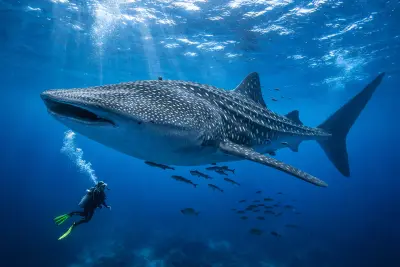
Whale shark
Summer, Fall, Winter, Spring · często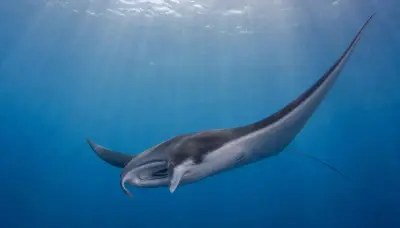
Mobula ray
Spring, Summer, Fall, Winter · często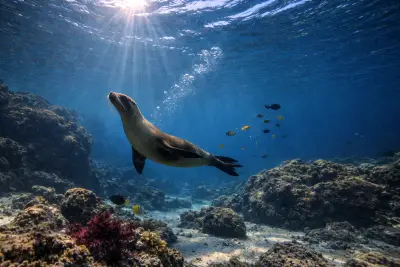
Sea lion
Year-round · często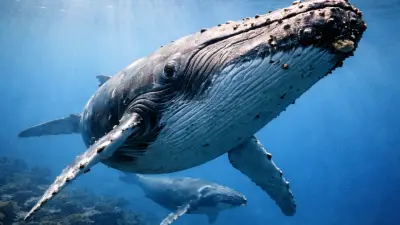
Humpback whale
Winter · czasami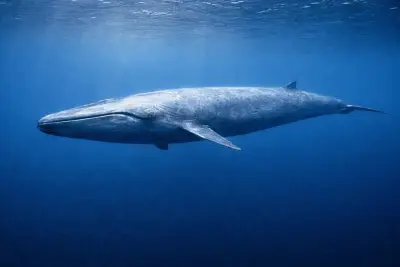
Grey whale
Winter · czasami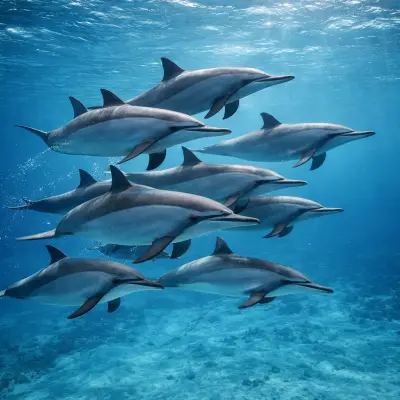
Dolphin
Winter, Fall · często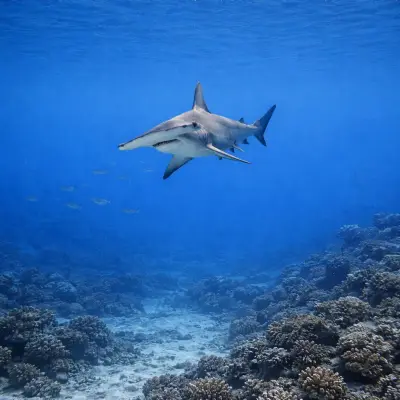
Hammerhead shark
Winter, Spring · czasami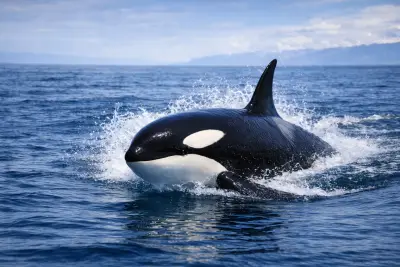
Orca
Summer · rzadko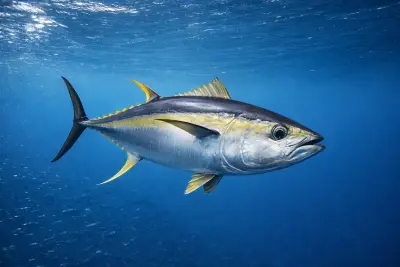
Yellowfin tuna
Spring · czasami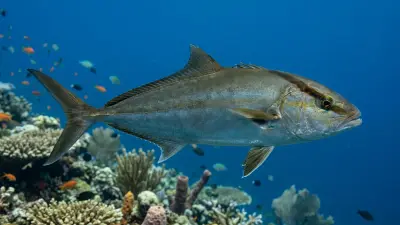
Jacks
Spring, Summer, Fall · często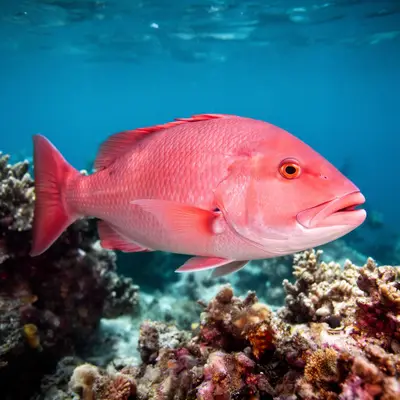
Snappers
Spring · częstoProfil i przebieg nurkowania
Diving at Mount Eden typically involves conditions that can change throughout the year, from calm to strong currents. Divers usually enter the water from a liveaboard or dayboat, often employing drift diving techniques to cover ground and maximize encounters with pelagic species. The dive profile involves exploring dramatic underwater landscapes and walls, with depths varying depending on the specific features being explored and the pelagic life present. It's common to follow the natural contours of the site, allowing currents to assist movement. Turn points are dictated by air consumption and planned bottom time, often against the current if necessary to return to an amenable pick-up point. Safety stops are conducted in the blue, often while drifting, with surface support always monitoring diver location due to the potential for significant current.
Fotografia podwodna
Mount Eden, with its abundant pelagic and large animal encounters, is an excellent site for wide-angle photography. A dome port with a wide-angle lens is recommended to capture schools of mobula rays, whale sharks, or the vastness of the underwater landscape. For macro opportunities, particularly during periods of excellent visibility, a dedicated macro lens can reveal the rich reef life. Consider natural light for large subjects when visibility is good, or use strobes to enhance color and detail on reef inhabitants and when shooting in lower light conditions. Be mindful of ethical distance with all marine life, especially larger animals, and maintain excellent buoyancy to avoid stirring up sediment in this dynamic environment.
Połącz z tymi miejscówkami
- Atlantis
Rafa Atlantis to urzekające miejsce nurkowe u wybrzeży Isla Mujeres w Meksyku, oferujące certyfikowanym nurkom ekscytującą eksplorację…
- Bajo Sandia
Bajo Sandia to intrygujące podwodne miejsce w Loreto w Baja California Sur, uznane za obszar do eksploracji w ramach parku morskiego.
- Isla Montserrat
Isla Montserrat to jedna z pięciu głównych wysp w Parku Narodowym Bahía de Loreto, oferująca różnorodne możliwości nurkowania.
- La Poza
La Poza to niezwykłe miejsce nurkowe położone w Xcalak, spokojnej wiosce rybackiej na karaibskim wybrzeżu Meksyku, niedaleko granicy z…
- El Morro
El Morro jest uznawane za jedno z najlepszych miejsc nurkowych w rejonie Puerto Vallarta, położone tuż za osłoniętymi wodami Zatoki…
- Escalones
Escalones to znane miejsce nurkowe położone u wybrzeży Mahahual w Meksyku, w regionie Costa Maya.
Dojazd i logistyka
Access to dive sites in the Sea of Cortez, such as Mount Eden, is primarily via liveaboard or day boat, with La Paz being a common departure point. The closest international airport to La Paz is Manuel Márquez de León International Airport (LAP). Many divers also fly into Los Cabos International Airport (SJD) and transfer to La Paz. Liveaboard trips in the Sea of Cortez are often between 7 to 10 days, allowing for comprehensive exploration of various sites. Park fees may apply for diving within protected marine areas. Itineraries are typically designed to maximize encounters with seasonal marine life, moving between sites like Mount Eden and others known for whale sharks, mobula rays, or sea lion colonies, especially during the peak diving season from July to November.
Bezpieczeństwo i środowisko
Diving in the Sea of Cortez, while rewarding, requires adherence to safety protocols due to varying conditions, including strong currents. Divers should carry appropriate safety equipment, such as an SMB and a whistle, and be proficient in their use. The nearest recompression chamber is located in La Paz. Evacuation from remote dive sites would typically be by boat to the nearest medical facility, requiring robust travel and dive insurance that covers emergency medical treatment and evacuation. Always dive within your training limits, pay close attention to dive briefings, and ensure your dive insurance is current and comprehensive. Respect marine life and maintain proper buoyancy to avoid contact with the environment.
Dla kogo — a dla kogo nie
Odpowiednie dla
- Experienced divers seeking pelagic encounters
- Underwater photographers with wide-angle setups
- Divers comfortable with drift diving
- Liveaboard enthusiasts
- Those interested in seasonal marine migrations
Mniej odpowiednie dla
- Newly certified divers
- Divers uncomfortable with strong currents
- Those prone to seasickness
- Divers seeking exclusively shallow, calm reef dives
- Individuals without comprehensive dive insurance
Częste pytania
Mount Eden — najczęstsze pytania
What kind of marine life can I expect to see at Mount Eden?
Mount Eden, like much of the Sea of Cortez, is known for its diverse pelagic life. You can anticipate encounters with large schools of fish, mobula rays, and sea lions. Depending on the season, migrating whale sharks, hammerhead sharks, and even various whale species like humpbacks or grey whales might be sighted.
When is the best time of year to dive Mount Eden for specific animal encounters?
The best time varies by what you wish to see. Whale sharks are common from summer through fall and winter, while mobula rays are abundant in spring and summer. Winter months are ideal for whale sightings at the surface, and sea lions are active year-round, with playful pups in late summer.
What are the water conditions like at Mount Eden?
Water conditions can change dramatically throughout the year. Temperatures range from 18–21°C in winter to 26–30°C in summer. Visibility is generally excellent, often exceeding 25 meters, but can fluctuate due to seasonal plankton blooms or strong currents. Currents can be mild to strong, making drift diving common.
Is Mount Eden suitable for beginner divers?
Mount Eden is generally recommended for intermediate to advanced divers due to potentially strong currents and deeper profiles common in the Sea of Cortez. Divers should be comfortable with drift diving and have good buoyancy control. Beginner divers might find certain conditions challenging.
How do I get to Mount Eden and other Sea of Cortez dive sites?
Most divers access Mount Eden and other remote Sea of Cortez sites via liveaboard boats departing from ports like La Paz. Day trips are also possible for closer sites. Flying into La Paz (LAP) or Los Cabos (SJD) international airports is the most common travel approach, followed by ground transfers to the departure port.
Dlaczego nurkować Mount Eden z liveaboardu?
Mount Eden to jedno z ikonicznych miejsc nurkowych w Meksyk. Liveaboard zapewnia nocleg na wodzie i 3–4 prowadzone nurkowania dziennie, w tym świtowe i nocne, których łodzie dzienne rzadko oferują. Unikasz codziennego powrotu do portu i w jednej podróży docierasz do spokojniejszych miejsc w tym samym regionie.
Poniżej liveaboardy, które uwzględniają Mount Eden w swoich trasach po Meksyk.
Liveaboardy do Mount Eden
Te safari nurkowe mogą odwiedzać Mount Eden na wybranych trasach — konkretne miejsca zależą od terminu, pogody i warunków.
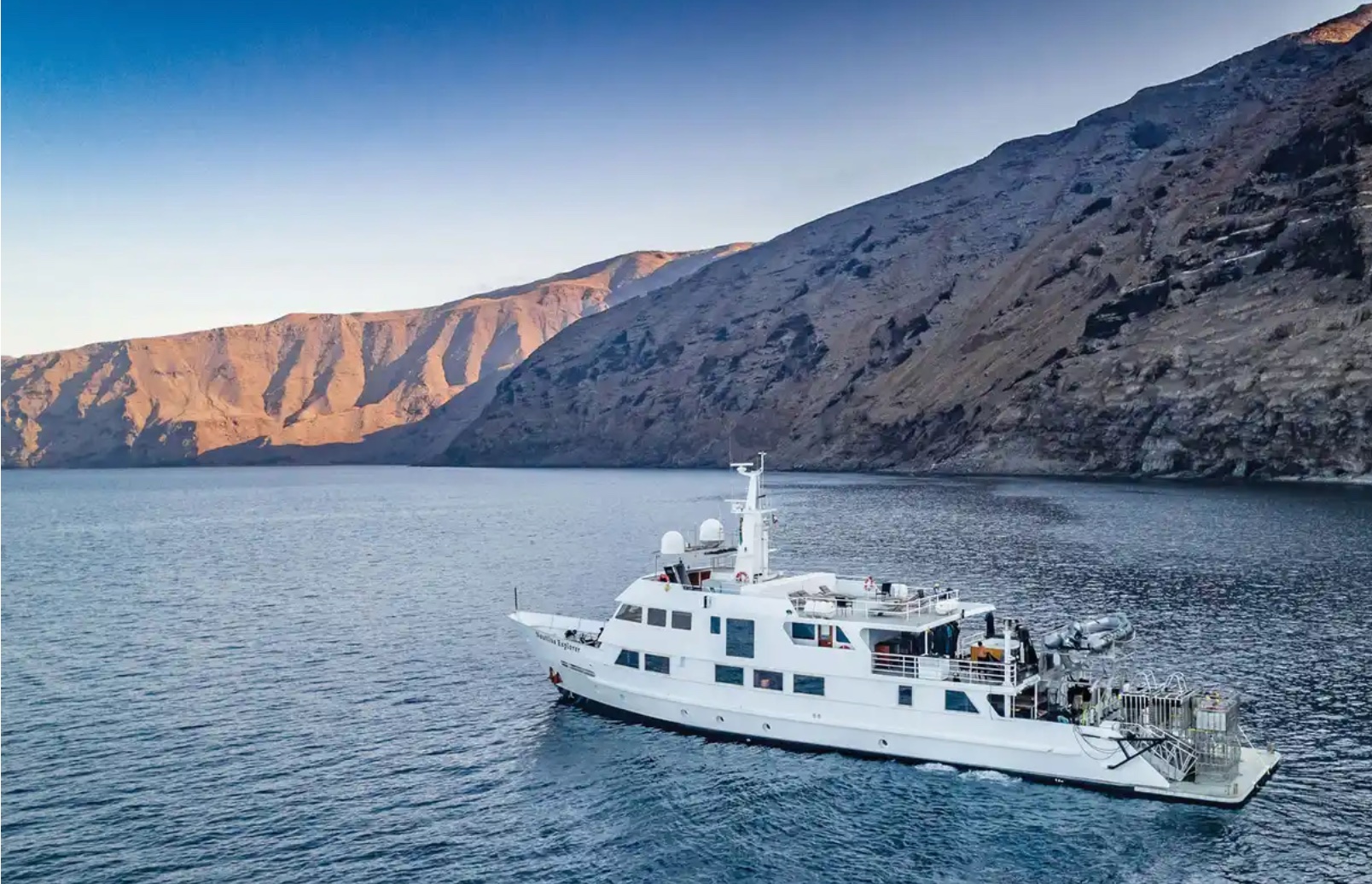
Nautilus Explorer
Meksyk
25 gości44.8 m
€202/dzień
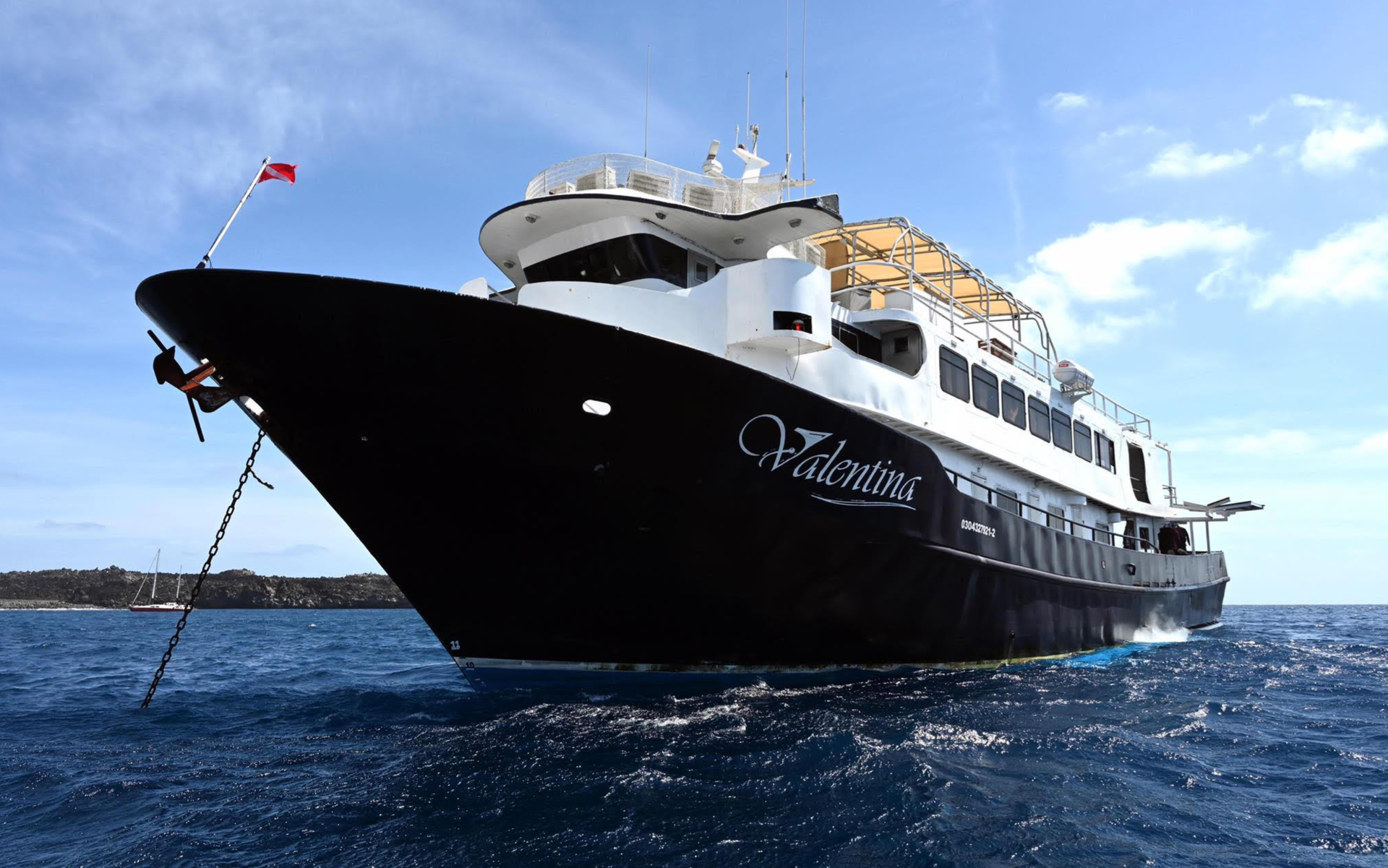
Valentina
Meksyk
20 gości38.1 m
€378/dzień
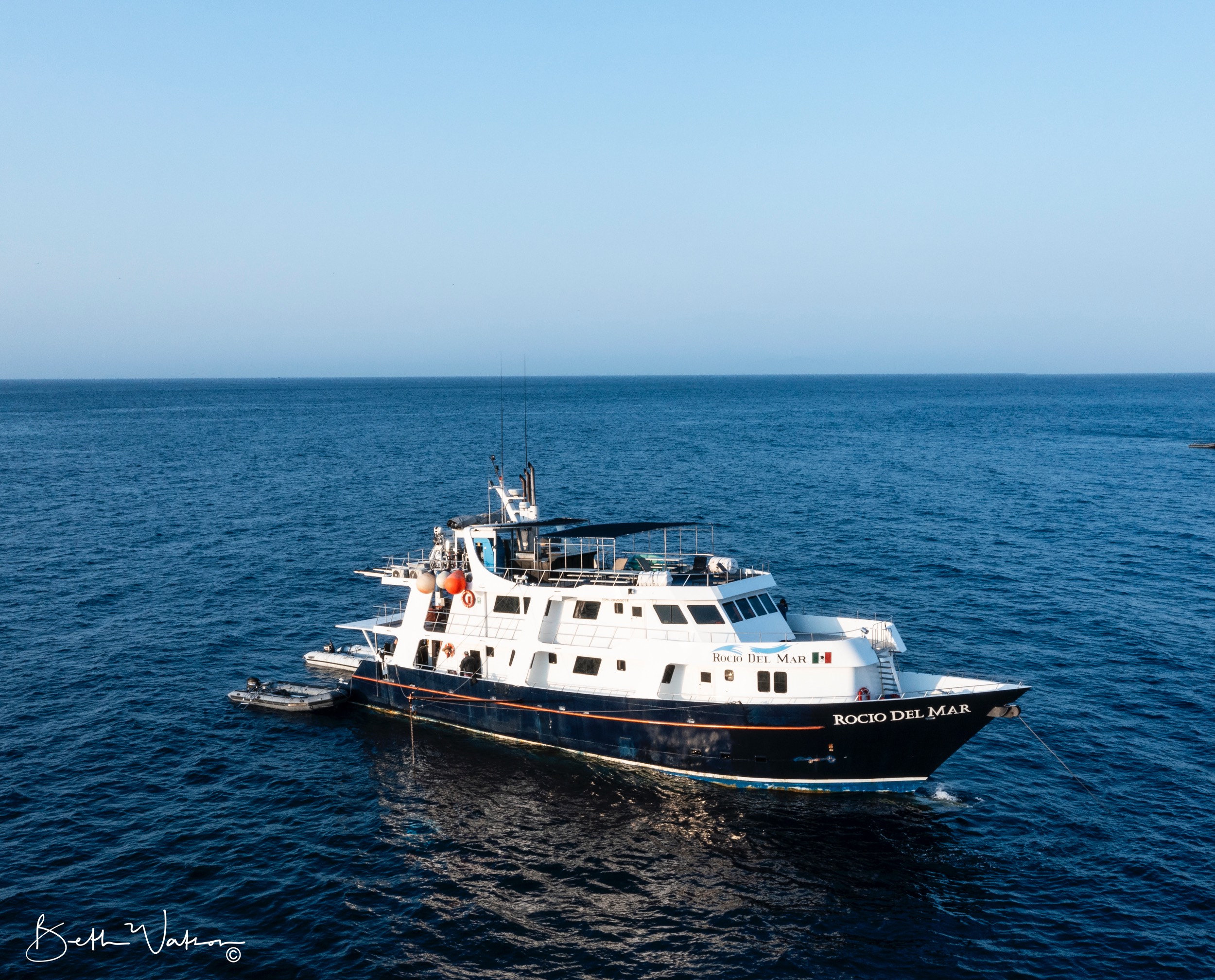
Rocio del Mar
Meksyk
20 gości33.5 m
€345/dzień
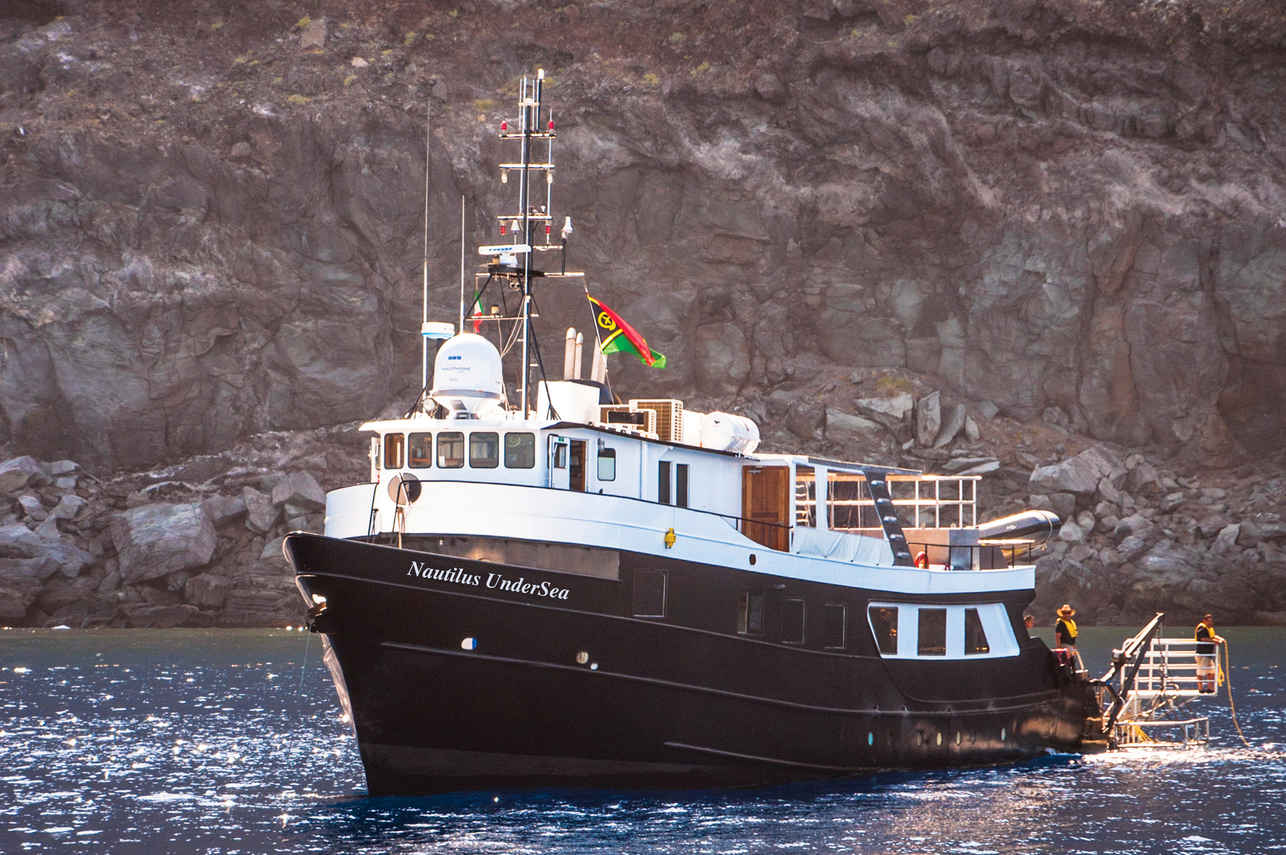
Nautilus Under Sea
Meksyk
19 gości32 m
€230/dzień
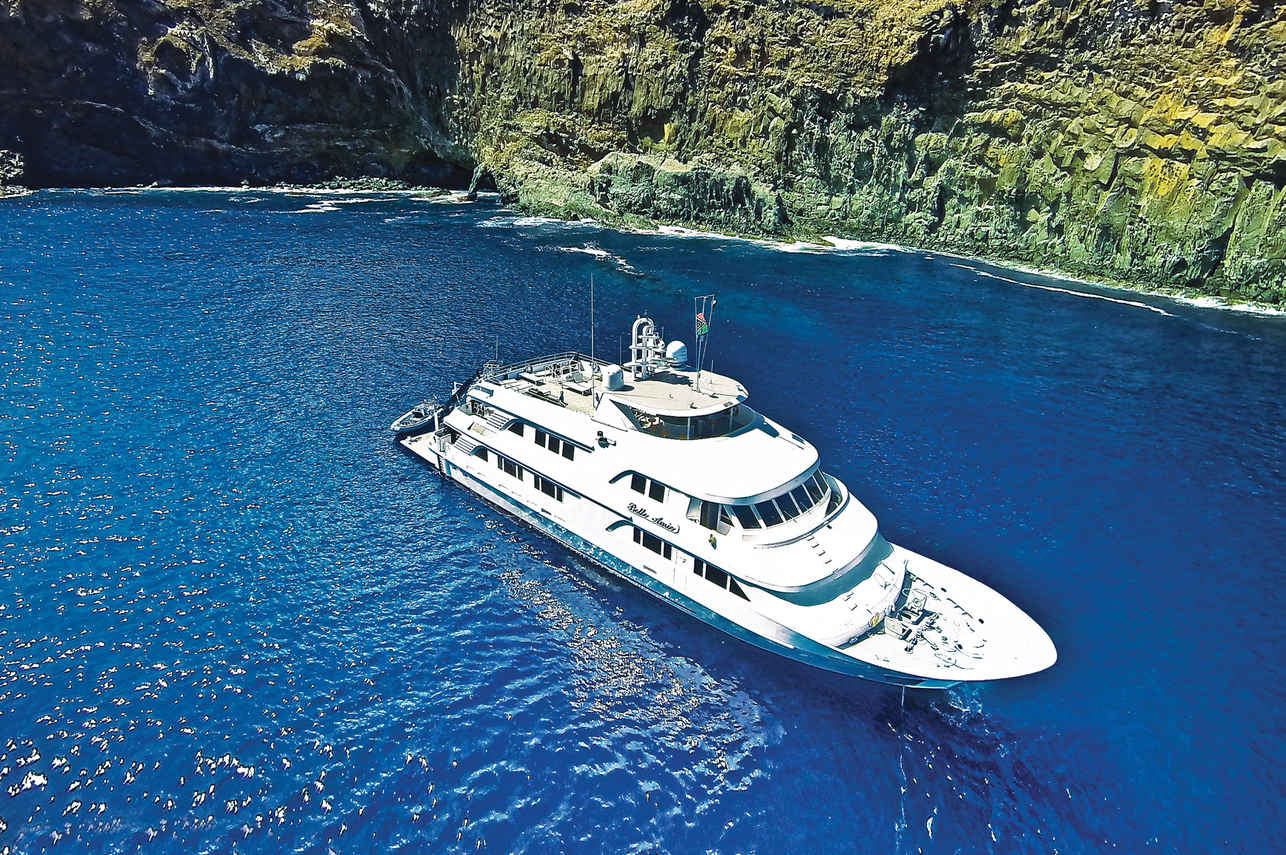
Nautilus Belle Amie
Meksyk
32 gości44.8 m
€284/dzień
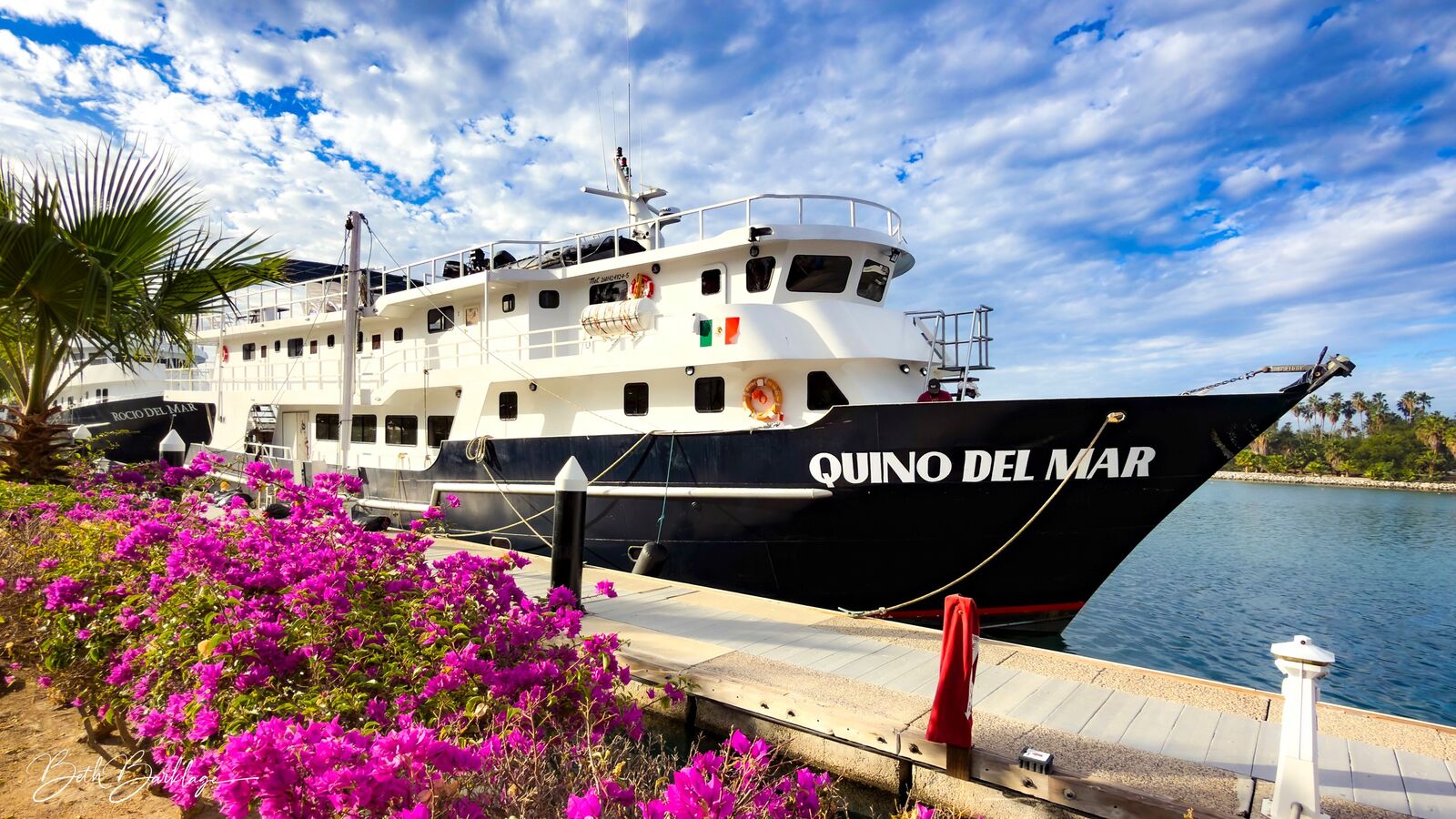
Quino del Mar
Meksyk
20 gości36 m
€331/dzień
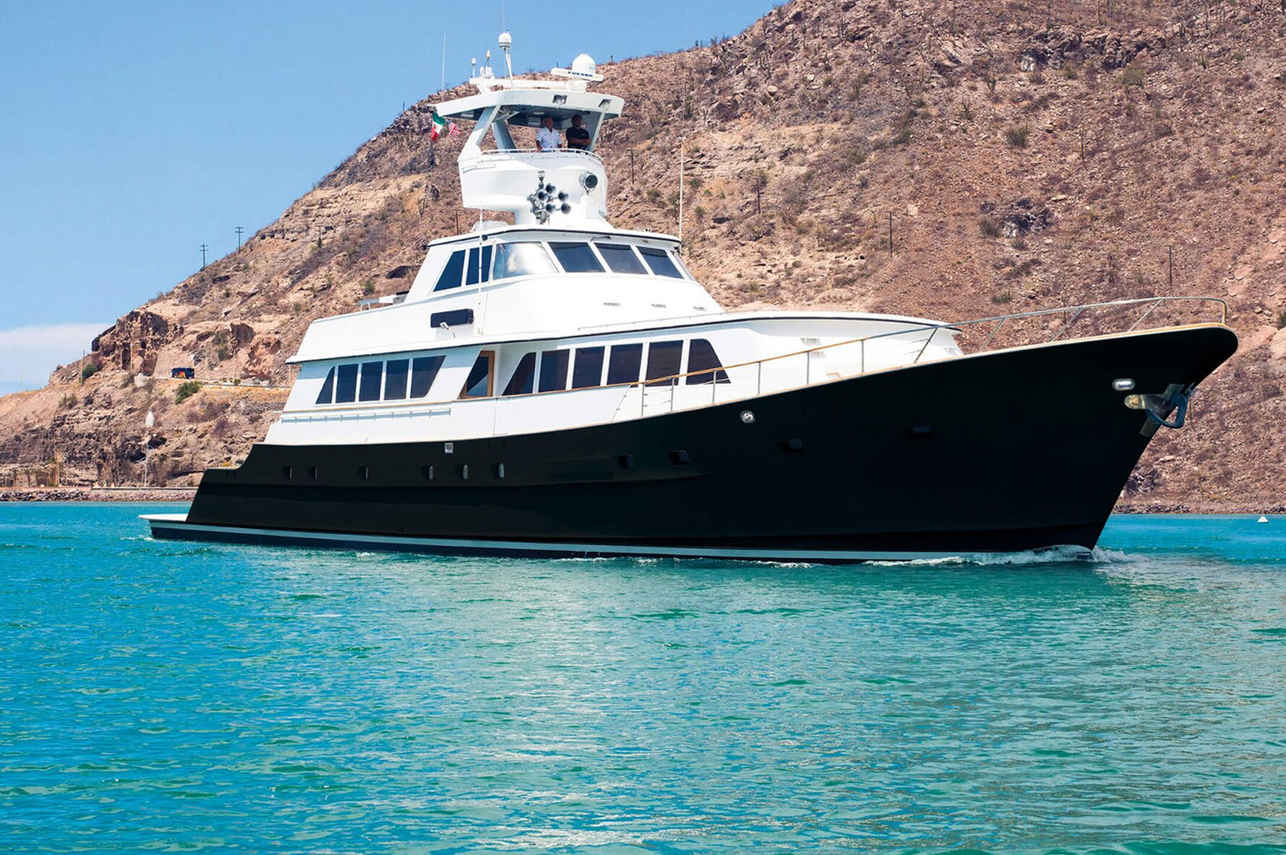
Nautilus Gallant Lady
Meksyk
12 gości35.36 m
€292/dzień
Miejsca nurkowe podobne do Mount Eden
Ten sam charakter, te same wody — sześć miejsc kochanych z tych samych powodów.Porównaj sezony, dostęp i trasy liveaboardów, a następnie wybierz miejsce najlepiej pasujące do Twojej podróży.
© Esri — Maxar, Earthstar, GIS
El Bajo Seamount
Meksyk
El Bajo Seamount, znany również jako Marisla Seamount, to światowej klasy zaawansowane miejsce nurkowe położone u wybrzeży La Paz w Morzu Corteza.
- Odpowiednie dla
- Zaawansowany
- Prąd
- Silny
- Dostęp
- Safari lub łódź dzienna
- Głębokość
- 18–40 m
- Temat
- Pinakiel / Góra podwodna
© Esri — Maxar, Earthstar, GIS
Isla Ballena, znana również jako Wyspa Wielorybia, to największa z trzech wysp położonych na zachód od Isla Espiritu Santo w Morzu Corteza w Meksyku.
- Odpowiednie dla
- Początkujący
- Prąd
- Silny
- Dostęp
- Safari lub łódź dzienna
- Głębokość
- 5–18 m
- Temat
- Rafa / Góra podwodna
© Esri — Maxar, Earthstar, GIS
Roca Partida
Meksyk
Roca Partida to bez wątpienia jedno z najbardziej niezwykłych miejsc nurkowych na świecie, odległa wulkaniczna skała w Archipelagu Revillagigedo, około 400 km od Pacyficznego wybrzeża Meksyku.
- Odpowiednie dla
- Zaawansowany
- Prąd
- Silny
- Dostęp
- Safari lub łódź dzienna
- Głębokość
- 10–40 m
- Temat
- Jaskinia i grota / Góra podwodna
© Esri — Maxar, Earthstar, GIS
Gordo Banks
Meksyk
Gordo Banks to światowej sławy miejsce do głębokich nurkowań, położone około siedmiu do dziesięciu mil morskich od przystani San José del Cabo w Meksyku.
- Odpowiednie dla
- Zaawansowany
- Prąd
- Silny
- Dostęp
- Safari lub łódź dzienna
- Głębokość
- 31–40 m
- Temat
- Pinakiel / Góra podwodna
© Esri — Maxar, Earthstar, GIS
Isla Isabel
Meksyk
Isla Isabel, klejnot archipelagu Revillagigedo w Meksyku, to główne miejsce dla nurków poszukujących spotkań z dużymi gatunkami pelagicznymi.
- Odpowiednie dla
- Średnio zaawansowany
- Prąd
- Umiarkowany
- Dostęp
- Safari lub łódź dzienna
- Głębokość
- 8–30 m
- Temat
- Pinakiel / Góra podwodna
© Esri — Maxar, Earthstar, GIS
6 Toed Cat
Meksyk
Miejsce nurkowe znane jako „6 Toed Cat” (Sześciopalczasty Kot) nie jest oficjalnie uznanym miejscem nurkowym w Meksyku.
- Odpowiednie dla
- Początkujący
- Prąd
- Słaby
- Dostęp
- Safari lub łódź dzienna
- Głębokość
- —
- Temat
- Rafa