소개 Camano Islet
카마노 섬(Camano Islet)은 갈라파고스 군도 내에서 접근성이 좋고 부드러운 다이빙 경험을 제공하며, 경험이 적은 다이버에게 적합한 장소로 꼽힙니다. 이 지역의 다른 까다로운 다이빙 포인트들과 달리, 이곳은 초보 다이버들이 차분하고 편안한 환경에서 갈라파고스의 풍부한 수중 생물 다양성을 발견할 기회를 제공합니다. 지형은 일반적으로 약한 조류와 얕은 수심이 특징으로, 다이빙 기록이 적은 다이버들에게 편안한 환경을 만들어 줍니다. 이러한 조건 덕분에 다이버들은 다른 섬에서 발견되는 까다로운 조건 없이 편안하게 수중 풍경을 탐험할 수 있습니다. 출처에서 구체적인 지형 구조에 대한 세부 정보는 제공되지 않았지만, 전반적인 설명은 쉬운 탐험에 적합한 산호초와 같은 환경임을 시사합니다. 카마노 섬에서 관찰되는 해양 생물에 대한 자세한 목록은 명시되어 있지 않지만, 갈라파고스의 초보자용 다이빙 포인트에서는 일반적으로 다양한 색상의 리프 피쉬와 바다거북을 만날 수 있습니다. 또한 이곳에 서식하는 상어 종을 마주칠 가능성도 있어 다이버들이 고요한 환경에서 갈라파고스의 상징적인 동물군을 감상할 수 있습니다. 실질적으로 이 포인트는 보통 약한 조류가 특징이어서 대부분의 자격증을 소지한 다이버에게 적합한 편안한 다이빙을 즐길 수 있습니다. 이렇게 까다롭지 않은 환경 덕분에 편안하게 입수하고 즐거운 다이빙을 할 수 있으며, 이는 갈라파고스의 다른 지역에서 자주 마주치는 강한 조류와는 대조적입니다. 이곳은 이 지역의 유명한 수중 세계를 보다 부드럽게 경험하고 싶은 다이버들에게 최고의 장소입니다.
하이라이트
연중 다이빙 즐기기 좋은 곳주요 해류가 만나는 지점고래상어 (계절성)귀상어 무리갈라파고스 바다사자바다 이구아나 (계절성)강한 해류와 수온약층뛰어난 해양 생물 다양성
시즌 캘린더
다이빙하기 가장 좋은 달
1월
2월
3월
4월
5월
6월
7월
8월
9월
10월
11월
12월
최적
양호
다이브 사이트 정보: Camano Islet
- 수심
- 70–114 ft
- 조류
- 보통 ~ 매우 강함
- 시야
- 15–30 m
- 수온
- 19–26°C
- 입수
- 리브어보드 / 텐더 보트
- 레벨
- 상급자, 조류 경험 필수
- 다이빙 유형
- Big animals, 드리프트, 원양
- 지역 / 항구
- Galápagos Islands
- 좌표
- -0.28386, -91.070359
조건 및 조류
카마노 섬의 조류는 일반적으로 약해서 대부분의 자격증을 소지한 다이버에게 적합한 편안한 다이빙 환경을 만들어줍니다. 이는 특히 6월부터 11월까지의 추운 계절에 강한 조류가 자주 나타나는 다른 많은 갈라파고스 포인트들과는 극명한 대조를 이룹니다. 잔잔한 조건 덕분에 경험이 적은 다이버들도 네거티브 입수나 리프 훅과 같은 고급 조류 다이빙 기술 없이도 편안하게 부력과 항법을 관리할 수 있습니다. 시야는 갈라파고스 전역에 걸쳐 다를 수 있지만, 카마노 섬의 온화한 조건은 일반적으로 쾌적한 경험을 가능하게 합니다. 이 때문에 이곳은 강한 파도나 원양 어류가 지나가는 길목에서 오는 어려움 없이, 보다 고요한 탐험을 선호하는 다이버들에게 이상적인 장소가 되어 즐거운 다이빙 경험을 보장합니다.
해양 생물과 목격 확률

Hammerhead sharks
Year-round, larger schools Dec-May · 흔함
Whale sharks
June-November · 가끔
Manta rays
March-May · 가끔
Galapagos sharks
Year-round · 흔함
Silky sharks
Year-round · 가끔
Sea lions
Year-round · 흔함
Green sea turtles
Year-round · 흔함
Moray eels
Year-round · 흔함
White-tip reef sharks
Year-round · 흔함
Galapagos grunts
Year-round · 흔함
Bluestripe snappers
Year-round · 흔함다이브 프로파일과 진행
Galápagos diving often involves negative entries into strong currents, with dive leaders typically assessing the prevailing conditions to determine the best approach. Divers should expect to drift with the current for much of the dive, using reef hooks when observing marine life in stationary positions. The dive profile is often multi-level, starting deeper to seek out pelagics and then gradually ascending along reefs or walls. Given the strong surge and potential for downcurrents, maintaining neutral buoyancy and being prepared for rapid depth changes is crucial. Safety stops are typically performed in the blue, potentially deploying a surface marker buoy (SMB) upon ascent, as currents can carry divers a considerable distance from the initial entry point. Dive times are often limited by air consumption in strenuous conditions and cold water.
수중 사진
Galápagos diving, with its strong currents and large pelagic subjects, demands careful planning for photography. Wide-angle lenses are essential for capturing schooling hammerheads, manta rays, and whale sharks. Due to often-turbid waters from nutrient-rich currents, close focus wide-angle techniques are beneficial. Strobes are crucial to add color and contrast, especially for deeper subjects or when visibility is reduced. Buoyancy control and efficient movement are paramount; flailing or uncontrolled movements will disturb marine life and compromise shot stability. Keeping a low profile close to rocks can help wildlife approach, but always be aware of potential hazards like scorpionfish. Photographing in strong surge requires anticipation and timing, often using the natural sway to position for shots.
함께 묶기 좋은 인근 포인트
- North Seymour
Often a checkout dive site with diverse marine life and land tours.
- Gordon Rocks
Known for strong currents and hammerhead sharks.
- Cousin's Rock
Pinnacle dive with abundant reef fish and pelagic encounters.
- Kicker Rock (León Dormido)
Famous for shark encounters, including hammerheads and Galápagos sharks.
- Isla Tortuga - South Wall
Wall diving with potential for pelagic sightings.
가는 방법과 준비
Access to the Galápagos Islands typically begins with international flights into mainland Ecuador, either Guayaquil (GSP) or Quito (UIO), followed by a domestic flight to Baltra Island (GPS) or San Cristóbal Island (SCY). Most diving at premier sites, including Camano Islet, is conducted via liveaboard vessels, offering trips typically ranging from 7 to 10 nights. Liveaboards depart from and return to Baltra Island, near Santa Cruz, or San Cristóbal. Upon arrival at Baltra, divers transfer directly to their liveaboard. Park entry fees are required for all visitors to the Galápagos National Park, and a transit control card must also be purchased. Itineraries often combine dives at central islands with longer transits to more remote northern sites like Wolf and Darwin.
안전과 환경
Diving in the Galápagos demands a high level of diver preparedness due to strong currents, significant surge, and cold water thermoclines. Divers should hold advanced certifications and possess extensive experience in current diving. It is highly recommended to carry a surface marker buoy (SMB), an Emergency Position Indicating Radio Beacon (EPIRB), or a personal locator device for safety in case of separation from the group or boat. Decompression sickness is a risk, so strict adherence to dive plans and slow ascents are critical. The nearest recompression chamber is located in Puerto Ayora on Santa Cruz Island. Medical evacuation from remote dive sites can be challenging and time-consuming. Comprehensive dive accident insurance and travel insurance with emergency evacuation coverage are essential for all divers visiting the Galápagos.
누구에게 맞고 — 맞지 않는지
적합
- Experienced divers comfortable with strong currents
- Advanced Open Water Divers
- Divers seeking large pelagic encounters
- Underwater photographers with wide-angle setups
- Those equipped for cold water and thermoclines
덜 적합
- Beginner divers or those with limited experience
- Divers uncomfortable with negative entries
- Individuals prone to seasickness in choppy conditions
- Divers without excellent buoyancy control skills
- Those without proper thermal protection for cold water
자주 묻는 질문
Camano Islet 자주 묻는 질문
What is the best time of year to dive in the Galápagos for whale sharks?
The peak season for whale shark encounters in the Galápagos is generally from June to November. During these cooler months, the nutrient-rich upwellings attract these majestic creatures to the islands. While sightings are never guaranteed, this period offers the highest probability for divers hoping to swim with whale sharks.
How strong are the currents in the Galápagos?
The currents in the Galápagos can be very strong, often exceeding 5 knots at popular dive sites. These powerful currents are a result of major oceanic flows converging around the islands. Divers must be proficient in drift diving techniques and prepared for vigorous conditions, sometimes requiring the use of reef hooks to stay in place.
Is the water cold in the Galápagos, and what wetsuit should I bring?
Water temperatures in the Galápagos can vary significantly, ranging from 19-23°C (66-73°F) during the cooler season (June-November) and 22-26°C (72-79°F) in the warmer months (December-May). Additionally, thermoclines can cause sudden drops to 12-15°C. A 7mm wetsuit, possibly with a hood and gloves, is highly recommended for thermal comfort, especially during the colder months or longer dives.
Do I need special certifications to dive in the Galápagos?
While PADI or SSI certification is mandatory, the Galápagos generally requires divers to be Advanced Open Water certified or equivalent, with significant experience in strong currents. Some sites may have minimum logged dive requirements of 10, 15, or even 30 dives. Beginner divers may find easier sites during the warmer months, but the destination is primarily suited for experienced divers.
What kind of marine life can I expect to see while diving in the Galápagos?
The Galápagos Islands are a hotspot for diverse marine life. Divers frequently encounter schooling hammerhead sharks, Galápagos sharks, and white-tip reef sharks. Depending on the season, you might also see whale sharks, giant manta rays, marine iguanas, playful sea lions, green sea turtles, and various schooling fish like bluestripe snappers and Galápagos grunts.
왜 Camano Islet를 리브어보드로 다이빙해야 할까요?
Camano Islet는 갈라파고스의 대표 다이브 사이트 중 하나입니다. 리브어보드는 바다 위에서 숙박하며 일일 3~4회의 가이드 다이빙을 제공하고, 데이 보트가 잘 제공하지 않는 새벽 및 야간 다이빙도 포함합니다. 매일 항구로 돌아갈 필요 없이 한 번의 여행으로 같은 지역의 한적한 사이트에 도달할 수 있습니다.
아래는 갈라파고스 일정에 Camano Islet를 포함하는 리브어보드입니다.
Camano Islet를 다이빙하는 리브어보드
이 리브어보드는 일부 일정에서 Camano Islet를 방문할 수 있습니다. 실제 다이브 사이트는 출발일과 날씨, 해상 상황에 따라 달라집니다.
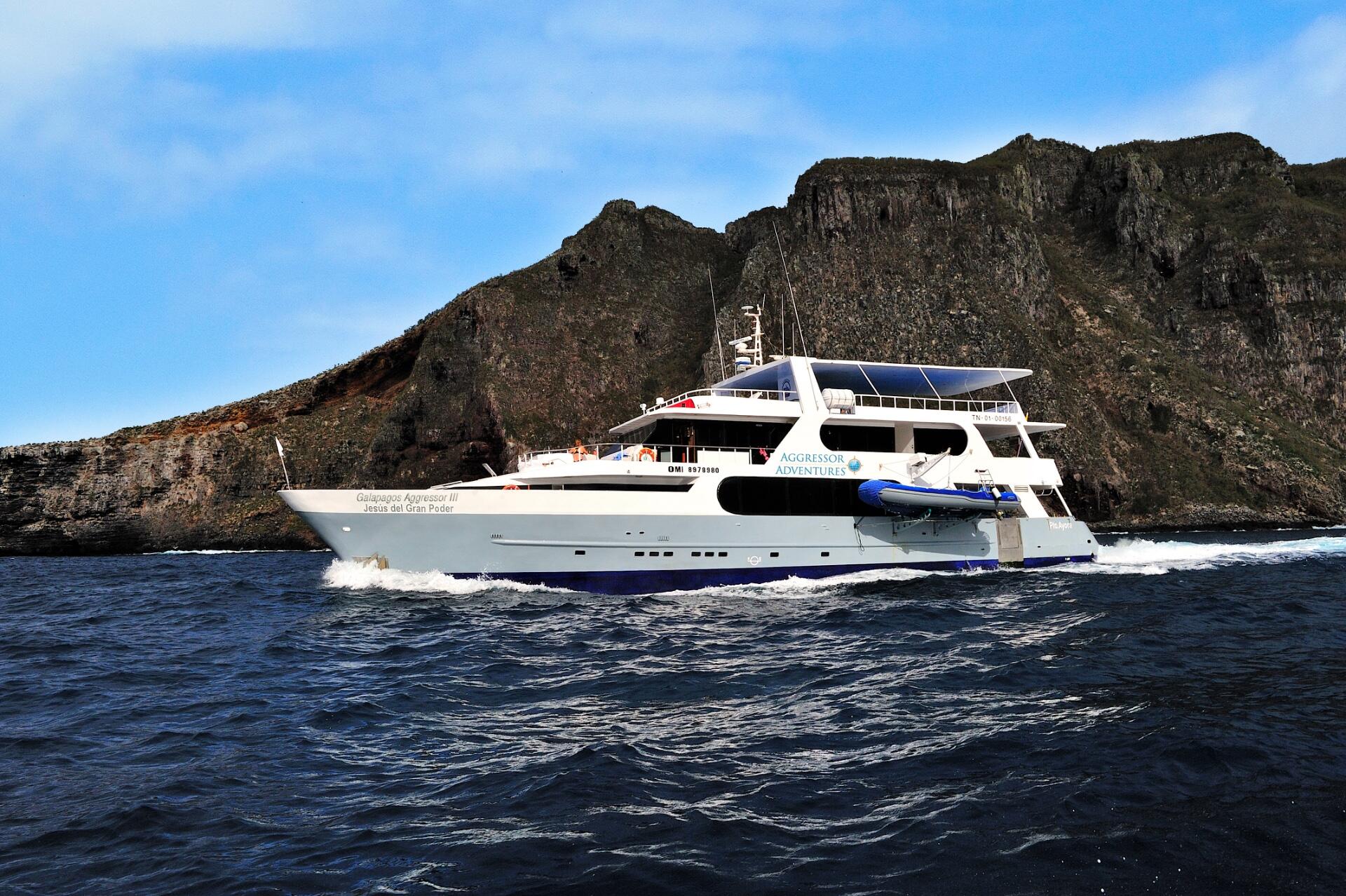
Galapagos Aggressor III
갈라파고스
16 명30.5 m
₩1,213,625/일
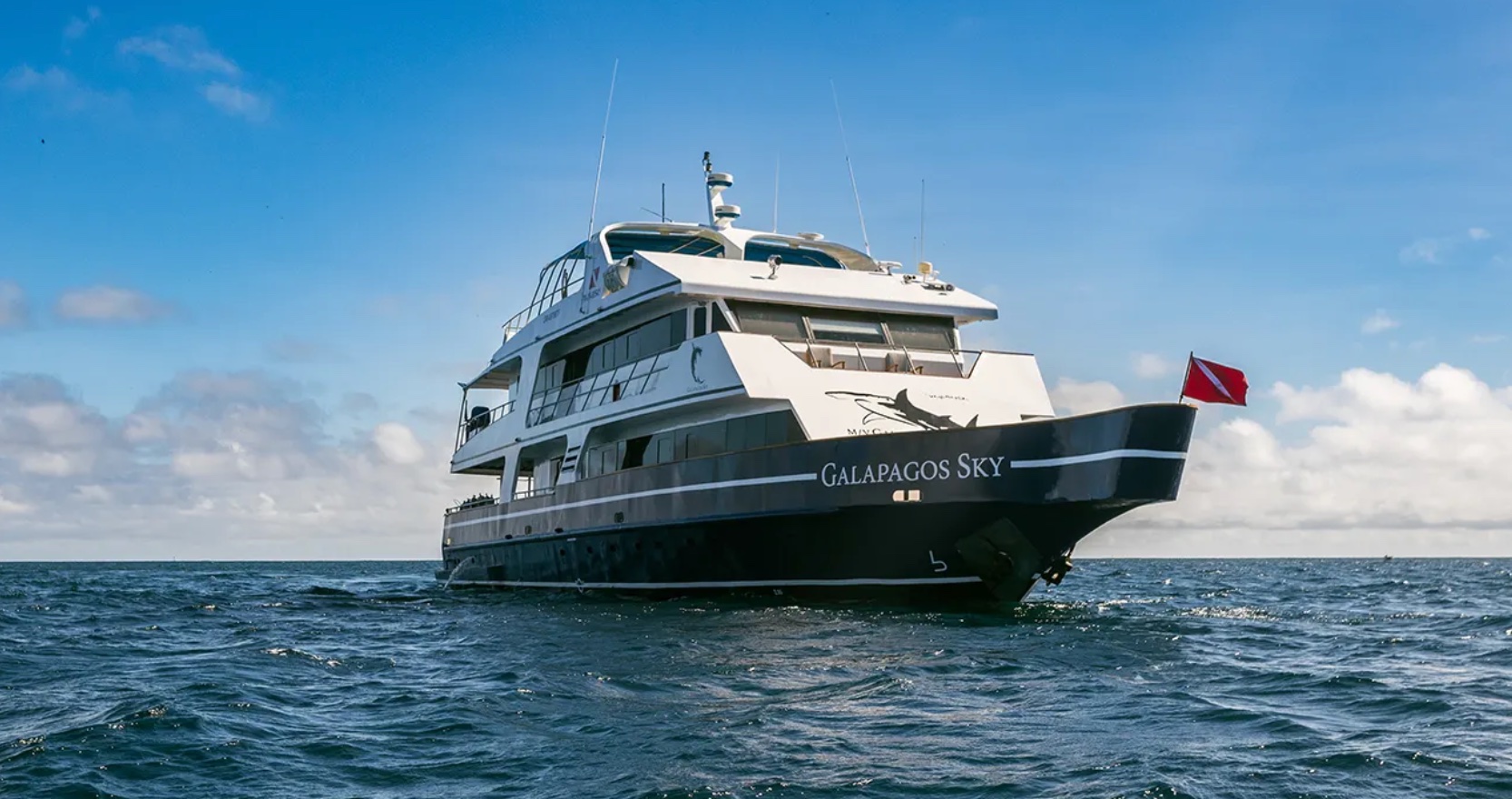
Galapagos Sky
갈라파고스
16 명
₩1,246,050/일
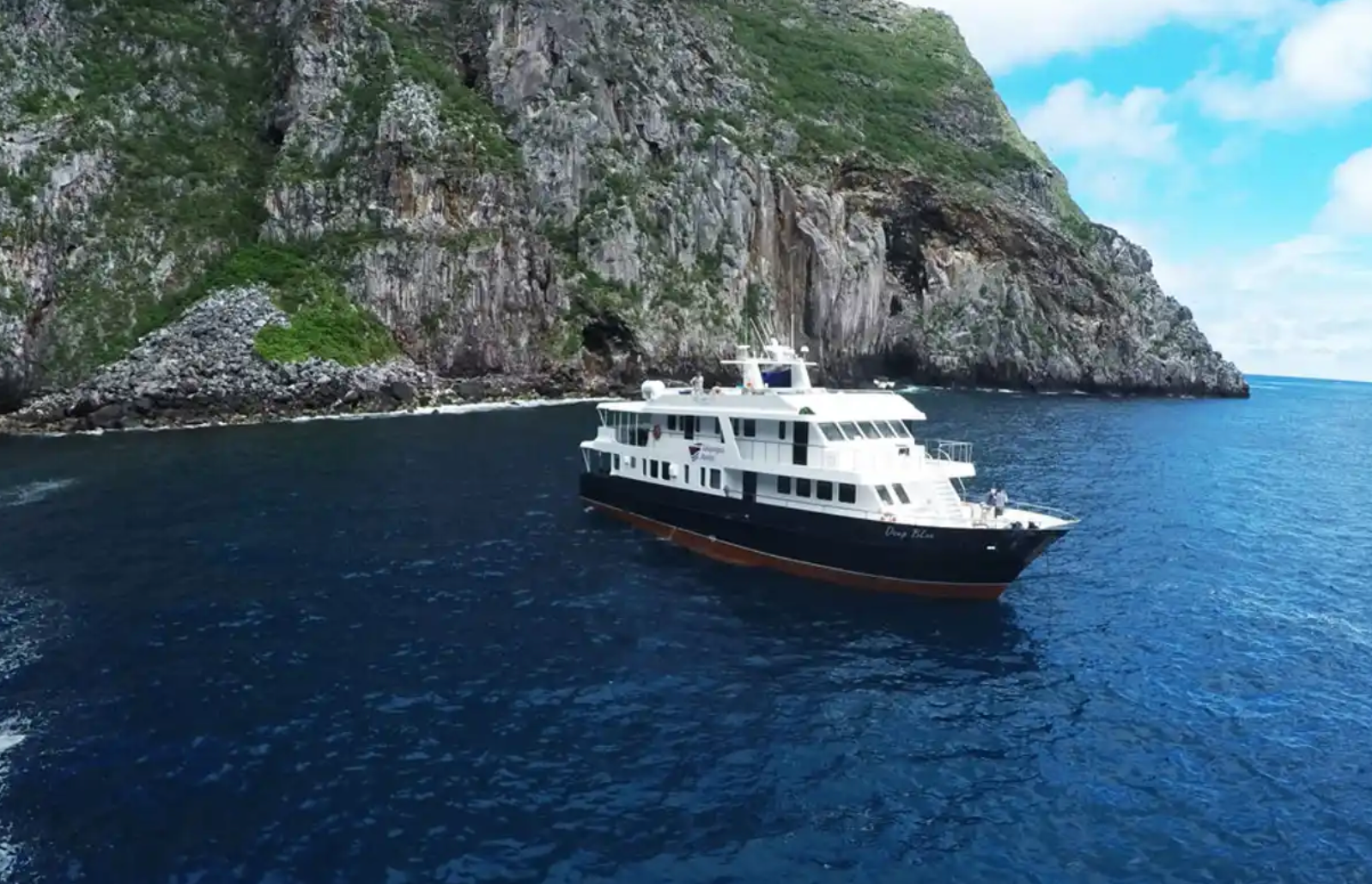
Galapagos Master
갈라파고스
16 명
₩890,275/일
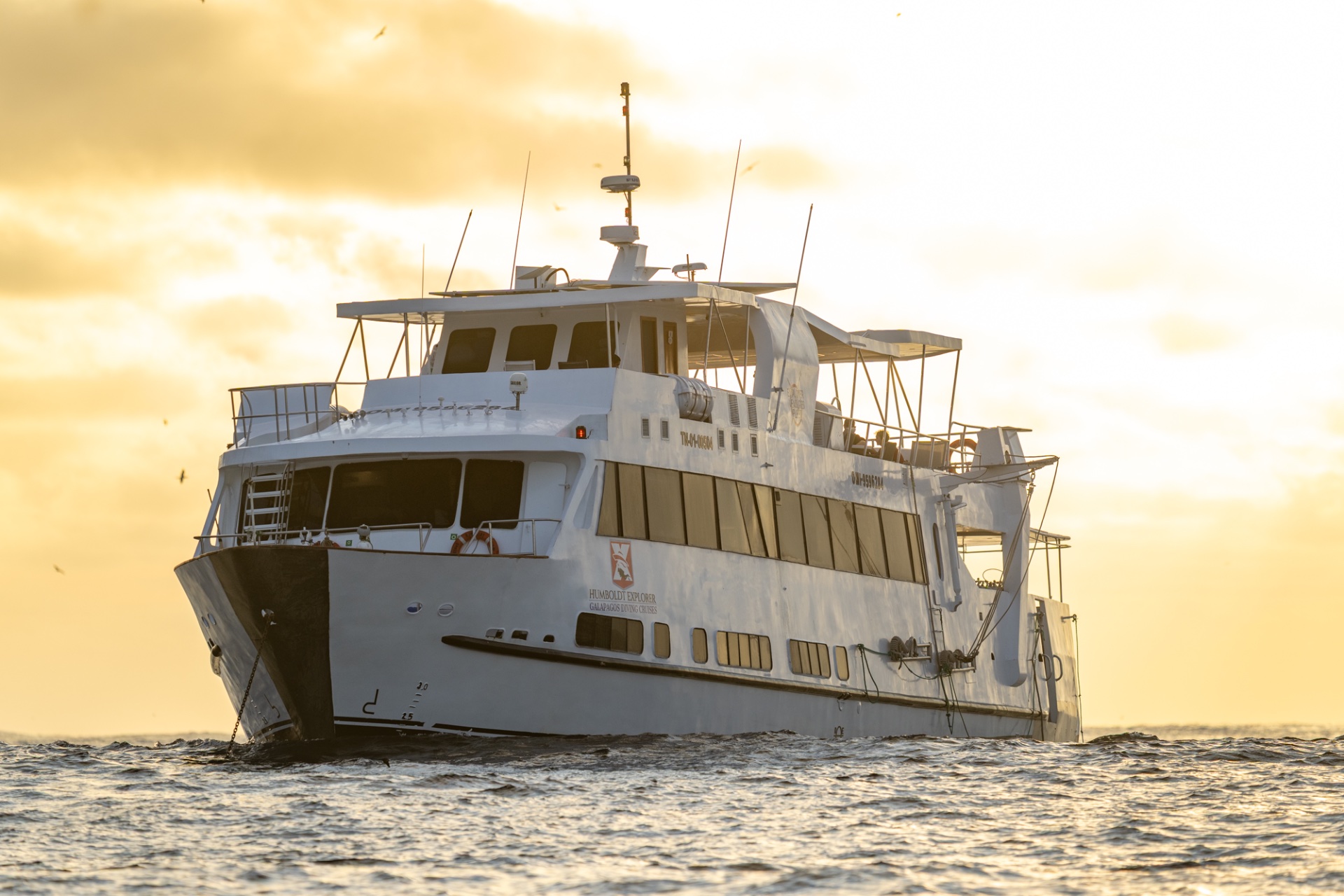
Humboldt Explorer
갈라파고스
16 명
₩813,800/일
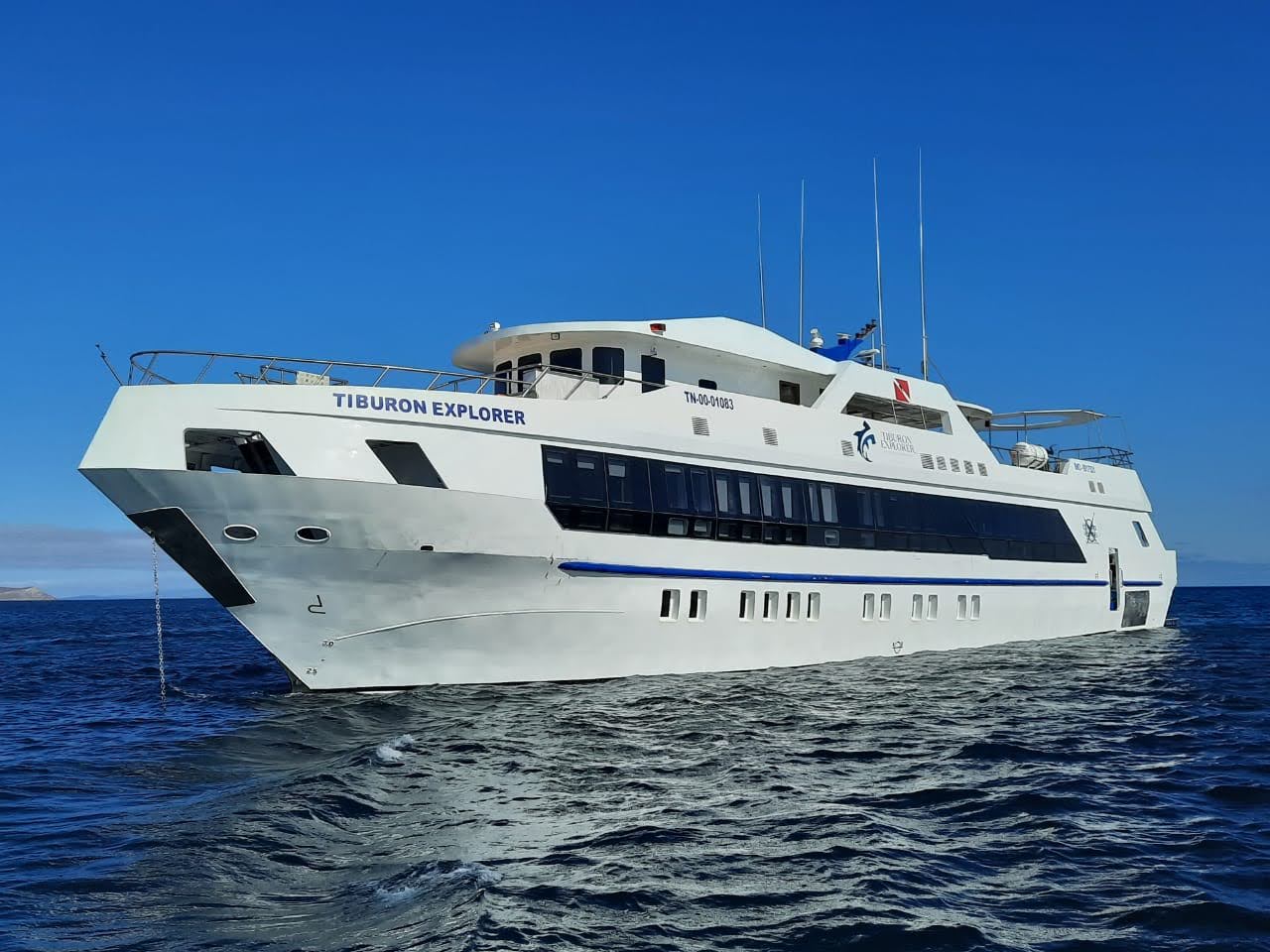
Tiburon Explorer
갈라파고스
16 명
₩1,229,425/일
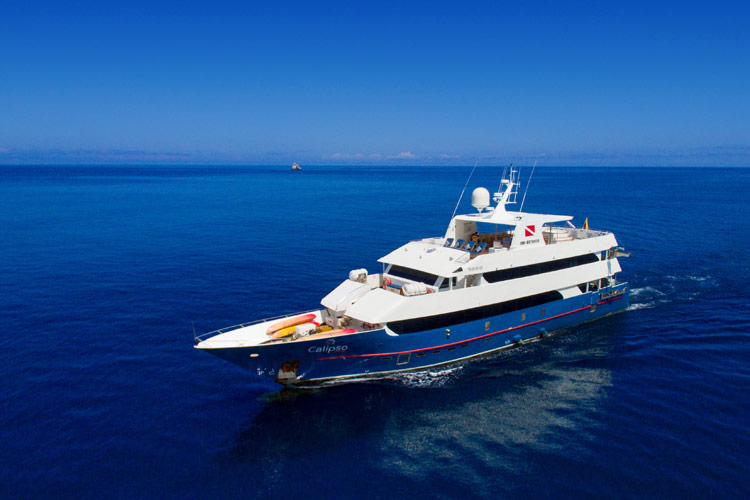
Calipso
갈라파고스
16 명
₩1,089,775/일
Camano Islet와(과) 비슷한 다이브 사이트
같은 분위기, 같은 바다 — 같은 이유로 사랑받는 여섯 곳.시즌, 접근성, 라이브어보드 루트를 비교한 뒤 여행에 가장 잘 맞는 사이트를 고르세요.
© Esri — Maxar, Earthstar, GIS
플로레아나 - 데블스 크라운
갈라파고스
갈라파고스 플로레아나 섬 근처에 있는 데블스 크라운은 군도 내 최고의 다이빙 및 스노클링 명소 중 하나로 유명해요. 이곳은 화산 분화구의 잔해로, 마치 왕관처럼 물 위로 솟아오른 둥근 모양의 삐죽삐죽한 암석 지형을 이루고 있어요.
- 적합
- 초보
- 조류
- 강함
- 접근 방식
- 리브어보드 전용
- 수심
- 3–15 m
- 테마
- 리프
플라자 섬, 특히 남플라자 섬은 갈라파고스 제도 내에서 주목할 만한 다이빙 장소로, 경험이 적은 다이버에게 적합한 경험을 제공하는 것으로 알려져 있어요.
- 적합
- 초보
- 조류
- 약함
- 접근 방식
- 리브어보드 또는 데이보트
- 수심
- —
- 테마
- 리프
© Esri — Maxar, Earthstar, GIS
핀손 (Pinzon)
갈라파고스
핀손은 갈라파고스 군도의 중앙 섬들 사이에 위치해 있으며, 북부나 서부 지역에 비해 일반적으로 더 따뜻하고 보호된 수역으로 특징지어집니다. 이 다이빙 사이트는 암석 지형과 가끔 나타나는 산호 군락으로 이루어진 화산 지형으로 유명하며, 독특한 수중 경관을 더합니다.
- 적합
- 고급
- 조류
- 강함
- 접근 방식
- 리브어보드 또는 데이보트
- 수심
- ≤ 18 m
- 테마
- 리프 / 드리프트
영국식 이름인 배링턴으로도 알려진 산타페 섬은 갈라파고스 군도 내의 독특한 다이빙 장소로, 상당한 지질학적 연대와 높은 고유종 비율로 유명해요.
- 적합
- 초보
- 조류
- 약함
- 접근 방식
- 리브어보드 또는 데이보트
- 수심
- 5–30 m
- 테마
- 리프
© Esri — Maxar, Earthstar, GIS
엘 아레날 - 산티아고
갈라파고스
갈라파고스 군도 북부, 다윈섬 근처에 위치한 엘 아레날은 세계 최고의 다이빙 명소 중 하나로 손꼽힙니다. 풍부하고 다양한 해양 생물로 유명하여 대형 외양 어종과의 만남을 꿈꾸는 숙련된 다이버들에게 이상적인 목적지입니다.
- 적합
- 중급
- 조류
- 강함
- 접근 방식
- 리브어보드 전용
- 수심
- 3–18 m
- 테마
- 리프
© Esri — Maxar, Earthstar, GIS
케이프 더글라스 - 페르난디나
갈라파고스
갈라파고스 페르난디나 섬의 외딴곳에 위치한 케이프 더글라스는 고유 해양 생물을 중심으로 진정으로 독특한 다이빙 경험을 제공합니다. 전 세계에서 가장 훼손되지 않은 환경 중 하나인 페르난디나는 활발한 순상 화산을 품고 있으며 침입종이 없어 서식 생물들 사이에서 놀라운 적응력을 보여줍니다.
- 적합
- 고급
- 조류
- 강함
- 접근 방식
- 리브어보드 전용
- 수심
- 5–33 m
- 테마
- 리프