について Plaza Islands
Plaza Islands offers exceptional diving within Ecuador's Galápagos Marine Reserve, renowned for its abundant marine life and position in one of the world's most biodiverse ocean zones. This site attracts divers with its strong pelagic activity and the presence of species found nowhere else on Earth. While conditions vary seasonally, the site is accessible for diving throughout the year. The topography of the dive site is characterized by an active, nutrient-rich environment, drawing a wide array of marine creatures. Although specific depth profiles are not detailed in the sources, the Galápagos generally features deep waters around its volcanic islands, with the visible portions of volcanoes being just the surface of much larger underwater structures. The marine ecosystem here thrives, supporting species like hammerhead sharks, Galápagos sharks, sea lions, and various rays, alongside smaller reef fish and invertebrates. Whale sharks are seen from June to November, while large schools of hammerheads and giant manta rays are more prevalent from December to May. These seasonal shifts influence marine life behavior and sighting opportunities. From a practical diving perspective, Plaza Islands is best suited for intermediate divers due to potentially strong currents and varying conditions. While specific details on entry/exit are not provided, liveaboards and day boats typically facilitate access to Galápagos dive sites. Divers should expect cooler water temperatures during certain months, necessitating appropriate thermal protection.
ハイライト
火山が作り出したユニークな地形経験の浅いダイバーにも最適アイランドホッピングの旅程に組み込めるガラパゴスの海洋生物との出会い
シーズンカレンダー
ダイビングに最適な月
1月
2月
3月
4月
5月
6月
7月
8月
9月
10月
11月
12月
最適
良好
ダイブサイト データ: Plaza Islands
- 流れ
- Medium 〜 強い
- 透明度
- 10–30 m
- 水温
- 17–26°C
- エントリー
- ライブアボードまたはデイボート
- レベル
- 中級
- ダイブタイプ
- リーフ, big_animals
- 地域 / 港
- Galápagos Islands
- 座標
- -0.5796, -90.1598
コンディションと流れ
Plaza Islandsの流れは一般的に潮流は通常穏やかなので、ほとんどの認定ダイバーさんにとってリラックスして楽しめるダイブだよ。と表現されます。 ほとんどのダイビングは、リラックスしたドリフトダイブか、係留索近くでのリーフダイブとして行われるため、経験の浅いダイバーでもアクセスしやすいサイトです。すべてのダイビングでサーフェスマーカーブイの使用は必須です。 潮や季節によって状況は変化しますので、必ずダイブガイドからの最新のブリーフィングに従ってください。 ガイドは通常、ここの水流を穏やかな流れと評価しています。 通常、初心者ダイバー向けのダイブとして説明されます。 旅の開始場所によって、ライブアボードまたは日帰りボートから潜ることができます。 潮、風、季節のすべてが日によって状況を変化させるため、船上でのクルーのブリーフィングが常に一般的な説明に優先します。
海洋生物と遭遇率
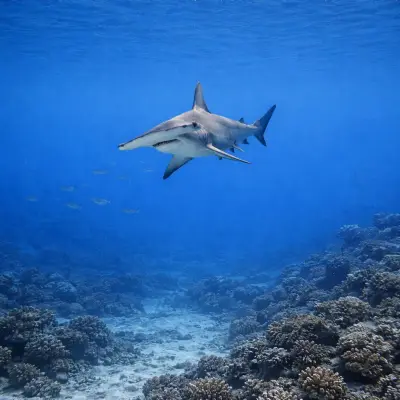
Hammerhead shark
December–May (large schools); June–November (smaller numbers · 多い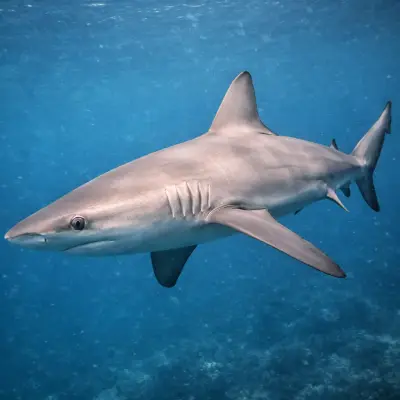
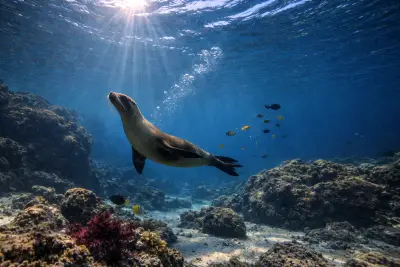
Sea lion
多い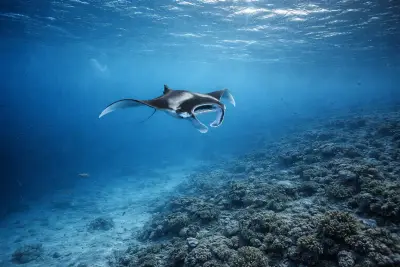
Manta ray
March–May (frequently spotted) · 多い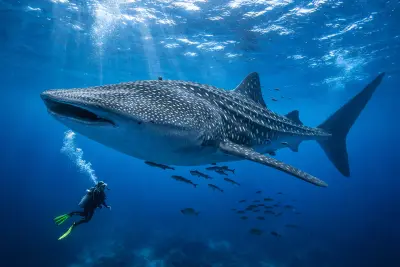
Whale shark
June–November (peak season) · 多い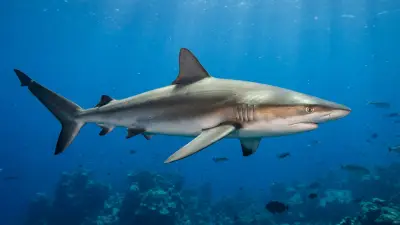
ダイブプロファイルと流れ
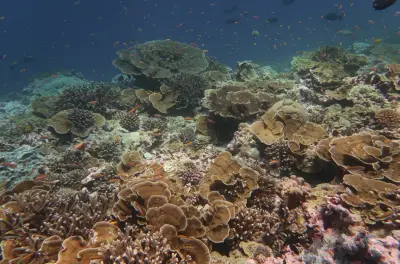
A typical dive at Plaza Islands focuses on exploring the rich marine environment that thrives due to upwellings and currents. Divers usually enter the water via tender from a liveaboard or day boat, often performing a negative entry to quickly descend and mitigate surface currents. The route typically follows the contours of the underwater landscape, allowing for observation of pelagic species in the open water and reef fish closer to the rocks. Depth progression can vary, but generally, divers will explore different depth bands to encounter a diverse range of marine life. Attention is often directed towards areas where currents are more pronounced, as these are hotbeds for larger marine animals. The turn point is determined by air consumption and bottom time, with divers often drifting along the current. Safety stops are conducted in shallower, more sheltered areas if available, or as a blue-water stop, requiring careful buoyancy control, especially with potentially strong currents. The dive concludes with an ascent back to the tender boat, which will follow the divers' drift.
水中写真
Plaza Islands offers excellent opportunities for wide-angle photography, especially for capturing the vibrant pelagic action and large marine animals. A fisheye or wide-angle lens (e.g., 10-17mm or 16-35mm equivalent) is recommended to frame schooling hammerheads, manta rays, and whale sharks against the blue water. External strobes are beneficial for adding color and detail, especially in deeper or less clear conditions, helping to cut through backscatter. When photographing larger subjects, ensure you maintain a respectful distance to avoid disturbing their natural behavior. For smaller reef fish and invertebrates, a macro lens might be suitable, though the primary draw of Plaza Islands is its big animal encounters. Buoyancy control is paramount, particularly with the prevalent currents, to avoid damaging the delicate ecosystem and to maintain stable shots. Natural light can be sufficient for wide shots in good visibility, but strobes will enhance color and contrast.
近隣のダイブサイトと組み合わせ
- Gordon Rocks
ガラパゴス諸島のサンタクルス島北東沖に位置するゴードンロックスは、世界有数のダイビングスポットとして知られ、特にハンマーヘッドシャークとの遭遇が豊富であることで有名です。この場所は浸食された火山性凝灰岩の円錐形で、何千年もの風雨によって、水面に突き出た3つの顕著な岩が形成されまし…
- Kicker Rock (León Dormido)
キッカーロックは、見る角度によって「眠れるライオン」(León Dormido)とも呼ばれ、ガラパゴス諸島のサンクリストバル島沖に位置する世界的に有名なダイビングおよびシュノーケリングスポットだよ。この古代の火山性凝灰岩の円錐形は、太平洋から劇的にそびえ立ち、浸食された二つの柱は…
- North Seymour
ノース・セイモアはガラパゴスで最も人気のあるダイビングサイトの一つで、サンタクルーズ島のイタバカ海峡からボートで短時間の便利な場所に位置しています。地形は海岸線から緩やかな階段状になっており、水深8mには美しい岩礁があり、そこから水深16m〜18mの砂地へと続いています。様々なサ…
- Mosquera Island
モスケラ島は、ガラパゴス海洋保護区にあるユニークなダイビングサイトで、セイモア島とバルトラ島の間に位置しているんだ。この小さな火山性の島は、主に砂州で、火山活動による隆起と強い海流によって砂が堆積して形成されたんだ。ガラパゴスの他の挑戦的なサイトとは対照的に、簡単だけど壮観な体験…
- Pinzon
ピンソン島はガラパゴス諸島の中央の島々に位置し、北部や西部地域に比べて水温が比較的高く、より穏やかな海域が特徴だよ。このダイビングサイトは、火山性の地形と、時折見られるサンゴのパッチが織りなすユニークな水中景観で知られているんだ。ガラパゴス全体のダイビング概要ではあまり取り上げら…
- Beagle Rocks
Beagle Rocksは、ガラパゴス諸島中央部のSantiago Island沖に位置する、ダイナミックな水中地形で知られる魅力的なダイビングポイントです。このポイントは、水面から深海へと一気に落ち込む壁(ウォール)を持つ小島が特徴で、豊かで多様な海洋環境を育んでいます。中央諸…
アクセスと手配
Access to Plaza Islands in the Galápagos typically involves flights into the Galápagos Ecologic Airport (GPS) on Baltra Island, or potentially San Cristobal Airport (SCY). From these airports, liveaboards are the most common way to visit remote dive sites, offering itineraries ranging from 7 to 10 days. Some land-based island hopping tours also offer diving, often departing from Puerto Ayora on Santa Cruz Island. Divers need to budget for the Galápagos National Park entrance fee (currently $200 per person) and the INGALA tax ($20 per person), which are usually not included in tour prices. Dive equipment rentals are available, but many divers prefer to bring their own. Permitting and operator restrictions are strict due to the protected marine reserve status, so it's essential to confirm all requirements with your chosen operator before travel.
安全と環境
Diving in the Galápagos demands a high level of preparedness. The nearest recompression chamber is located in Puerto Ayora, Santa Cruz Island, making immediate access a concern for serious dive emergencies. Evacuation from remote dive sites to the chamber can take several hours, often involving boat transfers. Therefore, comprehensive dive insurance, including coverage for emergency medical treatment and evacuation, is not just recommended but essential. Site-specific hazards at Plaza Islands include strong and unpredictable currents, potential down-currents, and varying visibility, which can pose challenges for less experienced divers. Proper training, including advanced open water certification and experience in current diving, is highly advisable. Divers must strictly adhere to guide instructions, maintain excellent buoyancy control, and always dive within their limits. Observing marine life from a respectful distance is crucial to protect both divers and the delicate ecosystem.
向いている人・向かない人
向いている
- Experienced divers comfortable with strong currents
- Intermediate divers seeking pelagic encounters
- Photographers focusing on wide-angle marine life
- Divers interested in endemic species and unique ecosystems
- Liveaboard enthusiasts
あまり向かない
- Beginner divers without current experience
- Divers uncomfortable with cold water
- Individuals prone to seasickness on choppy waters
- Divers expecting calm, easy conditions
- Those without comprehensive dive insurance
よくある質問
Plaza Islands のよくある質問
What marine life can I expect to see at Plaza Islands?
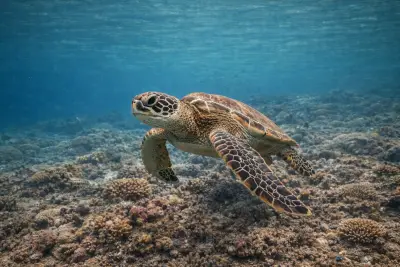
Plaza Islands is known for strong pelagic action. You can commonly encounter hammerhead sharks, Galápagos sharks, and sea lions. Depending on the season, manta rays are frequently spotted from March to May, and whale sharks are a major highlight during the peak season from June to November. Various rays, green sea turtles, and numerous reef fish also inhabit the area.
When is the best time of year to dive Plaza Islands?
Plaza Islands is a year-round diving destination, but the 'best' time depends on what you want to see. The warmer season (December-May) offers calmer seas, better visibility, and more large schools of hammerhead sharks and giant manta rays. The cooler season (June-November) is ideal for whale shark encounters, though water temperatures are lower and seas can be choppier.
What is the typical water temperature and visibility at Plaza Islands?
Water temperatures at Plaza Islands range from approximately 22-26°C (72-79°F) during the warm season (December-May) and drop to 17-23°C (63-73°F) during the cool season (June-November). Visibility generally ranges from 10 to 30 meters, with better visibility often in the warmer months and slightly reduced visibility during nutrient-rich upwellings.
What level of diving experience is required for Plaza Islands?
Plaza Islands is recommended for intermediate to experienced divers. The Galápagos waters are known for medium to strong currents, surge, and potentially cold water. Divers should be comfortable with drift diving, have excellent buoyancy control, and possess experience in challenging conditions to fully enjoy the site safely.
Are there any specific safety considerations for diving at Plaza Islands?
Due to potentially strong currents and the remote location, divers must prioritize safety. It is crucial to have comprehensive dive insurance that covers emergency medical treatment and evacuation, as the nearest recompression chamber is not immediately accessible. Always follow your dive guide's instructions, maintain good buoyancy, and be mindful of your air consumption.
Plaza Islandsをライブアボードで潜る理由は?
Plaza Islandsはガラパゴスを代表するダイブサイトの一つです。ライブアボードは海上で宿泊しながら、デイボートでは難しい朝・夜のダイブを含む1日3〜4本のガイド付きダイビングを提供します。毎日の港への往復を省き、同じ地域のより静かなサイトに一回の旅で到達できます。
以下は、ガラパゴスの行程にPlaza Islandsを組み込むライブアボードです。
Plaza Islandsのライブアボード
これらのダイビングクルーズは、一部の日程でPlaza Islandsを訪れる可能性があります。実際のダイブサイトは出発日・天候・海況によって変わります。
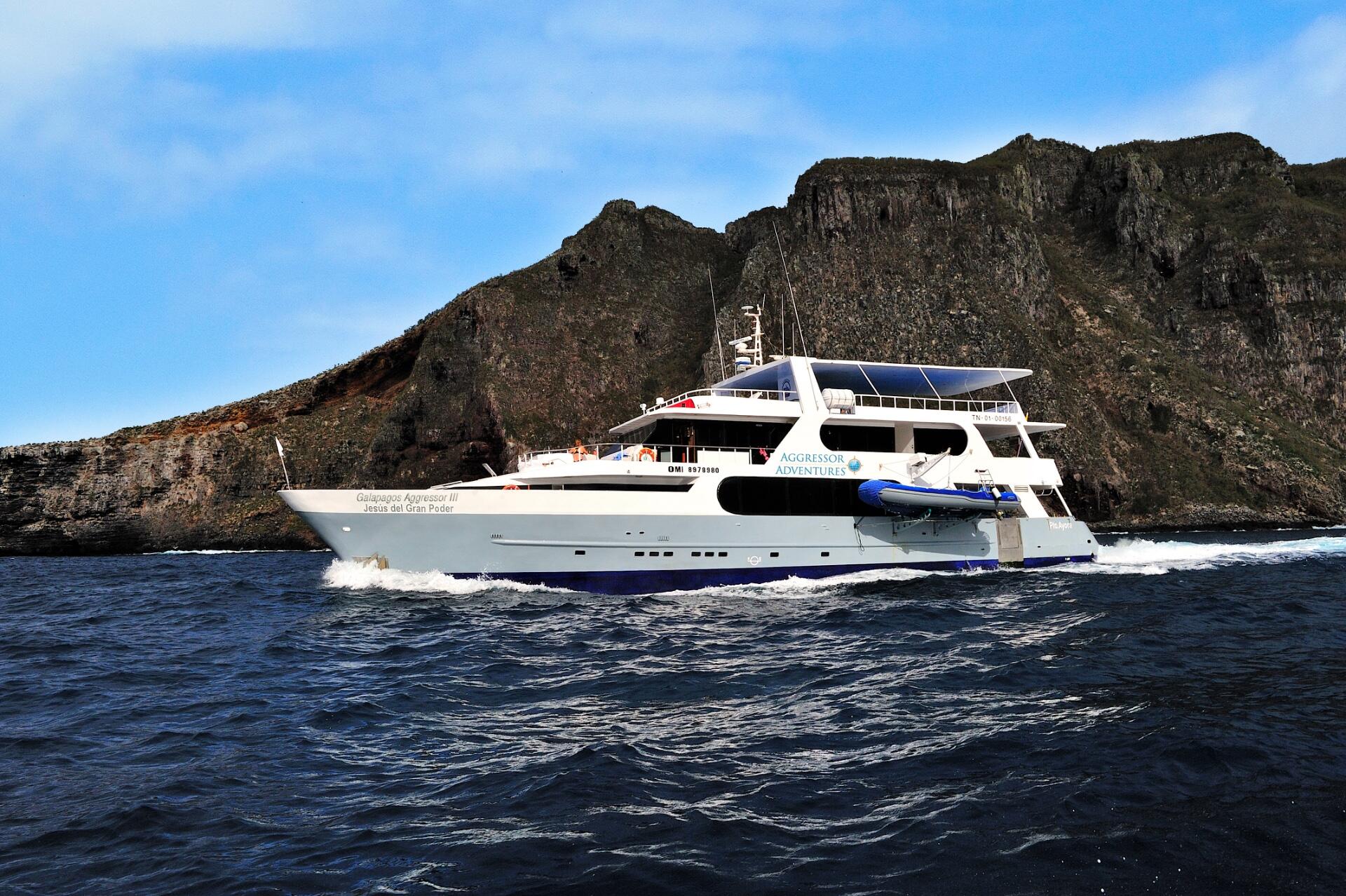
Galapagos Aggressor III
ガラパゴス
16 名30.5 m
¥142,578/日
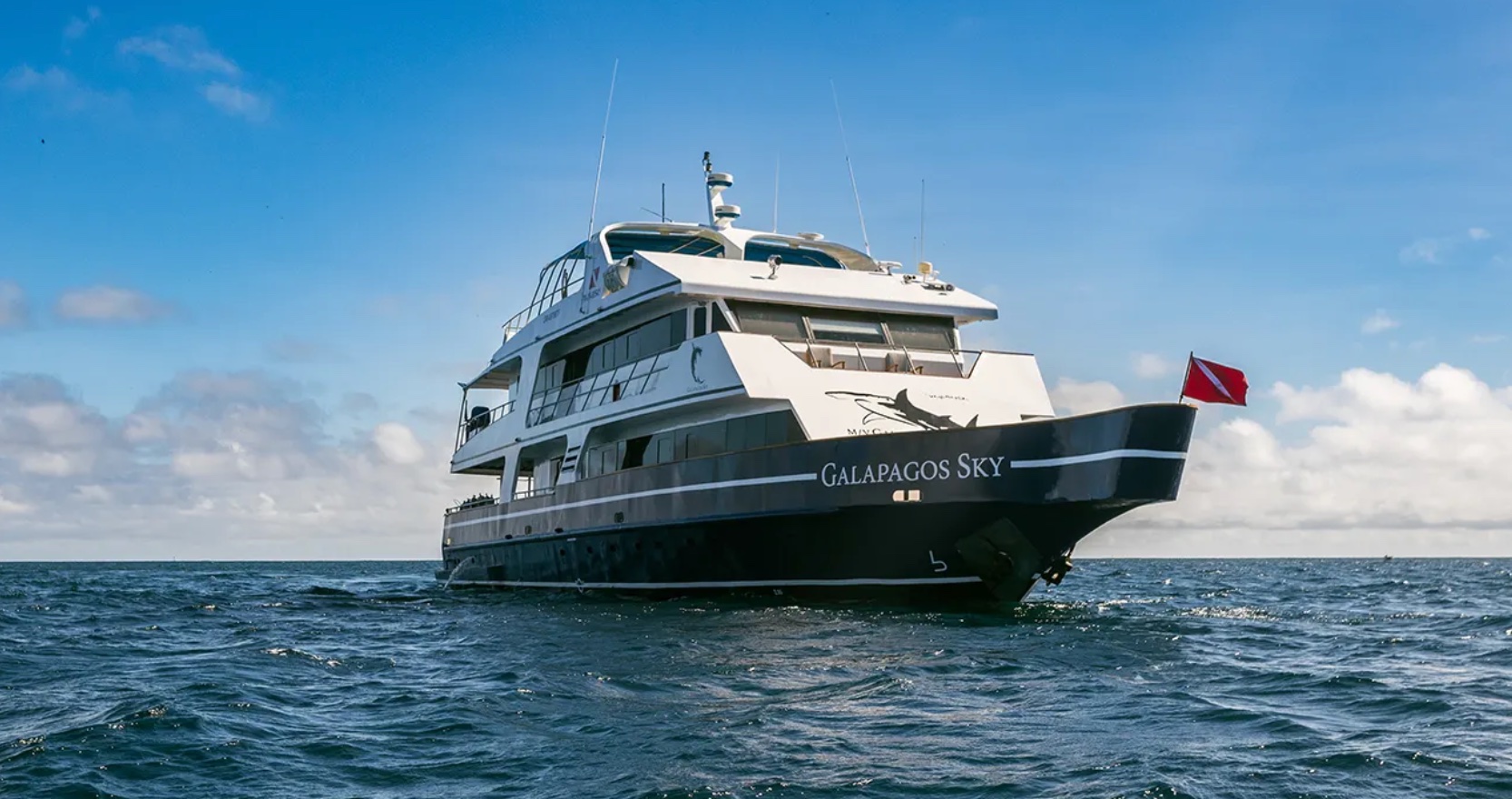
Galapagos Sky
ガラパゴス
16 名
¥146,388/日
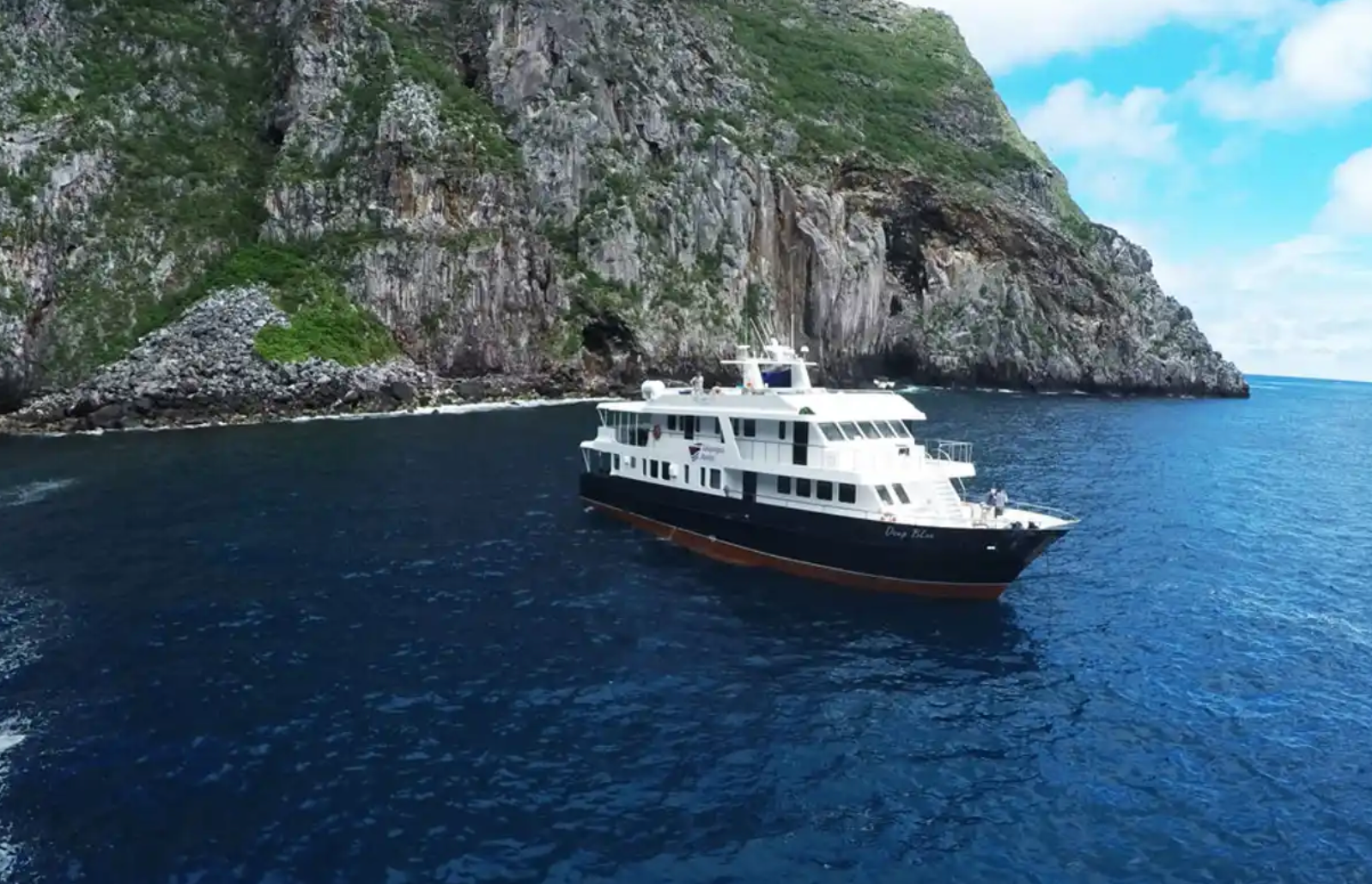
Galapagos Master
ガラパゴス
16 名
¥104,591/日
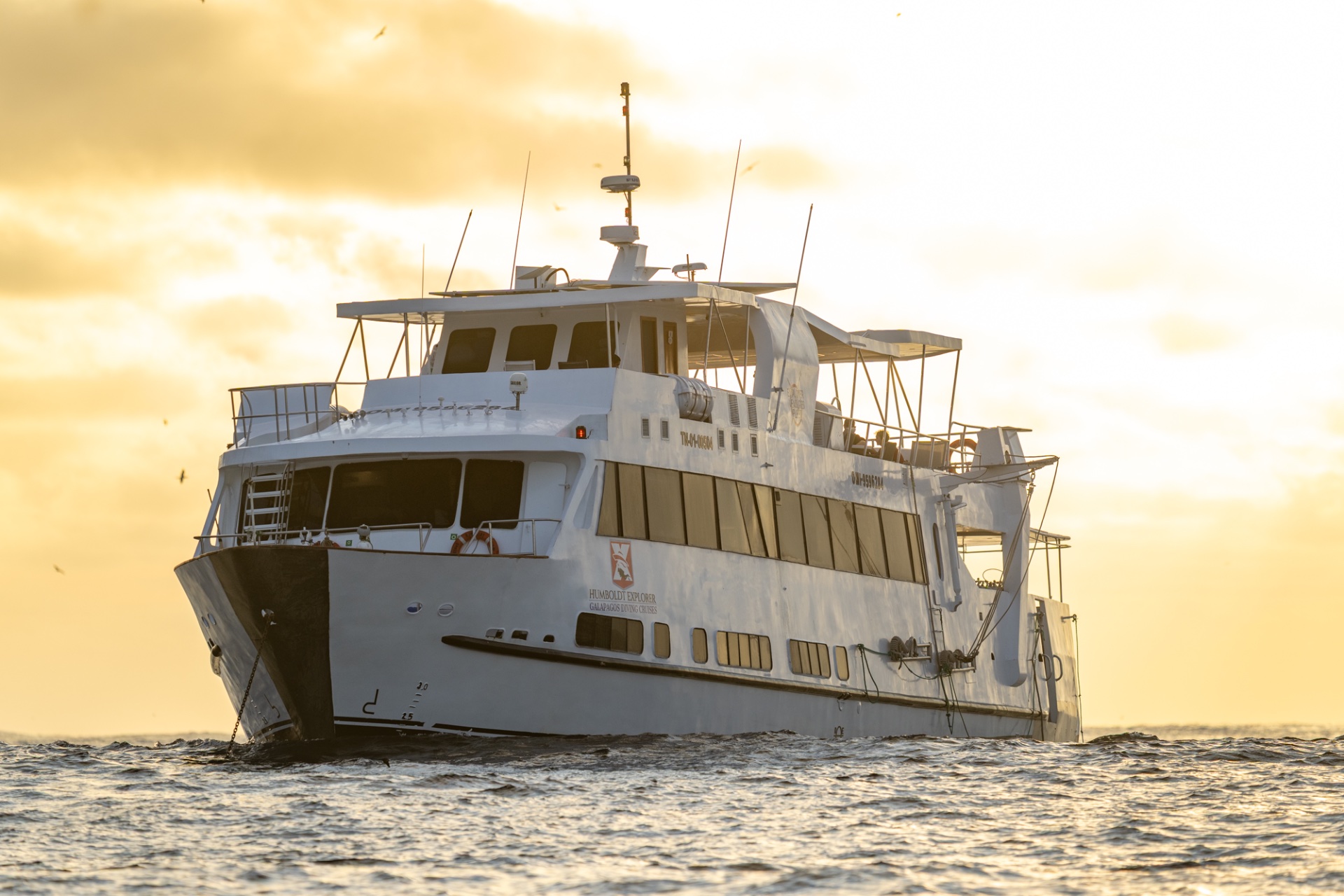
Humboldt Explorer
ガラパゴス
16 名
¥95,606/日
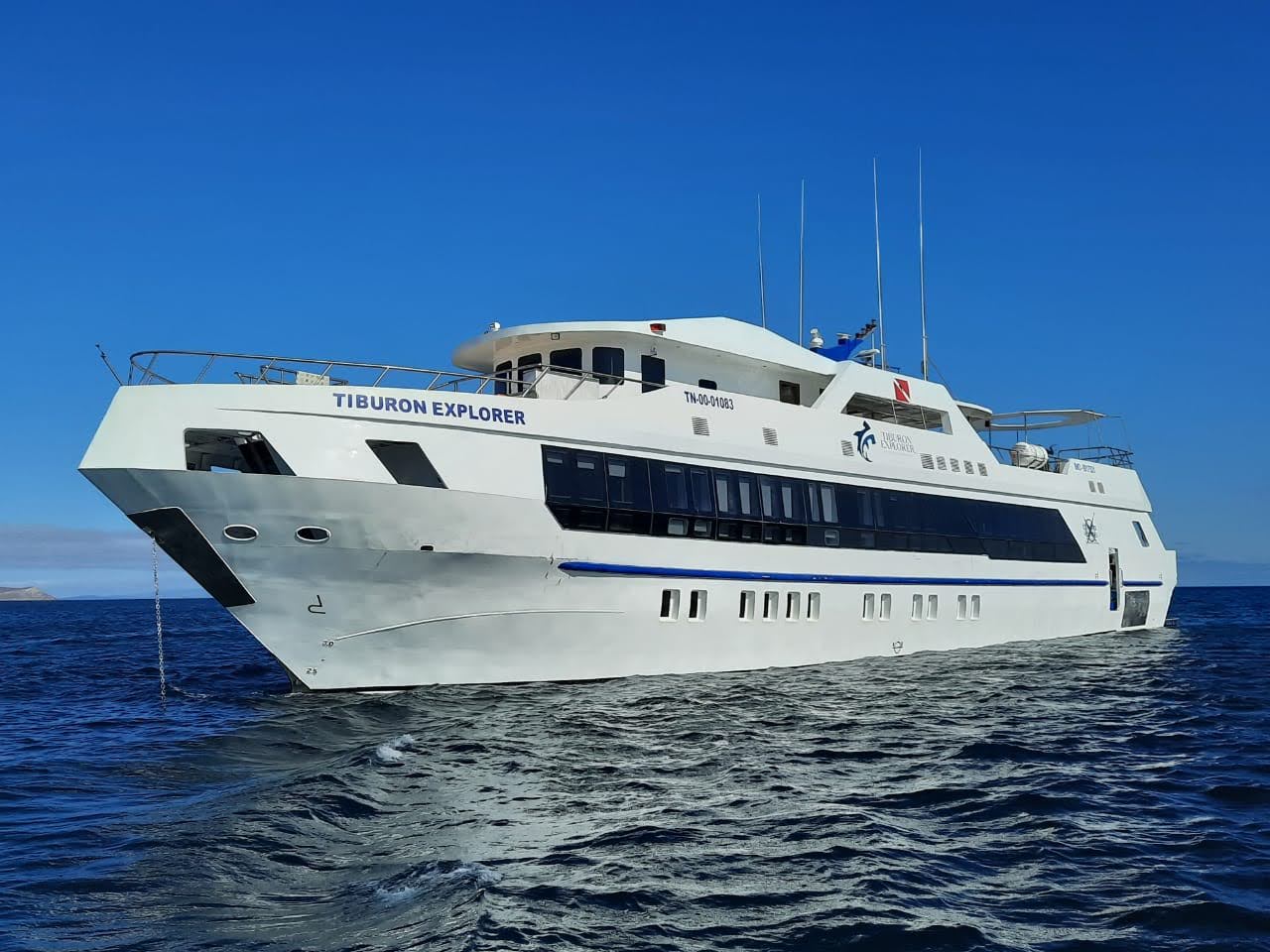
Tiburon Explorer
ガラパゴス
16 名
¥144,434/日
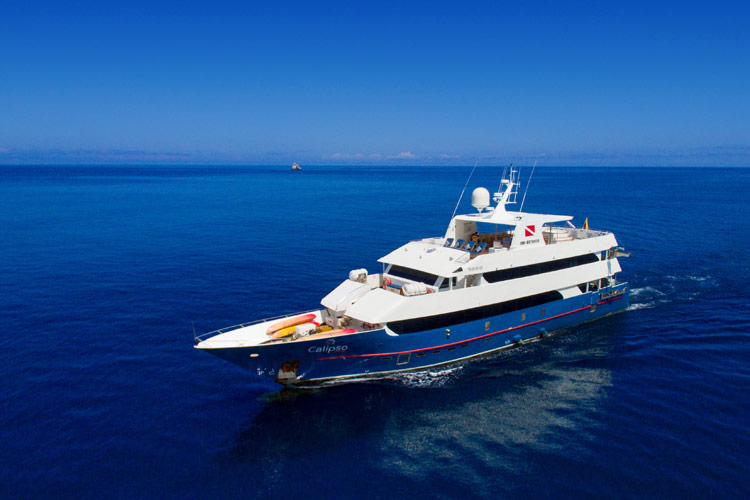
Calipso
ガラパゴス
16 名
¥128,028/日
Plaza Islands に似たダイブサイト
同じ雰囲気、同じ海 — 同じ理由で愛される6つのサイト。シーズン、アクセス、ライブアボード航路を比較して、自分の旅に最適なサイトを選ぼう。
© Esri — Maxar, Earthstar, GIS
フロレアナ - デビルズ・クラウン
ガラパゴス
ガラパゴス諸島のFloreana Island沖に位置するDevil's Crownは、アーキペラゴでも最高峰のダイビングおよびスノーケリングスポットとして広く知られています。
- 適している
- 初心者
- 流れ
- 強い
- アクセス
- ライブアボードのみ
- 水深
- 3–15 m
- テーマ
- リーフ
ピンソン島はガラパゴス諸島の中央の島々に位置し、北部や西部地域に比べて水温が比較的高く、より穏やかな海域が特徴だよ。
- 適している
- 上級
- 流れ
- 強い
- アクセス
- ライブアボードまたはデイボート
- 水深
- ≤ 18 m
- テーマ
- リーフ / ドリフト
英語名でバリントン島としても知られるサンタフェ島は、ガラパゴス諸島の中でも特に地質学的に古く、固有種の割合が高いことで知られるユニークなダイビングスポットです。
- 適している
- 初心者
- 流れ
- 弱い
- アクセス
- ライブアボードまたはデイボート
- 水深
- 5–30 m
- テーマ
- リーフ
カマノ島は、ガラパゴス諸島の中でもアクセスしやすく、穏やかなダイビングが楽しめるスポットで、経験の浅いダイバーにも最適な場所として知られています。
- 適している
- 初心者
- 流れ
- 弱い
- アクセス
- ライブアボードまたはデイボート
- 水深
- 21–35 m
- テーマ
- リーフ
© Esri — Maxar, Earthstar, GIS
エル・アレナル - サンティアゴ
ガラパゴス
ガラパゴス諸島北部、ダーウィン島近くに位置するエル・アレナルは、世界でも有数のダイビングスポットとして知られています。
- 適している
- 中級
- 流れ
- 強い
- アクセス
- ライブアボードのみ
- 水深
- 3–18 m
- テーマ
- リーフ
© Esri — Maxar, Earthstar, GIS
ケープダグラス - フェルナンディナ
ガラパゴス
ガラパゴス諸島のフェルナンディナ島の沖合に位置するケープダグラスは、その固有の海洋生物を中心とした真にユニークなダイビング体験を提供するよ。
- 適している
- 上級
- 流れ
- 強い
- アクセス
- ライブアボードのみ
- 水深
- 5–33 m
- テーマ
- リーフ