について Blue House
ブルーハウスガーデンは、ホンジュラスのロアタン島にあるユニークなダイビングサイトで、特に水深60フィート(18メートル)の地点で知られています。広範な地形に関する具体的な詳細はあまり記録されていませんが、このサイトは切り立ったウォール、活気あるリーフ、複雑な地形を含むロアタン島の多様な水中景観の一部です。ダイバーたちの体験談で語られる、独特で、どこか風変わりな特徴で知られています。 ロアタン島のリーフは、一般的にウォール、キャニオン、クレバスといったドラマチックな地形で、豊かな生態系を支えています。島の周りの海は、浅いリーフの上部から深いウォールのセクションまで、あらゆるレベルのダイビングに対応しています。ベイ諸島の海洋生物は非常に豊かで、多種多様な魚の群れ、見事な海綿、そして緑豊かなサンゴ礁が見られます。タツノオトシゴ、ロブスター、タコ、色とりどりのリーフフィッシュの群れなどに出会える可能性があります。 ロアタン島でのダイビングは通常アクセスしやすく、多くのサイトが様々な認定レベルに適しており、快適な水温が特徴です。ブルーハウスガーデンの潮流に関する具体的な情報はありませんが、ロアタン島のダイビングサイトでは、場所やコンディションによって穏やか〜中程度の流れが一般的です。ダイビングクルーズでは、1日に複数回のダイビングが可能なことが多く、このようなサイトを探索する機会が十分にあります。
ハイライト
Unique underwater gardensNoted at 60 feet depthDiverse reef topographyAbundant marine lifePotential for whimsical encounters
シーズンカレンダー
ダイビングに最適な月
1月
2月
3月
4月
5月
6月
7月
8月
9月
10月
11月
12月
最適
良好
オフシーズン
3月 – 5月 & 12月
最高の透明度、穏やかな海、ジンベエザメのシーズンが始まります。
1月 – 2月
水温が高く、透明度も良好で良いコンディション。
6月 – 11月
雨季で透明度は低下しますが、9月~12月はジンベエザメの第二のピークです。
ダイブサイト データ: Blue House
- 流れ
- 弱い 〜 強い depending on site と tide
- 透明度
- 10–40 m
- 水温
- 24–31 °C
- エントリー
- ボート / Live drop / Stationary
- レベル
- 全レベル
- ダイブタイプ
- リーフ, ドロップオフ, Canyon
- ナイトダイブ
- Possible (on request)
- 地域 / 港
- Roatan, Bay Islands, Honduras
- 座標
- 16.3107, -86.5155
コンディションと流れ
ロアタンの潮流は通常穏やかで、リラックスしたダイビングコンディションが楽しめます。ただし、潮の満ち引きによっては流れが強くなるサイトもあり、非常に強くなる場合もあります。逆流は適切に対処しないと危険な場合があるため、ダイバーは注意が必要です。逆らって泳ぐのは困難だからね。エントリーとエキジットは通常ボートから行われ、サイトによっては、係留ラインでの定点エントリーや、ドリフトダイブのためのライブドロップが選べます。透明度は常に良好で、10〜40メートルですが、雨季には堆積物が攪拌されることで透明度が低下することがあります。しかし、これは逆に大型海洋生物を引き寄せることもあります。ロアタンの文献では、水温躍層は主要な要因として特に言及されていません。ダイバーは、特にドリフトダイブの場合、潮流の方向やエントリー/エキジットの手順を理解するために、常にダイビングブリーフィングに細心の注意を払うようにしましょう。
海洋生物と遭遇率


Seahorses
ときどき
Nudibranchs
ときどき
Rays
多い
Reef sharks
ときどき
Barracudas
ときどき
Groupers
多い
Jacks
多い
Sea turtles
ときどき
Lobsters
多い
Shrimps
多い
Octopus
多い水中写真
Roatan's clear waters, often exceeding 30 meters visibility, create ideal conditions for underwater photography, particularly during the dry season from March to October. Wide-angle lenses are recommended to capture the expansive coral formations, steep walls, and vibrant reef scenes characteristic of the Mesoamerican Barrier Reef. For macro subjects such as seahorses, nudibranchs, and various shrimps, a macro lens will highlight intricate details. Consistent lighting is usually available, but external strobes or video lights can enhance colors and reduce backscatter, especially in deeper areas or under overhangs. Maintaining excellent buoyancy is crucial to avoid disturbing the healthy coral and sand, ensuring respectful interaction with marine life and preserving visibility. Divers should prioritize non-invasive photography, refraining from touching or chasing animals to get a shot.
近隣のダイブサイトと組み合わせ
- Satoshi’s Grave
サトシズ・グレイヴは、ロアタン島南岸、「ミスター・バッド号の沈没船」に位置する特徴的なレックポイントだよ。このサイトは水深およそ18メートル(60フィート)にあり、沈没船とその生態系に興味があるダイバーにとって明確な焦点を当てるポイントさ。周囲は広大な砂地だけど、決して不毛ではな…
- Addie's Garden
アディーズ・ガーデンは、ホンジュラスのロアタン島周辺、メソアメリカン・バリア・リーフ・システム内に位置する350のダイビング&シュノーケリングサイトの一つだよ。このサイトは最近、アリスター・ベニーの両親を偲んで名付けられたんだ。係留料を通じてロアタン海洋公園を支援しながら、個人を…
- Blackish Point
Blackish Pointは、Utilaの北側に位置する魅力的なショアドリフトウォールダイブポイントです。火山岩の形成、ソフトコーラル、そして洞窟、オーバーハング、クレバスが複雑に絡み合ったユニークなブレンドを提供しています。このポイントは、リラックスしたペースを好むダイバーに…
- Butcher's Bank
ブッチャーズ・バンクは、ホンジュラスのロアタン島にある有名なダイブサイトだよ。特に初心者ダイバーにとって、島で最も楽しい場所の一つとして広く知られているんだ。ウエストエンドからボートで少し行ったところに位置していて、広大なメソアメリカ・バリア・リーフ・システムの一部だよ。保護され…
- Wreck of the Aguila
「鷲」の愛称で親しまれるアギラ号の沈没船は、全長60メートル(200フィート)の貨物船で、1997年にレクリエーションダイビングの範囲内で人工リーフを作るために意図的に沈められました。当初は一つの船でしたが、1998年のハリケーン・ミッチにより3つの異なるセクションに分断され、内…
- Al's Garden
アルズガーデンは、ホンジュラスのベイ諸島の一部であるロアタン島に位置する有名なダイビングサイトです。この地域は、その活気ある水中地形と多様な海洋生態系で知られています。このエリアは、世界で2番目に大きいバリアリーフであるメソアメリカンバリアリーフシステム沿いにあり、豊かな海洋生物…
アクセスと手配
Roatan is accessible via international flights to Juan Manuel Gálvez International Airport (RTB). Dive trips typically involve day boat excursions from various resorts and dive centers located along the island's West Bay, West End, and Sandy Bay areas. A common dive schedule includes a two-tank morning dive returning around noon, followed by an optional single-tank afternoon dive. Night dives can also be arranged with a minimum of four divers and 48-hour notice. Roatan Marine Park fees apply, often purchased as a $10 annual bracelet, which contributes to reef protection. Liveaboards also operate in the Bay Islands, offering broader access to the region. The island's dive operations emphasize short boat rides to sites, with many locations just minutes from shore.
安全と環境
Roatan Dive Center maintains a strong emphasis on diver safety, carrying DAN oxygen and first aid kits on all boats. Divers are expected to adhere to a responsible diver code, including maintaining excellent buoyancy, not touching corals or marine life, and using designated entry/exit points. Emergency evacuation protocols typically involve local medical facilities, with the nearest recompression chamber likely on the island or nearby. Divers are advised to have comprehensive dive insurance. Site-specific hazards include potentially strong currents, particularly when tides are moving in or out, which requires careful attention during dive briefings. Divers should always plan conservative dive profiles, including a 3 to 5-minute safety stop, and manage air consumption effectively, with maximum bottom times typically around 60 minutes.
向いている人・向かない人
向いている
- New divers and those undergoing training
- Underwater photographers seeking clear water and varied subjects
- Families and mixed groups with snorkelers
- Divers desiring a relaxed, multi-dive day
- Those who appreciate healthy coral reefs
あまり向かない
- Divers seeking extreme or highly challenging currents on every dive
- Those uninterested in reef ecology and conservation
- Budget travelers during peak season (December-February)
- Divers who prefer solitary dive experiences (can be crowded at peak times)
よくある質問
Blue House のよくある質問
What marine life can I expect to see at dive sites around Roatan?
Dive sites in Roatan are rich with Caribbean marine life. You can commonly spot parrotfish, angelfish, butterflyfish, and various schools of jacks. Smaller creatures like seahorses and nudibranchs are present, alongside larger animals such as rays, groupers, barracudas, and occasional reef sharks and sea turtles. Lobsters, shrimps, and octopus are also guaranteed sightings at some locations.
What are the typical water temperatures and visibility conditions in Roatan?
Water temperatures in Roatan generally range from highs of 29-31°C from June through October, and lows of 24-27°C from January to April, with some January temperatures dropping to 22°C. Visibility is consistently good year-round, typically ranging from 10 to 40 meters, though it can extend to 36 meters during the dry season (March to May) and may reduce slightly during the rainy season.
Are there strong currents, and what do I need to know about them?
While many Roatan sites feature gentle conditions, some areas can experience very strong currents, particularly during tidal changes. Outgoing currents, in particular, can be dangerous as swimming against them is difficult. Dive briefings are essential for understanding specific current directions and appropriate entry, navigation, and exit procedures, especially for drift dives.
What are the best months to visit Roatan for diving?
Roatan is considered an excellent year-round diving destination. March through October, the dry season, offers warmer waters and the best visibility, often exceeding 30 meters, making it ideal for photographers. The wet season, November through February, still provides great diving, with the added potential for larger marine life attracted by stirred-up sediments, despite some rainfall.
How are dive trips typically organized in Roatan?
Most dive operations in Roatan offer two-tank morning dives, returning to shore around noon, followed by an optional single-tank afternoon dive. Night dives are available upon request, usually requiring a minimum of four divers and advance notice. Dive sites are typically chosen based on daily conditions and diver preferences, with an emphasis on short boat rides to minimize travel time.
What kind of dive training or experience is recommended for Roatan?
Roatan is suitable for divers of all levels, from beginners to experienced individuals. The generally calm conditions and healthy reefs make it an ideal location for new divers and those seeking training. However, experience with currents can be beneficial for certain sites, and advanced certifications may open up opportunities for deeper or more challenging dives.
Blue Houseをライブアボードで潜る理由は?
Blue Houseはホンジュラスを代表するダイブサイトの一つです。ライブアボードは海上で宿泊しながら、デイボートでは難しい朝・夜のダイブを含む1日3〜4本のガイド付きダイビングを提供します。毎日の港への往復を省き、同じ地域のより静かなサイトに一回の旅で到達できます。
以下は、ホンジュラスの行程にBlue Houseを組み込むライブアボードです。
Blue Houseのライブアボード
これらのダイビングクルーズは、一部の日程でBlue Houseを訪れる可能性があります。実際のダイブサイトは出発日・天候・海況によって変わります。
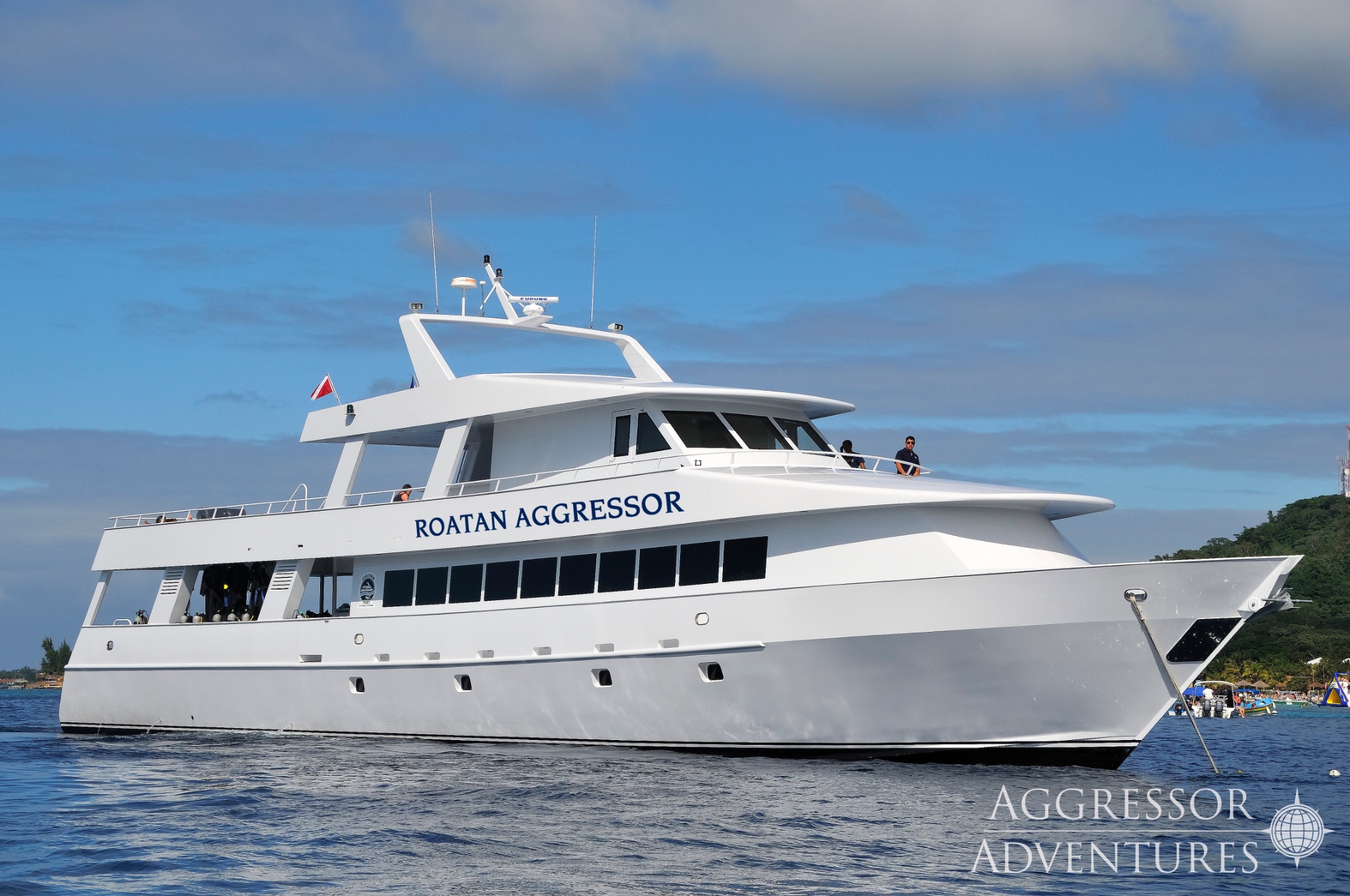
Roatan Aggressor
ホンジュラス
18 名31 m
Blue House に似たダイブサイト
同じ雰囲気、同じ海 — 同じ理由で愛される6つのサイト。シーズン、アクセス、ライブアボード航路を比較して、自分の旅に最適なサイトを選ぼう。
© Esri — Maxar, Earthstar, GIS
スリーファソムウォール
ケイマン諸島
スリーファソムウォールは、ケイマン諸島、特に有名なブラッディベイウォールの交差点に位置する、エキサイティングで魚が豊富なダイビングスポットだよ。
- 適している
- 中級
- 流れ
- 弱い
- アクセス
- ライブアボードのみ
- 水深
- ≤ 3000 m
- テーマ
- リーフ
「3 リーフ」というダイビングサイトの具体的な詳細はこの情報にはありませんが、ドミニカ共和国、特にサントドミンゴやボカチカ周辺の一般的なダイビング状況や特徴を推測できます。
- 適している
- 上級
- 流れ
- 弱い
- アクセス
- デイボート
- 水深
- 30–55 m
- テーマ
- リーフ
スリーロックスと呼ばれるダイブサイトは、ドミニカ共和国プエルトプラタのソスア沖に位置し、アクセスしやすく活気ある水中体験を提供します。
- 適している
- 初心者
- 流れ
- 弱い
- アクセス
- デイボート
- 水深
- 2–8 m
- テーマ
- リーフ
「4アミーゴス」は、ホンジュラスのベイ諸島にある有名なダイビングサイトです。このエリアは、世界で2番目に長いメソアメリカン・バリアリーフ・システムが広がっていることで知られています。
- 適している
- 中級
- 流れ
- 中程度
- アクセス
- ライブアボードまたはデイボート
- 水深
- 9–40 m
- テーマ
- リーフ
© Esri — Maxar, Earthstar, GIS
シックス・トー・キャット
メキシコ
「6本指の猫(6 Toed Cat)」として知られるダイビングサイトは、メキシコの公認されたダイビングスポットではありません。
- 適している
- 初心者
- 流れ
- 弱い
- アクセス
- ライブアボードまたはデイボート
- 水深
- —
- テーマ
- リーフ
© Esri — Maxar, Earthstar, GIS
アーロンズ・バックヤード
ホンジュラス
「アーロンズ・バックヤード」は、ホンジュラスのロアタン海洋公園内にある著名なダイブサイトで、広大なメソアメリカン・バリア・リーフ・システムの一部です。
- 適している
- 中級
- 流れ
- 中程度
- アクセス
- ライブアボードまたはデイボート
- 水深
- 9–40 m
- テーマ
- リーフ