Erről: Agustín Melgar shipwreck
Az Agustín Melgar hajóroncs egy lenyűgöző mesterséges zátony, amely a Danzante-sziget közelében található, egyedi búvárélményt kínálva Loreto védett vizein. Ez a körülbelül 55 méter hosszú hajó a felszín alatt pihen, és számos tengeri faj vibráló élőhelyévé vált. A roncs szerkezete menedéket és táplálékot biztosít, vonzva a halakat, gerincteleneket és színes korallokat, amelyek benépesítették a felületeit. A búvárok felfedezhetik a hajó különböző részeit, megfigyelve, ahogy a természet visszafoglalja az ember alkotta tárgyakat, és virágzó ökoszisztémákká alakítja azokat. A hely különösen gazdag tengeri csigákban, jelentős populáció található a roncsban és körülötte. Az Agustín Melgar kiváló helyszín a víz alatti fotózáshoz, megörökítve a mesterséges szerkezet és a virágzó tengeri élővilág kölcsönhatását. Jelenléte történelmi és szerkezeti dimenziót ad a természetes zátonyoknak, így vonzó úti cél a roncsok kedvelőinek és a tengerbiológia iránt érdeklődőknek.
Highlights
55 méter hosszú hajóroncsÉlénk mesterséges zátonyRengeteg tengeri csigaTörténelmi és ökológiai érdekességVáltozatos tengeri élővilág a roncs körül
Szezonnaptár
Legjobb hónapok búvárkodásra
Jan
Feb
Már
Ápr
Máj
Jún
Júl
Aug
Sze
Okt
Nov
Dec
Kiváló
Jó
Merülőhely adatok: Agustín Melgar shipwreck
- Mélység
- 12–24 m (40–80 ft)
- Áramlás
- Gyenge
- Látótávolság
- 12–18 m (40–60 ft)
- Vízhőmérséklet
- 18–29 °C (64–85 °F)
- Beugrás
- Hajó
- Szint
- Tapasztalt
- Merülés típusa
- Roncs, Mesterséges zátony
- Régió / kikötő
- Loreto, Baja California Sur
- Koordináták
- 25.8672, -111.3121
Körülmények és áramlatok
Az áramlatok általában enyhék, ami miatt ez egy nyugodt merülés, a legtöbb minősített búvár számára megfelelő. A búvárok általában enyhe áramlat áramlásra számítanak itt. A merülési profilok itt nagyjából 12 és 24 méter között mozognak, ezért a gáztervezésnél és a dekompressziómentes határok meghatározásánál vedd figyelembe a helyszín mélyebb részeit. Általában középhaladó búvároknak ajánlott merülésként ismertetik. A helyszín liveaboard hajóval érhető el, így a beszállások a tenderből vagy közvetlenül a hátsó fedélzetről történnek. Az árapály, a szél és az évszak mind változtatja a képet napról napra, ezért a legénység tájékoztatója a hajón mindig felülír minden általános leírást.
Tengeri élővilág és észlelési esély
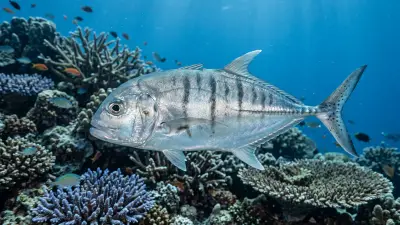
Bigeye trevally
gyakori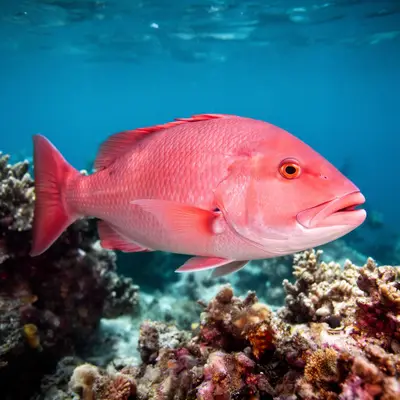
Snapper
gyakori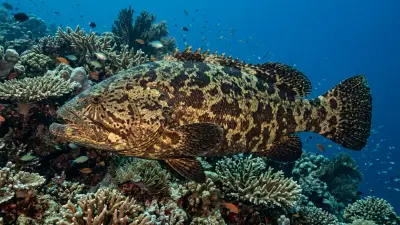
Grouper
gyakori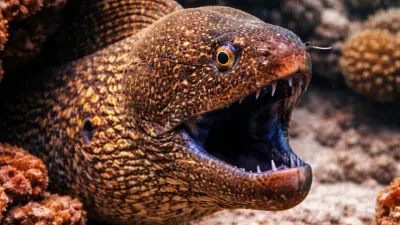
Moray eel
gyakori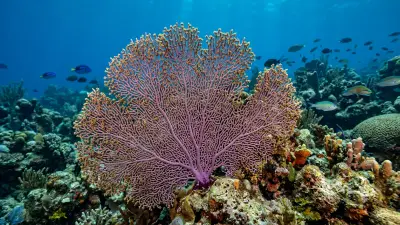
Sea fan
gyakori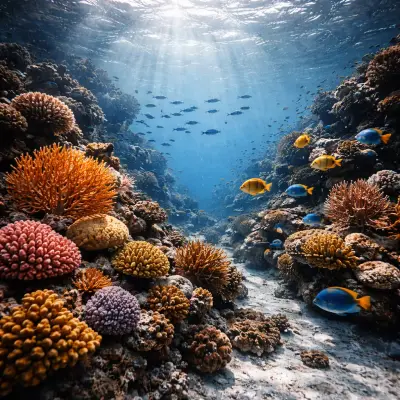
Black coral
alkalmi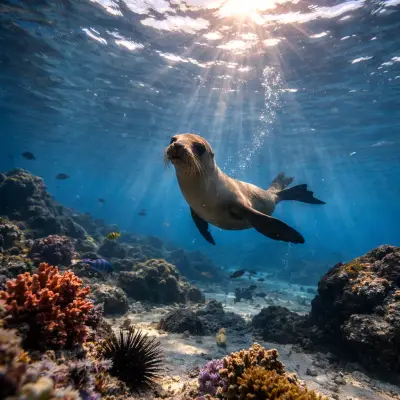
California sea lion
alkalmiAngel shark
Summer and fall · alkalmi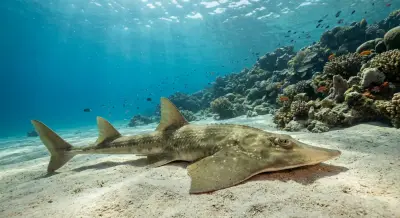
Guitarfish
Summer and fall · alkalmi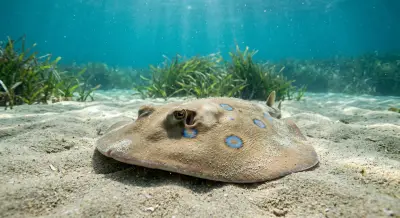
Torpedo ray
Summer and fall · alkalmi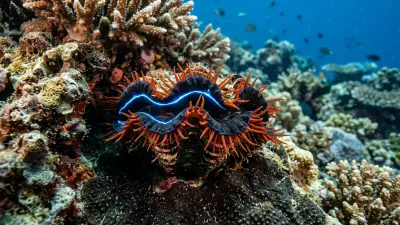
Electric ray
Summer and fall · alkalmi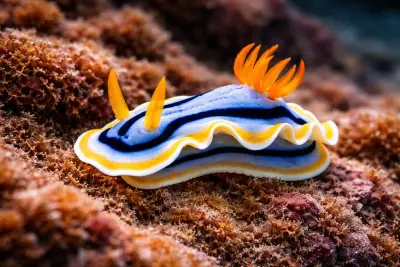
Nudibranch
alkalmiMerülési profil és menet
Your dive begins with a boat entry, usually a short ride from Marina Puerto Escondido, placing you directly over the C-54 Agustín Melgar wreck. Descend to the upper deck, which sits at 12 to 18 meters (40 to 60 feet), allowing ample time to explore the main structure. The wreck rests upright on a sandy bottom at 24 meters (80 feet), providing a clear orientation. You'll navigate through large penetration openings and various swim-throughs, which are safe and designed for divers without specialized wreck training. Explore the interior corridors where schooling jacks and snappers often congregate, and keep an eye out for groupers on the deck and moray eels in the railings. The dive typically involves a circular or linear route around and through the vessel, with the turn point determined by air consumption and no-decompression limits. Your safety stop will be performed in the clear, blue waters above the wreck, often observing nearby reef fish.
Víz alatti fotózás
The Agustín Melgar wreck offers compelling subjects for both wide-angle and macro photography. For the overall structure and schooling fish, a wide-angle lens (e.g., 10-24mm or fisheye) is ideal, capturing the scale of the 56-meter vessel and its encrusting corals. External strobes are highly recommended to bring out the vibrant colors of the gorgonians, sponges, and anemones that adorn the wreck, especially in deeper sections where natural light diminishes. For interior shots and marine life within the wreck, a compact camera or a wide-angle setup with video lights can illuminate darker areas. Close-up shots of moray eels, nudibranchs, and smaller reef fish living on the wreck will benefit from a macro lens. Maintain excellent buoyancy control to avoid disturbing silt inside the wreck and to protect the delicate marine growth. Be patient with schooling fish, waiting for them to position themselves favorably for your composition.
Kombináld ezekkel a helyekkel
- La Lobera
A wall and cavern system on Isla Coronado with California sea lions.
- Las Tijeretas
A sheltered site on Isla Coronado with a mini-wall, macro life, and occasional sea lions.
- Piedra Blanca
Known for drift diving and mobula ray encounters in late spring/early summer.
- Los Islotes
Famed for its large, playful California sea lion colony near La Paz.
Odautazás és logisztika
Diving the Agustín Melgar typically originates from Loreto, Baja California Sur, a quaint beach town with its own airport (Loreto International Airport - LTO), which receives flights via Mexico City or Guadalajara. Most dive trips are day boat excursions out of Marina Loreto, reached by local dive operators such as Blue Nation Baja. The site is located off Isla Danzante, south of Puerto Escondido, making for relatively short boat rides. Dive packages usually involve a marine park bracelet, covering access to the Bahía de Loreto National Park. Loreto offers a variety of accommodations within walking distance of the marina. It is common to combine wreck diving with explorations of nearby islands like Isla Coronado and Isla del Carmen, known for their walls, sea lion colonies, and diverse reef systems. Trips can range from single-day excursions to multi-day dive packages.
Biztonság és környezet
Loreto is a well-established diving destination, but divers should always carry comprehensive dive insurance that covers recompression chamber treatment and medical evacuation. The nearest recompression chamber facilities would likely be found in larger cities like La Paz. For the Agustín Melgar wreck, while penetrations are described as easy, divers should be Advanced certified and possess good buoyancy control to avoid stirring up silt, which can significantly reduce visibility and disorient divers, particularly within confined spaces. Always dive with a reputable operator and a guide who is familiar with the wreck. Be mindful of potential thermoclines at deeper depths, which can cause sudden temperature drops. Maintain situational awareness regarding mild currents, ensuring you are comfortable with potential drift, though the site is generally calm. Emergency protocols should be clearly communicated by your dive operator before each dive.
Kinek való — és kinek nem
Alkalmas
- Advanced divers seeking wreck exploration
- Divers interested in maritime history
- Underwater photographers targeting artificial reefs
- Divers comfortable with mild currents and depths up to 24m
- Those looking for unique dives in the Sea of Cortez
Kevésbé alkalmas
- Beginner Open Water divers
- Divers uncomfortable with overhead environments (even with easy penetration)
- Those seeking only large pelagic encounters
- Divers with poor buoyancy control
- Individuals not accustomed to boat entries/exits
GYIK
Agustín Melgar shipwreck — GYIK
What is the history of the Agustín Melgar shipwreck?
The C-54 Agustín Melgar was originally commissioned as the USS Device (AM-220) in 1944, serving as a minesweeper in the US Navy during World War II and earning three battle stars. After the war, it was recommissioned as a training vessel and later sold to the Mexican Navy in 1962, where it was renamed ARM Cadete Agustín Melgar (C-54). In 2000, it was purposely sunk within the Loreto Bay National Park to create an artificial reef for divers.
What kind of marine life can I expect to see on the Agustín Melgar?
The wreck is a thriving artificial reef, attracting a variety of marine life. You can expect to see large schools of bigeye trevally and snapper congregating around the structure. Groupers often patrol the decks, and various moray eels can be found in the crevices and railings. The wreck is also adorned with vibrant hard and soft corals, sponges, and anemones, creating a colorful habitat for smaller reef fish and nudibranchs.
Is the Agustín Melgar wreck suitable for all diver levels?
The Agustín Melgar is recommended for Advanced certified divers due to its depth, with the deck at 12-18 meters (40-60 feet) and the bottom at 24 meters (80 feet). While it features large penetration openings designed for easy swim-throughs without specialized wreck training, good buoyancy control is essential. Open Water divers may find the depth challenging, and specific wreck experience is beneficial for optimal enjoyment and safety.
How do I get to the Agustín Melgar dive site?
The Agustín Melgar is typically accessed via day boat trips departing from Marina Loreto, in Loreto, Baja California Sur. Loreto has its own international airport (LTO), making it accessible for travelers. Local dive operators in Loreto offer guided excursions to the wreck, which is located off Isla Danzante, south of Puerto Escondido. The boat ride to the site is usually relatively short.
What are the diving conditions like at the C-54 Agustín Melgar?
Diving conditions at the C-54 Agustín Melgar are generally favorable. Visibility typically ranges from 12 to 18 meters (40 to 60 feet), offering clear views of the wreck. Currents are usually mild, making for a relaxed dive experience. Water temperatures vary seasonally, from around 18°C (64°F) in cooler months to 29°C (85°F) in summer. Thermoclines can be present at deeper depths, so a suitable wetsuit is recommended.
Miért merüljünk Agustín Melgar shipwreck liveaboarddal?
Agustín Melgar shipwreck Mexikó egyik emblematikus búvárhelye. A liveaboard a vízen biztosít szállást és napi 3–4 vezetett merülést, beleértve a hajnali és éjszakai merüléseket, melyeket napi hajók ritkán kínálnak. Kihagyhatod a napi visszautat a kikötőbe, és egyetlen úton elérheted a régió csendesebb helyeit.
Alább azok a liveaboardok, amelyek Agustín Melgar shipwreck-t felveszik Mexikó útvonalaikba.
Liveaboardok Agustín Melgar shipwreck-hoz
These liveaboards may visit Agustín Melgar shipwreck on selected itineraries — the exact dive sites depend on departure, weather and conditions.
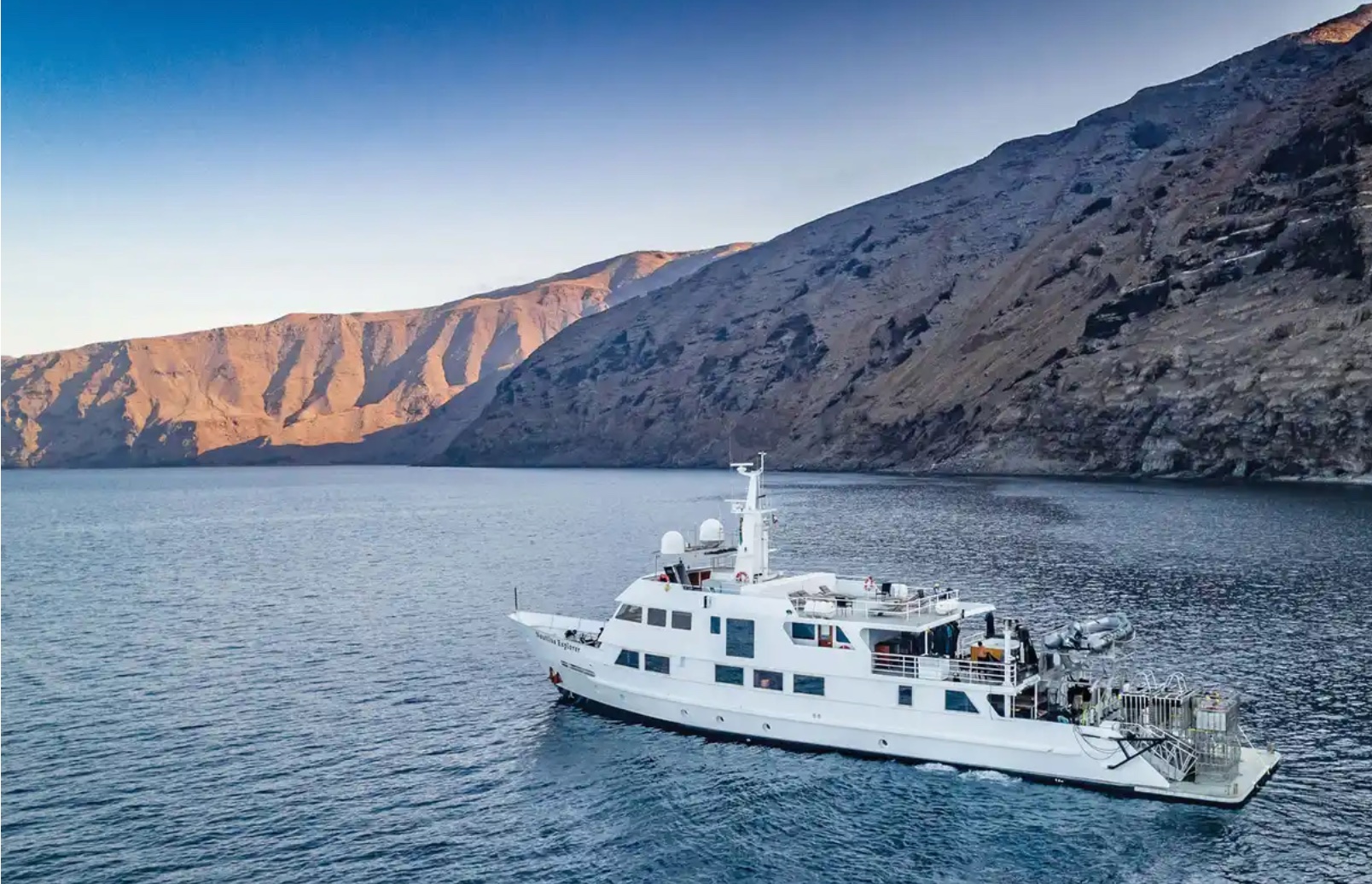
Nautilus Explorer
Mexikó
25 vendég44.8 m
€202/nap
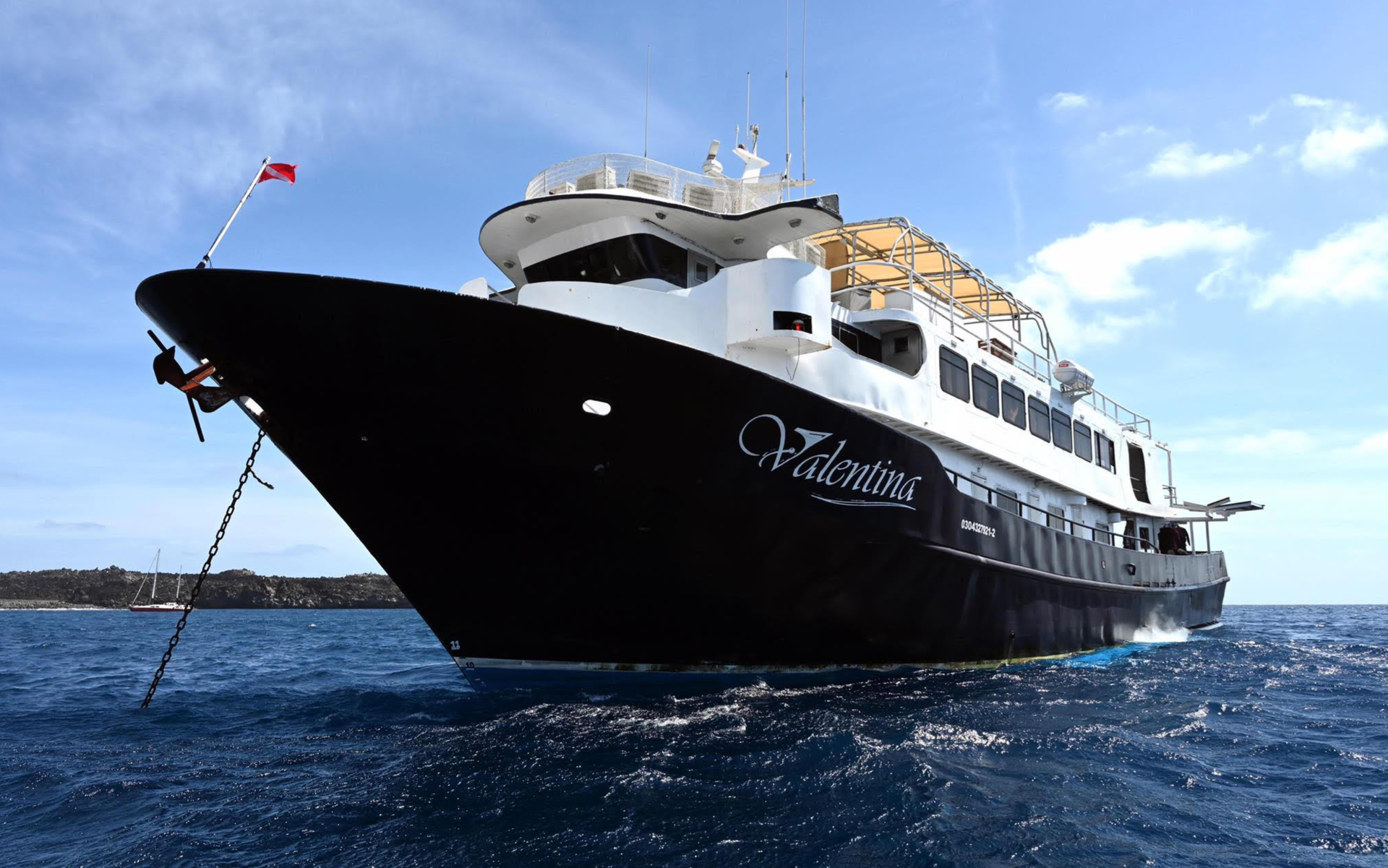
Valentina
Mexikó
20 vendég38.1 m
€378/nap
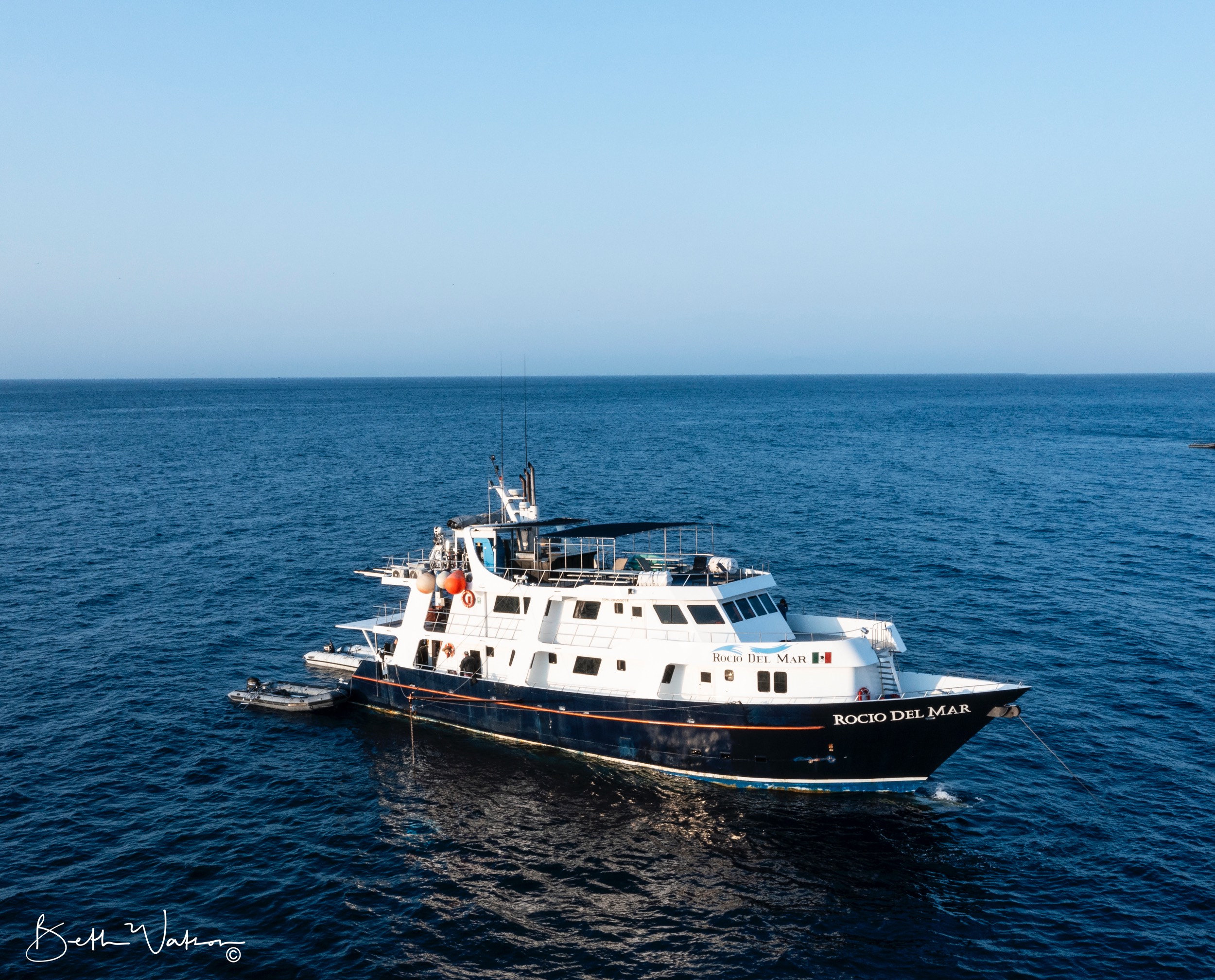
Rocio del Mar
Mexikó
20 vendég33.5 m
€345/nap
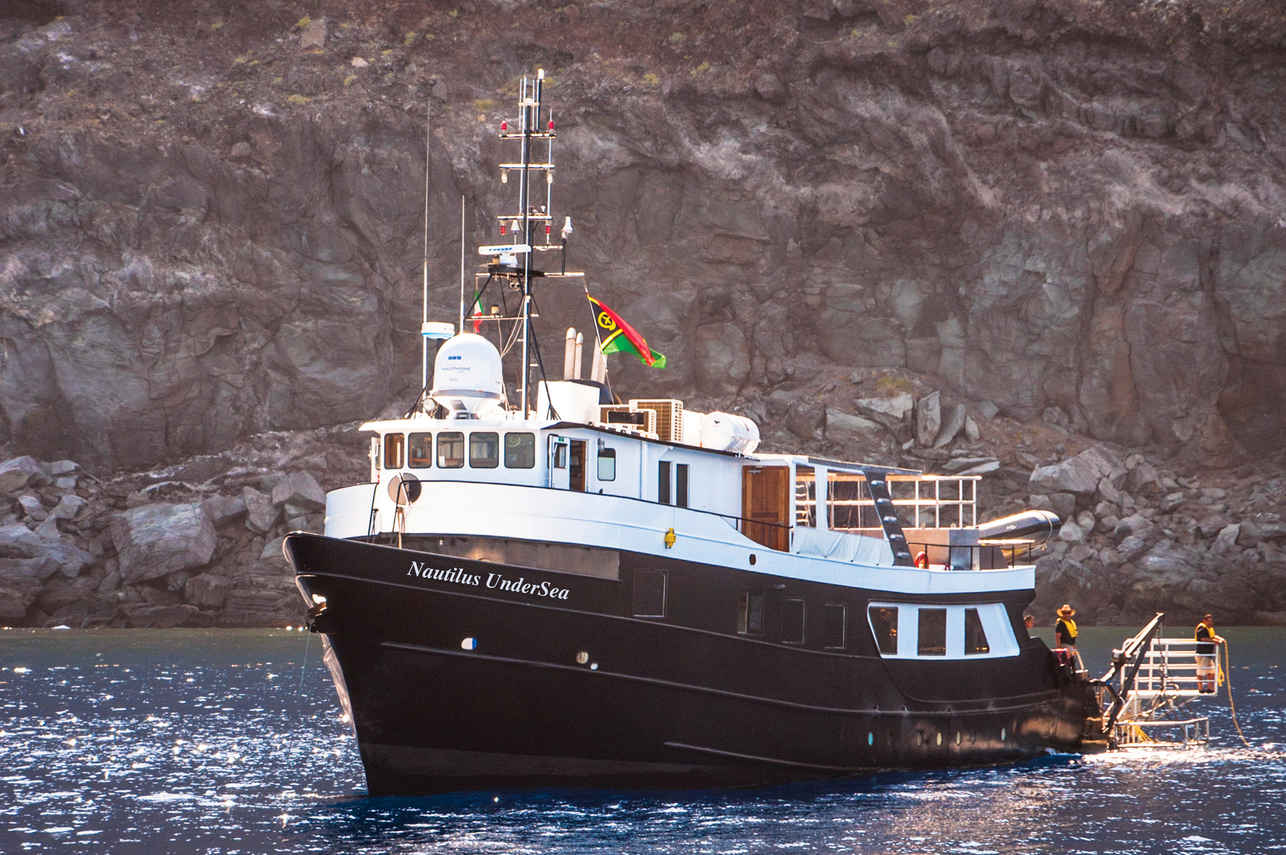
Nautilus Under Sea
Mexikó
19 vendég32 m
€230/nap
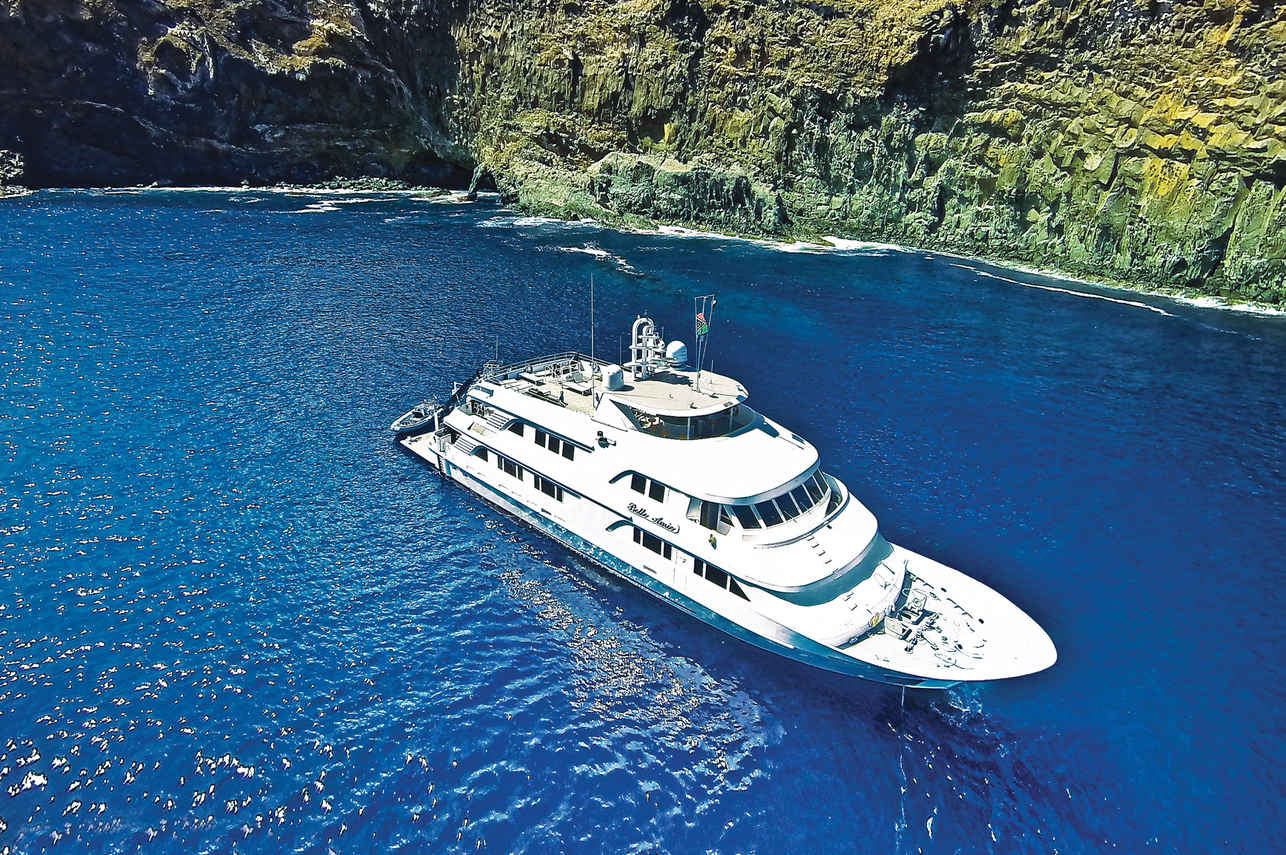
Nautilus Belle Amie
Mexikó
32 vendég44.8 m
€284/nap
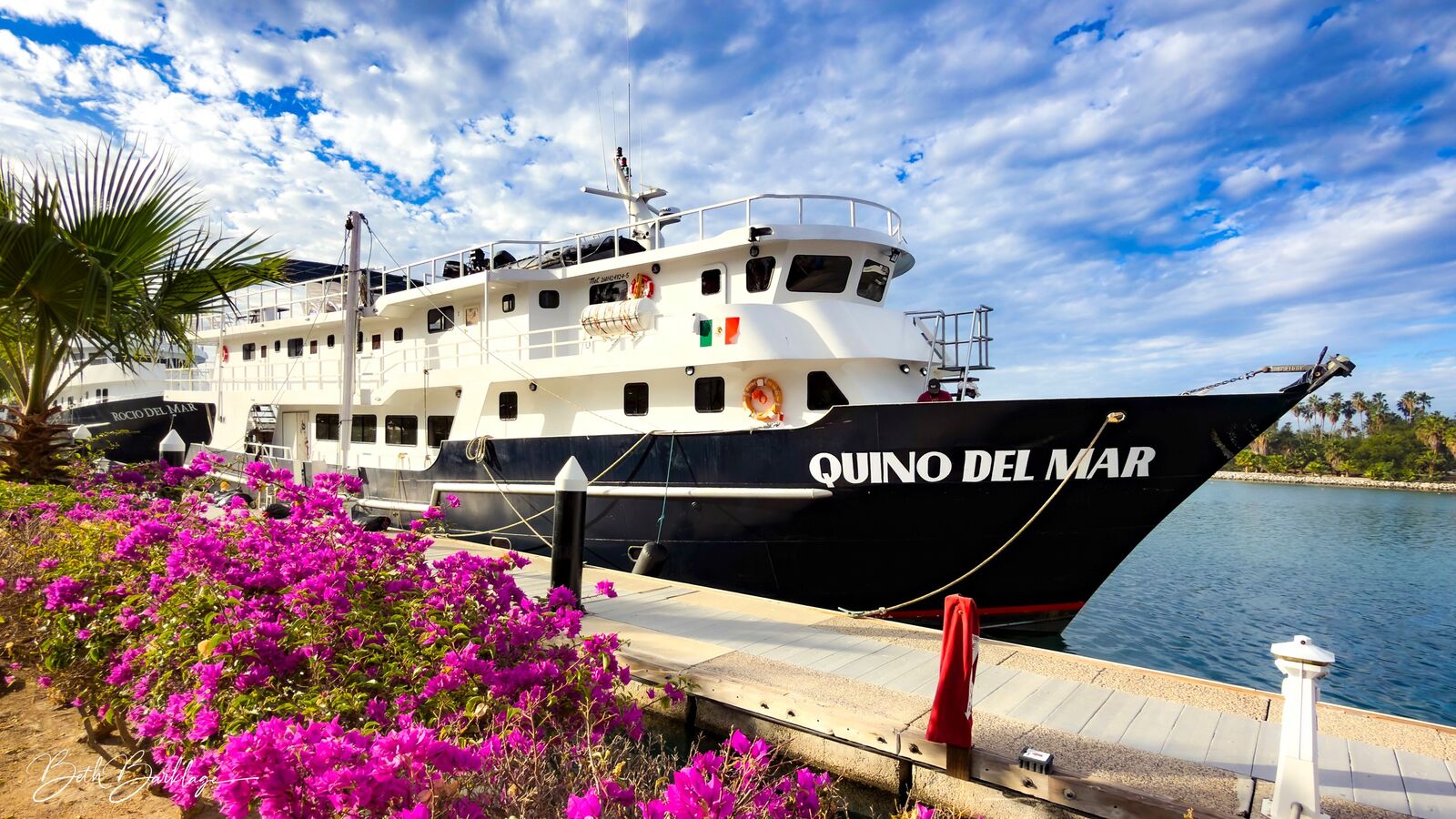
Quino del Mar
Mexikó
20 vendég36 m
€331/nap
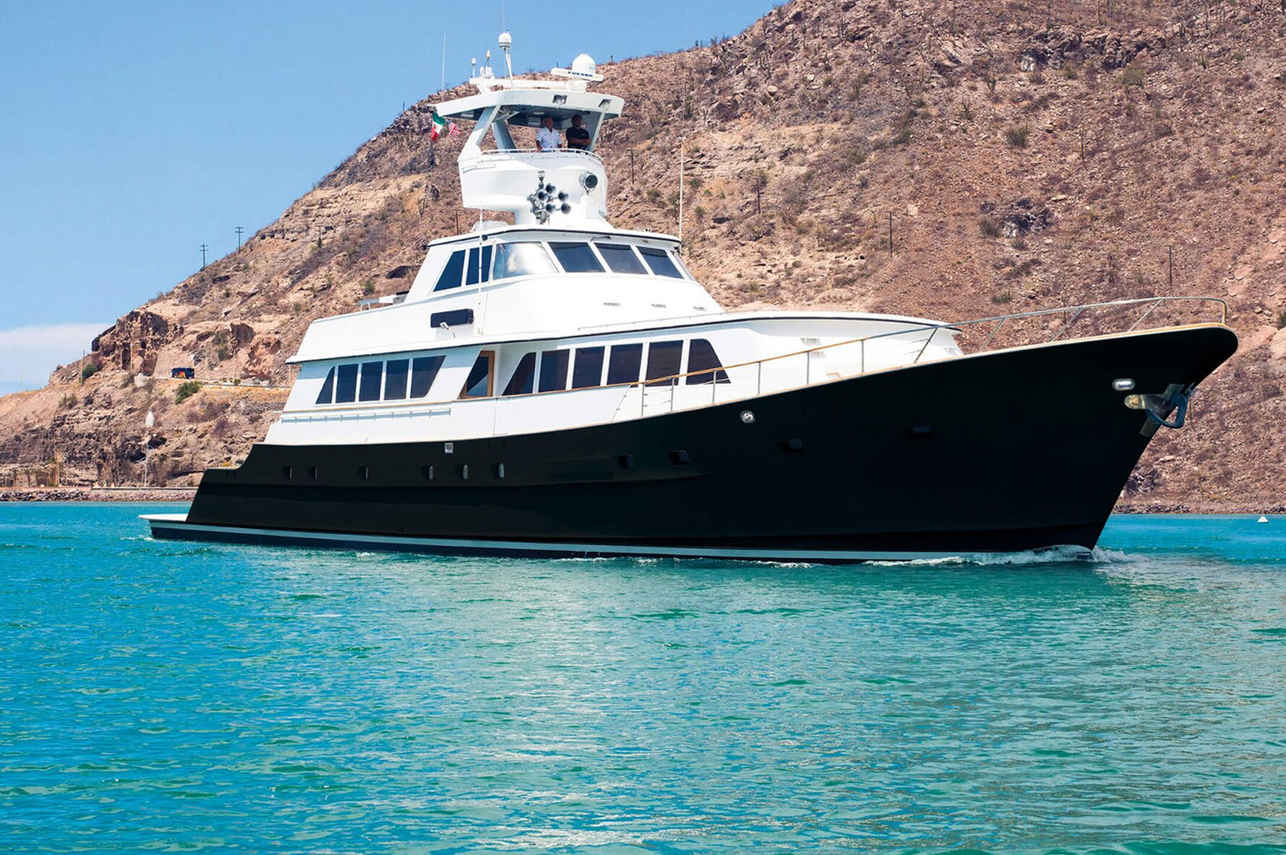
Nautilus Gallant Lady
Mexikó
12 vendég35.36 m
€292/nap
Agustín Melgar shipwreck-hoz hasonló merülőhelyek
Ugyanaz a jelleg, ugyanaz a víz — hat hely ugyanezekért a dolgokért.Hasonlítsd össze az évszakokat, a megközelíthetőséget és a liveaboard útvonalakat, majd válaszd az utazásodhoz legjobban illő helyet.
© Esri — Maxar, Earthstar, GIS
Land's End jelöli a Csendes-óceán és a Cortez-tenger találkozási pontját, dinamikus búvárkörnyezetet teremtve.
- Alkalmas
- Haladó
- Áramlat
- Mérsékelt
- Megközelítés
- Liveaboard vagy napi hajó
- Mélység
- 9–24 m
- Téma
- Roncs / Csatorna
© Esri — Maxar, Earthstar, GIS
A C-58 roncs, más néven USS Harlequin vagy ARM DM-20, egy kiemelkedő mesterséges zátony Cancún és Isla Mujeres partjainál. Eredetileg egy amerikai haditengerészeti aknaszedő volt, amit 1944-ben bocsátottak vízre.
- Alkalmas
- Tapasztalt
- Áramlat
- Mérsékelt
- Megközelítés
- Napi hajó
- Mélység
- 18–26 m
- Téma
- Roncs / Sodrásos merülés
© Esri — Maxar, Earthstar, GIS
C-58 Roncs
Mexikó
A C-58 Roncs egy kiemelkedő mesterséges zátony, amely a Bahía de Mujeres-ben található, az Isla Mujeres és a Cancún part közötti csatornában.
- Alkalmas
- Tapasztalt
- Áramlat
- Erős
- Megközelítés
- Napi hajó
- Mélység
- 18–26 m
- Téma
- Roncs / Sodrásos merülés
© Esri — Maxar, Earthstar, GIS
A C-53 Felipe Xicoténcatl roncs, egy mesterséges zátony Cozumel, Mexikó partjainál, a történelem és a tengeri élőhelyek egyedülálló keverékét kínálja.
- Alkalmas
- Haladó
- Áramlat
- Erős
- Megközelítés
- Liveaboard vagy napi hajó
- Mélység
- 12–25 m
- Téma
- Roncs
© Esri — Maxar, Earthstar, GIS
Banco Chinchorro egy hatalmas korallzátony, amely a mexikói Karib-tengerből emelkedik ki. Ez egy nagyrészt érintetlen tengeri rezervátum, amely érintetlen állapotáról híres.
- Alkalmas
- Tapasztalt
- Áramlat
- Erős
- Megközelítés
- Liveaboard vagy napi hajó
- Mélység
- 5–20 m
- Téma
- Fal / Roncs
© Esri — Maxar, Earthstar, GIS
Mama Viña roncs
Mexikó
A Mama Viña Playa del Carmen első számú helyi roncsmerülőhelye, egy egykori rákászhajó, amelyet szándékosan süllyesztettek el 1995-ben, hogy mesterséges zátonyt hozzanak létre.
- Alkalmas
- Tapasztalt
- Áramlat
- Erős
- Megközelítés
- Liveaboard vagy napi hajó
- Mélység
- 21–30 m
- Téma
- Sodrásos merülés / Roncs