Bluerides – Blue Rides - दुनिया भर में लिवअबोर्ड डाइविंग बुक करेंOCEAN ADVENTURES
रिवर क्रूज़नदियाँप्रकृति और वन्यजीवहमारा वादा
रिवर क्रूज़नदियाँप्रकृति और वन्यजीवहमारा वादासाइन इन करें

River गंतव्य

  • River गंतव्य
  • Amazon
  • Danube
  • Rhine
  • Mekong
  • Nile

जहाज़ और प्रस्थान

  • River Cruise खोजें
  • ऑफ़र

प्रकृति और वन्यजीव

  • प्रकृति और वन्यजीव

यात्रा सहायता

  • हमारा वादा
  • संपर्क

संपर्क करें

संपर्क करें

कभी भी संपर्क करें, हम आपकी यात्रा चुनने या किसी भी सवाल में मदद करने को तैयार हैं।

ईमेलहमें लिखें, आमतौर पर कुछ ही घंटों में जवाब देते हैं।
contact@bluerides.com
व्हाट्सएपव्हाट्सएप पर हमसे चैट करें, सोम–शुक्र 10:00–16:00 (CET)।
WhatsApp चैट शुरू करें
फ़ोनहमें कॉल करें, हम खुशी से मदद करेंगे।
फ्री कॉल, सोम–शुक्र 10:00–20:00 (CET)।
यूरोप+49 800 1144 990यूएसए+1 888 557 7735यूके+44 800 707 4152ऑस्ट्रेलिया+61 2 8599 6113कनाडा+1 888 557 7735
Which river journey is yours?Answer 8 quick questions and find the river cruise that fits you.
8 questions, 1 minute·Plus Gift
सुरक्षित भुगतान विधियाँआपके भुगतान AES-256 एन्क्रिप्शन द्वारा पूरी तरह सुरक्षित हैं।
द्वारा संचालितStripeWiseAMEXPayGoogle PaySEPABank
छाप·नियम और शर्तें·गोपनीयता नीति·हमारे बारे में·संपर्क करें·दायित्व अस्वीकरण·संबद्ध कार्यक्रम·Cruise·
यहाँ हमसे जुड़ें

© 2026 Blue Rides. सर्वाधिकार सुरक्षित।·

Bluerides – Blue Rides - दुनिया भर में लिवअबोर्ड डाइविंग बुक करेंOCEAN ADVENTURES
रिवर क्रूज़नदियाँप्रकृति और वन्यजीवहमारा वादा
रिवर क्रूज़नदियाँप्रकृति और वन्यजीवहमारा वादासाइन इन करें
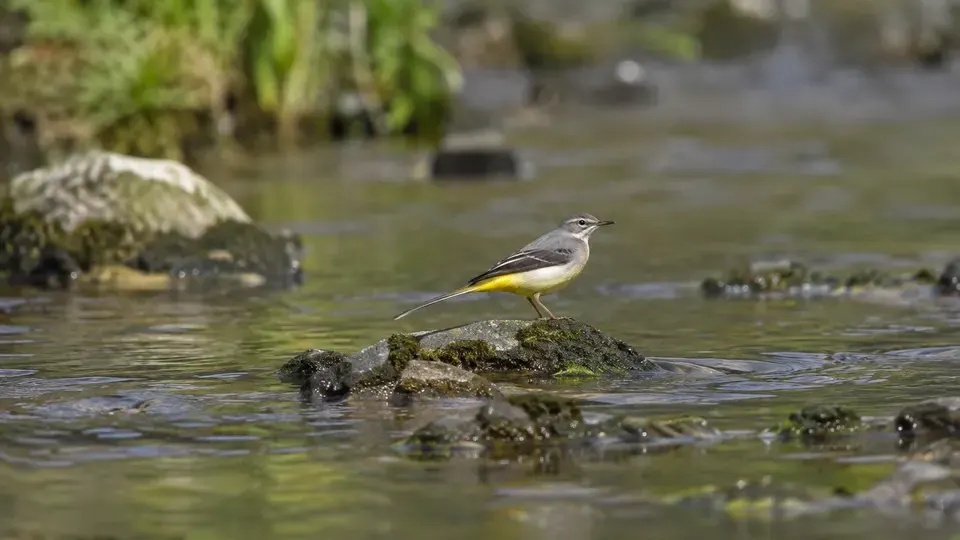
आर्द्रभूमि में Grey wagtail — Douro, नदी क्रूज़ के वन्यजीव
होम›रिवर क्रूज़›नदी के वन्यजीव›Grey Wagtail

Grey WagtailMotacilla cinereaइन्हें कहाँ और कब देखें

पिछली प्रजातिGrey Heronअगली प्रजातिGreylag Goose

Grey Wagtail एक नज़र में

Despite its name, the Grey Wagtail has an eye-catching yellow undertail that flashes as the bird moves along a water margin. BTO describes it as primarily associated with fast-flowing water, but also using slower rivers and urban lakes or ponds. This is particularly useful context for its registered location at the Douro estuary in Porto and Vila Nova de Gaia: a species associated with streams need not be restricted to a remote mountain reach. The relevant cruise opportunity is a shore visit around Afurada, Cabedelo and São Paio, not a claim for the inland Régua–Pinhão sector. Its small size and continuous movement make it a more demanding deck identification than a large heron. A local estuary guide also identifies it among birds attracted to low-tide margins. Species account: https://www.bto.org/learn/about-birds/birdfacts/grey-wagtail
व्यवहार और प्रजनन

आकार
not verified
वजन
About 18.1 g; BTO species account.
जीवनकाल
not verified
स्थिति
Least Concern globally, as reported by BTO.

The long tail is repeatedly moved up and down, drawing attention even when the grey back merges into stone or wet mud. Watch a bird's progress along the immediate waterline rather than scanning only open water. BTO describes hunting for aquatic insects around rivers and other water bodies. Individuals may move between small feeding patches, briefly disappearing behind rocks or bank structures. Grey Wagtail is a partial migrant, which means the species' movements are not accurately described by assuming every population is either completely sedentary or entirely migratory. The BTO account concerns Britain and Ireland and cannot establish Porto's monthly pattern. For behaviour watching, a stationary position overlooking a short section of edge can reveal more than repeatedly walking after the same bird.

वन्यजीवों के प्रमुख स्थान

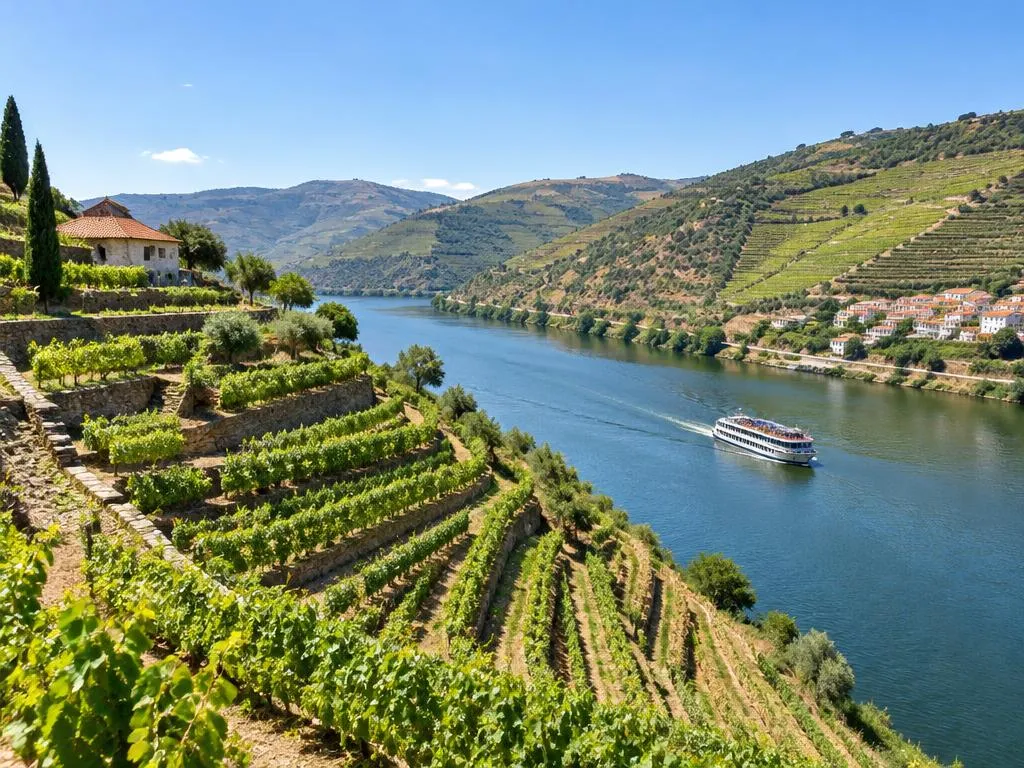
Douro का नदी दृश्य — नदी क्रूज़ के वन्यजीवों का आवास

Douro

Porto / Vila Nova de Gaia: Douro estuary reserve, Afurada–Cabedelo–São Paio; NOT a claim for inland Régua–Pinhão Accessible Porto shore visit with paths and hides; waders/gulls concentrated at low tide and migration/winter. Osprey and Short-eared Owl irregular/seasonal; no guaranteed sightings.
रिवर क्रूज एक्सप्लोर करें

गंतव्य प्रजातियों के प्राकृतिक आवास का वर्णन करते हैं, न कि क्रूज के निश्चित पड़ावों का। कुछ जानवरों को देखने के लिए वैकल्पिक अंतर्देशीय भ्रमण की आवश्यकता होती है या वे केवल प्रतिबंधित रिजर्व में पाए जाते हैं।

Grey Wagtail के बारे में रोचक तथ्य

  • The yellow undertail contrasts with the grey back.
  • The tail is exceptionally long.
  • BTO reports a weight of about 18.1 g.
  • The species is a partial migrant.
  • Urban water margins can provide habitat.
  • Aquatic insects are important food.
  • The Douro evidence concerns the Porto estuary, not Pinhão.

Grey Wagtail को देखने का सबसे अच्छा समय

The local Douro guide highlights low tide, when exposed estuary features attract this species and other birds. This is recurring tidal guidance but does not state a numerical annual season for Grey Wagtail. BTO's description of partial migration and lower-altitude winter use in Britain cannot supply Portuguese months. The location therefore has no month values. For a Porto visit, tide timing and a clear view of the immediate bank may be more useful planning details than an unsupported claim that all winter or all summer months are best. Ask reserve staff where accessible feeding edges currently lie, and allow time for a small bird to appear. A calendar gap in this profile signals a lack of verified local seasonal evidence rather than a conclusion about year-round absence.

Grey Wagtail: गंतव्य के अनुसार सीजन मैट्रिक्स

Highlighted months reflect the stated local evidence, not guaranteed encounters. Neutral months mean no verified monthly viewing window, not absence. Observation records and recommended viewing windows are distinct.

Douro

A recurring local source with an explicit monthly observation calendar was not verified. Registry guidance: Accessible Porto shore visit with paths and hides; waders/gulls concentrated at low tide and migration/winter. Osprey and Short-eared Owl irregular/seasonal; no guaranteed sightings.

जन॰फ़र॰मार्चअप्रैलमईजूनजुल॰अग॰सित॰अक्टू॰नव॰दिस॰
रिवर क्रूज एक्सप्लोर करें

Grey Wagtail कहाँ रहता है

Flowing water is a prominent part of the species' habitat association, but BTO also records slower rivers, lakes and ponds in towns. At the registered Douro reach, concentrate on accessible estuary edges and nearby stream-mouth habitat rather than expecting a wagtail in the centre of a gull flock. The Ribeira da Granja observatory on the north bank is described by a local birding guide as overlooking sandbanks, mudflats and islands, with Grey Wagtail among species attracted at low tide. That provides useful viewing context within the estuary, not a quantified abundance estimate for every bank. Wet stone, small exposed margins and nearby cover should be inspected from public access points. Inland vineyard reaches are outside the verified scope of this registry association.

Grey Wagtail क्या खाता है

Aquatic insects are the food category explicitly described by BTO. A wagtail works close to the water where small prey can be picked from exposed surfaces or intercepted during short movements. Its fine bill is quite unlike the heavy seed-cracking bill of a sparrow, and its association with water is linked to feeding opportunities rather than a habit of swimming for food. A Porto-specific prey inventory, seasonal food proportions and feeding rates were not verified. Do not infer that every peck captures an insect visible to the observer; small prey may be below the resolution of binoculars or a photograph. The best dietary observation is an undisturbed bird moving through its own feeding patch, not one drawn to the edge with food or followed until it abandons the site.

प्रजातियों पर एक नज़र

सामान्य नाम
Grey Wagtail
Scientific name
Motacilla cinerea
पशु समूह
Birds
आकार
not verified
वजन
About 18.1 g; BTO species account.
जीवनकाल
not verified
स्थिति
Least Concern globally, as reported by BTO.
पहचान
Look for slate-grey upperparts, yellow beneath the tail and an exceptionally long tail relative to the body. RSPB notes that the tail is longer than in Pied and Yellow Wagtails, a useful comparison when more than one wagtail type is present. Yellow colour alone is not diagnostic, and a bird seen from behind may hide the grey back. Obtain side and rear views if it continues feeding naturally. Plumage varies with age and season, so a neat illustration of one adult should not become a rigid checklist for every sighting. The repeated tail movement is supportive rather than exclusive to this species. At estuary distances, the combination of proportions, upperpart colour and undertail colour is much stronger than a single flash of yellow.

Grey Wagtail: अक्सर पूछे जाने वाले प्रश्न

तुम Grey Wagtail कहाँ देख सकते हो?
Douro. Pause at a safe public viewpoint and check the narrow strip where water meets stone, mud or vegetation. The tail often catches the eye before the bird's body does. Use binoculars to confirm yellow under the tail and grey upperparts, and follow the bird only within the field of view rather than pursuing it along the bank. Low tide can improve exposure of feeding margins at the estuary, but do not descend onto mudflats or enter the reserve to shorten the distance. From a moving ship, a small grey bird can be extremely difficult to identify confidently. A Porto shore stop gives better opportunities to compare proportions with other wagtails and to listen for calls. Keep an uncertain distant bird as wagtail species if essential features were missed.
Grey Wagtail देखने का सबसे अच्छा समय कब है?
The local Douro guide highlights low tide, when exposed estuary features attract this species and other birds. This is recurring tidal guidance but does not state a numerical annual season for Grey Wagtail. BTO's description of partial migration and lower-altitude winter use in Britain cannot supply Portuguese months. The location therefore has no month values. For a Porto visit, tide timing and a clear view of the immediate bank may be more useful planning details than an unsupported claim that all winter or all summer months are best. Ask reserve staff where accessible feeding edges currently lie, and allow time for a small bird to appear. A calendar gap in this profile signals a lack of verified local seasonal evidence rather than a conclusion about year-round absence.
Grey Wagtail कितने बड़े होते हैं?
not verified। वयस्क वजन: About 18.1 g; BTO species account.। आकार उम्र, लिंग और आबादी के साथ बदलता रहता है।
Grey Wagtail के आस-पास मुझे कैसा व्यवहार करना चाहिए?
Pause at a safe public viewpoint and check the narrow strip where water meets stone, mud or vegetation. The tail often catches the eye before the bird's body does. Use binoculars to confirm yellow under the tail and grey upperparts, and follow the bird only within the field of view rather than pursuing it along the bank. Low tide can improve exposure of feeding margins at the estuary, but do not descend onto mudflats or enter the reserve to shorten the distance. From a moving ship, a small grey bird can be extremely difficult to identify confidently. A Porto shore stop gives better opportunities to compare proportions with other wagtails and to listen for calls. Keep an uncertain distant bird as wagtail species if essential features were missed.
Grey Wagtail क्या खाते हैं?
Aquatic insects are the food category explicitly described by BTO. A wagtail works close to the water where small prey can be picked from exposed surfaces or intercepted during short movements. Its fine bill is quite unlike the heavy seed-cracking bill of a sparrow, and its association with water is linked to feeding opportunities rather than a habit of swimming for food. A Porto-specific prey inventory, seasonal food proportions and feeding rates were not verified. Do not infer that every peck captures an insect visible to the observer; small prey may be below the resolution of binoculars or a photograph. The best dietary observation is an undisturbed bird moving through its own feeding patch, not one drawn to the edge with food or followed until it abandons the site.
क्या रिवर क्रूज पर वन्यजीवों का दिखना निश्चित है?
नहीं। जानवर स्वतंत्र रूप से घूमते हैं और मार्ग, मौसम, पहुंच प्रतिबंध और स्थानीय स्थितियां हर यात्रा को प्रभावित करती हैं। बुकिंग से पहले वास्तविक यात्रा कार्यक्रम और तट कार्यक्रम की पुष्टि करें।

उन्हीं गंतव्यों में वन्यजीवों की तुलना करें

इन गंतव्यों में दर्ज अन्य birds को एक्सप्लोर करें। समान परिवेश का अर्थ यह नहीं है कि जानवरों की आदतें या देखने का सीजन भी एक जैसा होगा।

पशु समूह और गंतव्य के अनुसार प्रजातियों की तुलना
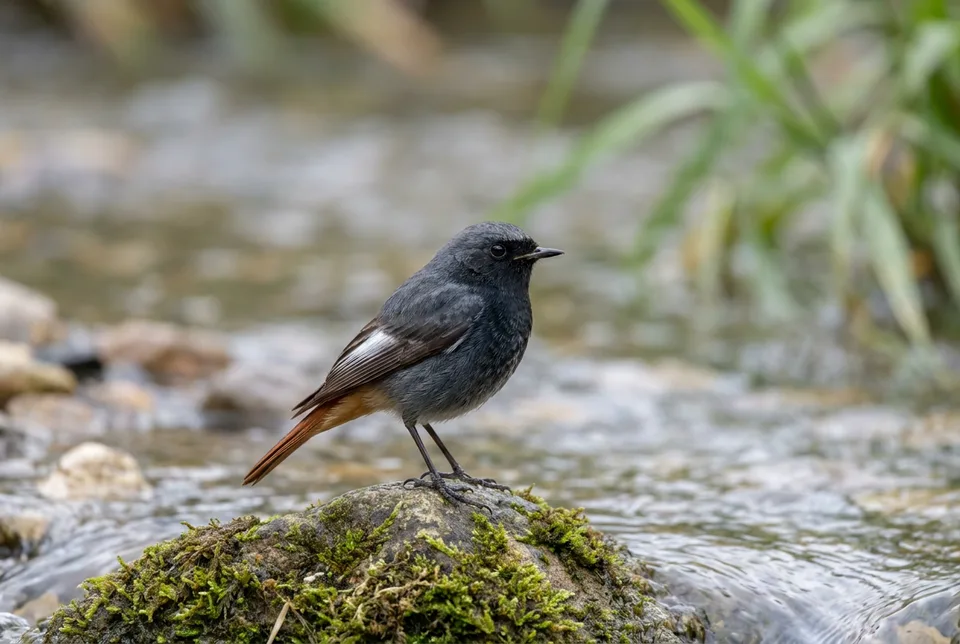
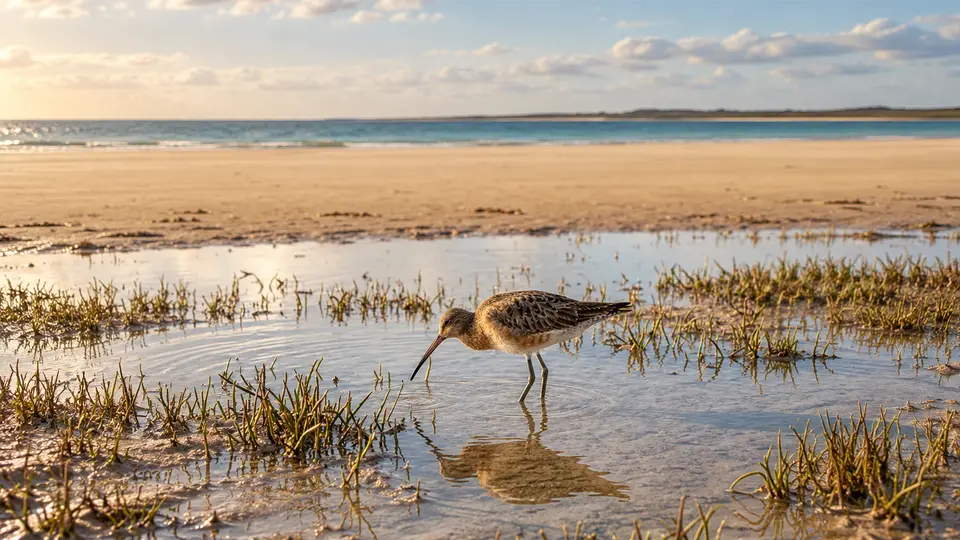
आर्द्रभूमि में Grey wagtail — Douro, नदी क्रूज़ के वन्यजीवGrey Wagtailआर्द्रभूमि में Bar-tailed godwit — Douro, नदी क्रूज़ के वन्यजीवBar-tailed godwitआर्द्रभूमि में Black Redstart — Saone, Douro, नदी क्रूज़ के वन्यजीवBlack Redstart
पशु समूहBirdsपशु समूहBirdsपशु समूहBirds
डेस्टिनेशनDouroडेस्टिनेशनDouroडेस्टिनेशनSaone, Douro
Scientific name
Motacilla cinerea

Motacilla cinerea

Scientific name
Scientific name
आकार
not verified
आकार
आकार
वजन
About 18.1 g; BTO species account.
वजन
वजन
जीवनकाल
not verified
जीवनकाल
जीवनकाल
स्थिति
Least Concern globally, as reported by BTO.
स्थिति
स्थिति
पहचान
Look for slate-grey upperparts, yellow beneath the tail and an exceptionally long tail relative to the body.

Look for slate-grey upperparts, yellow beneath the tail and an exceptionally long tail relative to the body. RSPB notes that the tail is longer than in Pied and Yellow Wagtails, a useful comparison when more than one wagtail type is present. Yellow colour alone is not diagnostic, and a bird seen from behind may hide the grey back. Obtain side and rear views if it continues feeding naturally. Plumage varies with age and season, so a neat illustration of one adult should not become a rigid checklist for every sighting. The repeated tail movement is supportive rather than exclusive to this species. At estuary distances, the combination of proportions, upperpart colour and undertail colour is much stronger than a single flash of yellow.

पहचान
पहचान
आवास
Flowing water is a prominent part of the species' habitat association, but BTO also records slower rivers, lakes and ponds in towns.

Flowing water is a prominent part of the species' habitat association, but BTO also records slower rivers, lakes and ponds in towns. At the registered Douro reach, concentrate on accessible estuary edges and nearby stream-mouth habitat rather than expecting a wagtail in the centre of a gull flock. The Ribeira da Granja observatory on the north bank is described by a local birding guide as overlooking sandbanks, mudflats and islands, with Grey Wagtail among species attracted at low tide. That provides useful viewing context within the estuary, not a quantified abundance estimate for every bank. Wet stone, small exposed margins and nearby cover should be inspected from public access points. Inland vineyard reaches are outside the verified scope of this registry association.

आवास
आवास
आहार
Aquatic insects are the food category explicitly described by BTO.

Aquatic insects are the food category explicitly described by BTO. A wagtail works close to the water where small prey can be picked from exposed surfaces or intercepted during short movements. Its fine bill is quite unlike the heavy seed-cracking bill of a sparrow, and its association with water is linked to feeding opportunities rather than a habit of swimming for food. A Porto-specific prey inventory, seasonal food proportions and feeding rates were not verified. Do not infer that every peck captures an insect visible to the observer; small prey may be below the resolution of binoculars or a photograph. The best dietary observation is an undisturbed bird moving through its own feeding patch, not one drawn to the edge with food or followed until it abandons the site.

आहार
आहार
सबसे अच्छा मौसम
The local Douro guide highlights low tide, when exposed estuary features attract this species and other birds.

The local Douro guide highlights low tide, when exposed estuary features attract this species and other birds. This is recurring tidal guidance but does not state a numerical annual season for Grey Wagtail. BTO's description of partial migration and lower-altitude winter use in Britain cannot supply Portuguese months. The location therefore has no month values. For a Porto visit, tide timing and a clear view of the immediate bank may be more useful planning details than an unsupported claim that all winter or all summer months are best. Ask reserve staff where accessible feeding edges currently lie, and allow time for a small bird to appear. A calendar gap in this profile signals a lack of verified local seasonal evidence rather than a conclusion about year-round absence.

सबसे अच्छा मौसम
सबसे अच्छा मौसम
गंतव्य के अनुसार सीजन मैट्रिक्स
DouroNo verified monthly viewing evidence

A recurring local source with an explicit monthly observation calendar was not verified. Registry guidance: Accessible Porto shore visit with paths and hides; waders/gulls concentrated at low tide and migration/winter. Osprey and Short-eared Owl irregular/seasonal; no guaranteed sightings.

गंतव्य के अनुसार सीजन मैट्रिक्सगंतव्य के अनुसार सीजन मैट्रिक्स
पिछली प्रजातिGrey Heronअगली प्रजातिGreylag Goose
नदी के सभी वन्यजीव
On this page
  • 01लगभग
  • 02व्यवहार और प्रजनन
  • 03वन्यजीवों के प्रमुख स्थान
  • 04रोचक तथ्य
  • 05सबसे अच्छा मौसम
  • 06गंतव्य के अनुसार सीजन मैट्रिक्स
  • 07आवास
  • 08आहार
  • 09प्रजातियों पर एक नज़र
  • 10प्रश्न और उत्तर
  • 11तुलना करें

Find your river cruise

अपनी यात्रा की योजना बनाएं

अपना अगला रिवर क्रूज़ सफर खोजो

उन गंतव्यों, तटवर्ती कार्यक्रमों और तारीखों की तुलना करें जहाँ आप अपने पसंदीदा जानवरों और उनके प्राकृतिक आवासों को देख सकें।

  • दैनिक तटवर्ती भ्रमण
  • जिम्मेदारी के साथ वन्यजीव दर्शन
  • बुटीक रिवर शिप्स
रिवर क्रूज एक्सप्लोर करें