
Why the Galápagos is a cruise destination
The archipelago sits about 1,000 km off Ecuador and the visitor sites are spread across islands that are hours apart by sea. Ecuador's national park rules assign each vessel a fixed route, so the boat you pick decides the islands you see — you cannot change plans on the day.
Day trips from Santa Cruz or San Cristóbal exist, but they reach only a handful of central sites. Everything further out — Fernandina, Isabela's western coast, Genovesa, and for divers Darwin and Wolf — requires an overnight vessel.
Naturalist cruise or diving liveaboard?
Two very different products share the word 'cruise' here, and booking the wrong one is the most common Galápagos mistake.
- Naturalist cruise: land visits with a park guide, panga rides and snorkeling. No scuba. Great for wildlife, families and non-divers.
- Diving liveaboard: 3–4 dives a day, the only vessels licensed to run Darwin and Wolf, minimal land time. For experienced divers only.
- A few boats mix both, but no vessel offers full land programmes and Darwin/Wolf diving on the same trip.
The main itineraries
Park rules assign every vessel one of a handful of approved loops. These are the four routes you will actually be choosing between.
- Typical length: 4, 5, 7 or 8 nights; 7–8 nights is the only realistic way to include the far islands
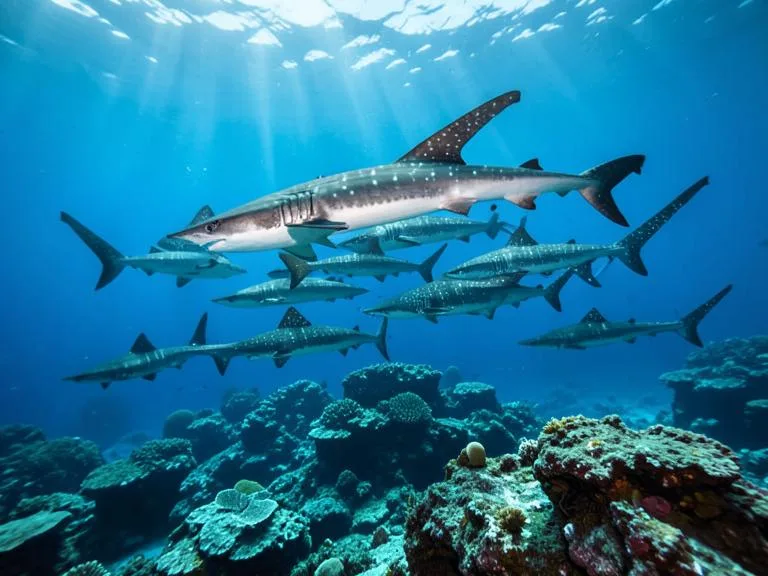
Northern route — Darwin & Wolf
7–8 nights · diving only
The classic dive itinerary: scalloped hammerhead schools, whale sharks in season (June–November), Galápagos sharks and strong current. Advanced divers with 50–100 logged dives only.
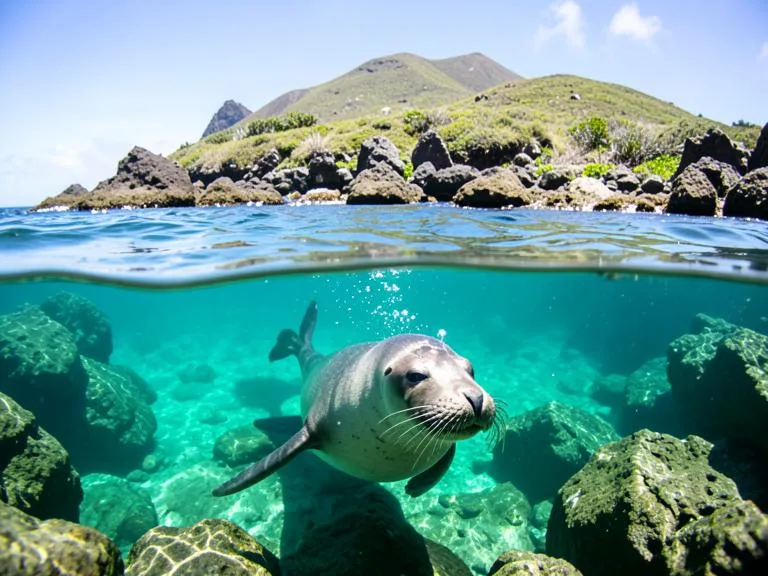
Central & southern islands
4–8 nights · naturalist
Santa Cruz, Floreana, Española and Santa Fé: boobies, the waved albatross, sea-lion colonies and calmer water. The route most naturalist cruises and families choose.
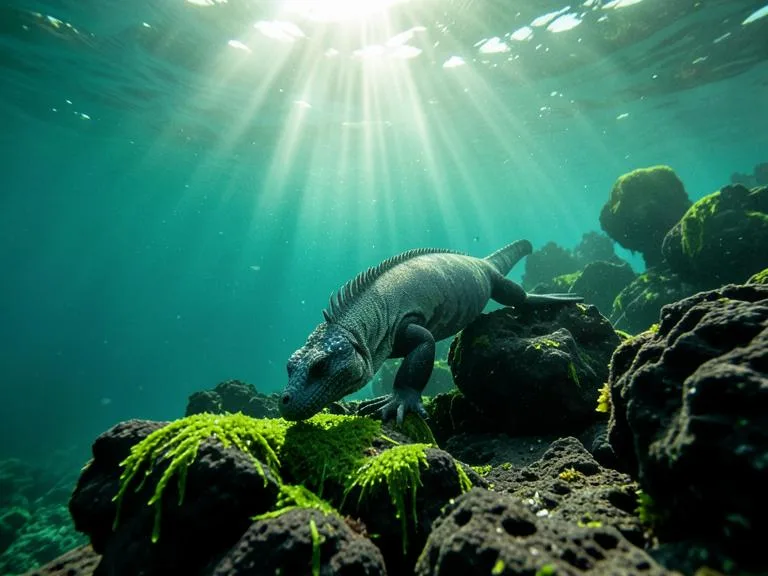
Western route — Isabela & Fernandina
6–8 nights · naturalist
Marine iguanas feeding underwater, Galápagos penguins and flightless cormorants on the youngest, most volcanic islands. Cooler, nutrient-rich water.
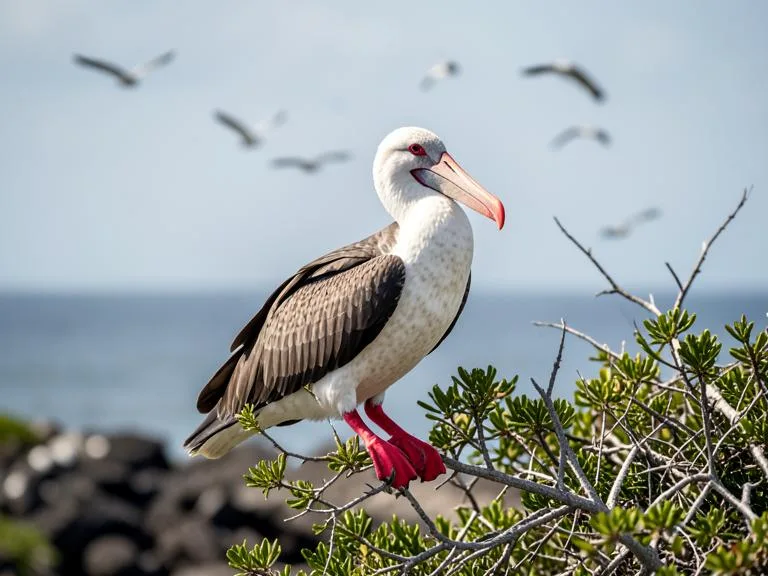
Northeast — Genovesa
usually combined · naturalist
‘Bird island’: enormous frigatebird and red-footed booby colonies, plus fur seals and dense schools of reef fish. Reached on the longer 8-night loops.
Best time for a Galápagos cruise
There is no bad month — there are two distinct seasons with different animals and comfort levels. Divers chasing whale sharks book June–November; snorkelers and families are usually happier December–May.
Dec–Feb
23–26 °CWarm season begins: calm seas, sea-turtle nesting and the best snorkeling visibility of the year.
Mar–May
24–27 °CWarmest and calmest quarter — sea-lion pups, mating albatross on Española, easy crossings.
Jun–Aug
18–22 °CHumboldt current arrives: whale sharks return to Darwin, hammerhead schools grow, crossings get rougher.
Sep–Nov
18–23 °CWhale-shark peak and the biggest hammerhead schools at Darwin & Wolf; cool water, 5–7 mm suit.
What a Galápagos cruise costs
Galápagos is one of the most expensive destinations we sell, and the reasons are structural: a strictly capped number of licences, long provisioning distances and mandatory national-park fees.
- Naturalist cruises: roughly ₹29,085–₹74,790 per person per day depending on vessel class
- Diving liveaboards: roughly ₹49,860–₹74,790 per person per day for 7–8 nights
- Galápagos National Park entrance fee: ₹16,620 per adult (payable on arrival, cash)
- Transit control card: ₹1,662 per person
- Extra: flights from Quito or Guayaquil, fuel/park surcharges, Nitrox, crew tips
Requirements for diving cruises
- Advanced Open Water or equivalent, plus a minimum of 50–100 logged dives on most northern-route vessels
- Recent cold-water and current experience — a 5–7 mm suit and hood are standard
- Nitrox certification is strongly recommended and often included
- A surface marker buoy and audible signalling device are usually mandatory
- Dive insurance covering hyperbaric treatment; the nearest chamber is on Santa Cruz
Getting there and practical planning
All routes go through mainland Ecuador. You fly into Quito or Guayaquil, overnight, then take a morning flight to Baltra (GPS) or San Cristóbal (SCY), where the boat's crew meets you. Book at least one buffer night on the mainland — a missed connection means a missed departure, and boats do not wait.
Cabins on the strongest vessels sell out 9–12 months ahead, especially for the whale-shark months. If your dates are fixed, book early; if your dates are flexible, we can often place you on a shoulder-season departure for noticeably less.