Sobre Sawabi Islands
Las Islas Sawabi, también conocidas como las Islas de los Siete Hermanos, son un remoto archipiélago volcánico situado en el Estrecho de Bab el Mandeb, que marca la entrada sur al Mar Rojo. Esta zona es considerada un lugar de buceo de primer nivel en Yibuti, ofreciendo una experiencia salvaje y aventurera. Las islas presentan notables puntos de inmersión profunda, así como florecientes jardines y paredes de coral que descienden a grandes profundidades. La topografía se caracteriza por formaciones volcánicas y extensos sistemas de arrecifes. Los cambios de marea ocurren dos veces al día, creando fuertes corrientes que a veces pueden afectar la visibilidad. Sin embargo, estas poderosas corrientes también traen un rico suministro de agua rica en nutrientes a los arrecifes y mesetas rocosas, fomentando una abundancia de vida marina. Aunque algunos sitios son desafiantes debido a las corrientes y la profundidad, lo que los hace adecuados para buceadores experimentados, también hay numerosas opciones para buceadores certificados Open Water. Los cruceros de buceo visitan frecuentemente esta región, ofreciendo acceso a sus diversos paisajes submarinos. Los sitios de buceo alrededor de las Islas Sawabi son conocidos por su excepcional biodiversidad, mostrando corales blandos y duros prístinos. Las corrientes atraen grandes bancos de peces y especies pelágicas, haciendo de cada inmersión un encuentro con vibrante actividad marina. A pesar del potencial de visibilidad reducida debido al plancton agitado por las corrientes, la salud general y la riqueza del ecosistema aquí son excepcionales, atrayendo a buceadores ansiosos por explorar una parte menos explorada del Mar Rojo.
Destacados
Remoto archipiélago volcánicoPuntos de inmersión profunda espectacularesVibrantes jardines y paredes de coralFuertes corrientes ricas en nutrientesAlta biodiversidad marina
Calendario por meses
Mejores meses para bucear
Ene
Feb
Mar
Abr
May
Jun
Jul
Ago
Sep
Oct
Nov
Dic
Excelente
Bueno
Datos del punto de buceo: Sawabi Islands
- Profundidad
- 5–40+ m
- Inmersión típica
- Varies by site, usually 50–60 min
- Corriente
- Moderada a Fuerte
- Visibilidad
- 10–35+ m
- Temperatura del agua
- 24–33°C
- Entrada
- Liveaboard / Lancha auxiliar
- Nivel
- Intermedio a Avanzado
- Tipo de buceo
- Arrecife, Pared, Deriva, Pecio, Pelágico encounters
- Buceo nocturno
- Possible
- Región / puerto
- Obock / Southern Red Sea
- Coordenadas
- 12.4433° N, 43.3442° E
Condiciones y corrientes
Las corrientes fuertes son comunes; se recomienda experiencia en buceo a la deriva y una SMB o gancho de arrecife. Los perfiles van aproximadamente de 5 a 40 metros, así que planifica gas y límites de no descompresión pensando en la parte más profunda. Suele plantearse como una inmersión para buceadores avanzados. Se llega en liveaboard, con entradas desde la neumática o directamente desde la popa. Como la corriente puede aumentar rápido, aquí son habituales los perfiles de deriva, la boya de superficie y el grupo compacto; el briefing de la tripulación siempre manda.
Vida marina y probabilidad de avistamiento
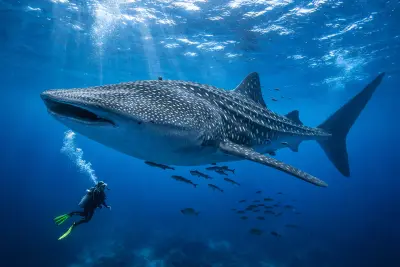
Whale Shark
Oct-Feb · frecuente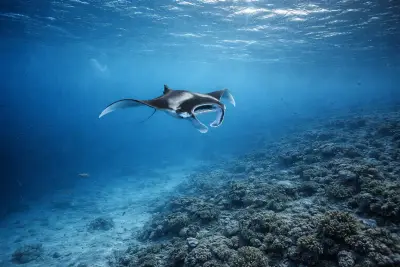
Manta Ray
Oct-Feb · frecuente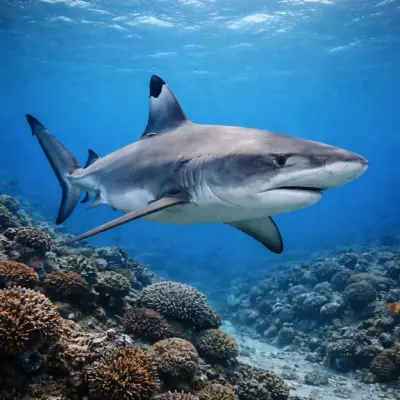
Grey Reef Shark
ocasional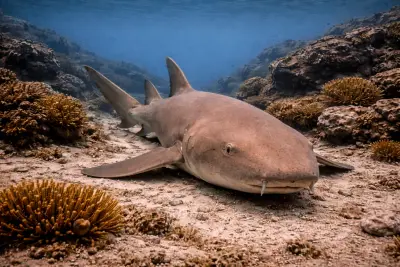
Nurse Shark
ocasional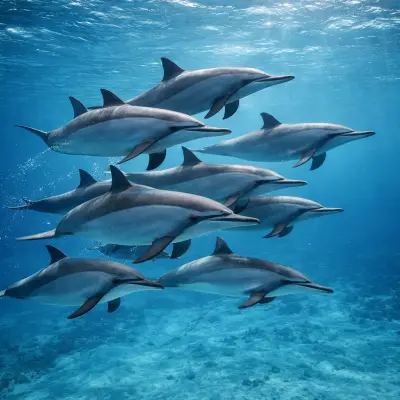
Dolphin
frecuente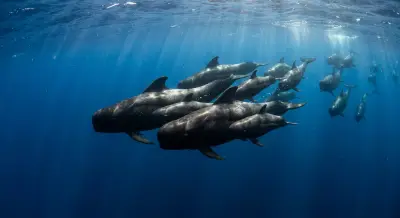
Pilot Whale
ocasional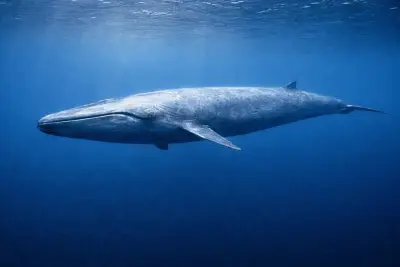
Beaked Whale
ocasional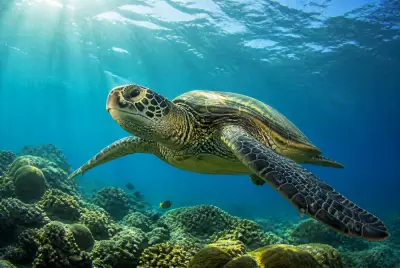
Sea Turtle
frecuente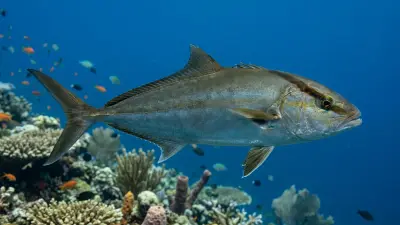
Jack (schooling)
frecuente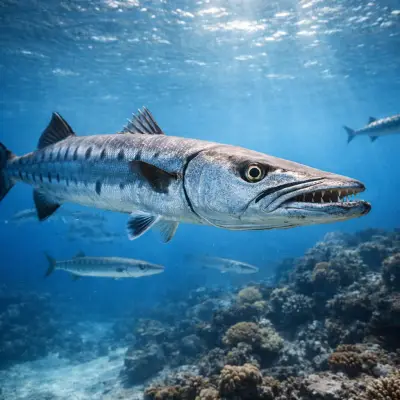
Barracuda (schooling)
frecuente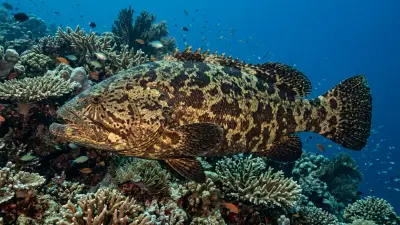
Grouper
frecuente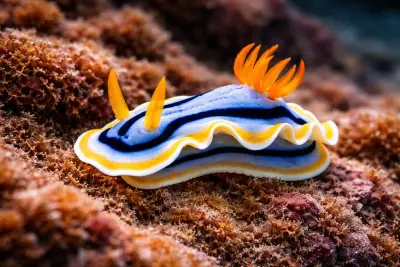
Nudibranch
ocasional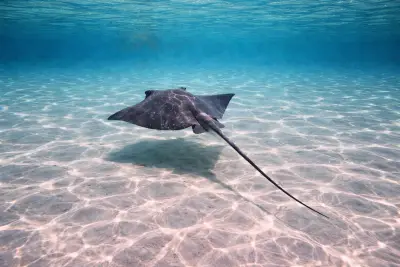
Stingray (schooling)
ocasional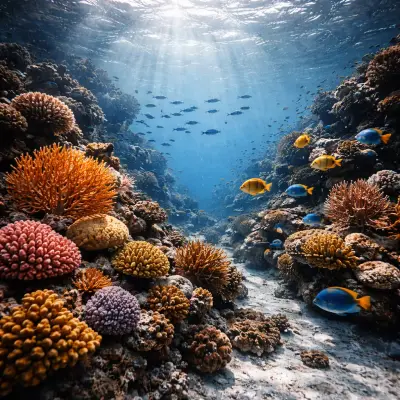
Hard Coral (200+ species)
frecuentePerfil de la inmersión
Dives at Sawabi Islands typically begin with a tender boat entry directly onto the dive site due to the remote location. Depending on the current and site, it could be a negative entry or a standard descent. Routes often involve drift diving along walls and coral-encrusted slopes, allowing divers to be carried along by the currents past rich reef ecosystems. Depths range from shallow reef crests at 5-15 meters to deeper walls and pinnacles reaching beyond 40 meters. Turn points are usually determined by gas limits and current direction, often concluding with a free ascent. Safety stops are conducted in the blue at the end of the dive, monitored by the dive guide, before surfacing for tender boat pick-up.
Fotografía submarina
Capturing the vibrant marine life and dramatic topography of the Sawabi Islands demands adaptable camera gear. For wide-angle shots of schooling pelagics, whale sharks, or expansive reefscapes, a fisheye or rectilinear wide-angle lens is ideal. Consider dual strobes for illuminating large scenes and restoring natural colors at depth. Macro photographers will find subjects like nudibranchs, especially at sites like Japanese Gardens, benefiting from a dedicated macro lens and perhaps a snoot for creative lighting. Buoyancy control is paramount, especially in currents, to avoid disturbing delicate corals or stirring up sediment. Be mindful of marine life, maintaining a respectful distance from large animals like whale sharks and never using flash photography on them, particularly during snorkeling encounters.
Combina con estos puntos cercanos
- Ghoubbet al Kharab
Known for juvenile whale sharks and manta rays, often combined in liveaboard itineraries.
- Gulf of Tadjoura – Whale Shark Area
A primary area for whale shark and manta ray encounters, visited by liveaboards.
- Japanese Gardens
Located within the Seven Brothers Islands, noted for macro life like nudibranchs.
- La Dame Blanche
A well-preserved shipwreck within the Seven Brothers, lying in 25 meters.
- MV Priamos
A world-class wreck, locally known as 'Le Faon', offering varied diving experiences.
Cómo llegar y logística
Access to the Sawabi Islands typically begins with arrival at Djibouti Ambouli International Airport (JIB), which offers flights from Paris, Istanbul, Dubai, and other regional hubs. Liveaboard safaris are the primary and most effective way to dive these remote islands, departing from Djibouti Marina. Trip lengths usually range from 7 to 10 days, encompassing the Sawabi Islands, Ghoubbet al Kharab, and the Gulf of Tadjoura. An e-Visa is required for entry into Djibouti, which divers should apply for in advance and pick up a hard copy upon arrival. There are no specific park fees mentioned, but these would be included in the liveaboard package.
Seguridad y medio ambiente
Diving in Djibouti, particularly around the Sawabi Islands, requires careful safety considerations due to remote locations and potential for strong currents. It is highly recommended that divers have comprehensive dive insurance covering emergency medical treatment and evacuation, as recompression chambers are not readily available in Djibouti itself. The nearest medical facilities capable of handling dive-related emergencies would require evacuation to a neighboring country or further. Divers should consult with a medical professional regarding vaccinations (e.g., yellow fever, typhoid) and anti-malarial medication, ensuring any chosen prophylaxis does not contraindicate diving. Adhere strictly to dive brief instructions, especially regarding entry/exit procedures and current management. Avoid touching marine life, and maintain awareness of your surroundings and dive buddy at all times.
Para quién sí — y para quién no
Recomendado para
- Experienced divers comfortable with currents
- Underwater photographers seeking pelagic and macro subjects
- Liveaboard enthusiasts looking for remote, uncrowded sites
- Divers interested in unique volcanic underwater topography
- Those passionate about large marine animal encounters (whale sharks, mantas)
Menos indicado para
- Absolute beginner divers with no current experience
- Divers prone to seasickness on liveaboards
- Those expecting easily accessible shore diving
- Divers uninterested in pelagic encounters or drift diving
- Budget travelers seeking inexpensive dive packages
Preguntas frecuentes
Preguntas sobre Sawabi Islands
What makes the Sawabi Islands unique for diving?
The Sawabi Islands are unique due to their location at the confluence of the Red Sea and the Gulf of Aden, creating an exceptional marine ecosystem. This volcanic archipelago experiences strong, nutrient-rich currents that support an incredible diversity of marine life, from pristine corals to large pelagic species like whale sharks and manta rays. Their remote, uninhabited nature ensures uncrowded and well-preserved dive sites.
What kind of marine life can I expect to see at Sawabi Islands?
You can anticipate encountering a rich variety of marine life, including over 200 species of hard corals and numerous reef fish. The strong currents attract pelagic species such as whale sharks, manta rays, dolphins, pilot whales, and various reef sharks like grey reef and nurse sharks. Schooling jacks, barracuda, and sea turtles are also commonly sighted in this vibrant ecosystem.
Are the Sawabi Islands suitable for all diver levels?
While some areas may accommodate open water divers, many sites around the Sawabi Islands are better suited for intermediate to advanced divers. This is primarily due to the presence of potentially strong currents and deeper dive profiles. Divers with experience in drift diving and comfort in varied conditions will get the most out of the Sawabi Islands' challenging yet rewarding dive environment.
When is the best time to visit Sawabi Islands for whale sharks?
The peak season for whale shark encounters around the Sawabi Islands and wider Djibouti region is from October to February. During these months, plankton blooms are common, attracting juvenile whale sharks to the nutrient-rich waters. Visibility is also generally good, and water temperatures are comfortable, providing optimal conditions for both diving and snorkeling with these gentle giants.
How do I get to the Sawabi Islands for diving?
The Sawabi Islands are remote and best accessed via liveaboard safari from Djibouti City. Flights arrive at Djibouti Ambouli International Airport, and then divers typically transfer to a liveaboard vessel. These multi-day trips allow access to the islands and other distant dive sites that are not reachable by day boats, providing a comprehensive diving experience in the region.
What is the visibility and water temperature like?
Visibility at the Sawabi Islands typically ranges from 10 to over 35 meters, though it can be affected by strong currents carrying nutrients. Water temperatures are warm year-round, ranging from 24-28°C during the cooler season (Oct-Feb) and 29-33°C during the warmer months (Jun-Sep). These conditions make for generally comfortable diving, although a wetsuit is recommended for longer dives.
¿Por qué bucear Sawabi Islands en liveaboard?
Sawabi Islands es uno de los sitios emblemáticos de Yibuti. Un liveaboard te aloja en el agua y te ofrece de tres a cuatro inmersiones guiadas al día, incluyendo amanecer y nocturnas que los operadores de día rara vez ofrecen. Evitas el regreso diario a puerto y alcanzas sitios más tranquilos en la misma región en un solo viaje.
Abajo están los liveaboards que incluyen Sawabi Islands en sus itinerarios por Yibuti.
Liveaboards en Sawabi Islands
Estos barcos de buceo pueden visitar Sawabi Islands en itinerarios seleccionados: los puntos exactos dependen de la salida, el clima y las condiciones.
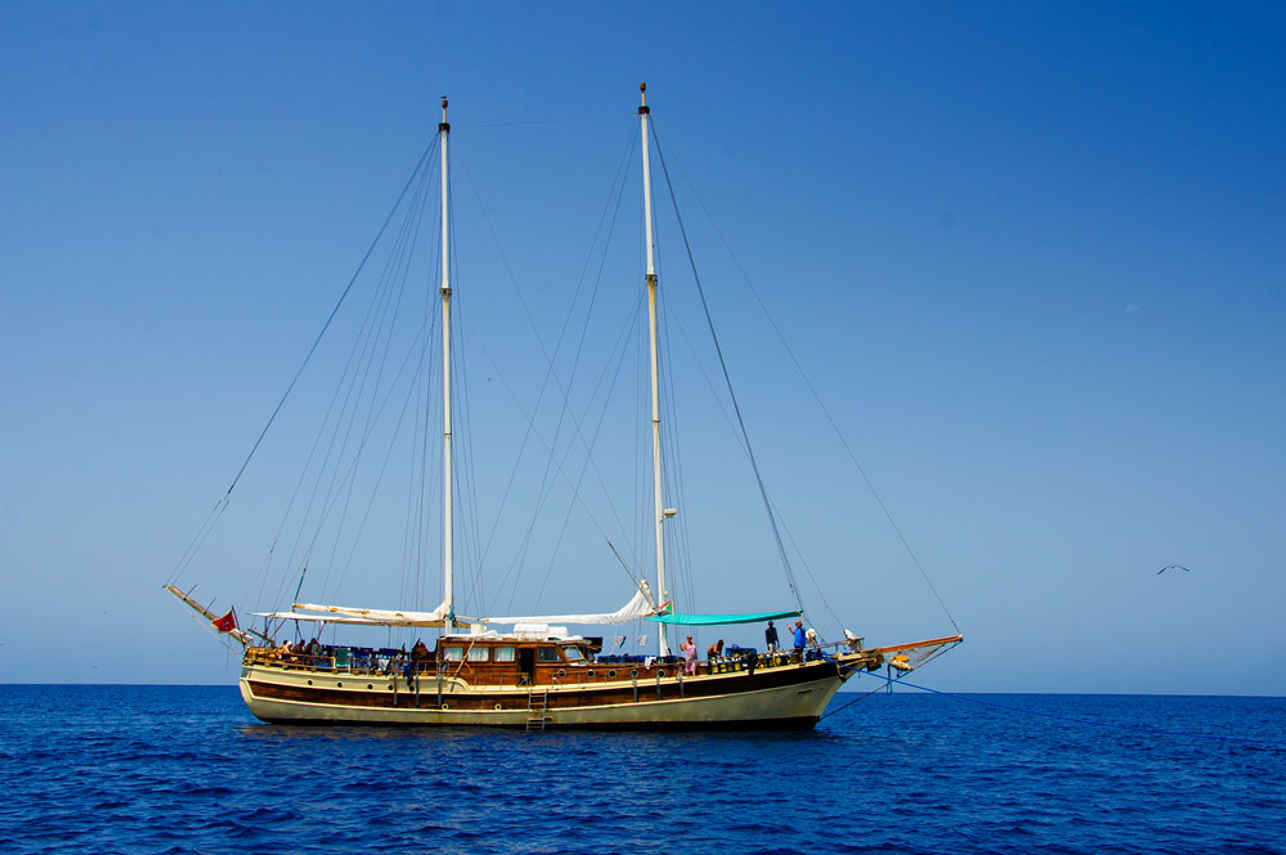
Elegante
Yibuti
14 huéspedes25 m
€184/día
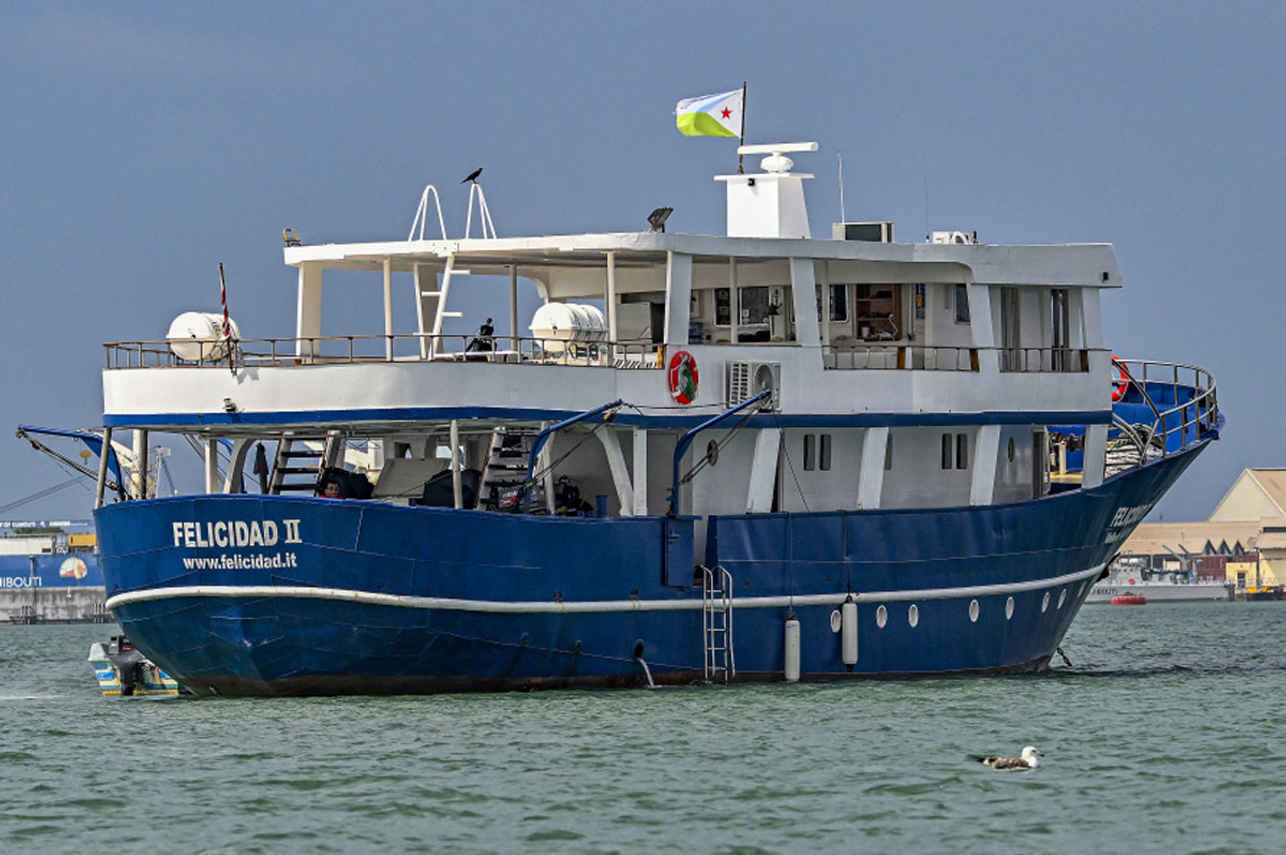
Felicidad II
Yibuti
18 huéspedes30 m
€184/día
Sitios de buceo parecidos a Sawabi Islands
Mismo carácter, mismas aguas: seis sitios más que enamoran por lo mismo.Compara temporadas, accesos y rutas de liveaboard para elegir el sitio ideal para tu viaje.
© Esri — Maxar, Earthstar, GIS
Ghoubbet al Kharab
Yibuti
Ghoubbet al Kharab, también conocido como el Cáliz del Diablo, es una profunda bahía conectada al Gulf of Tadjourah y al océano abierto en Djibouti.
- Apto para
- Avanzado
- Corriente
- Fuerte
- Acceso
- Solo liveaboard
- Profundidad
- 5–200 m
- Tema
- Deriva / Arrecife
© Esri — Maxar, Earthstar, GIS
Pecios de Moucha
Yibuti
Los pecios de Moucha, incluyendo los notables Orchard Reefer y Le Fon, ofrecen una experiencia de buceo distintiva dentro del Golfo de Tadjoura en Yibuti, contrastando con los…
- Apto para
- Avanzado
- Corriente
- Moderada
- Acceso
- Liveaboard o barco diario
- Profundidad
- 5–50 m
- Tema
- Pecio / Arrecife
© Esri — Maxar, Earthstar, GIS
Arrecife Sable Blanc
Yibuti
El arrecife Sable Blanc es un vibrante ecosistema coralino situado en Yibuti, en la confluencia del Mar Rojo y el Golfo de Adén. Este sitio forma parte de la región más amplia del…
- Apto para
- Intermedio
- Corriente
- Fuerte
- Acceso
- Desde costa / barco diario
- Profundidad
- 5–30 m
- Tema
- Deriva / Arrecife
© Esri — Maxar, Earthstar, GIS
Cape Rouge
Yibuti
Cape Rouge es un notable sitio de buceo en Yibuti, conocido por su prístino entorno submarino donde el Mar Rojo se encuentra con el Océano Índico.
- Apto para
- Avanzado
- Corriente
- Suave
- Acceso
- Liveaboard o barco diario
- Profundidad
- 15–40 m
- Tema
- Arrecife
© Esri — Maxar, Earthstar, GIS
La Vierge Rouge
Yibuti
La Vierge Rouge está situado en Yibuti, un destino de buceo único donde el Mar Rojo converge con el Océano Índico.
- Apto para
- Intermedio
- Corriente
- Moderada
- Acceso
- Solo liveaboard
- Profundidad
- 15–40 m
- Tema
- Arrecife
© Esri — Maxar, Earthstar, GIS
Le Sec Aux Boutres
Yibuti
Le Sec Aux Boutres es un destacado sitio de buceo situado cerca de Arta, Yibuti, célebre por su rica biodiversidad marina y sus impresionantes paisajes submarinos.
- Apto para
- Intermedio
- Corriente
- Suave
- Acceso
- Barco diario
- Profundidad
- 10–30 m
- Tema
- Arrecife