Sobre The Quarry
La Isla Wongat, cerca de Madang en Papúa Nueva Guinea, ofrece una fascinante combinación de intriga histórica y ecosistemas marinos vibrantes. Esta zona es notable por albergar una importante reliquia de la Segunda Guerra Mundial, un bombardero B-25, que se posó intencionadamente en un estrecho poco profundo entre la Isla Wongat y el continente. Esta aeronave preservada, con su morro arrugado y sus ametralladoras visibles, se ha transformado en un arrecife artificial, invitando a los buceadores a explorar su pasado mientras la vida marina prospera dentro de su estructura, incluyendo peces loro pastando en corales y peces ángel nadando a través de las puertas de la bodega de bombas. Además del bombardero, el sitio cuenta con el “Henry Leith”, un carguero costero de 33 metros hundido para buceadores en la década de 1980, que descansa a 20 metros en el lado occidental de la isla. Este pecio está completamente cubierto por una diversa variedad de corales, como árboles de coral negro, corales blandos, gorgonias y látigos de mar. Sus bodegas contienen restos de un camión, cabrestantes y otros equipos, proporcionando amplias oportunidades de exploración. La zona está repleta de vida marina, incluyendo jureles, peces murciélago, pargos, peces león y labios dulces, junto con criaturas más pequeñas como nudibranquios, camarones y peces halcón nariz larga. Las inmersiones alrededor de la Isla Wongat combinan la exploración histórica con una rica biodiversidad, convirtiéndola en un destino atractivo tanto para entusiastas de los pecios como para observadores de vida marina. Los sitios de buceo son generalmente accesibles, con el Henry Leith ofreciendo una inmersión fácil adecuada para muchos niveles de habilidad. Los pecios se encuentran en aguas tranquilas y protegidas, asegurando excelentes condiciones para la exploración y la fotografía submarina, con profundidades que varían desde el bombardero poco profundo hasta el carguero a 20 metros. Una inmersión típica dura entre 45 y 60 minutos, y el sitio es adecuado para todos los niveles de buceadores. Tu inmersión comienza con un corto viaje en barco hasta el sitio resguardado, seguido de una entrada con un gran paso y un descenso tranquilo hacia la pendiente arenosa donde descansa el bombardero. Normalmente, explorarás primero la sección trasera del avión, moviéndote a lo largo del fuselaje para observar su estructura intacta, incluyendo la cabina y las ametralladoras.
Destacados
Pecio del bombardero B-25 de la SGMPecio del carguero Henry LeithAbundantes corales blandosBodegas cubiertas de coralPez halcón nariz largaAmetralladoras visiblesÁrboles de coral negroNudibranquios vibrantes
Calendario por meses
Mejores meses para bucear
Ene
Feb
Mar
Abr
May
Jun
Jul
Ago
Sep
Oct
Nov
Dic
Excelente
Bueno
Datos del punto de buceo: The Quarry
- Profundidad
- 15–22 m
- Inmersión típica
- 15–22 m, 45–60 min
- Corriente
- Suave a none
- Visibilidad
- 25–40 m
- Temperatura del agua
- 27–30°C
- Entrada
- Barco / easy descent
- Nivel
- Todos los niveles
- Tipo de buceo
- Pecio, Arrecife, history
- Buceo nocturno
- Possible
- Región / puerto
- Madang, Papua New Guinea
- Coordenadas
- -6.3693, 149.4985
Condiciones y corrientes
Las zonas de buceo alrededor de la Isla Wongat, especialmente cerca del bombardero B-25, están bien protegidas dentro de la Laguna de Madang, lo que resulta en corrientes típicamente suaves o inexistentes. Este entorno tranquilo garantiza una experiencia de buceo relajada y segura, adecuada para todos los niveles, incluso para quienes se inician en la exploración de pecios. La excelente visibilidad se mantiene gracias a la naturaleza protegida de la laguna, permitiendo una exploración sin prisas y sin preocupaciones por la deriva. Las entradas y salidas son sencillas, facilitando los intervalos en superficie. La temperatura del agua oscila entre 27 y 30°C, y la visibilidad suele ser de 25 a 40 metros, mejorando tu experiencia.
Vida marina y probabilidad de avistamiento
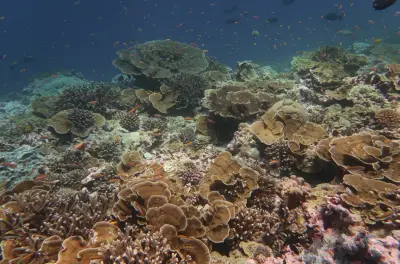
Tropical reef fish
frecuente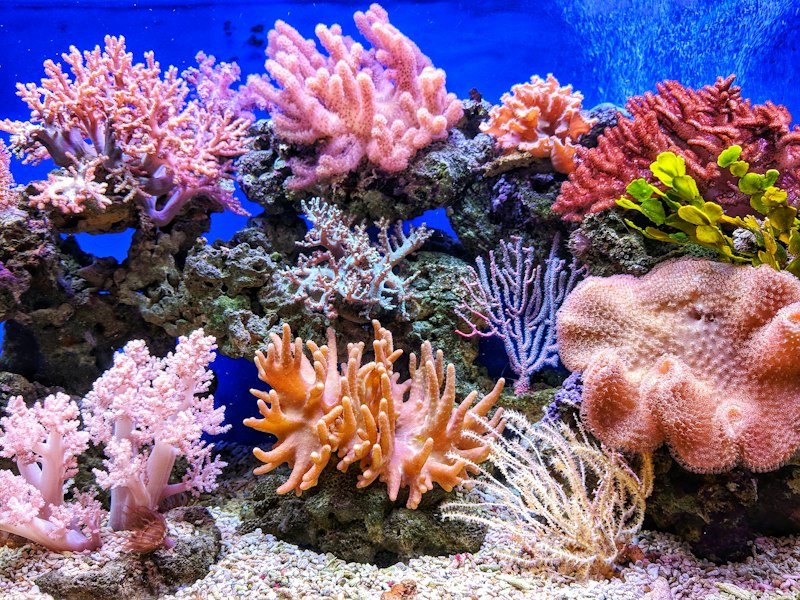
Soft corals
frecuente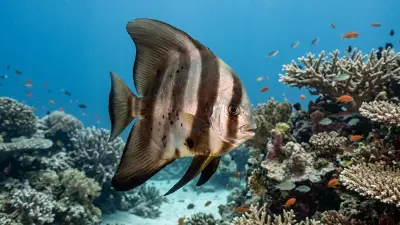
Batfish
ocasional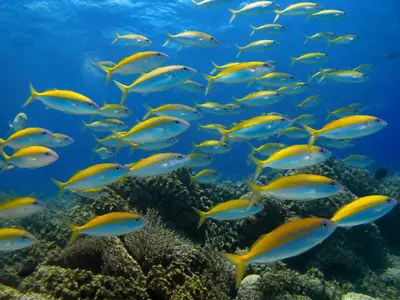
Fusiliers
ocasional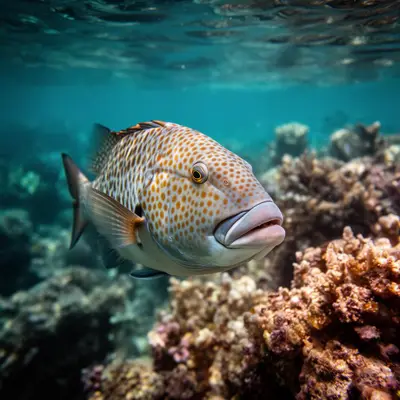
Sweetlips
ocasional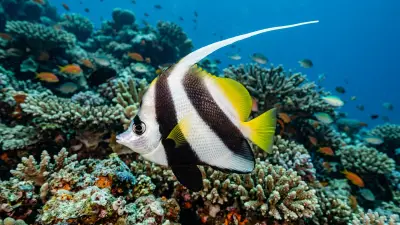
Bannerfish
ocasional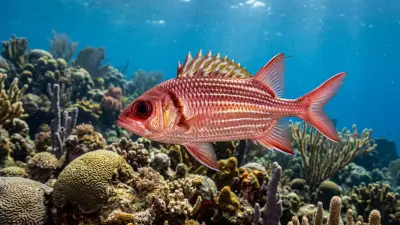
Squirrelfish
ocasional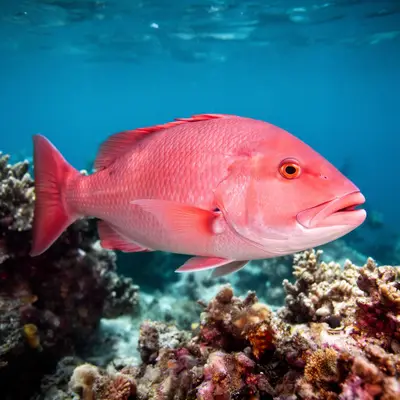
Snappers
ocasional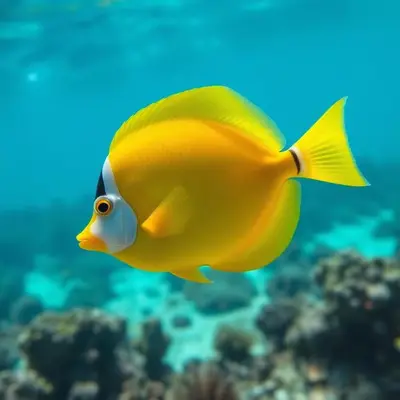
Surgeonfish
ocasional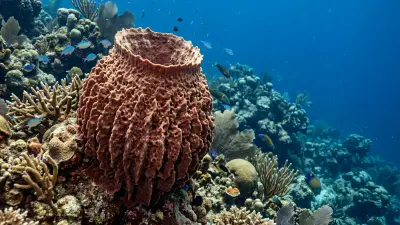
Barrel sponges
ocasional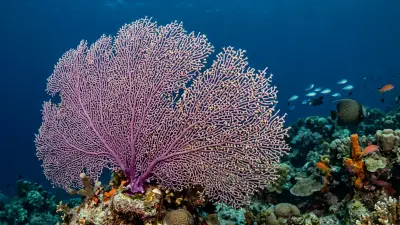
Gorgonians
ocasional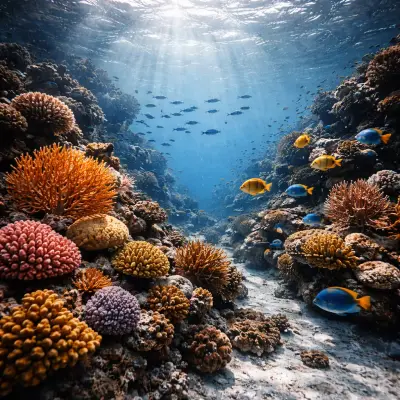
Whip corals
ocasionalPerfil de la inmersión
Your dive at The Quarry typically begins with a short boat ride from a local dive center in Madang. Upon arrival at the sheltered site, you'll make a giant stride entry, initiating a calm descent towards the sandy slope that characterizes this location. Depths range from 15 to 22 meters, allowing for extended exploration time. The dive route generally involves navigating around the remnants and structures that have been colonized by marine life, observing the vibrant reef fish and corals. You'll have ample opportunity for photography due to the excellent visibility and minimal current. As your bottom time or air supply dictates, you'll begin a slow, controlled ascent along the slope, concluding with a safety stop typically performed near the top of any reef structure or along the shallow fringing corals of the nearby island before surfacing.
Fotografía submarina
The Quarry is an excellent site for wide-angle photography, especially if capturing the full scope of any historical wreckage or the general topography that gives the site its name. The clear, calm waters and abundant marine life also make it suitable for macro photography of critters nestled among the corals and structures. Consider bringing a fisheye or wide-angle lens to frame the larger scenes, and a macro lens for detail shots of nudibranchs, shrimps, or colorful reef fish. Natural light is often sufficient in the shallower areas, but strobes will enhance color and detail, particularly at deeper points or when capturing subjects under ledges. Maintaining good buoyancy is crucial to avoid stirring up the sandy bottom and to protect the delicate corals that have grown on the historical elements.
Combina con estos puntos cercanos
- Wongat Island
Home to the B-25 bomber wreck and Henry Leith freighter.
- Henry Leith
A scuttled coastal freighter at 20m, overgrown with corals.
- B-25F Black Jack Bomber Wreck
A WWII bomber resting on a sandy slope, 15-22m.
- Barracuda Point
Known for dense schools of trevally and barracuda.
- Fathers Reef
Series of coral pinnacles with abundant shark sightings.
Cómo llegar y logística
To reach The Quarry, you'll typically fly into Jacksons International Airport (POM) in Port Moresby, Papua New Guinea, from international hubs like Singapore or Australia. From Port Moresby, connecting flights on local carriers such as Air Niugini will take you to Madang, the main regional hub. Dive operations, like Niugini Dive Adventures, are based at resorts in Madang, which is conveniently located near major dive sites in the Madang Lagoon and within an hour of offshore islands. Day trips are common, with dive packages often bundled with accommodation for 3 to 6 nights, including 6 to 10 dives. An environmental and safety fee of US$7.00 per diver per day is compulsory and collected upon departure.
Seguridad y medio ambiente
For dive emergencies in Papua New Guinea, recompression chambers are available, with the nearest likely located in Port Moresby, though evacuation realities can be challenging depending on the remote location. It is strongly advised that all divers carry comprehensive dive insurance that covers medical emergencies, recompression, and emergency evacuation. At The Quarry, the calm and sheltered conditions minimize inherent risks, but standard safe diving practices must always be followed. Conduct rules include maintaining neutral buoyancy to avoid contact with the delicate marine life and historical artifacts, and respecting the underwater environment. Always dive with a reputable operator and a qualified dive guide who is familiar with the site and local conditions.
Para quién sí — y para quién no
Recomendado para
- Beginner divers seeking calm conditions
- Wreck enthusiasts interested in WWII history
- Underwater photographers capturing macro and wide-angle scenes
- Divers preferring minimal current
- Marine life observers enjoying diverse reef ecosystems
Menos indicado para
- Divers seeking strong drift dives
- Those prioritizing large pelagic action exclusively
- Experienced divers looking for technically challenging dives
- Divers averse to historical wreck sites
- Individuals who dislike calm, shallow diving
Preguntas frecuentes
Preguntas sobre The Quarry
What kind of wreck can I expect to see at The Quarry?
The Quarry is located near historical sites like the B-25 bomber wreck. While 'The Quarry' itself refers to an area potentially shaped by human activity during WWII, the diving experience here is closely associated with exploring remnants from that era that have become artificial reefs. Expect to see historical structures colonized by marine life rather than a conventional, intact shipwreck.
Are there strong currents at The Quarry?
No, The Quarry is situated in a sheltered part of the Madang Lagoon, meaning currents are typically mild to non-existent. This makes it an ideal dive site for those who prefer calm conditions, beginners, or photographers who need stable environments for their shots. You can enjoy an unhurried exploration without concerns about strong water movement.
What is the visibility like at this dive site?
Visibility at The Quarry is generally excellent, often ranging from 25 to 40 meters. The protected nature of the lagoon contributes to these clear conditions, offering fantastic views of the historical elements and the thriving marine ecosystem. This high visibility enhances the overall diving and photography experience.
Is The Quarry suitable for all levels of divers?
Yes, The Quarry is well-suited for divers of all experience levels, including those new to wreck diving or new to the area. The mild to non-existent currents, shallow to moderate depths (15-22 meters), and generally excellent visibility create a relaxed and safe environment. Dive operators provide easy boat entries and guidance for a comfortable experience.
What marine life can I expect to encounter?
The Quarry teems with diverse tropical reef fish, including batfish, fusiliers, sweetlips, snappers, and surgeonfish. The historical structures are adorned with healthy soft corals, barrel sponges, gorgonians, and whip corals, providing homes for various smaller critters. While large pelagics are occasional in the wider region, this sheltered site focuses more on reef biodiversity.
¿Por qué bucear The Quarry en liveaboard?
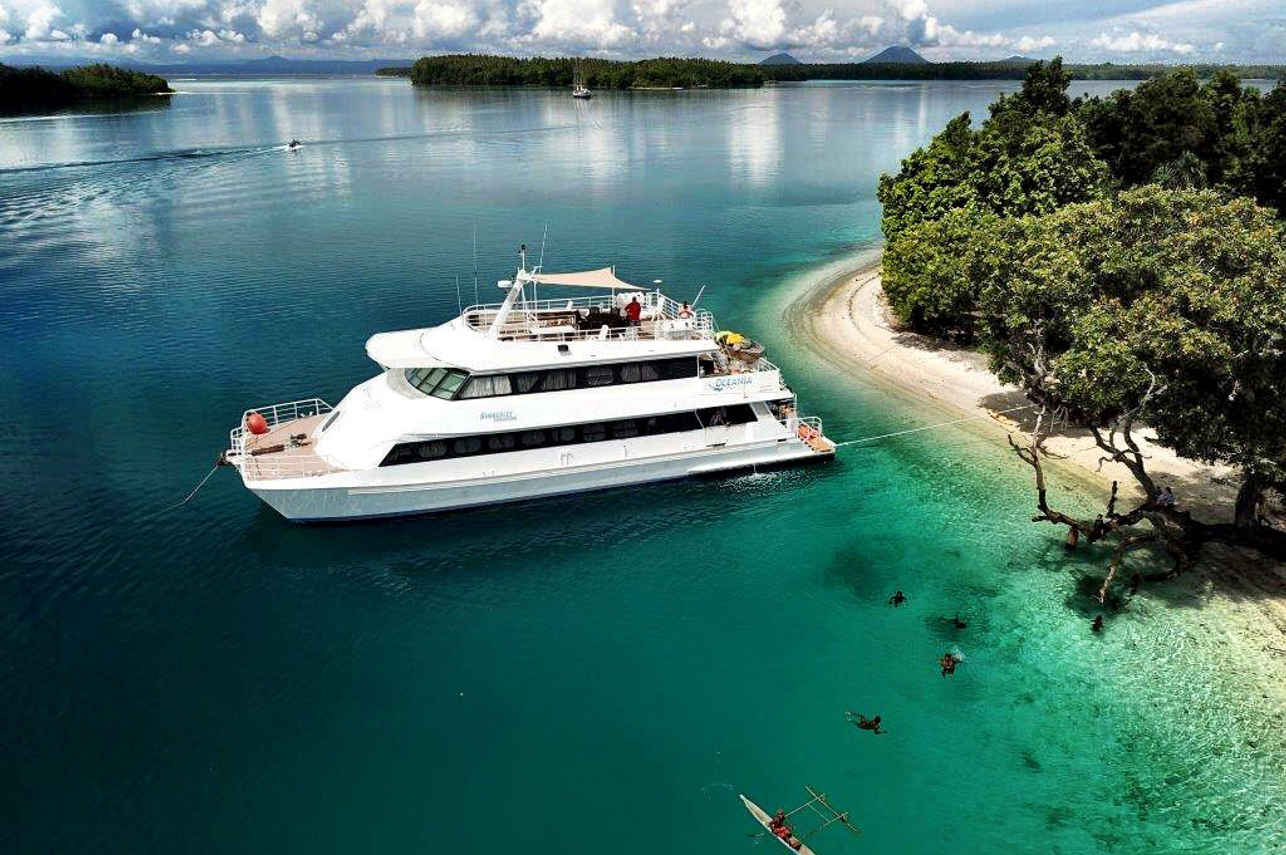
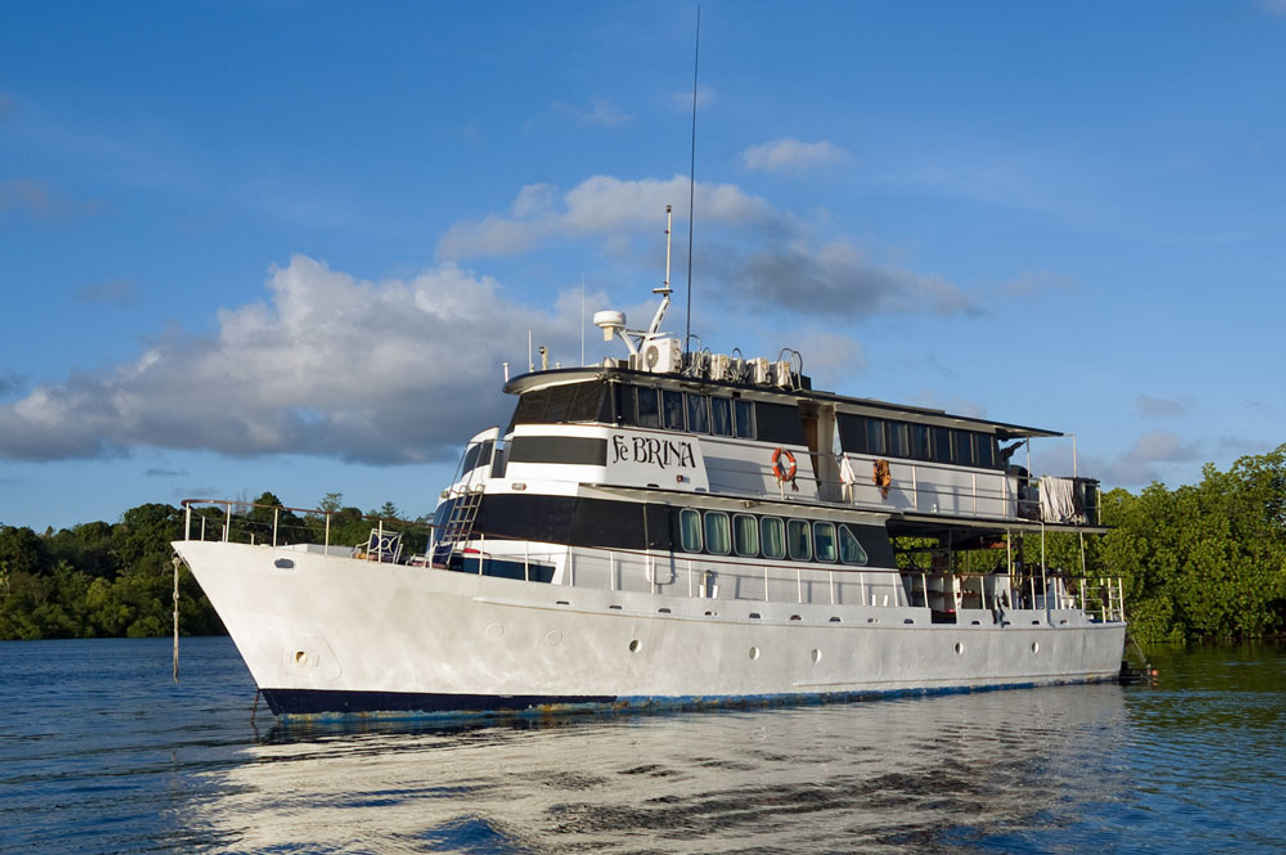
The Quarry es uno de los sitios emblemáticos de Papúa Nueva Guinea. Un liveaboard te aloja en el agua y te ofrece de tres a cuatro inmersiones guiadas al día, incluyendo amanecer y nocturnas que los operadores de día rara vez ofrecen. Evitas el regreso diario a puerto y alcanzas sitios más tranquilos en la misma región en un solo viaje.
Abajo están los liveaboards que incluyen The Quarry en sus itinerarios por Papúa Nueva Guinea.
Liveaboards en The Quarry
Estos barcos de buceo pueden visitar The Quarry en itinerarios seleccionados: los puntos exactos dependen de la salida, el clima y las condiciones.
Sitios de buceo parecidos a The Quarry
Mismo carácter, mismas aguas: seis sitios más que enamoran por lo mismo.Compara temporadas, accesos y rutas de liveaboard para elegir el sitio ideal para tu viaje.
© Esri — Maxar, Earthstar, GIS
Gigantes en Casa
Papúa Nueva Guinea
Giants at Home es un punto de buceo único enclavado en una bahía protegida y poco profunda dentro de Milne Bay, Papúa Nueva Guinea, conocido específicamente por ser una próspera estación de limpieza de mantarrayas.
- Apto para
- Principiante
- Corriente
- Suave
- Acceso
- Solo liveaboard
- Profundidad
- 1–8 m
- Tema
- Arrecife
© Esri — Maxar, Earthstar, GIS
Arrecife de la Isla Lissenung
Papúa Nueva Guinea
El Arrecife de la Isla Lissenung es el arrecife de la casa que rodea aproximadamente dos tercios de la Isla Lissenung, ubicada cerca de Kavieng en Papúa Nueva Guinea.
- Apto para
- Principiante
- Corriente
- Moderada
- Acceso
- Desde costa / barco diario
- Profundidad
- 2–10 m
- Tema
- Arrecife
© Esri — Maxar, Earthstar, GIS
Banana Bommie
Papúa Nueva Guinea
Banana Bommie es un sitio de buceo prominente y muy valorado, situado en la desembocadura norte de la Bahía de Milne, Papúa Nueva Guinea.
- Apto para
- Avanzado
- Corriente
- Moderada
- Acceso
- Solo liveaboard
- Profundidad
- ≤ 40 m
- Tema
- Arrecife / Pináculo
© Esri — Maxar, Earthstar, GIS
End Bommie
Papúa Nueva Guinea
End Bommie es un reconocido sitio de buceo ubicado en la bahía de Bootless, cerca de Port Moresby, Papúa Nueva Guinea.
- Apto para
- Avanzado
- Corriente
- Fuerte
- Acceso
- Liveaboard o barco diario
- Profundidad
- 6–30 m
- Tema
- Arrecife / Pared
Lauadi es un célebre punto de buceo dentro de Milne Bay, Papúa Nueva Guinea, reconocido específicamente como el origen del buceo muck.
- Apto para
- Principiante
- Corriente
- Moderada
- Acceso
- Desde costa / barco diario
- Profundidad
- 8–25 m
- Tema
- Arrecife
© Esri — Maxar, Earthstar, GIS
Pecio George's
Papúa Nueva Guinea
El pecio George's es un sitio de buceo de renombre cerca de Rabaul en Papúa Nueva Guinea, famoso por su significado histórico como un minador japonés que, según los informes, encalló tras un ataque aliado.
- Apto para
- Avanzado
- Corriente
- Moderada
- Acceso
- Solo liveaboard
- Profundidad
- 12–60 m
- Tema
- Pecio / Arrecife