Bluerides – Blue Rides - Book Liveaboards worldwideOCEAN ADVENTURES
River CruisesRiversNature & WildlifeOur Promise
River CruisesRiversNature & WildlifeOur PromiseSign In

River destinations

  • River destinations
  • Amazon
  • Danube
  • Rhine
  • Mekong
  • Nile

Ships & departures

  • River Cruise Search
  • Deals

Nature & Wildlife

  • Nature & Wildlife

Travel support

  • Our Promise
  • Contact

Contact

Get in Touch

Get in touch anytime, we're happy to help you find the right trip or sort out any question.

EmailWrite us, we usually reply within a few hours.
contact@bluerides.com
WhatsAppChat with us on WhatsApp, Mon–Fri 10:00–16:00 (CET).
Start WhatsApp Chat
PhoneCall us, we're happy to help.
Free call, Mon–Fri 10 AM – 8 PM (CET).
Europe+49 800 1144 990USA+1 888 557 7735UK+44 800 707 4152Australia+61 2 8599 6113Canada+1 888 557 7735
Which river journey is yours?Answer 8 quick questions and find the river cruise that fits you.
8 questions, 1 minute·Plus Gift
Secure Payment MethodsYour payments are fully secured with AES-256 encryption.
Powered byStripeWiseAMEXPayGoogle PaySEPABank
Imprint·Terms & Conditions·Privacy Policy·About·Contact·Liability Waiver·Affiliate Program·Cruise·Blog·
Visit us here

© 2026 Blue Rides. All rights reserved.

Bluerides – Blue Rides - Book Liveaboards worldwideOCEAN ADVENTURES
River CruisesRiversNature & WildlifeOur Promise
River CruisesRiversNature & WildlifeOur PromiseSign In
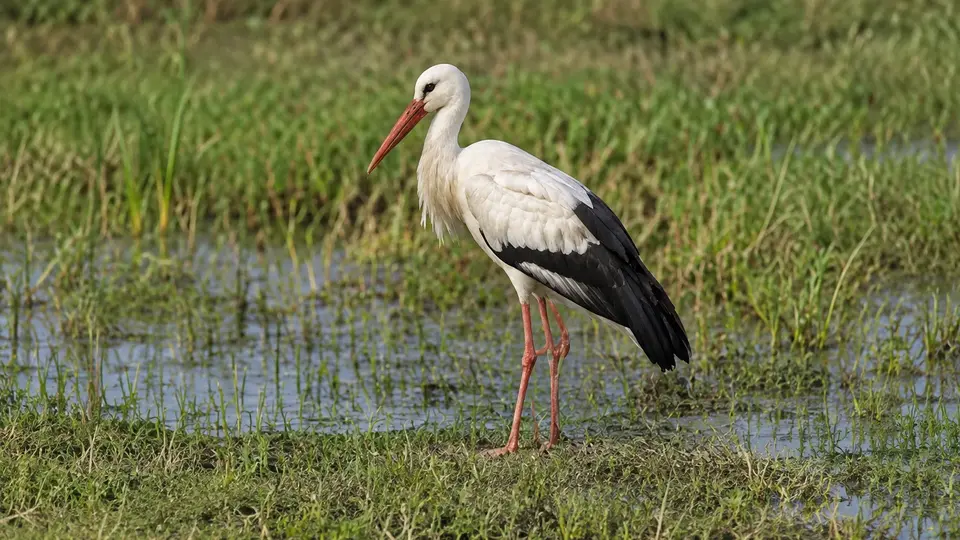
White stork in wetland habitat — Danube, Rhine, River Cruises wildlifeAI-modified
Home›River Cruises›River Wildlife›White Stork

White StorkCiconia ciconiaWhere and when to see them

Previous speciesWhiskered TernNext speciesWhite Wagtail

White Stork at a glance

The White Stork is a large black-and-white bird with red legs and bill. Its familiar silhouette should not encourage broad river promises: the Danube location is the Romanian delta, while the Rhine entry concerns Augst–Whylen upstream of Basel. These two occurrence records represent separate viewing settings. Species reference: https://www.bto.org/learn/about-birds/birdfacts/white-stork

Behaviour & reproduction

Size
Species-specific length not verified.
Weight
3.3 kg (7.3 lb); BTO reference value.
Lifespan
Species-specific lifespan not verified.
Status
Global Least Concern, as listed by BTO.

White Storks search open ground and can gather at productive feeding sites. BTO describes changes in Portuguese migration associated with landfill feeding. That example illustrates behavioural flexibility, not year-round residence at either registered river location.

Top wildlife locations

Danube river landscape — River Cruises wildlife habitatAI-modified

Danube

Romania: Danube Delta around Mahmudia and delta lakes/channels; separate lower-Danube/delta itinerary, NOT Passau–Vienna–Bratislava–Budapest. Spring/summer; delta villages and wet meadows. Checklist establishes occurrence, not guaranteed daily sightings.
Explore river cruises
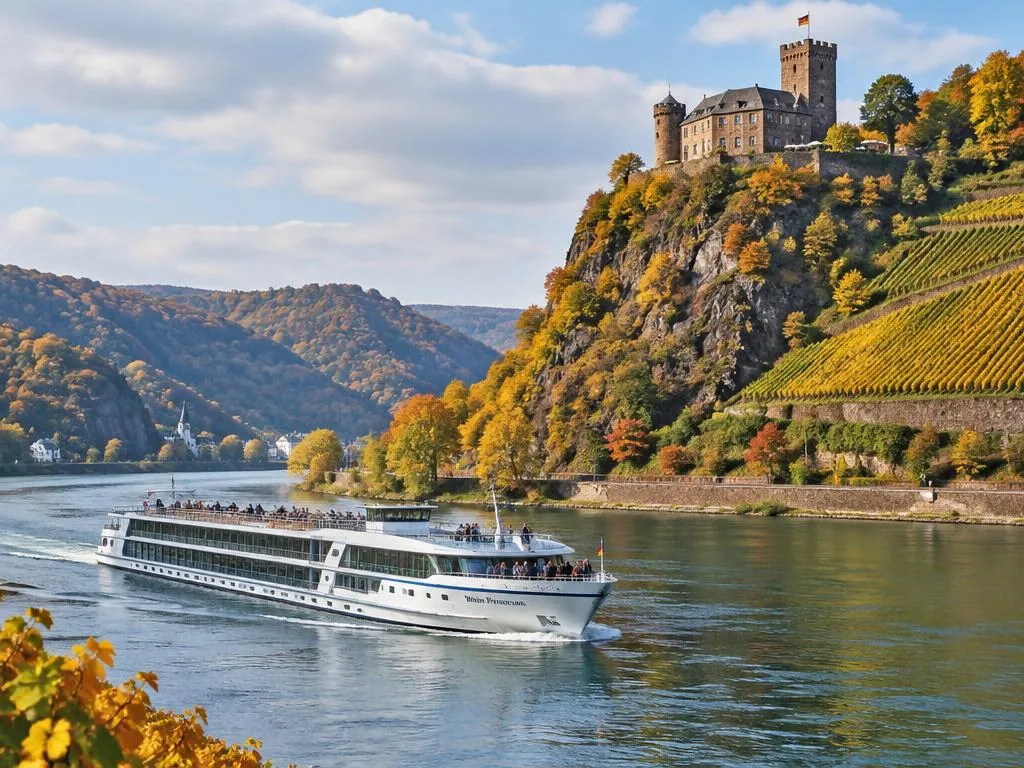
Rhine river landscape — River Cruises wildlife habitatAI-modified

Rhine

Basel vicinity: Rhine at Augst–Whylen / Ergolz mouth and Altrhein, upstream of Basel; optional shore/hide excursion. Occurrence list; chiefly passage or winter waterbird watching here, uncommon visitors not guaranteed.

Explore river cruises

Destinations describe the species' habitat, not guaranteed cruise stops. Some animals require an optional inland excursion or are found in restricted reserves.

Fun facts about the White Stork

  • Adults have a red bill.
  • The legs are red.
  • Black flight feathers contrast with the white body.
  • Some Portuguese birds have altered migration behaviour.
  • BTO links that change to landfill food.
  • The Danube record is delta-specific.
  • The Rhine record is upstream of Basel.

Best time to see the White Stork

The delta registry suggests spring and summer; the Rhine source is an occurrence list. Neither supplies a recurring numerical local calendar. Portuguese residency cannot be transferred to these reaches. Both month arrays remain empty.

White Stork: season matrix by destination

Highlighted months reflect the stated local evidence, not guaranteed encounters. Neutral months mean no verified monthly viewing window, not absence. Observation records and recommended viewing windows are distinct.

Danube

A recurring numerical observation calendar for this exact reach was not verified. The cited source supports occurrence only; survey, breeding and individual trip dates are not converted into months.

JanFebMarAprMayJunJulAugSepOctNovDec
Explore river cruises

Rhine

A recurring numerical observation calendar for this exact reach was not verified. The cited source supports occurrence only; survey, breeding and individual trip dates are not converted into months.

JanFebMarAprMayJunJulAugSepOctNovDec
Explore river cruises

Where the White Stork lives

Wet meadows and village surroundings are the relevant delta viewing context. The Rhine site combines the Ergolz mouth and Altrhein habitats. The source lists do not establish an occupied nest at either visitor viewpoint.

What the White Stork eats

A source-verified detailed prey list was not obtained in this research pass. BTO documents landfill-associated feeding opportunities in Portugal, but that should not be represented as the diet of delta or Rhine birds. Local food proportions are not verified.

Species at a glance

Common name
White Stork
Scientific name
Ciconia ciconia
Animal group
Birds
Size
Species-specific length not verified.
Weight
3.3 kg (7.3 lb); BTO reference value.
Lifespan
Species-specific lifespan not verified.
Status
Global Least Concern, as listed by BTO.
Identification
Look for a large white bird with contrasting black flight feathers and long red legs and bill. Flight views can reveal the extensive black wing areas. Check the whole bird rather than identifying a distant pale silhouette solely because a stork is expected.

White Stork: frequently asked questions

Where can I see the White Stork?
Danube, Rhine. Scan wet meadows and village edges on the delta excursion, and use authorised Rhine viewpoints near Augst–Whylen. Keep away from nests and avoid entering feeding fields. A distant white bird should be checked for wing pattern and proportions.
When is the best time to see the White Stork?
The delta registry suggests spring and summer; the Rhine source is an occurrence list. Neither supplies a recurring numerical local calendar. Portuguese residency cannot be transferred to these reaches. Both month arrays remain empty.
How big does the White Stork get?
Species-specific length not verified.. Adult weight: 3.3 kg (7.3 lb); BTO reference value.. Size varies with age, sex and population.
How should I behave around the White Stork?
Scan wet meadows and village edges on the delta excursion, and use authorised Rhine viewpoints near Augst–Whylen. Keep away from nests and avoid entering feeding fields. A distant white bird should be checked for wing pattern and proportions.
What does the White Stork eat?
A source-verified detailed prey list was not obtained in this research pass. BTO documents landfill-associated feeding opportunities in Portugal, but that should not be represented as the diet of delta or Rhine birds. Local food proportions are not verified.
Are wildlife sightings guaranteed on a river cruise?
No. Animals move freely and routes, weather, access restrictions and local conditions influence every outing. Confirm the actual itinerary and shore program before booking.

Compare wildlife in the same destinations

Explore other birds recorded in these destinations. Similar surroundings do not mean the animals share the same habits or viewing season.

Species comparison by animal group and destination
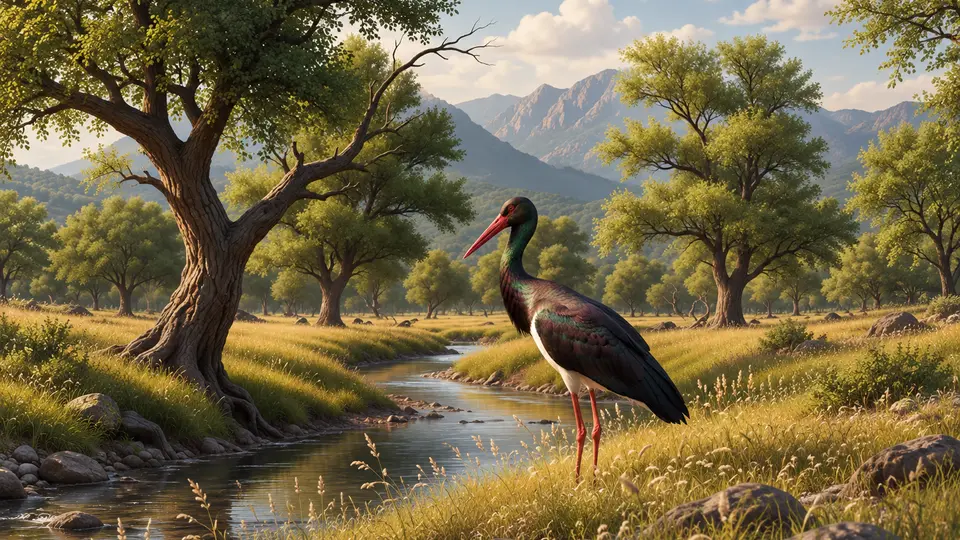
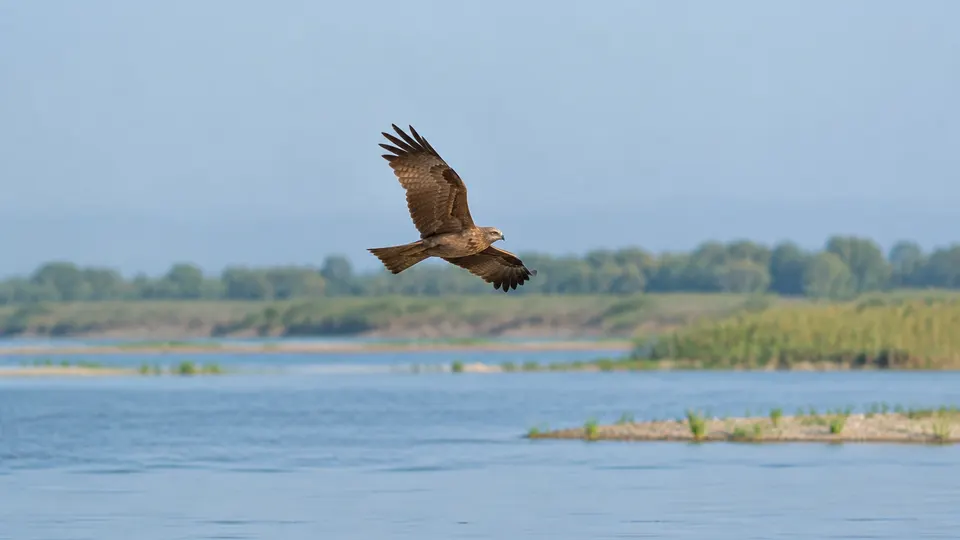
White stork in wetland habitat — Danube, Rhine, River Cruises wildlifeAI-modifiedWhite StorkBlack kite in wetland habitat — Danube, Rhine, River Cruises wildlifeAI-modifiedBlack KiteBlack stork in wetland habitat — Danube, River Cruises wildlifeAI-modifiedBlack Stork
Animal groupBirdsAnimal groupBirdsAnimal groupBirds
DestinationsDanube, RhineDestinationsDanube, RhineDestinationsDanube
Scientific name
Ciconia ciconia
Scientific name
Scientific name
Previous speciesWhiskered TernNext speciesWhite Wagtail
All river wildlife
On this page
  • 01About
  • 02Behaviour & reproduction
  • 03Top wildlife locations
  • 04Fun facts
  • 05Best season
  • 06Season matrix by destination
  • 07Habitat
  • 08Diet
  • 09Species at a glance
  • 10Questions & answers
  • 11Compare

Find your river cruise

AI-modified
Plan your trip

Find your next river journey

Compare destinations, shore programs and dates with the animals and habitats you would love to see.

  • Daily shore excursions
  • Responsible wildlife watching
  • Boutique river ships
Explore river cruises