Bluerides – Blue Rides - Book Liveaboards worldwideOCEAN ADVENTURES
River CruisesRiversNature & WildlifeOur Promise
River CruisesRiversNature & WildlifeOur PromiseSign In

River destinations

  • River destinations
  • Amazon
  • Danube
  • Rhine
  • Mekong
  • Nile

Ships & departures

  • River Cruise Search
  • Deals

Nature & Wildlife

  • Nature & Wildlife

Travel support

  • Our Promise
  • Contact

Contact

Get in Touch

Get in touch anytime, we're happy to help you find the right trip or sort out any question.

EmailWrite us, we usually reply within a few hours.
contact@bluerides.com
WhatsAppChat with us on WhatsApp, Mon–Fri 10:00–16:00 (CET).
Start WhatsApp Chat
PhoneCall us, we're happy to help.
Free call, Mon–Fri 10 AM – 8 PM (CET).
Europe+49 800 1144 990USA+1 888 557 7735UK+44 800 707 4152Australia+61 2 8599 6113Canada+1 888 557 7735
Which river journey is yours?Answer 8 quick questions and find the river cruise that fits you.
8 questions, 1 minute·Plus Gift
Secure Payment MethodsYour payments are fully secured with AES-256 encryption.
Powered byStripeWiseAMEXPayGoogle PaySEPABank
Imprint·Terms & Conditions·Privacy Policy·About·Contact·Liability Waiver·Affiliate Program·Cruise·Blog·
Visit us here

© 2026 Blue Rides. All rights reserved.

Bluerides – Blue Rides - Book Liveaboards worldwideOCEAN ADVENTURES
River CruisesRiversNature & WildlifeOur Promise
River CruisesRiversNature & WildlifeOur PromiseSign In
Eurasian Blue Tit in wetland habitat — Saone, River Cruises wildlifeAI-modified
Home›River Cruises›River Wildlife›Eurasian Blue Tit

Eurasian Blue TitCyanistes caeruleusWhere and when to see them

Previous speciesEurasian BlackcapNext speciesEurasian Coot

Eurasian Blue Tit at a glance

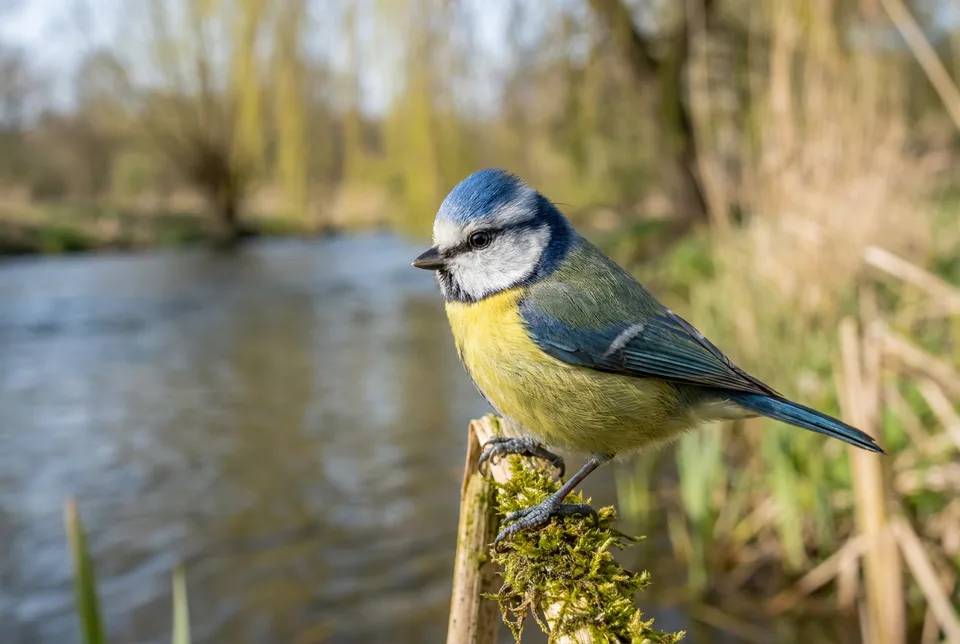
The Eurasian Blue Tit brings a vivid combination of blue, yellow, green and white to riverside trees. Its small size makes it easy to overlook until it moves through outer branches. The registered lower-Saône experience is a shore walk on the Grand Lyon promenade, not a waterbird search from the ship. Species background source: https://www.rspb.org.uk/birds-and-wildlife/blue-tit

Behaviour & reproduction

Size
Approximately 12 cm (4.7 in) body length (RSPB).
Weight
not verified
Lifespan
not verified
Status
UK Green according to RSPB; French and global assessment not verified.

RSPB describes winter family flocks joining other tits while searching for food. Agile clinging and quick movements can make individuals hard to follow through foliage. Watching a whole moving group can be more productive than continually relocating one bird. Mixed-flock behaviour in Britain does not establish the composition of a local French flock.

Top wildlife locations

Saone river landscape — River Cruises wildlife habitatAI-modified

Saone

Lower Saône: Grand Lyon Rives de Saône promenade, Rochetaillée-sur-Saône–Fontaines-sur-Saône–Lyon, upstream of the Rhône confluence. Viewing: Riverside trees; year-round shore walk.
Explore river cruises

Destinations describe the species' habitat, not guaranteed cruise stops. Some animals require an optional inland excursion or are found in restricted reserves.

Fun facts about the Eurasian Blue Tit

  • The body is about 12 cm (4.7 in) long.
  • Its face is white with a dark eye stripe.
  • The crown and wings are blue.
  • The underside is yellow.
  • Its bill is short and fine.
  • Winter groups may mix with other tits.
  • Riverside tree watching is more useful than open-water scanning.

Best time to see the Eurasian Blue Tit

The registry describes year-round shore-walk opportunities. However, no independent recurring calendar for this precise lower-Saône reach was verified. General residency elsewhere and a British monthly distribution panel are not substitutes. All month arrays remain empty; the registry guidance is retained as qualitative planning context rather than upgraded to twelve verified months.

Eurasian Blue Tit: season matrix by destination

Highlighted months reflect the stated local evidence, not guaranteed encounters. Neutral months mean no verified monthly viewing window, not absence. Observation records and recommended viewing windows are distinct.

Saone

Registry suggests year-round tree watching; municipality supports the route only. Independent recurring species months not verified.

JanFebMarAprMayJunJulAugSepOctNovDec
Explore river cruises

Where the Eurasian Blue Tit lives

Woodland, hedgerows, parks and gardens are recognised habitat. On the lower Saône, wooded sections between Rochetaillée, Fontaines and Lyon offer the relevant structure. Mature trees and smaller branches provide different search surfaces from open lawns or bare quays. The species registry, not a country map, supplies this profile's reach limitation.

What the Eurasian Blue Tit eats

RSPB highlights the short fine bill and its use when feeding on nuts. The retrieved passages do not provide a complete natural dietary breakdown, and a feeder observation should not stand in for a measured riverside diet. Local food proportions, seasonal prey and dependence on supplementary feeding were not verified.

Species at a glance

Common name
Eurasian Blue Tit
Scientific name
Cyanistes caeruleus
Animal group
Birds
Size
Approximately 12 cm (4.7 in) body length (RSPB).
Weight
not verified
Lifespan
not verified
Status
UK Green according to RSPB; French and global assessment not verified.
Identification
Look for a blue crown and wings, yellow underparts and a white face crossed by a dark eye stripe. RSPB also notes the very short thin dark bill. Use the whole head pattern rather than yellow colour alone, since Great Tits and other small birds may occur in the same trees.

Eurasian Blue Tit: frequently asked questions

Where can I see the Eurasian Blue Tit?
Saone. Pause beside wooded sections of the promenade and scan the outer branches for small moving birds. Binoculars help resolve the face pattern, particularly when several tit species travel together. Keep to the walkway and allow flocks to approach naturally. Do not use food to draw birds across busy paths.
When is the best time to see the Eurasian Blue Tit?
The registry describes year-round shore-walk opportunities. However, no independent recurring calendar for this precise lower-Saône reach was verified. General residency elsewhere and a British monthly distribution panel are not substitutes. All month arrays remain empty; the registry guidance is retained as qualitative planning context rather than upgraded to twelve verified months.
How big does the Eurasian Blue Tit get?
Approximately 12 cm (4.7 in) body length (RSPB).. Adult weight: not verified. Size varies with age, sex and population.
How should I behave around the Eurasian Blue Tit?
Pause beside wooded sections of the promenade and scan the outer branches for small moving birds. Binoculars help resolve the face pattern, particularly when several tit species travel together. Keep to the walkway and allow flocks to approach naturally. Do not use food to draw birds across busy paths.
What does the Eurasian Blue Tit eat?
RSPB highlights the short fine bill and its use when feeding on nuts. The retrieved passages do not provide a complete natural dietary breakdown, and a feeder observation should not stand in for a measured riverside diet. Local food proportions, seasonal prey and dependence on supplementary feeding were not verified.
Are wildlife sightings guaranteed on a river cruise?
No. Animals move freely and routes, weather, access restrictions and local conditions influence every outing. Confirm the actual itinerary and shore program before booking.

Compare wildlife in the same destinations

Explore other birds recorded in these destinations. Similar surroundings do not mean the animals share the same habits or viewing season.

Species comparison by animal group and destination
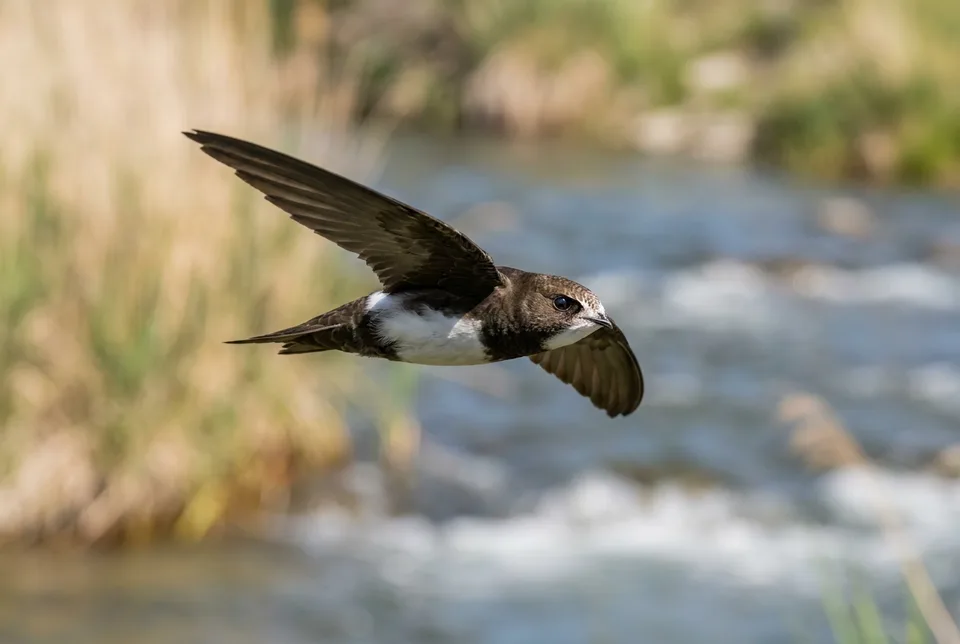
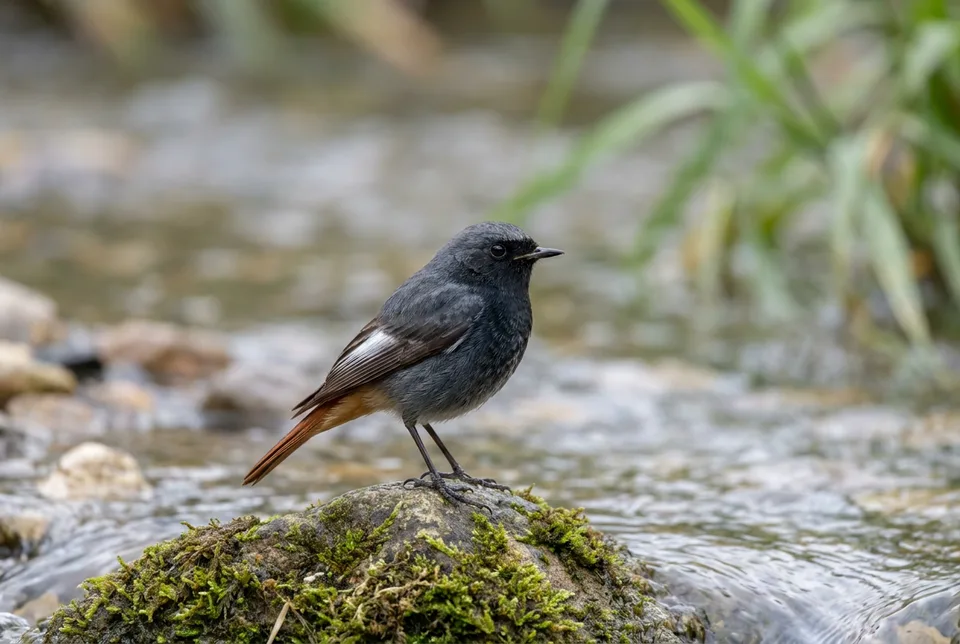
Eurasian Blue Tit in wetland habitat — Saone, River Cruises wildlifeAI-modifiedEurasian Blue TitAlpine Swift in wetland habitat — Saone, River Cruises wildlifeAI-modifiedAlpine SwiftBlack Redstart in wetland habitat — Saone, Douro, River Cruises wildlifeAI-modifiedBlack Redstart
Animal groupBirdsAnimal groupBirdsAnimal groupBirds
DestinationsSaoneDestinationsSaoneDestinationsSaone, Douro
Scientific name
Cyanistes caeruleus
Scientific name
Scientific name
Previous speciesEurasian BlackcapNext speciesEurasian Coot
All river wildlife
On this page
  • 01About
  • 02Behaviour & reproduction
  • 03Top wildlife locations
  • 04Fun facts
  • 05Best season
  • 06Season matrix by destination
  • 07Habitat
  • 08Diet
  • 09Species at a glance
  • 10Questions & answers
  • 11Compare

Find your river cruise

AI-modified
Plan your trip

Find your next river journey

Compare destinations, shore programs and dates with the animals and habitats you would love to see.

  • Daily shore excursions
  • Responsible wildlife watching
  • Boutique river ships
Explore river cruises