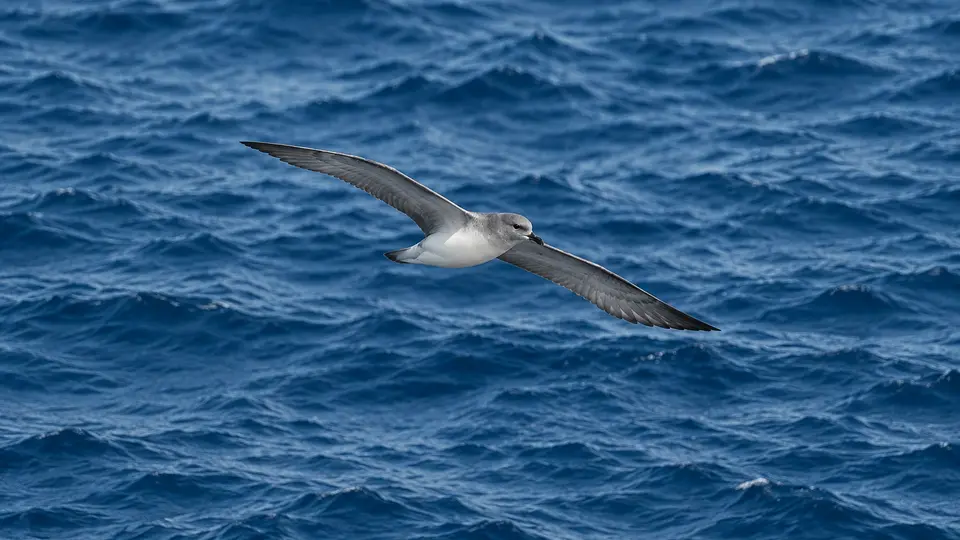
Zino's Petrel in its natural habitatAI-modified

Zino's PetrelPterodroma madeiraWhere and when to see them

Zino's Petrel at a glance

Zino’s Petrel is a small oceanic seabird that breeds only in the high mountains of Madeira. Its tiny breeding population nests in burrows on steep, vegetated ledges, making protection from introduced predators and fire especially important. At sea it ranges over deep Atlantic waters, where its rapid, arcing flight can make identification difficult. Despite its mountain nesting habitat, this is fundamentally a marine bird that spends most of its life away from land.

Behaviour & reproduction

Size
32–34 cm (12.6–13.4 in) long
Weight
175–200 g (6.2–7.1 oz)
Lifespan
Not reliably established
Status
Endangered

At sea, Zino’s Petrels travel with alternating wingbeats and sweeping glides, often banking steeply above the waves. Breeding birds approach their mountain colonies after dark, giving distinctive calls as they circle the cliffs. Pairs lay a single egg and share incubation and chick provisioning. Adults make extended feeding trips between colony visits, so even during the breeding season many individuals are far offshore. Their nocturnal attendance helps reduce exposure to predators at nesting sites. Courtship flights and vocalizations around the colony are most prominent during the early part of the breeding season, particularly from late May to July. Both parents demonstrate strong nest site fidelity, returning to the same burrow year after year if successful. The long incubation period of approximately 50 days and a protracted chick-rearing phase underscore the significant parental investment in a single offspring.

Top wildlife locations

Portugal wildlife habitatAI-modified

Portugal

On Madeira, elevated coastal viewpoints overlook plausible offshore passage waters, but shore sightings are exceptionally rare. Breeding habitat requires an inland mountain excursion; sensitive nesting ledges are restricted and not ordinary visitor destinations.
Destinations describe the species' habitat, not guaranteed cruise stops. Some animals require an optional inland excursion or are found in restricted reserves.

Fun facts about the Zino's Petrel

  • Its entire known breeding population is confined to Madeira’s central mountains.
  • The species is named for Paul Alexander Zino, whose work helped establish its continued survival.
  • Each breeding attempt involves just one egg laid in a burrow.
  • A major fire in Madeira’s mountains in 2010 killed chicks and adults and damaged nesting habitat.

Best time to see the Zino's Petrel

Spring through early autumn overlaps attendance at Madeira’s breeding grounds, with late spring and summer offering the most practical coastal travel window. This does not make shore sightings likely: birds usually remain far offshore, and access to sensitive mountain colonies is tightly controlled. The breeding season typically extends from late May to October, with chicks fledging between late September and mid-November. During the non-breeding season, Zino's Petrels disperse widely across the North Atlantic, with individuals recorded as far west as the coasts of North America and south to the Canary Islands. This extensive oceanic migration makes them particularly challenging to observe outside the breeding period.

Zino's Petrel: season matrix by destination

Travel and observation windows vary by region. Highlighted months are an orientation for planning, not confirmed sightings or a guarantee of access.

Portugal

This is a practical Madeira coastal observation window overlapping the breeding period, not evidence of regular shore sightings. Most birds are encountered far offshore, and distant identification remains difficult.

JanFebMarAprMayJunJulAugSepOctNovDec
Cruise ships in Portugal

Where the Zino's Petrel lives

Breeding habitat consists of soil-bearing ledges on steep cliffs in Madeira’s central mountain massif, generally above 1,600 metres. Away from the colony, the species occupies open Atlantic waters, often far beyond coastal viewpoints. Ordinary beaches and sheltered harbors are not characteristic feeding habitat. The species is endemic to Madeira, making it one of the most geographically restricted seabirds globally. Its specific high-altitude nesting sites are a crucial factor in its survival, offering protection from introduced predators like rats and cats found at lower elevations. This specialized habitat contributes significantly to its critically endangered status.

What the Zino's Petrel eats

Available evidence indicates a diet of small squid, fish, and marine crustaceans obtained at sea. Detailed proportions and feeding ecology remain incompletely known. Birds take prey near the ocean surface, and breeding adults return to their burrows to deliver meals to their chicks. Prey items like small lanternfish and euphausiids (krill) are also thought to be part of their diet, indicating opportunistic foraging on abundant pelagic resources. These petrels are known to forage both solitarily and in association with other seabird species or marine mammals, likely taking advantage of feeding opportunities. While much remains unknown, their foraging behavior is adapted to the open ocean environment.

Species at a glance

Common name
Zino's Petrel
Scientific name
Pterodroma madeira
Animal group
Birds
Size
32–34 cm (12.6–13.4 in) long
Weight
175–200 g (6.2–7.1 oz)
Lifespan
Not reliably established
Status
Endangered
Identification
Compared with Fea’s and Desertas Petrels, Zino’s is generally smaller and more delicate with a slimmer bill, but distant birds often cannot be identified confidently. Key identification features include a diagnostic pale inner primary flash on the underwing and a distinct 'M' pattern across the upperwing formed by darker primaries and secondary coverts. Compared to other Gadfly Petrels, Zino's has a more buoyant and agile flight style, often appearing less powerful than its larger relatives. The overall plumage is dark grey above and white below, with a distinctive dark band across the breast.

Zino's Petrel: frequently asked questions

Where can I see the Zino's Petrel?
Portugal. Use a telescope from a safe Madeira coastal viewpoint, or watch distantly from a permitted vessel’s deck. Identification and sightings are uncertain. Avoid exposed cliff edges, and never approach nesting ledges, use playback, or illuminate colonies. Observing Zino's Petrels from land requires specialized knowledge and permits, often facilitated through organized tours or conservation efforts focused on protecting the colonies. From a vessel, look for their characteristic flight pattern low over the waves, even at considerable distances from the Madeiran coast. Patience and high-quality optics are essential, as sightings are rare and require favorable weather conditions.
When is the best time to see the Zino's Petrel?
Spring through early autumn overlaps attendance at Madeira’s breeding grounds, with late spring and summer offering the most practical coastal travel window. This does not make shore sightings likely: birds usually remain far offshore, and access to sensitive mountain colonies is tightly controlled. The breeding season typically extends from late May to October, with chicks fledging between late September and mid-November. During the non-breeding season, Zino's Petrels disperse widely across the North Atlantic, with individuals recorded as far west as the coasts of North America and south to the Canary Islands. This extensive oceanic migration makes them particularly challenging to observe outside the breeding period.
How big does the Zino's Petrel get?
32–34 cm (12.6–13.4 in) long. Adult weight: 175–200 g (6.2–7.1 oz). Size varies with age, sex and population.
How should I behave around the Zino's Petrel?
Use a telescope from a safe Madeira coastal viewpoint, or watch distantly from a permitted vessel’s deck. Identification and sightings are uncertain. Avoid exposed cliff edges, and never approach nesting ledges, use playback, or illuminate colonies. Observing Zino's Petrels from land requires specialized knowledge and permits, often facilitated through organized tours or conservation efforts focused on protecting the colonies. From a vessel, look for their characteristic flight pattern low over the waves, even at considerable distances from the Madeiran coast. Patience and high-quality optics are essential, as sightings are rare and require favorable weather conditions.
What does the Zino's Petrel eat?
Available evidence indicates a diet of small squid, fish, and marine crustaceans obtained at sea. Detailed proportions and feeding ecology remain incompletely known. Birds take prey near the ocean surface, and breeding adults return to their burrows to deliver meals to their chicks. Prey items like small lanternfish and euphausiids (krill) are also thought to be part of their diet, indicating opportunistic foraging on abundant pelagic resources. These petrels are known to forage both solitarily and in association with other seabird species or marine mammals, likely taking advantage of feeding opportunities. While much remains unknown, their foraging behavior is adapted to the open ocean environment.
Are wildlife sightings guaranteed on an adventure cruise?
No. Animals move freely and routes, weather, access restrictions and local conditions influence every outing. Confirm the actual itinerary and shore program before booking.

Compare wildlife in the same destinations

Explore other birds recorded in these destinations. Similar surroundings do not mean the animals share the same habits or viewing season.

Species comparison by animal group and destination
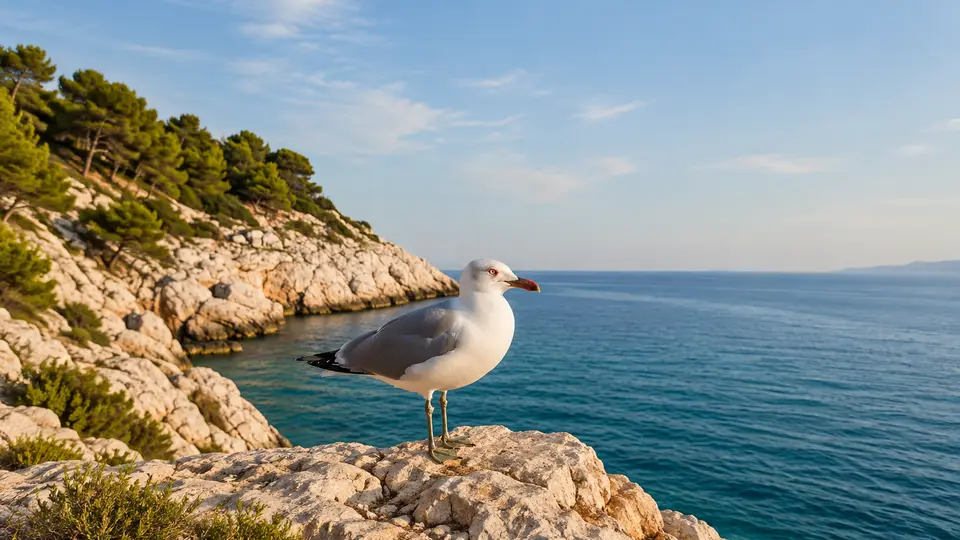
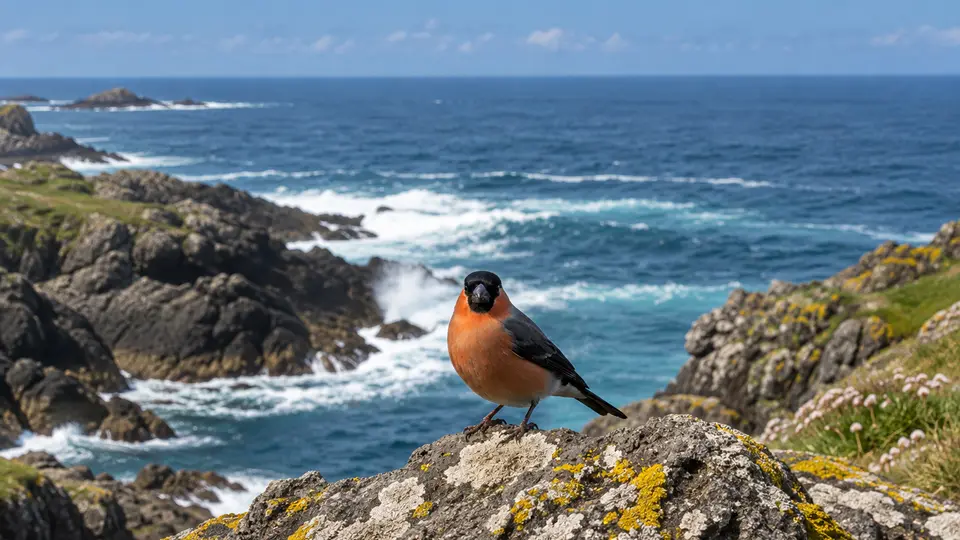
Zino's PetrelAI-modifiedZino's PetrelAudouin's GullAI-modifiedAudouin's GullAzores BullfinchAI-modifiedAzores Bullfinch
Animal groupBirdsAnimal groupBirdsAnimal groupBirds
DestinationsPortugalDestinationsCroatia, Greece, Portugal, TurkeyDestinationsPortugal
Scientific namePterodroma madeiraScientific nameScientific name
All wildlife destinations
AI-modified
Plan your trip

Find your next wildlife adventure

Compare destinations, shore programs and dates with the animals and habitats you would love to see.

  • Naturalist-led shore excursions
  • Responsible wildlife watching
  • Small expedition ships