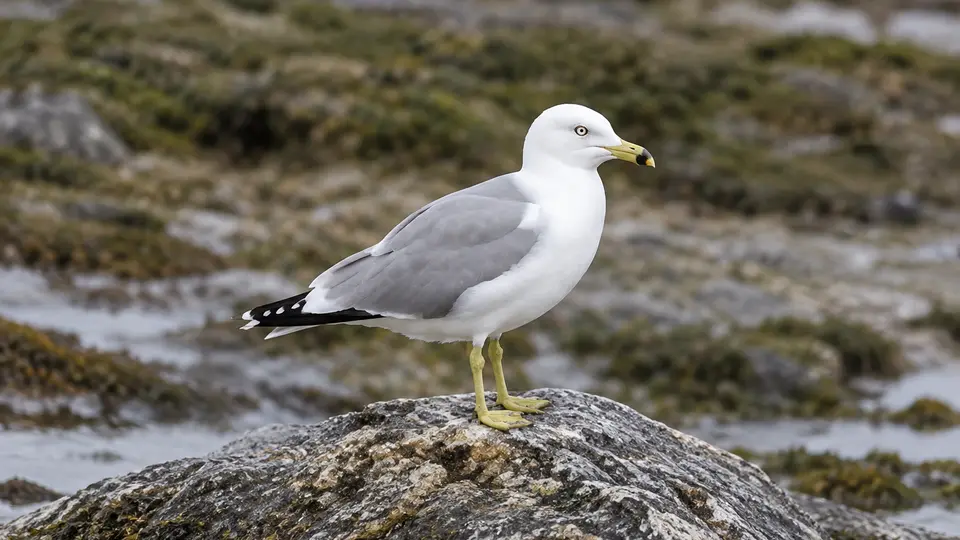
The white-eyed gull is a distinctive seabird strongly associated with the Red Sea and adjacent waters. Its name refers to white crescents around a dark eye, not a white iris. Adults show a dark hood, gray upperparts and a slender red bill with a dark tip. Much of its breeding population depends on low offshore islands, linking its conservation closely to island disturbance, introduced predators and changes in marine food resources.

Egypt
Red Sea beaches, accessible waterfronts and coastal bays provide plausible shore observation. Breeding colonies are mainly offshore and may be protected or inaccessible, so mainland viewing should not involve seeking island landings.