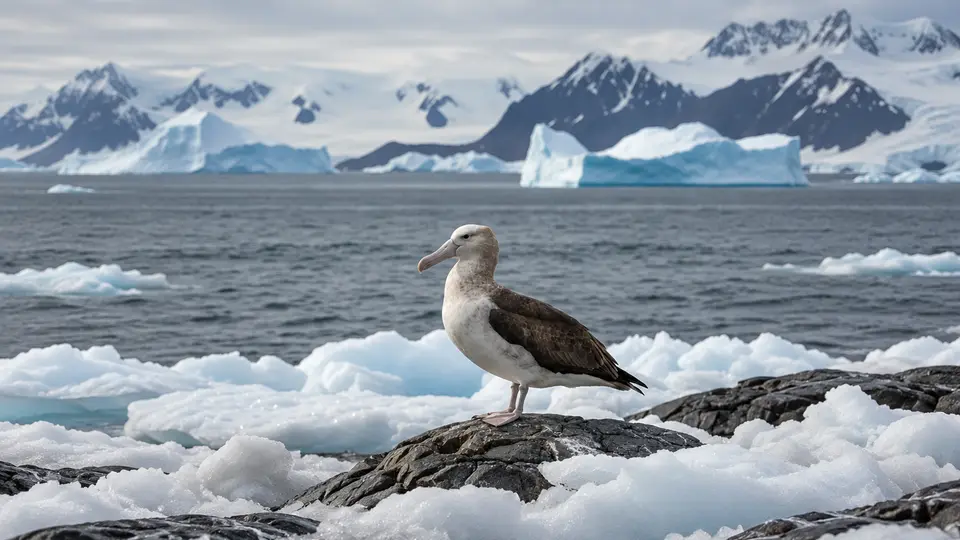
Southern Giant Petrel in its natural habitatAI-modified

Southern Giant PetrelMacronectes giganteusWhere and when to see them

Southern Giant Petrel at a glance

The southern giant petrel is a large Southern Ocean seabird equipped with a formidable hooked bill and an unusually versatile feeding strategy. It scavenges seal and penguin carcasses, hunts live prey and searches widely at sea. Most birds are brown with paler heads as they age, but a striking white form also occurs. Despite its heavy appearance on land, it is an accomplished wind-powered traveler and an important recycler of nutrients around remote colonies.

Behaviour & reproduction

Size
85-100 cm (33.5-39.4 in) long; 1.8-2.1 m (5.9-6.9 ft) wingspan
Weight
3-5 kg (6.6-11.0 lb)
Lifespan
Not reliably established
Status
Least Concern

Giant petrels gather at carcasses, where outstretched wings, raised neck feathers and threatening bills establish feeding priority. Males often use coastal scavenging opportunities more than females, which tend to forage farther offshore. Pairs nest on open ground and share care of a single chick. When threatened, adults or chicks can eject oily stomach contents. At sea, birds exploit strong winds with long glides, often investigating other feeding animals or vessels from a distance. Courtship displays involve mutual preening and bill-clapping, reinforcing pair bonds at the nest site. They are highly vocal, especially during disputes over food, emitting a range of grunts, gurgles, and hisses. Outside the breeding season, they are largely solitary or gather in loose flocks at rich feeding grounds.

Top wildlife locations

Antarctica wildlife habitatAI-modified

Antarctica

Ice-free coasts, seal beaches and surrounding waters offer plausible shore or deck views. Nesting ground may be closed to visitors, and carcasses should be observed only from established routes at substantial distance.
Destinations describe the species' habitat, not guaranteed cruise stops. Some animals require an optional inland excursion or are found in restricted reserves.

Fun facts about the Southern Giant Petrel

  • A minority of southern giant petrels have almost entirely white plumage.
  • Its external nostril tubes are part of the tubenose seabird design.
  • Males are larger and often more coastal in their feeding than females.
  • Parents normally raise just one chick per breeding attempt.

Best time to see the Southern Giant Petrel

November through March offers the main Antarctic shore and deck viewing window, overlapping nesting and chick rearing in many areas. Breeding timing varies by latitude. Birds may be seen well away from nests, so visible coastal activity is not necessarily evidence of a nearby colony. Prime viewing occurs during the austral summer, when most breeding activity takes place and juveniles begin to fledge. Late summer into autumn can offer opportunities to observe younger, less experienced birds at sea. During the breeding season, pairs will remain close to their nesting sites, making them more predictable for observation.

Southern Giant Petrel: season matrix by destination

Travel and observation windows vary by region. Highlighted months are an orientation for planning, not confirmed sightings or a guarantee of access.

Antarctica

Austral summer supports visitor access and overlaps breeding at many sites; weather, latitude and protected-area rules determine actual opportunities.

JanFebMarAprMayJunJulAugSepOctNovDec
Cruise ships in Antarctica

Where the Southern Giant Petrel lives

Breeding sites include open, ice-free coastal ground on Antarctic and subantarctic islands, usually with clear access for takeoff. Beaches supporting seals or penguins provide scavenging opportunities. Outside colonies, the species ranges widely over cold Southern Ocean waters and sometimes farther north. Nests are typically shallow scrapes lined with grass or pebbles, often on raised ground offering good visibility. These petrels also occasionally nest on low cliffs or rocky slopes. While most abundant in the Antarctic and subantarctic, their non-breeding range can extend north to the Tropic of Capricorn.

What the Southern Giant Petrel eats

Carrion from seals, penguins and other marine animals is important, alongside fish, squid, crustaceans and live seabirds. The balance differs between sexes and locations. Its strong bill can open tough carcasses, allowing it to exploit food unavailable to many smaller scavengers. They are highly opportunistic scavengers and predators, often consuming krill and small fish that are abundant in the Southern Ocean. Chicks are fed a diet rich in regurgitated oil and partially digested food, crucial for their rapid growth. Their strong sense of smell helps them locate food sources over vast distances.

Species at a glance

Common name
Southern Giant Petrel
Scientific name
Macronectes giganteus
Animal group
Birds
Size
85-100 cm (33.5-39.4 in) long; 1.8-2.1 m (5.9-6.9 ft) wingspan
Weight
3-5 kg (6.6-11.0 lb)
Lifespan
Not reliably established
Status
Least Concern
Identification
The pale greenish bill tip distinguishes southern giant petrel from northern giant petrel, whose bill tip is reddish, although good views are needed. Adult Southern Giant Petrels typically have predominantly pale, greyish-white plumage, particularly on the head and neck, though some individuals can be dark. Juveniles are initially uniformly dark brown, gradually acquiring lighter plumage over several years. Their large size, heavy build, and characteristic 'hunched' flight profile are also key identifiers.

Southern Giant Petrel: frequently asked questions

Where can I see the Southern Giant Petrel?
Antarctica. Watch from a deck or designated coastal route without approaching nests or carcasses. Give feeding birds a wide berth: disturbance interrupts feeding, and threatened birds may spit defensive stomach oil. Never offer food. Be mindful of their large size and powerful bills; always maintain a safe and respectful distance. Their presence near other seabird colonies or seal haul-outs often indicates good scavenging opportunities. Binoculars are essential for observing details like bill coloration and for minimizing disturbance from a distance.
When is the best time to see the Southern Giant Petrel?
November through March offers the main Antarctic shore and deck viewing window, overlapping nesting and chick rearing in many areas. Breeding timing varies by latitude. Birds may be seen well away from nests, so visible coastal activity is not necessarily evidence of a nearby colony. Prime viewing occurs during the austral summer, when most breeding activity takes place and juveniles begin to fledge. Late summer into autumn can offer opportunities to observe younger, less experienced birds at sea. During the breeding season, pairs will remain close to their nesting sites, making them more predictable for observation.
How big does the Southern Giant Petrel get?
85-100 cm (33.5-39.4 in) long; 1.8-2.1 m (5.9-6.9 ft) wingspan. Adult weight: 3-5 kg (6.6-11.0 lb). Size varies with age, sex and population.
How should I behave around the Southern Giant Petrel?
Watch from a deck or designated coastal route without approaching nests or carcasses. Give feeding birds a wide berth: disturbance interrupts feeding, and threatened birds may spit defensive stomach oil. Never offer food. Be mindful of their large size and powerful bills; always maintain a safe and respectful distance. Their presence near other seabird colonies or seal haul-outs often indicates good scavenging opportunities. Binoculars are essential for observing details like bill coloration and for minimizing disturbance from a distance.
What does the Southern Giant Petrel eat?
Carrion from seals, penguins and other marine animals is important, alongside fish, squid, crustaceans and live seabirds. The balance differs between sexes and locations. Its strong bill can open tough carcasses, allowing it to exploit food unavailable to many smaller scavengers. They are highly opportunistic scavengers and predators, often consuming krill and small fish that are abundant in the Southern Ocean. Chicks are fed a diet rich in regurgitated oil and partially digested food, crucial for their rapid growth. Their strong sense of smell helps them locate food sources over vast distances.
Are wildlife sightings guaranteed on an adventure cruise?
No. Animals move freely and routes, weather, access restrictions and local conditions influence every outing. Confirm the actual itinerary and shore program before booking.

Compare wildlife in the same destinations

Explore other birds recorded in these destinations. Similar surroundings do not mean the animals share the same habits or viewing season.

Species comparison by animal group and destination
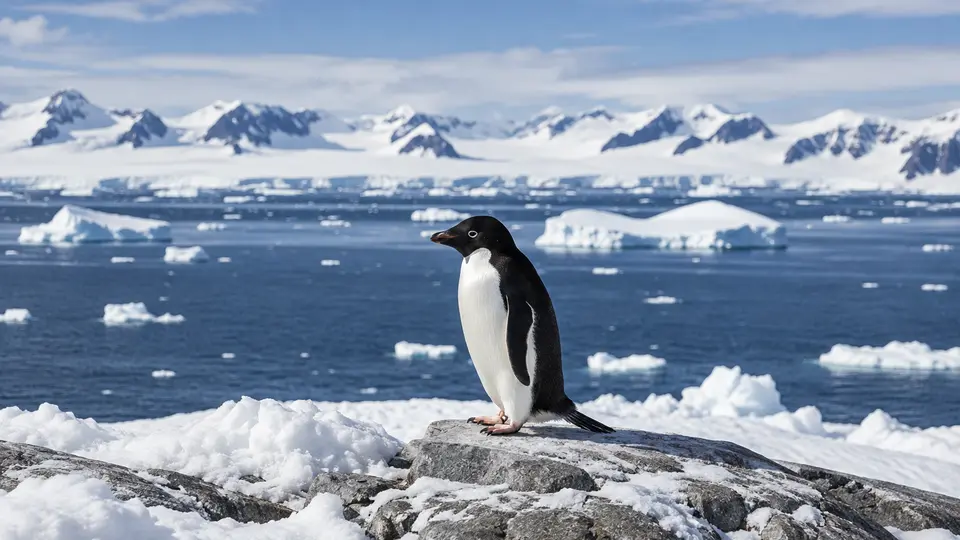
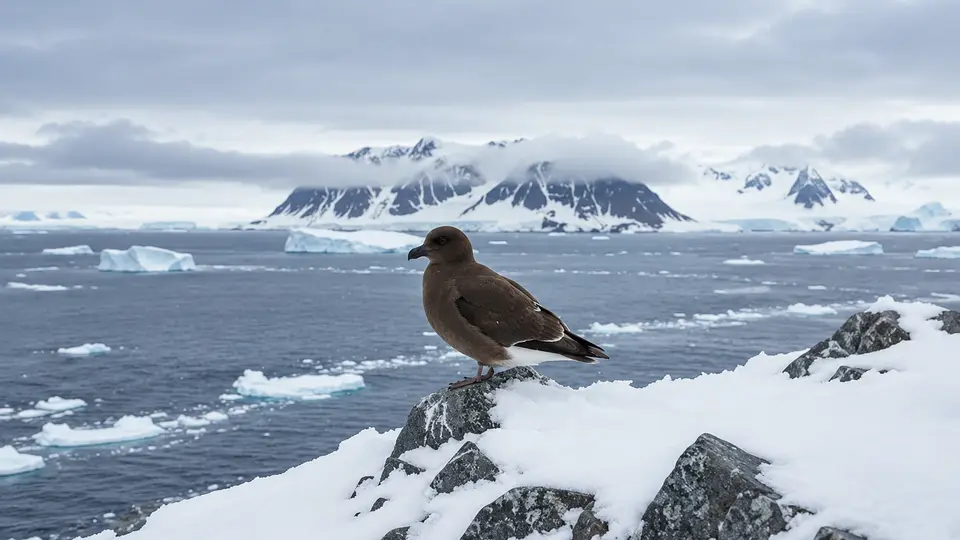
Southern Giant PetrelAI-modifiedSouthern Giant PetrelAdélie PenguinAI-modifiedAdélie PenguinAntarctic PetrelAI-modifiedAntarctic Petrel
Animal groupBirdsAnimal groupBirdsAnimal groupBirds
DestinationsAntarcticaDestinationsAntarcticaDestinationsAntarctica
Scientific nameMacronectes giganteusScientific nameScientific name
All wildlife destinations
AI-modified
Plan your trip

Find your next wildlife adventure

Compare destinations, shore programs and dates with the animals and habitats you would love to see.

  • Naturalist-led shore excursions
  • Responsible wildlife watching
  • Small expedition ships