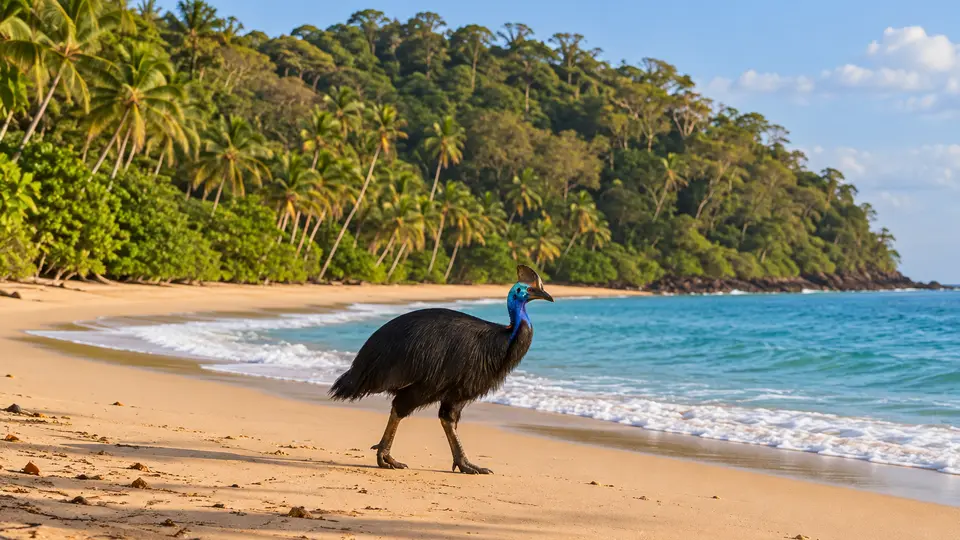
Southern cassowary in its natural habitatAI-modified

Southern cassowaryCasuarius casuariusWhere and when to see them

Southern cassowary at a glance

The southern cassowary is a large, flightless rainforest bird native to New Guinea, nearby islands and northeastern Australia. Adults combine coarse black plumage with blue neck skin, two red wattles and a prominent casque. In Australia it is an important distributor of rainforest seeds, including large fruits that few other animals can carry effectively. Its confident appearance should not be mistaken for tameness, and habitat fragmentation exposes birds to traffic, dogs and dangerous feeding interactions.

Behaviour & reproduction

Size
1.5-1.8 m (4.9-5.9 ft) tall
Weight
29-58 kg (64-128 lb)
Lifespan
Not reliably established
Status
Least Concern

Cassowaries are usually solitary, walking established routes between fruiting trees and other resources. Females are generally larger and may mate with more than one male. The male incubates the eggs and escorts the striped chicks, protecting them while they learn to forage. Adults communicate partly through very low booming sounds. A bird that feels crowded or has learned to associate people with food can approach assertively, making respectful distance especially important. Cassowaries have excellent hearing and can detect approaching disturbances, often moving away before being seen. The male's territorial booming call can travel long distances through the dense rainforest. During the breeding season, males are particularly attentive to their clutch of usually 3-5 large, green eggs and subsequently their young, becoming more protective of their territory.

Top wildlife locations

Australia wildlife habitatAI-modified

Australia

Queensland's Wet Tropics coastal rainforest and established forest paths offer plausible viewing. Some habitat lies near beaches, but inland excursions may improve access; roadside birds should never be approached or encouraged with food.
Destinations describe the species' habitat, not guaranteed cruise stops. Some animals require an optional inland excursion or are found in restricted reserves.

Fun facts about the Southern cassowary

  • The male alone incubates the eggs and cares for the chicks.
  • Each inner toe carries an elongated, dagger-shaped claw.
  • The casque is living tissue covered by a keratinous sheath, not a solid horn.
  • Large rainforest seeds can be transported substantial distances in its droppings.

Best time to see the Southern cassowary

Cassowaries can be encountered throughout the year in suitable Queensland habitat. The generally drier May-to-October period often improves walking conditions and road access. Fruit availability governs local movements, and breeding activity does not provide a reliable public viewing schedule. While cassowaries can be seen year-round, the dry season (May to October) often concentrates them closer to permanent water sources and areas with consistent fruit fall. During the wet season, their movements might be more dispersed as food and water are abundant across a wider area. Observing their distinctive footprints on forest paths can be a good indicator of their recent presence.

Southern cassowary: season matrix by destination

Travel and observation windows vary by region. Highlighted months are an orientation for planning, not confirmed sightings or a guarantee of access.

Australia

These generally drier months favor safe access in northeastern Queensland, not a confirmed seasonal peak in cassowary sightings.

JanFebMarAprMayJunJulAugSepOctNovDec
Cruise ships in Australia

Where the Southern cassowary lives

Lowland and upland tropical rainforest form the core habitat, with birds also using swamp forest, creek corridors and adjoining vegetation. In Queensland, rainforest can extend close to beaches. Movement through gardens or roadsides often reflects fragmented habitat rather than suitability for close observation. They are particularly associated with 'wet' tropical rainforests in the coastal lowlands of north-eastern Queensland, extending from just north of Townsville to Cape York. Their range also includes southern New Guinea and some Indonesian islands, highlighting their broader distribution beyond Australia. Despite their preference for dense forest, they may cautiously cross open areas between forest patches.

What the Southern cassowary eats

Fallen rainforest fruit dominates the diet, including many large-fruited species. Cassowaries also consume fungi, invertebrates, small vertebrates and carrion opportunistically. Seeds often pass through intact and are deposited away from the parent tree, giving the bird a major ecological role in forest regeneration. Their digestive system is adapted to handle large, often toxic fruits, with a relatively short digestive tract and rapid passage of seeds. This rapid processing minimizes exposure to toxins and ensures seeds are viable for germination. They play a critical role as a keystone species, dispersing seeds of over 100 rainforest tree species.

Species at a glance

Common name
Southern cassowary
Scientific name
Casuarius casuarius
Animal group
Birds
Size
1.5-1.8 m (4.9-5.9 ft) tall
Weight
29-58 kg (64-128 lb)
Lifespan
Not reliably established
Status
Least Concern
Identification
Adults differ from northern cassowaries by having two neck wattles rather than one, while dwarf cassowaries lack wattles and are smaller. The casque, a large bony helmet on their head, grows throughout life and is used to push through dense undergrowth, protect the skull, and possibly for communication. The bright blue and red coloration of the head and neck serves as a warning display to potential predators. Adults can weigh up to 75 kg (165 lbs) and stand almost 2 meters (6.5 feet) tall, making them one of the world's largest birds.

Southern cassowary: frequently asked questions

Where can I see the Southern cassowary?
Australia. Keep well back, especially from a male with chicks, and never feed or block a cassowary. If approached, retreat slowly behind a solid obstacle. Avoid running, and keep dogs away from cassowary habitat. Always give them ample space; a recommended minimum distance is at least 5 meters (16 feet), and more is always better. Look for tell-tale signs such as large droppings containing seeds or characteristic three-toed tracks in muddy areas. If you encounter a cassowary, remain calm and back away slowly, avoiding sudden movements that might be perceived as a threat.
When is the best time to see the Southern cassowary?
Cassowaries can be encountered throughout the year in suitable Queensland habitat. The generally drier May-to-October period often improves walking conditions and road access. Fruit availability governs local movements, and breeding activity does not provide a reliable public viewing schedule. While cassowaries can be seen year-round, the dry season (May to October) often concentrates them closer to permanent water sources and areas with consistent fruit fall. During the wet season, their movements might be more dispersed as food and water are abundant across a wider area. Observing their distinctive footprints on forest paths can be a good indicator of their recent presence.
How big does the Southern cassowary get?
1.5-1.8 m (4.9-5.9 ft) tall. Adult weight: 29-58 kg (64-128 lb). Size varies with age, sex and population.
How should I behave around the Southern cassowary?
Keep well back, especially from a male with chicks, and never feed or block a cassowary. If approached, retreat slowly behind a solid obstacle. Avoid running, and keep dogs away from cassowary habitat. Always give them ample space; a recommended minimum distance is at least 5 meters (16 feet), and more is always better. Look for tell-tale signs such as large droppings containing seeds or characteristic three-toed tracks in muddy areas. If you encounter a cassowary, remain calm and back away slowly, avoiding sudden movements that might be perceived as a threat.
What does the Southern cassowary eat?
Fallen rainforest fruit dominates the diet, including many large-fruited species. Cassowaries also consume fungi, invertebrates, small vertebrates and carrion opportunistically. Seeds often pass through intact and are deposited away from the parent tree, giving the bird a major ecological role in forest regeneration. Their digestive system is adapted to handle large, often toxic fruits, with a relatively short digestive tract and rapid passage of seeds. This rapid processing minimizes exposure to toxins and ensures seeds are viable for germination. They play a critical role as a keystone species, dispersing seeds of over 100 rainforest tree species.
Are wildlife sightings guaranteed on an adventure cruise?
No. Animals move freely and routes, weather, access restrictions and local conditions influence every outing. Confirm the actual itinerary and shore program before booking.

Compare wildlife in the same destinations

Explore other birds recorded in these destinations. Similar surroundings do not mean the animals share the same habits or viewing season.

Species comparison by animal group and destination
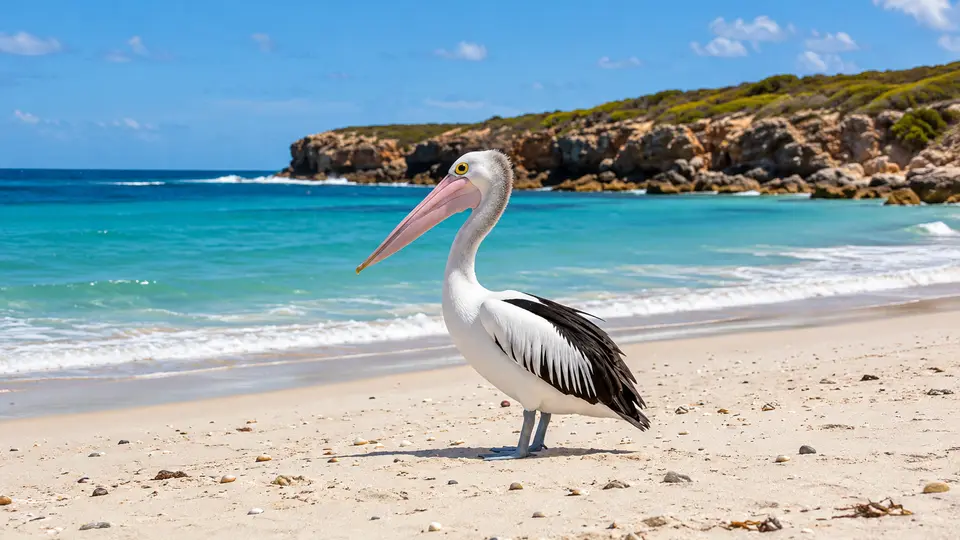
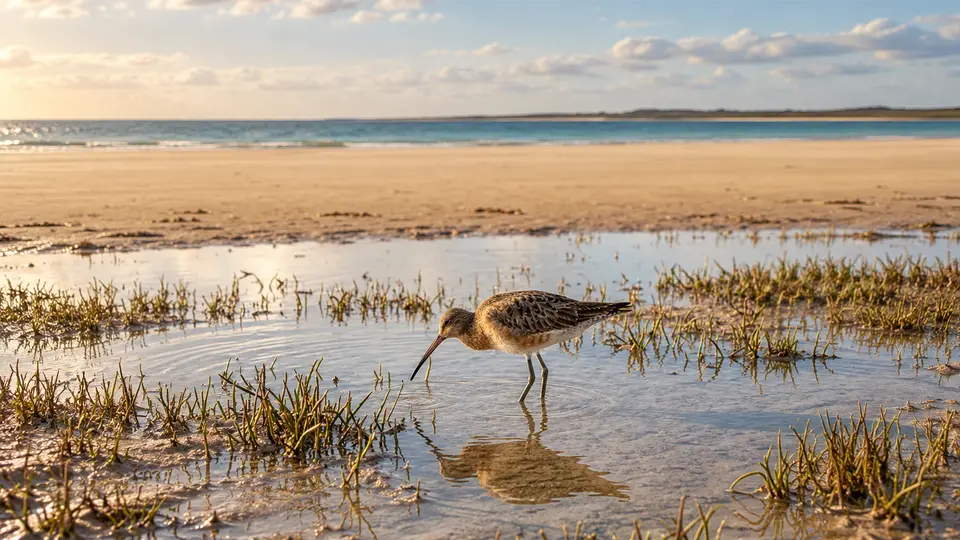
Southern cassowaryAI-modifiedSouthern cassowaryAustralian pelicanAI-modifiedAustralian pelicanBar-tailed godwitAI-modifiedBar-tailed godwit
Animal groupBirdsAnimal groupBirdsAnimal groupBirds
DestinationsAustraliaDestinationsAustraliaDestinationsAustralia, New Zealand
Scientific nameCasuarius casuariusScientific nameScientific name
All wildlife destinations
AI-modified
Plan your trip

Find your next wildlife adventure

Compare destinations, shore programs and dates with the animals and habitats you would love to see.

  • Naturalist-led shore excursions
  • Responsible wildlife watching
  • Small expedition ships