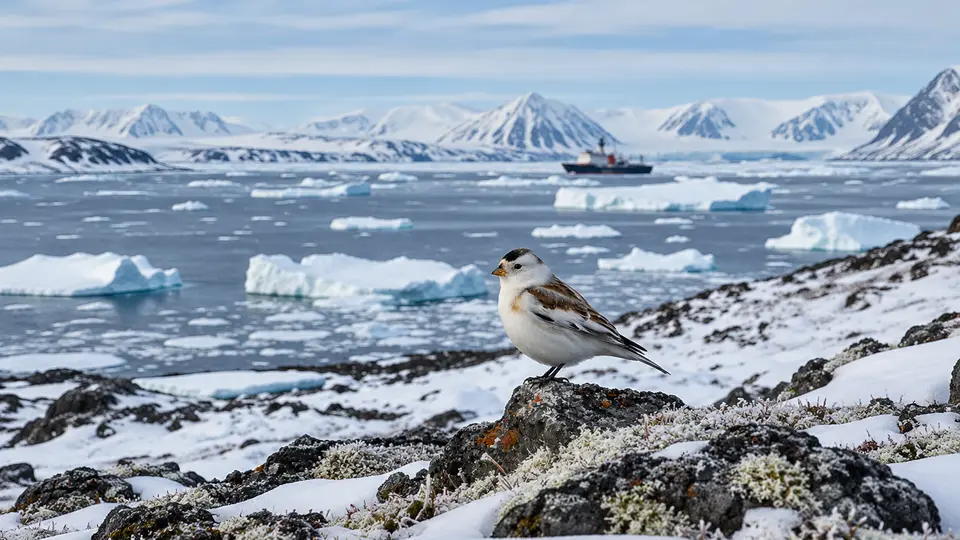
Snow Bunting in its natural habitatAI-modified

Snow BuntingPlectrophenax nivalisWhere and when to see them

Snow Bunting at a glance

The snow bunting is a hardy songbird breeding across the high northern latitudes, including rocky coasts and Arctic tundra. Breeding males become boldly black and white, while females retain more mottling. In winter, warm brown feather edges soften the pattern and help birds blend into stubble and windblown ground. Many populations migrate south, linking remote northern nesting areas with open farmland, beaches and grasslands far beyond the Arctic each year.

Behaviour & reproduction

Size
15-18 cm (5.9-7.1 in) long
Weight
28-45 g (1.0-1.6 oz)
Lifespan
Not reliably established
Status
Least Concern

Males often reach breeding areas before females, tolerating severe spring weather while establishing territories around suitable nest cavities. They sing from rocks or other exposed perches. Females build sheltered nests and receive food from males during incubation. Outside breeding, snow buntings gather in mobile flocks that feed on open ground, repeatedly lifting and settling as they search for scattered seeds across windswept landscapes. Courtship displays involve the male flying high, singing, and then descending in a series of glides to impress the female. During winter, these flocks often move nomadically, covering large areas in search of food sources exposed by wind.

Top wildlife locations

Arctic wildlife habitatAI-modified

Arctic

Rocky coastal tundra, settlement margins and permitted shore trails provide plausible breeding habitat across much of the Arctic. Remote areas remain inaccessible, and occurrence depends on the particular region visited.
Destinations describe the species' habitat, not guaranteed cruise stops. Some animals require an optional inland excursion or are found in restricted reserves.

Fun facts about the Snow Bunting

  • Males often arrive on breeding grounds ahead of females.
  • Nests are usually hidden inside cavities or rocky crevices.
  • Feather wear helps reveal the male's sharp summer pattern.
  • Winter flocks may travel far south of the Arctic.

Best time to see the Snow Bunting

June through August usually provides the most practical Arctic travel and breeding-ground observation window. Earlier male arrivals can occur under winterlike conditions. Exact nesting and departure dates vary with latitude, snowmelt and local weather across the species' enormous range. Early June often provides opportunities to observe males singing on territory before the full breeding season begins. Their movements are often dictated by snow cover, as they require access to bare ground for foraging.

Snow Bunting: season matrix by destination

Travel and observation windows vary by region. Highlighted months are an orientation for planning, not confirmed sightings or a guarantee of access.

Arctic

These months combine typical Arctic visitor access with summer occupancy; local snowmelt and latitude affect nesting, and the broad destination cannot support site-specific predictions.

JanFebMarAprMayJunJulAugSepOctNovDec
Cruise ships in Arctic

Where the Snow Bunting lives

Breeding habitat includes rocky tundra, scree, coastal cliffs and settlements with suitable crevices. Vegetated patches nearby provide food. In the nonbreeding season, snow buntings favor open, sparsely vegetated ground such as beaches, dunes, fields and exposed lake shores. They are circumpolar breeders, found across the high Arctic and subarctic regions of North America, Greenland, Europe, and Asia. During winter, they migrate south to open habitats in more temperate latitudes, rarely venturing into dense forest.

What the Snow Bunting eats

Seeds dominate much of the nonbreeding diet, gathered from bare ground or exposed vegetation. During summer, insects and other small invertebrates become especially important. Growing chicks receive protein-rich animal food, linking successful nesting to the brief northern pulse of invertebrate abundance. Insects consumed include flies, beetles, and spiders, while seeds are primarily from grasses and sedges. Males may cache food during early spring to sustain themselves during periods of harsh weather.

Species at a glance

Common name
Snow Bunting
Scientific name
Plectrophenax nivalis
Animal group
Birds
Size
15-18 cm (5.9-7.1 in) long
Weight
28-45 g (1.0-1.6 oz)
Lifespan
Not reliably established
Status
Least Concern
Identification
Compared with Lapland longspurs, snow buntings show much more white in the wings and tail, with breeding males displaying a white head and black back. Non-breeding plumage for both sexes is more subdued, with brown and buff markings, though the extensive white in the wings remains a key feature. Juvenile birds resemble females but typically have more streaking on the back and breast.

Snow Bunting: frequently asked questions

Where can I see the Snow Bunting?
Arctic. Watch from established paths or firm open ground without approaching nest crevices. If adults repeatedly call or wait with food, move back promptly so they can resume feeding concealed chicks. Scanning open, rocky areas with binoculars or a spotting scope can reveal these birds, especially when they are contrasting against snow patches. Look for their distinctive flight pattern, which is often undulating with flashes of white wings.
When is the best time to see the Snow Bunting?
June through August usually provides the most practical Arctic travel and breeding-ground observation window. Earlier male arrivals can occur under winterlike conditions. Exact nesting and departure dates vary with latitude, snowmelt and local weather across the species' enormous range. Early June often provides opportunities to observe males singing on territory before the full breeding season begins. Their movements are often dictated by snow cover, as they require access to bare ground for foraging.
How big does the Snow Bunting get?
15-18 cm (5.9-7.1 in) long. Adult weight: 28-45 g (1.0-1.6 oz). Size varies with age, sex and population.
How should I behave around the Snow Bunting?
Watch from established paths or firm open ground without approaching nest crevices. If adults repeatedly call or wait with food, move back promptly so they can resume feeding concealed chicks. Scanning open, rocky areas with binoculars or a spotting scope can reveal these birds, especially when they are contrasting against snow patches. Look for their distinctive flight pattern, which is often undulating with flashes of white wings.
What does the Snow Bunting eat?
Seeds dominate much of the nonbreeding diet, gathered from bare ground or exposed vegetation. During summer, insects and other small invertebrates become especially important. Growing chicks receive protein-rich animal food, linking successful nesting to the brief northern pulse of invertebrate abundance. Insects consumed include flies, beetles, and spiders, while seeds are primarily from grasses and sedges. Males may cache food during early spring to sustain themselves during periods of harsh weather.
Are wildlife sightings guaranteed on an adventure cruise?
No. Animals move freely and routes, weather, access restrictions and local conditions influence every outing. Confirm the actual itinerary and shore program before booking.

Compare wildlife in the same destinations

Explore other birds recorded in these destinations. Similar surroundings do not mean the animals share the same habits or viewing season.

Species comparison by animal group and destination
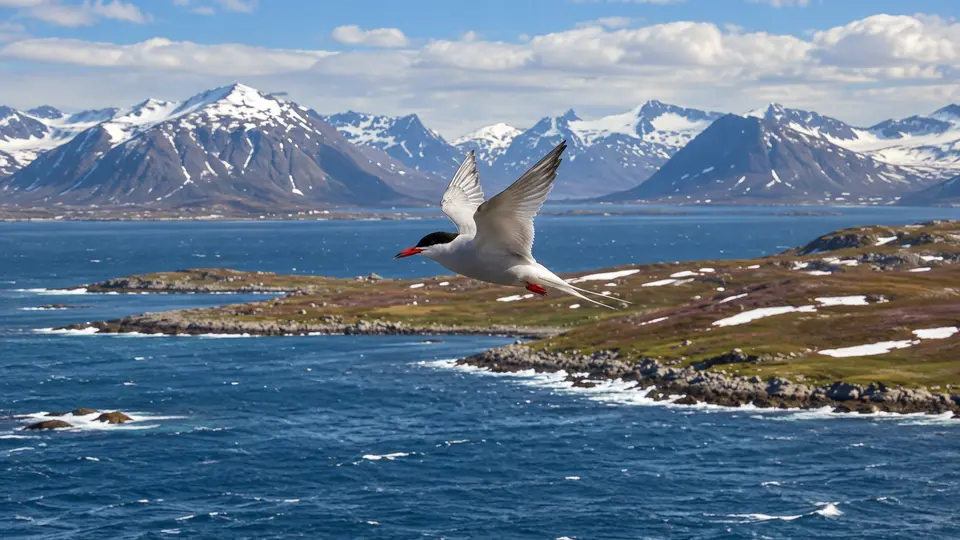
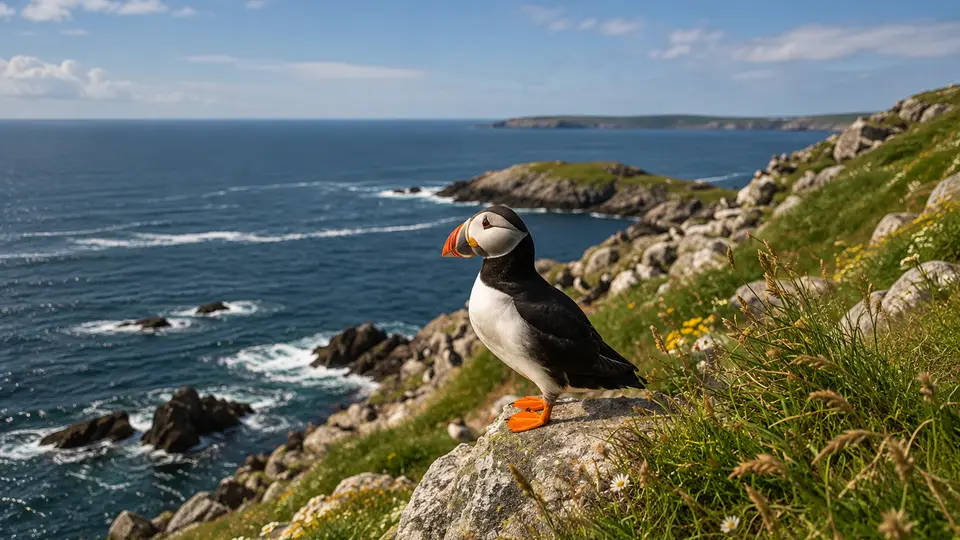
Snow BuntingAI-modifiedSnow BuntingArctic TernAI-modifiedArctic TernAtlantic PuffinAI-modifiedAtlantic Puffin
Animal groupBirdsAnimal groupBirdsAnimal groupBirds
DestinationsArcticDestinationsAlaska, Norway, ArcticDestinationsNew England, Norway, Scotland, Arctic
Scientific namePlectrophenax nivalisScientific nameScientific name
All wildlife destinations
AI-modified
Plan your trip

Find your next wildlife adventure

Compare destinations, shore programs and dates with the animals and habitats you would love to see.

  • Naturalist-led shore excursions
  • Responsible wildlife watching
  • Small expedition ships