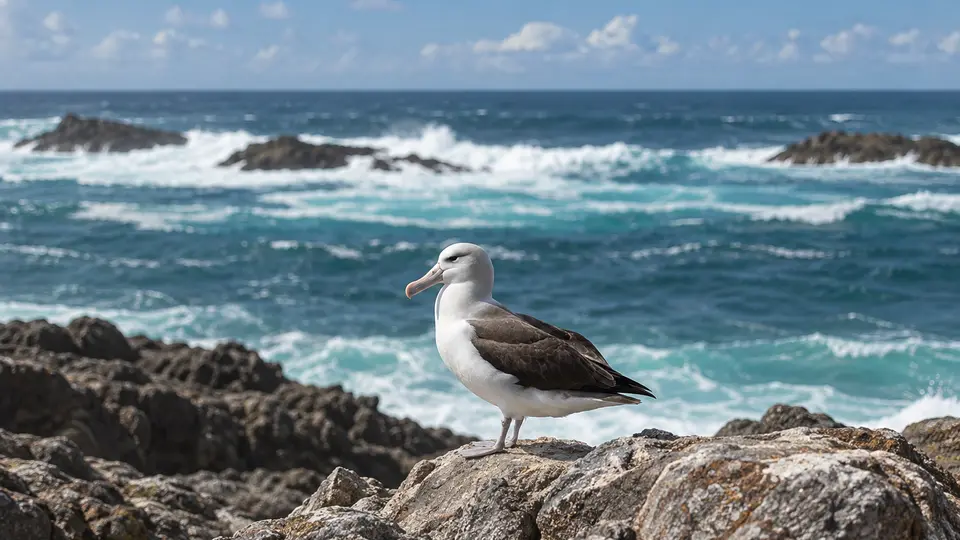
Shy albatross in its natural habitatAI-modified

Shy albatrossThalassarche cautaWhere and when to see them

Shy albatross at a glance

The shy albatross is a large, predominantly white seabird that breeds only on three islands off Tasmania. Its dark upperwings and strongly contrasting underwing pattern make it an impressive sight over southern Australian waters. Despite its name, it may investigate fishing vessels, which exposes it to hooks and other fishing gear. Protecting its small number of breeding colonies and reducing fisheries bycatch are central to its conservation.

Behaviour & reproduction

Size
90-100 cm (35-39 in) long; 210-260 cm (83-102 in) wingspan
Weight
3-5 kg (6.6-11 lb)
Lifespan
Not reliably established
Status
Near Threatened

Shy albatrosses travel by alternating brief wingbeats with long glides, extracting energy from wind gradients above the waves. Breeding pairs return to established territories and maintain their bond through ritualized postures and bill movements. Both adults incubate their single egg and provision the chick. At sea, birds often forage alone but gather where prey becomes concentrated, including around natural feeding aggregations and fishing activity. The pair bond is strong and long-lasting, often for many years, with pairs typically returning to the same nest site annually. Incubation lasts approximately 70 days, and the chick fledges after about 120 days. Young birds spend several years at sea before returning to colonies to breed, often not successfully breeding until they are around 8-10 years old.

Top wildlife locations

Australia wildlife habitatAI-modified

Australia

Southern mainland and Tasmanian headlands offer plausible distant views over shelf waters. The three breeding islands are not ordinary visitor landing sites, and identification of passing albatrosses can be difficult.
Destinations describe the species' habitat, not guaranteed cruise stops. Some animals require an optional inland excursion or are found in restricted reserves.

Fun facts about the Shy albatross

  • Its only breeding islands are Albatross Island, Pedra Branca and the Mewstone, all off Tasmania.
  • A breeding pair normally lays just one egg in a season.
  • Dynamic soaring allows long journeys with relatively little flapping.
  • The similar white-capped albatross is generally treated as a separate species.

Best time to see the Shy albatross

For distant coastal observation in southern Australia, opportunities exist throughout the year where winds bring seabirds near headlands. Breeding extends broadly from September into April, but colony attendance does not translate into public access or dependable mainland sightings. The fledging period for chicks occurs from late March through May, at which time juveniles disperse widely. Although breeding adults are tied to colonies for much of the breeding season, non-breeding individuals and subadults can be encountered at sea year-round. Migration patterns are not well-defined, with birds showing broad dispersal rather than distinct seasonal movements.

Shy albatross: season matrix by destination

Travel and observation windows vary by region. Highlighted months are an orientation for planning, not confirmed sightings or a guarantee of access.

Australia

A year-round coastal watching window is plausible in southern Australia; local winds, sea conditions and bird movements matter more than a single national travel season.

JanFebMarAprMayJunJulAugSepOctNovDec
Cruise ships in Australia

Where the Shy albatross lives

Breeding habitat consists of exposed, rocky island slopes with space for closely packed nests. Away from colonies, shy albatrosses use continental shelf and shelf-edge waters, especially around southern Australia, with some birds dispersing farther across the southern Indian Ocean. The main breeding colonies are found on three groups of islands off Tasmania: Albatross Island, Mewstone, and Pedra Branca. While primarily utilizing offshore islands for nesting, non-breeding birds may also loaf on open water. Their range extends across the temperate southern oceans, primarily between 30 and 50 degrees South.

What the Shy albatross eats

Fish, squid and other marine prey form the diet, taken mainly near the surface. Birds may also consume crustaceans and scavenged material. Their attraction to fishing bait and discards creates a particular risk of accidental capture on hooks. In addition to natural prey, shy albatrosses frequently follow fishing vessels, consuming offal and discards, which can lead to increased interaction with fishing gear. They are primarily visual predators, using their keen eyesight to spot prey from above the water surface. Their diet often reflects regional fishing practices and the availability of certain fish and squid species.

Species at a glance

Common name
Shy albatross
Scientific name
Thalassarche cauta
Animal group
Birds
Size
90-100 cm (35-39 in) long; 210-260 cm (83-102 in) wingspan
Weight
3-5 kg (6.6-11 lb)
Lifespan
Not reliably established
Status
Near Threatened
Identification
Compared with other mollymawks, the shy albatross has a pale gray face, grayish bill with a yellow tip, and mostly white underwings marked by dark borders and a diagnostic dark axillary notch. The species' overall appearance is robust, with a large body and wingspan. Its common name refers to its cautious nature when approaching vessels or food sources. The bill coloration, with its greyish base and bright yellow tip, is a key field mark for identification at sea.

Shy albatross: frequently asked questions

Where can I see the Shy albatross?
Australia. Watch from a stable deck or established coastal lookout with binoculars. Never bait birds or approach breeding islands, and avoid exposed cliff edges when strong onshore winds create favorable seabird-watching conditions. When viewing from a vessel, pay attention to their flight patterns, as they often approach and circle boats, providing excellent photo opportunities. Look for them soaring gracefully over wave troughs, using dynamic soaring to conserve energy. Binoculars are essential for observing the subtle plumage details that distinguish them from similar albatross species.
When is the best time to see the Shy albatross?
For distant coastal observation in southern Australia, opportunities exist throughout the year where winds bring seabirds near headlands. Breeding extends broadly from September into April, but colony attendance does not translate into public access or dependable mainland sightings. The fledging period for chicks occurs from late March through May, at which time juveniles disperse widely. Although breeding adults are tied to colonies for much of the breeding season, non-breeding individuals and subadults can be encountered at sea year-round. Migration patterns are not well-defined, with birds showing broad dispersal rather than distinct seasonal movements.
How big does the Shy albatross get?
90-100 cm (35-39 in) long; 210-260 cm (83-102 in) wingspan. Adult weight: 3-5 kg (6.6-11 lb). Size varies with age, sex and population.
How should I behave around the Shy albatross?
Watch from a stable deck or established coastal lookout with binoculars. Never bait birds or approach breeding islands, and avoid exposed cliff edges when strong onshore winds create favorable seabird-watching conditions. When viewing from a vessel, pay attention to their flight patterns, as they often approach and circle boats, providing excellent photo opportunities. Look for them soaring gracefully over wave troughs, using dynamic soaring to conserve energy. Binoculars are essential for observing the subtle plumage details that distinguish them from similar albatross species.
What does the Shy albatross eat?
Fish, squid and other marine prey form the diet, taken mainly near the surface. Birds may also consume crustaceans and scavenged material. Their attraction to fishing bait and discards creates a particular risk of accidental capture on hooks. In addition to natural prey, shy albatrosses frequently follow fishing vessels, consuming offal and discards, which can lead to increased interaction with fishing gear. They are primarily visual predators, using their keen eyesight to spot prey from above the water surface. Their diet often reflects regional fishing practices and the availability of certain fish and squid species.
Are wildlife sightings guaranteed on an adventure cruise?
No. Animals move freely and routes, weather, access restrictions and local conditions influence every outing. Confirm the actual itinerary and shore program before booking.

Compare wildlife in the same destinations

Explore other birds recorded in these destinations. Similar surroundings do not mean the animals share the same habits or viewing season.

Species comparison by animal group and destination
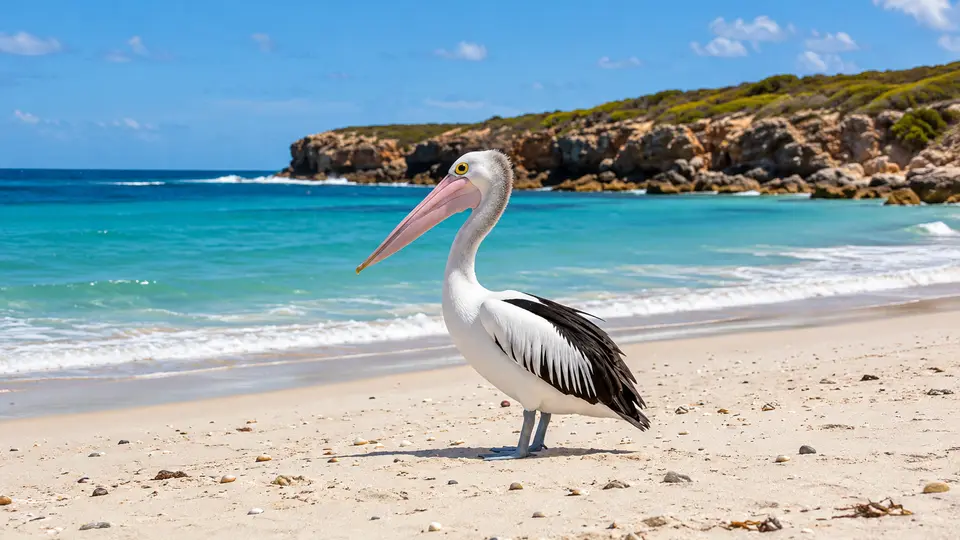
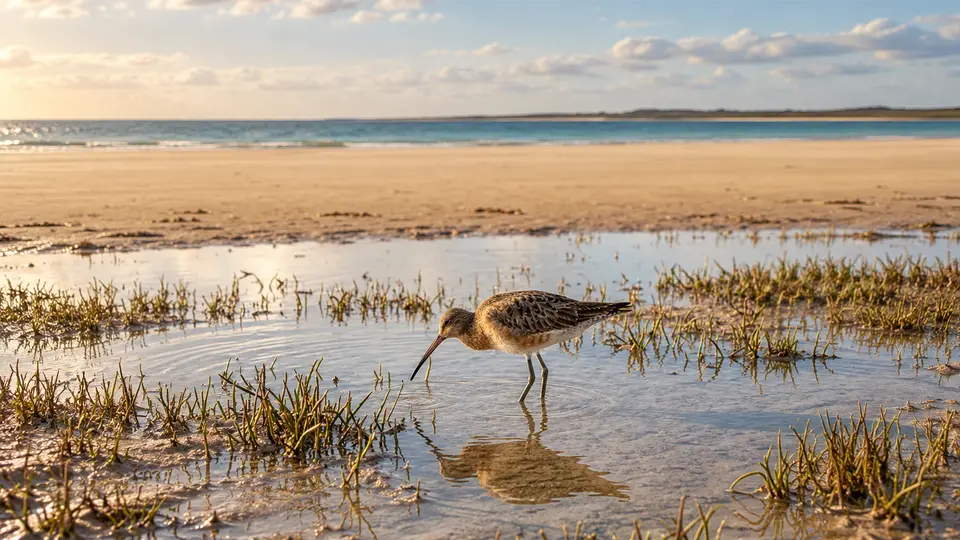
Shy albatrossAI-modifiedShy albatrossAustralian pelicanAI-modifiedAustralian pelicanBar-tailed godwitAI-modifiedBar-tailed godwit
Animal groupBirdsAnimal groupBirdsAnimal groupBirds
DestinationsAustraliaDestinationsAustraliaDestinationsAustralia, New Zealand
Scientific nameThalassarche cautaScientific nameScientific name
All wildlife destinations
AI-modified
Plan your trip

Find your next wildlife adventure

Compare destinations, shore programs and dates with the animals and habitats you would love to see.

  • Naturalist-led shore excursions
  • Responsible wildlife watching
  • Small expedition ships