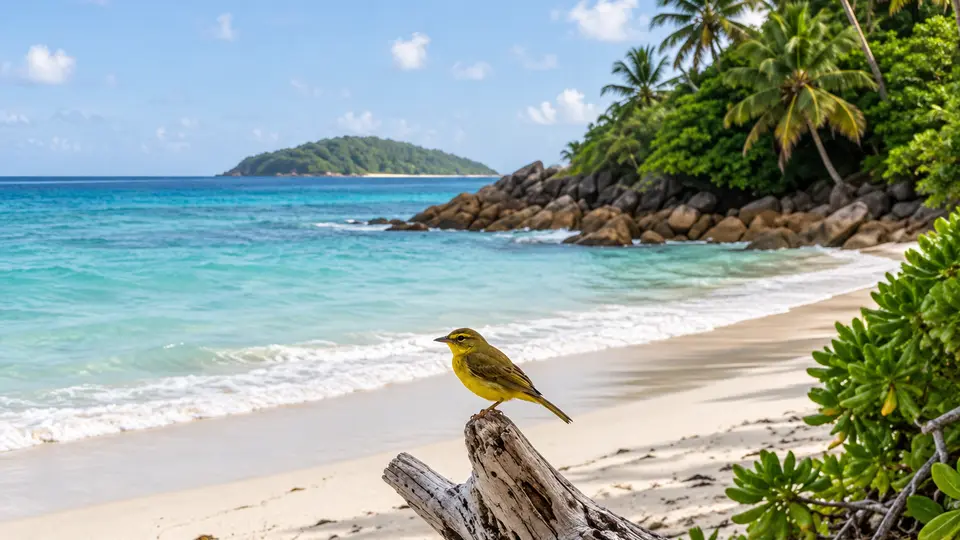
Seychelles Fody in its natural habitatAI-modified

Seychelles FodyFoudia sechellarumWhere and when to see them

Seychelles Fody at a glance

The Seychelles fody is a small endemic weaver whose subdued plumage contrasts with the bright red breeding dress of the introduced Madagascar fody. Historically restricted to very few islands, it has benefited from habitat protection and conservation translocations. Its global range nevertheless remains small and fragmented. Successful island populations depend on suitable vegetation and careful control of introduced threats, so its presence should not be assumed across the archipelago.

Behaviour & reproduction

Size
12–13 cm (4.7–5.1 in) body length
Weight
15–20 g (0.53–0.71 oz)
Lifespan
Not reliably established
Status
Near Threatened

Fodies search leaves, bark and low vegetation for food, often moving in pairs or loose groups outside active nesting. Breeding birds construct a domed woven nest rather than an open cup. They can be curious and conspicuous on islands where they are well established. The species also opportunistically exploits resources around seabird colonies, showing behavioural flexibility that helps it persist within the limited space of small islands. Males are known to be territorial during the breeding season, defending their nesting sites with vocalizations and displays. Their opportunistic foraging near seabird colonies includes preying on seabird eggs and chicks, highlighting their adaptability as an island generalist.

Top wildlife locations

Seychelles wildlife habitatAI-modified

Seychelles

Protected islands with established populations, including Cousin and Cousine, contain suitable coastal woodland. Access is regulated or limited, and the species is not a routine expectation at general resort-island beach stops.
Destinations describe the species' habitat, not guaranteed cruise stops. Some animals require an optional inland excursion or are found in restricted reserves.

Fun facts about the Seychelles Fody

  • It belongs to the weaver family rather than the true finches.
  • Conservation translocations have established populations beyond its former strongholds.
  • Its woven nest is domed and includes a side entrance.
  • Unlike male Madagascar fodies, breeding males do not develop an extensive red head and breast.

Best time to see the Seychelles Fody

Established island populations are resident, with viewing possible whenever authorized access and weather permit. April to May and October to November can offer relatively favourable coastal conditions. Access schedules and confirmation of the island's current population matter more than a general Seychelles travel season. Prime breeding activity occurs from October to January, making these months ideal for observing nesting behaviours and active adults. Though present year-round, visibility can be excellent during the dryer, less windy months, enhancing opportunities for photography.

Seychelles Fody: season matrix by destination

Travel and observation windows vary by region. Highlighted months are an orientation for planning, not confirmed sightings or a guarantee of access.

Seychelles

These months can favour coastal access, but reserve permissions, weather and current island population information determine practical observation opportunities.

JanFebMarAprMayJunJulAugSepOctNovDec
Cruise ships in Seychelles

Where the Seychelles Fody lives

It uses woodland, scrub, coastal vegetation and restored island habitats within its restricted distribution. Native broadleaf cover and productive understorey provide feeding and nesting opportunities. Suitable-looking habitat on another Seychelles island does not necessarily indicate that the species occurs there. The species is largely absent from coconut plantations lacking a diverse understorey. Successful reintroductions have expanded its range to previously unoccupied islands within the archipelago, demonstrating its adaptability to restored ecosystems.

What the Seychelles Fody eats

Invertebrates are important, alongside fruit, seeds and nectar. Birds inspect foliage and bark and may exploit eggs or other food associated with seabird colonies. The proportions vary locally, reflecting the opportunities available on each occupied island rather than a uniform seed-based diet. Unlike some fody species, the Seychelles fody is not primarily granivorous; its varied diet allows it to thrive in diverse insular environments. They are also known to forage on nectar from a variety of flowering plants, contributing to pollination.

Species at a glance

Common name
Seychelles Fody
Scientific name
Foudia sechellarum
Animal group
Birds
Size
12–13 cm (4.7–5.1 in) body length
Weight
15–20 g (0.53–0.71 oz)
Lifespan
Not reliably established
Status
Near Threatened
Identification
The Seychelles fody has a relatively heavy bill and subdued olive-brown plumage, with breeding males showing yellowish facial colour rather than the Madagascar fody's extensive scarlet. Both sexes possess a noticeable pale eye-ring, which can be a useful field mark to distinguish them from other small passerines. Juveniles resemble females but often have a slightly duller and more streaky appearance, developing adult plumage gradually.

Seychelles Fody: frequently asked questions

Where can I see the Seychelles Fody?
Seychelles. Visit only authorized paths with reserve guidance where required. Check small brown birds carefully, avoid feeding them, and give woven nests space; curiosity near visitors should never be encouraged with crumbs or handling. On Cousin Island Special Reserve and other protected areas, strict biosecurity protocols are in place to prevent the introduction of invasive species harmful to fodies. Listen for their distinctive calls, which can often betray their presence before they are seen in dense foliage.
When is the best time to see the Seychelles Fody?
Established island populations are resident, with viewing possible whenever authorized access and weather permit. April to May and October to November can offer relatively favourable coastal conditions. Access schedules and confirmation of the island's current population matter more than a general Seychelles travel season. Prime breeding activity occurs from October to January, making these months ideal for observing nesting behaviours and active adults. Though present year-round, visibility can be excellent during the dryer, less windy months, enhancing opportunities for photography.
How big does the Seychelles Fody get?
12–13 cm (4.7–5.1 in) body length. Adult weight: 15–20 g (0.53–0.71 oz). Size varies with age, sex and population.
How should I behave around the Seychelles Fody?
Visit only authorized paths with reserve guidance where required. Check small brown birds carefully, avoid feeding them, and give woven nests space; curiosity near visitors should never be encouraged with crumbs or handling. On Cousin Island Special Reserve and other protected areas, strict biosecurity protocols are in place to prevent the introduction of invasive species harmful to fodies. Listen for their distinctive calls, which can often betray their presence before they are seen in dense foliage.
What does the Seychelles Fody eat?
Invertebrates are important, alongside fruit, seeds and nectar. Birds inspect foliage and bark and may exploit eggs or other food associated with seabird colonies. The proportions vary locally, reflecting the opportunities available on each occupied island rather than a uniform seed-based diet. Unlike some fody species, the Seychelles fody is not primarily granivorous; its varied diet allows it to thrive in diverse insular environments. They are also known to forage on nectar from a variety of flowering plants, contributing to pollination.
Are wildlife sightings guaranteed on an adventure cruise?
No. Animals move freely and routes, weather, access restrictions and local conditions influence every outing. Confirm the actual itinerary and shore program before booking.

Compare wildlife in the same destinations

Explore other birds recorded in these destinations. Similar surroundings do not mean the animals share the same habits or viewing season.

Species comparison by animal group and destination
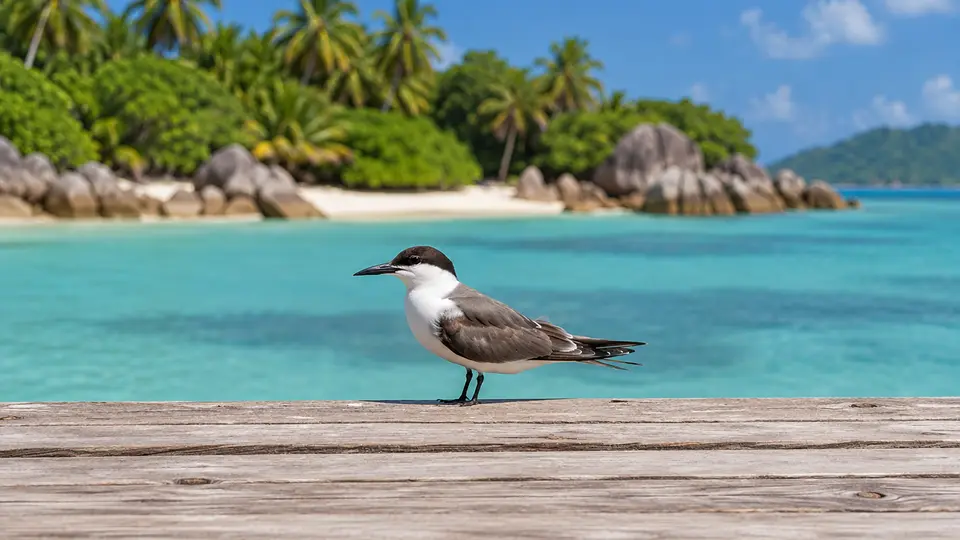
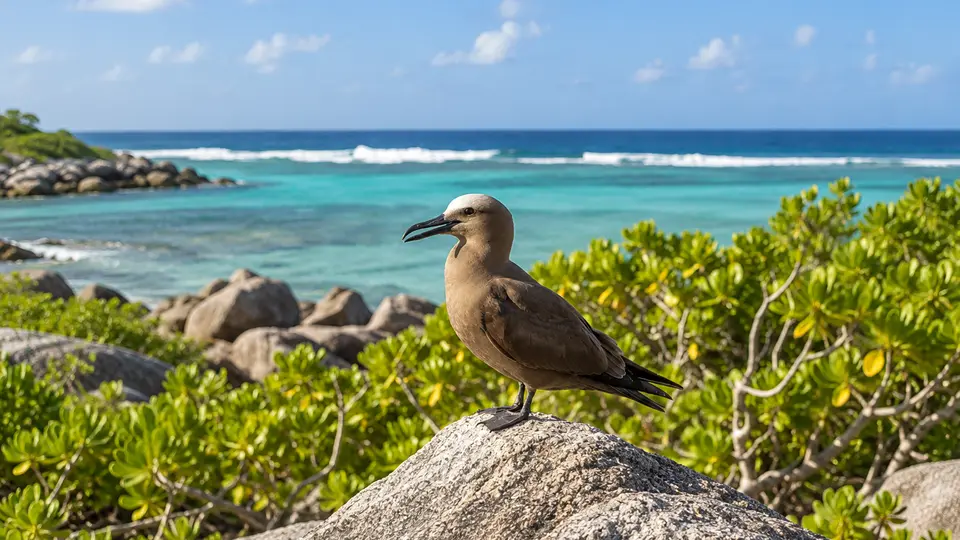
Seychelles FodyAI-modifiedSeychelles FodyBridled TernAI-modifiedBridled TernBrown NoddyAI-modifiedBrown Noddy
Animal groupBirdsAnimal groupBirdsAnimal groupBirds
DestinationsSeychellesDestinationsSeychellesDestinationsSeychelles, Maldives, Fiji
Scientific nameFoudia sechellarumScientific nameScientific name
All wildlife destinations
AI-modified
Plan your trip

Find your next wildlife adventure

Compare destinations, shore programs and dates with the animals and habitats you would love to see.

  • Naturalist-led shore excursions
  • Responsible wildlife watching
  • Small expedition ships