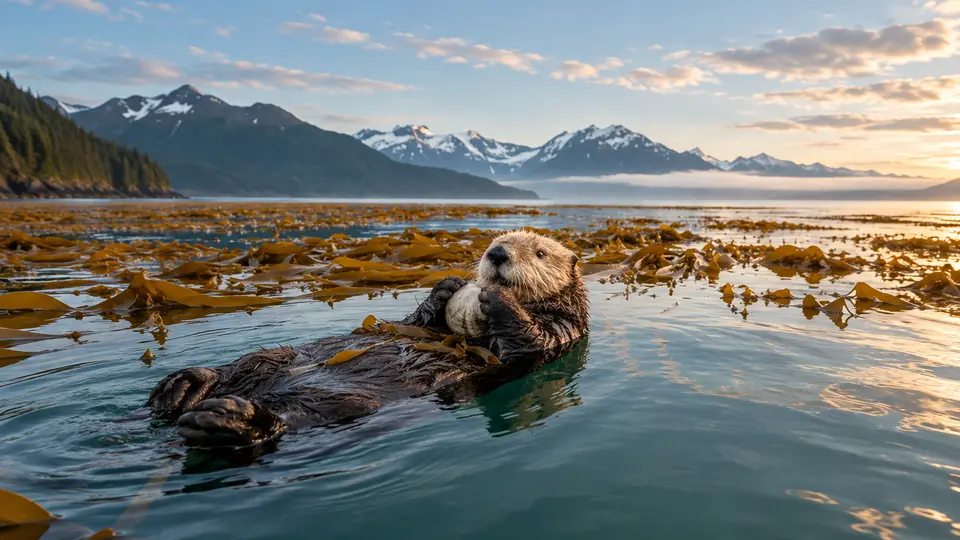
Sea Otter in its natural habitatAI-modified

Sea OtterEnhydra lutrisWhere and when to see them

Sea Otter at a glance

The sea otter is a marine member of the weasel family that spends much of its life in nearshore water. Alaska supports extensive populations, although abundance and conservation conditions differ sharply among regions. Unlike seals and whales, sea otters depend primarily on exceptionally dense fur rather than a thick blubber layer for insulation. Their feeding can strongly influence coastal ecosystems, particularly where predation on sea urchins helps kelp forests persist.

Behaviour & reproduction

Size
1.0–1.5 m (3.3–4.9 ft) total length
Weight
14–45 kg (31–99 lb)
Lifespan
10–20 years
Status
Endangered

Sea otters commonly rest on their backs, sometimes gathering in floating groups called rafts. Frequent grooming maintains the insulating air layer within their fur. Mothers carry small pups on their chests and devote considerable time to feeding and care. Some individuals use stones to break hard prey. They may anchor themselves among kelp strands while resting, but group size and daily routines vary with exposure, food and disturbance. Sea otters are highly social animals, frequently seen interacting within their rafts. Pups are completely dependent on their mothers for several months, riding on their bellies and learning foraging skills.

Top wildlife locations

Alaska wildlife habitatAI-modified

Alaska

Sheltered bays and kelp-fringed shores in established sea otter range offer plausible viewing from public waterfronts or decks. Distribution is patchy, and some productive coastal habitats are remote or inaccessible.
Destinations describe the species' habitat, not guaranteed cruise stops. Some animals require an optional inland excursion or are found in restricted reserves.

Fun facts about the Sea Otter

  • Sea otters have loose skin under each foreleg that can hold food or a tool.
  • Their fur is among the densest of any mammal.
  • Newborn pups have buoyant coats that help keep them afloat.
  • Different individuals within one population may specialize on different prey types.

Best time to see the Sea Otter

Sea otters are resident in many Alaskan coastal areas throughout the year. May through September generally offers longer daylight and more practical shore access. Calm conditions improve detection of resting animals, while storms and glare can make even nearby otters difficult to see. Prime viewing opportunities occur during low tide, when foraging otters are often more active and visible closer to shore. Overcast days can reduce glare on the water, making observations clearer.

Sea Otter: season matrix by destination

Travel and observation windows vary by region. Highlighted months are an orientation for planning, not confirmed sightings or a guarantee of access.

Alaska

These months favour daylight and coastal access rather than a migration peak; resident otters may remain present outside the main visitor season.

JanFebMarAprMayJunJulAugSepOctNovDec
Cruise ships in Alaska

Where the Sea Otter lives

They inhabit coastal marine waters, including sheltered bays, rocky shores, kelp forests and soft-bottom feeding grounds. Most feeding habitat lies near land, making distant shore observation possible in some places. Exposed weather and uneven distribution can still limit visibility considerably. Sea otter habitat often includes areas with dense kelp beds, which provide both food and protection from predators. Optimal areas also feature suitable haul-out sites on rocks or ice, allowing brief periods out of the water.

What the Sea Otter eats

Sea urchins, clams, mussels, crabs and other marine invertebrates dominate many diets, while fish are important in some areas. Individuals can specialize in particular prey. High energetic demands require substantial daily food intake to offset heat loss in cold water. Their robust teeth are well-adapted for crushing the shells of various marine invertebrates. A sea otter's high metabolic rate necessitates eating 25-30% of their body weight daily to survive in cold waters.

Species at a glance

Common name
Sea Otter
Scientific name
Enhydra lutris
Animal group
Mammals
Size
1.0–1.5 m (3.3–4.9 ft) total length
Weight
14–45 kg (31–99 lb)
Lifespan
10–20 years
Status
Endangered
Identification
Compared with a river otter, a sea otter has a broader pale-faced head, a shorter tail and a characteristic habit of floating belly-up offshore. Adult sea otters possess a thick, dark brown fur coat, often lighter on the head and neck. Pups are typically lighter in color and appear fluffier than adults.

Sea Otter: frequently asked questions

Where can I see the Sea Otter?
Alaska. Watch from shore or a distant deck position without closing on resting rafts. Give mothers and pups extra space, keep dogs controlled, and retreat if otters repeatedly watch you or interrupt resting and grooming. Use binoculars or a spotting scope for detailed views without disturbing the animals. Observe their natural behaviors from a respectful distance to minimize stress on individuals and groups.
When is the best time to see the Sea Otter?
Sea otters are resident in many Alaskan coastal areas throughout the year. May through September generally offers longer daylight and more practical shore access. Calm conditions improve detection of resting animals, while storms and glare can make even nearby otters difficult to see. Prime viewing opportunities occur during low tide, when foraging otters are often more active and visible closer to shore. Overcast days can reduce glare on the water, making observations clearer.
How big does the Sea Otter get?
1.0–1.5 m (3.3–4.9 ft) total length. Adult weight: 14–45 kg (31–99 lb). Size varies with age, sex and population.
How should I behave around the Sea Otter?
Watch from shore or a distant deck position without closing on resting rafts. Give mothers and pups extra space, keep dogs controlled, and retreat if otters repeatedly watch you or interrupt resting and grooming. Use binoculars or a spotting scope for detailed views without disturbing the animals. Observe their natural behaviors from a respectful distance to minimize stress on individuals and groups.
What does the Sea Otter eat?
Sea urchins, clams, mussels, crabs and other marine invertebrates dominate many diets, while fish are important in some areas. Individuals can specialize in particular prey. High energetic demands require substantial daily food intake to offset heat loss in cold water. Their robust teeth are well-adapted for crushing the shells of various marine invertebrates. A sea otter's high metabolic rate necessitates eating 25-30% of their body weight daily to survive in cold waters.
Are wildlife sightings guaranteed on an adventure cruise?
No. Animals move freely and routes, weather, access restrictions and local conditions influence every outing. Confirm the actual itinerary and shore program before booking.

Compare wildlife in the same destinations

Explore other mammals recorded in these destinations. Similar surroundings do not mean the animals share the same habits or viewing season.

Species comparison by animal group and destination
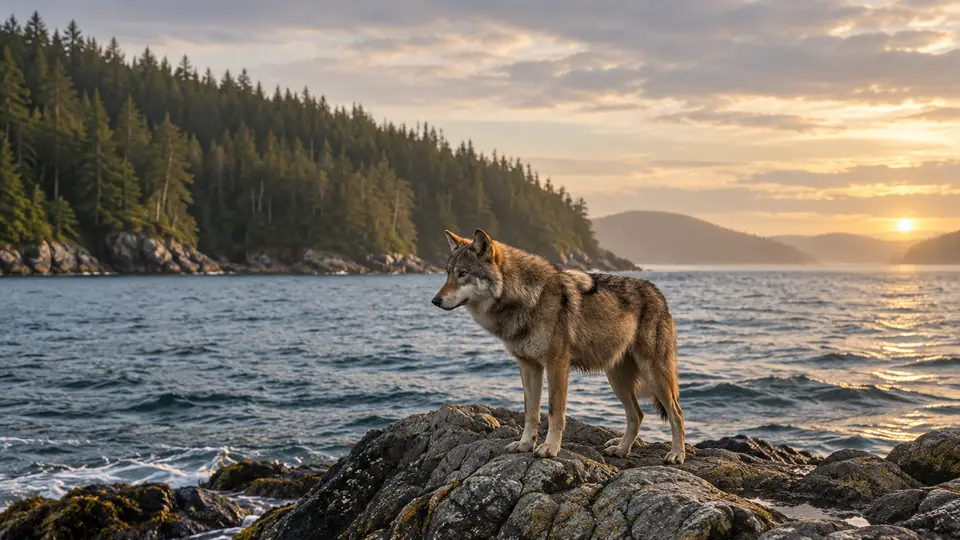
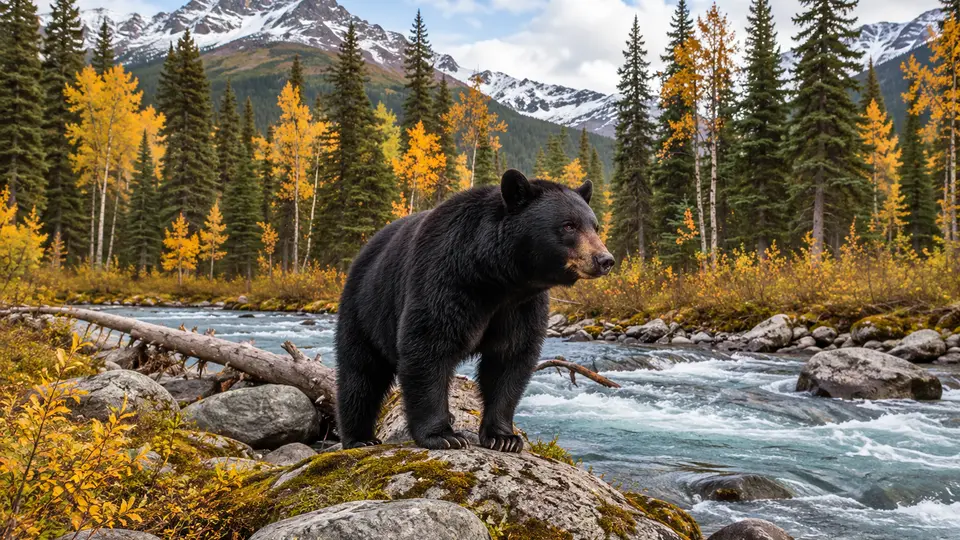
Sea OtterAI-modifiedSea OtterAlexander Archipelago WolfAI-modifiedAlexander Archipelago WolfAmerican Black BearAI-modifiedAmerican Black Bear
Animal groupMammalsAnimal groupMammalsAnimal groupMammals
DestinationsAlaskaDestinationsAlaskaDestinationsAlaska, New England
Scientific nameEnhydra lutrisScientific nameScientific name
All wildlife destinations
AI-modified
Plan your trip

Find your next wildlife adventure

Compare destinations, shore programs and dates with the animals and habitats you would love to see.

  • Naturalist-led shore excursions
  • Responsible wildlife watching
  • Small expedition ships