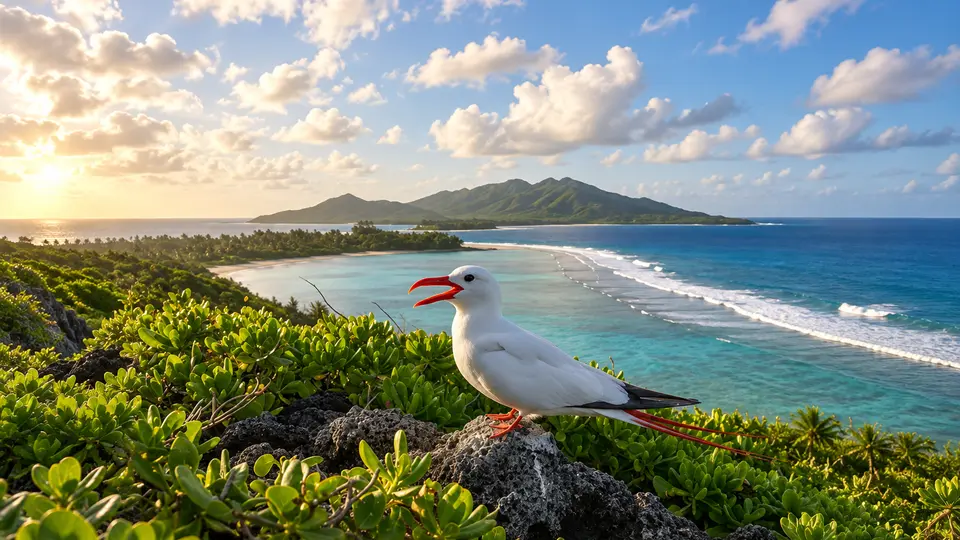
Red-tailed Tropicbird in its natural habitatAI-modified

Red-tailed TropicbirdPhaethon rubricaudaWhere and when to see them

Red-tailed Tropicbird at a glance

Red-tailed tropicbirds are oceanic seabirds of the tropical Indian and Pacific oceans. Adults have largely white plumage, a strong red bill and two slender red tail streamers that can be difficult to see against distant water. Their plumage sometimes carries a delicate pink flush. They return to islands to nest beneath vegetation or beside rocks, but spend long periods offshore. Introduced predators and disturbance can make otherwise suitable nesting islands unsafe for breeding birds.

Behaviour & reproduction

Size
Body length 45–50 cm (17.7–19.7 in), excluding tail streamers
Weight
600–850 g (21.2–30.0 oz)
Lifespan
Not reliably established
Status
Least Concern

Pairs perform striking aerial courtship near breeding islands, circling and manoeuvring together with their tail streamers extended. On land, birds move awkwardly and rely on sheltered nest positions rather than rapid escape. Both parents incubate a single egg and make feeding trips to sea. Chicks remain at the nest until they can fly. Adults defend the immediate nesting area, but colonies are often loose rather than densely packed cliff assemblages. Pairs maintain a strong bond during the breeding season, often returning to the same nesting site year after year. Chicks are fed regurgitated fish and squid, growing rapidly until they fledge. After fledging, young birds spend several years at sea before returning to breed.

Top wildlife locations

Seychelles wildlife habitatAI-modified

Seychelles

Remote island shores, low coastal scrub and colony flight paths provide plausible observation habitat. Many nesting areas are protected or inaccessible, so authorized shore viewpoints and distant deck views are the appropriate options.

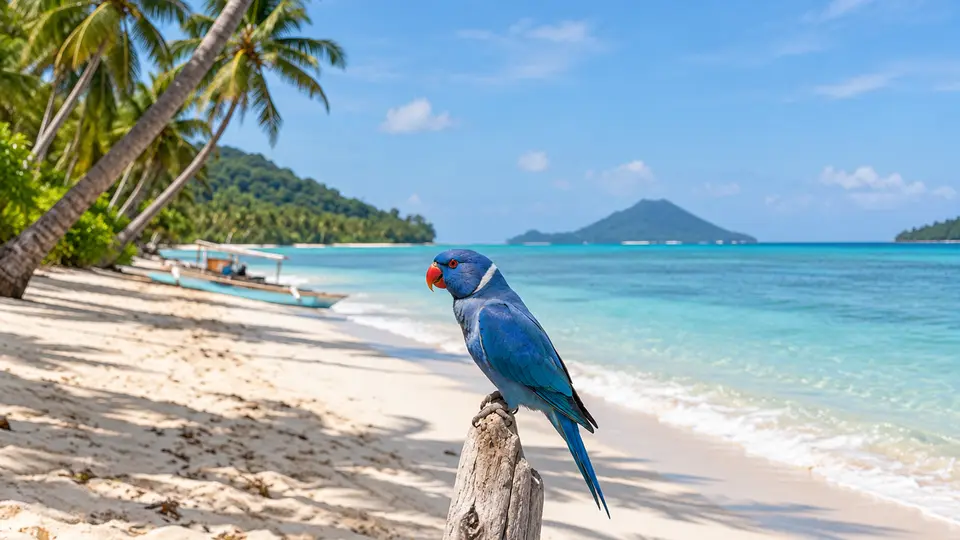
Polynesia wildlife habitatAI-modified

Polynesia

Ocean-facing island slopes, coral terrain and low coastal vegetation can support nesting birds. Colonies are localized and sometimes inaccessible, so shore opportunities depend on the particular island and its conservation access rules.

Destinations describe the species' habitat, not guaranteed cruise stops. Some animals require an optional inland excursion or are found in restricted reserves.

Fun facts about the Red-tailed Tropicbird

  • The red tail streamers are narrow feathers rather than ribbons of bare skin.
  • Some adults show a subtle pink tint across the white plumage.
  • Each nesting attempt normally involves one egg.
  • Introduced rats and cats can seriously affect ground-accessible nests.

Best time to see the Red-tailed Tropicbird

Useful viewing periods depend on the island because breeding can be extended or locally seasonal. In Seychelles, calmer intermonsoon travel conditions may help access authorized viewpoints. Across Polynesia, an island-specific calendar is essential, and a regional holiday season does not establish colony attendance. In the Seychelles, the dry season (May to October) often provides excellent viewing opportunities as birds are actively breeding. Polynesian breeding seasons can vary significantly by archipelago, with some islands hosting year-round nesting while others have distinct peaks. Consulting local wildlife calendars or cruise itineraries for specific islands is advisable.

Red-tailed Tropicbird: season matrix by destination

Travel and observation windows vary by region. Highlighted months are an orientation for planning, not confirmed sightings or a guarantee of access.

Seychelles

Intermonsoon travel conditions can be favourable, but breeding timing and visitor access must be checked for the specific island.

JanFebMarAprMayJunJulAugSepOctNovDec
Cruise ships in Seychelles

Polynesia

The destination spans too many islands and seasonal regimes for a single supported window; seek island-specific travel and colony advice.

JanFebMarAprMayJunJulAugSepOctNovDec
Cruise ships in Polynesia

Where the Red-tailed Tropicbird lives

Breeding habitat includes tropical islands with sandy or rocky ground, low shrubs and sheltered spaces beneath vegetation. Some colonies occupy raised coral terrain or cliff margins. Away from land, birds range over warm oceanic waters, often beyond the reach of shore-based observers. Nesting islands are typically remote and predator-free, crucial for successful breeding. They often choose locations with some vegetation cover to provide shade and protection for nests. These birds prefer islands with relatively easy access to the open ocean for foraging.

What the Red-tailed Tropicbird eats

Fish and squid are taken at sea, with flying fish among the characteristic prey. Birds locate food from the air before plunging to capture it. Prey availability and ocean conditions influence the distance and duration of feeding trips from nesting islands. Their diet consists primarily of small, surface-dwelling fish and squid. They have specialized glands to excrete excess salt, allowing them to drink seawater. Unlike many other seabirds, they do not dive deep but rather snatch prey near the surface with rapid, shallow plunges.

Species at a glance

Common name
Red-tailed Tropicbird
Scientific name
Phaethon rubricauda
Animal group
Birds
Size
Body length 45–50 cm (17.7–19.7 in), excluding tail streamers
Weight
600–850 g (21.2–30.0 oz)
Lifespan
Not reliably established
Status
Least Concern
Identification
Adults have red central tail streamers and largely unmarked white upperparts, unlike the barred red-billed tropicbird and the black-marked, yellow-billed white-tailed tropicbird. Juveniles lack the red tail streamers and have fine black barring on their upperparts, which fades with age. The adult's vibrant red bill and contrasting black legs are also key identification features at closer range. Their wings are long and pointed, and they have a buoyant, graceful flight style.

Red-tailed Tropicbird: frequently asked questions

Where can I see the Red-tailed Tropicbird?
Seychelles, Polynesia. Observe from approved coastal paths or deck, using binoculars to study flying adults. Keep away from shrubs concealing nests and avoid blocking birds' routes to open ground. Respect closed colonies and exposed cliff edges, even when birds appear approachable. When viewing from a ship, look for their distinctive silhouette and long tail streamers as they glide effortlessly over the waves. On land, approach nesting sites cautiously and always maintain a respectful distance to avoid disturbing incubating birds. Binoculars or a spotting scope will enhance details of their plumage and aerial displays.
When is the best time to see the Red-tailed Tropicbird?
Useful viewing periods depend on the island because breeding can be extended or locally seasonal. In Seychelles, calmer intermonsoon travel conditions may help access authorized viewpoints. Across Polynesia, an island-specific calendar is essential, and a regional holiday season does not establish colony attendance. In the Seychelles, the dry season (May to October) often provides excellent viewing opportunities as birds are actively breeding. Polynesian breeding seasons can vary significantly by archipelago, with some islands hosting year-round nesting while others have distinct peaks. Consulting local wildlife calendars or cruise itineraries for specific islands is advisable.
How big does the Red-tailed Tropicbird get?
Body length 45–50 cm (17.7–19.7 in), excluding tail streamers. Adult weight: 600–850 g (21.2–30.0 oz). Size varies with age, sex and population.
How should I behave around the Red-tailed Tropicbird?
Observe from approved coastal paths or deck, using binoculars to study flying adults. Keep away from shrubs concealing nests and avoid blocking birds' routes to open ground. Respect closed colonies and exposed cliff edges, even when birds appear approachable. When viewing from a ship, look for their distinctive silhouette and long tail streamers as they glide effortlessly over the waves. On land, approach nesting sites cautiously and always maintain a respectful distance to avoid disturbing incubating birds. Binoculars or a spotting scope will enhance details of their plumage and aerial displays.
What does the Red-tailed Tropicbird eat?
Fish and squid are taken at sea, with flying fish among the characteristic prey. Birds locate food from the air before plunging to capture it. Prey availability and ocean conditions influence the distance and duration of feeding trips from nesting islands. Their diet consists primarily of small, surface-dwelling fish and squid. They have specialized glands to excrete excess salt, allowing them to drink seawater. Unlike many other seabirds, they do not dive deep but rather snatch prey near the surface with rapid, shallow plunges.
Are wildlife sightings guaranteed on an adventure cruise?
No. Animals move freely and routes, weather, access restrictions and local conditions influence every outing. Confirm the actual itinerary and shore program before booking.

Compare wildlife in the same destinations

Explore other birds recorded in these destinations. Similar surroundings do not mean the animals share the same habits or viewing season.

Species comparison by animal group and destination
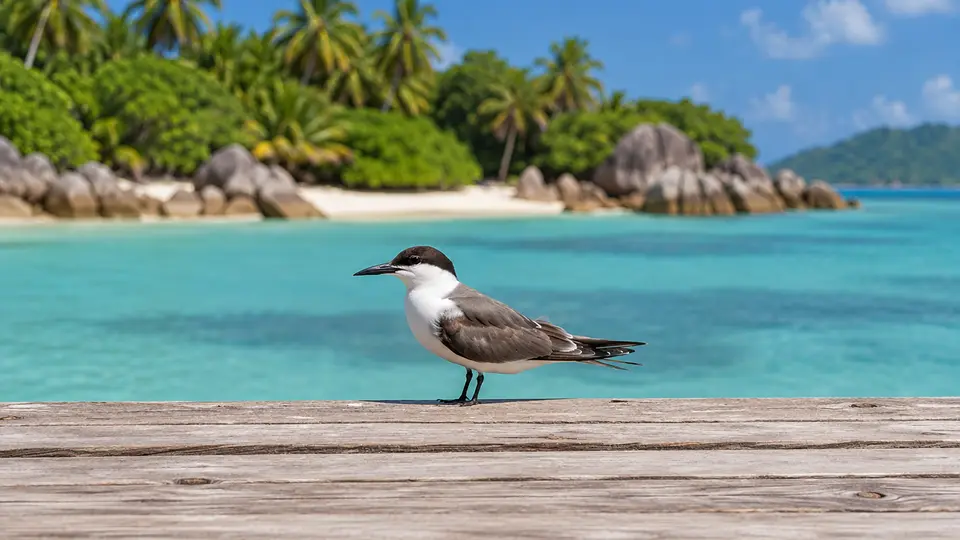
Red-tailed TropicbirdAI-modifiedRed-tailed TropicbirdBlue lorikeetAI-modifiedBlue lorikeetBridled TernAI-modifiedBridled Tern
Animal groupBirdsAnimal groupBirdsAnimal groupBirds
DestinationsSeychelles, PolynesiaDestinationsPolynesiaDestinationsSeychelles
Scientific namePhaethon rubricaudaScientific nameScientific name
All wildlife destinations
AI-modified
Plan your trip

Find your next wildlife adventure

Compare destinations, shore programs and dates with the animals and habitats you would love to see.

  • Naturalist-led shore excursions
  • Responsible wildlife watching
  • Small expedition ships