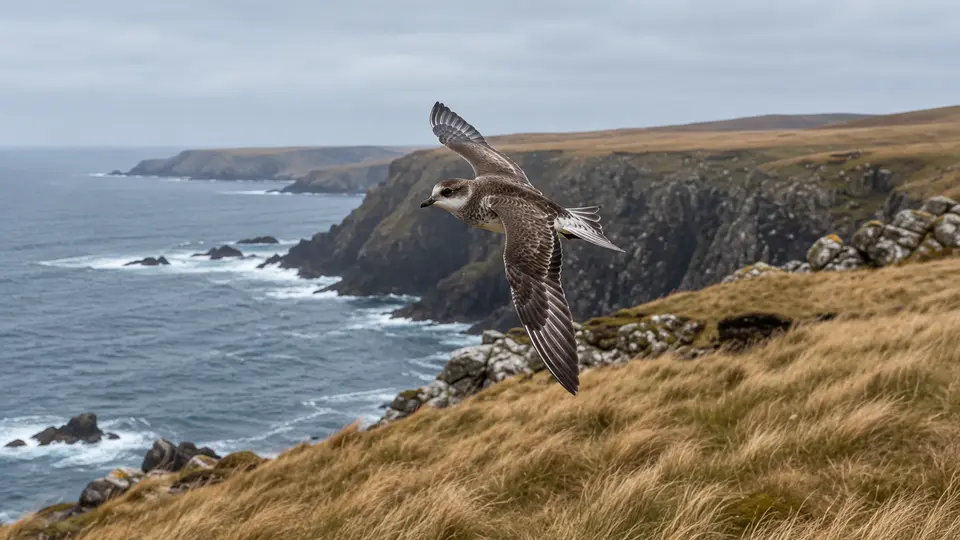
Parasitic Jaeger in its natural habitatAI-modified

Parasitic JaegerStercorarius parasiticusWhere and when to see them

Parasitic Jaeger at a glance

Known in Scotland as the Arctic skua, the parasitic jaeger is an agile seabird famous for chasing other birds until they release food. Adults occur in pale and dark colour forms, and breeding birds develop pointed central tail feathers. It nests across northern tundra and moorland, then undertakes long oceanic migrations. Scottish breeding populations have declined substantially, illustrating why a globally widespread species may still face serious regional conservation problems.

Behaviour & reproduction

Size
41-46 cm (16-18 in) long, excluding elongated tail feathers
Weight
300-650 g (10.6-22.9 oz)
Lifespan
10-20 years
Status
Least Concern

Near seabird colonies, jaegers pursue terns, gulls and auks with rapid turns and persistent aerial pressure. Food stealing is only part of their repertoire: they also hunt prey directly. Breeding pairs defend ground territories, sometimes making forceful warning passes at intruders. Away from nesting areas they are strongly marine, travelling widely and feeding opportunistically. Both parents incubate eggs and attend chicks, which leave the nest scrape soon after hatching. Pairs maintain loose colonies, but individual nests are well-spaced, reflecting their territorial nature. Their powerful and sustained flight allows them to cover significant distances, both when migrating and hunting.

Top wildlife locations

Scotland wildlife habitatAI-modified

Scotland

Northern island coasts and moorland margins, particularly in Shetland and Orkney, provide potential views. Breeding sites can be sensitive or access-managed, and birds are not evenly distributed around Scotland's shores.
Destinations describe the species' habitat, not guaranteed cruise stops. Some animals require an optional inland excursion or are found in restricted reserves.

Fun facts about the Parasitic Jaeger

  • Arctic skua is the standard British name for this species.
  • Pale and dark adults can breed together.
  • Chicks leave the simple ground scrape soon after hatching.
  • Food stealing is termed kleptoparasitism, reflected in its scientific name.

Best time to see the Parasitic Jaeger

May through August is the main Scottish breeding-period window, while coastal passage can extend opportunities into September. Northern island colonies offer the most relevant context. Seasonal presence does not justify entering nesting ground, particularly where local populations are under pressure. Prime time for observing breeding activity and territorial displays is during June and July. Early autumn often brings sightings of juveniles and migrating birds passing along the Scottish coast.

Parasitic Jaeger: season matrix by destination

Travel and observation windows vary by region. Highlighted months are an orientation for planning, not confirmed sightings or a guarantee of access.

Scotland

Covers breeding presence and some autumn passage; local colony status and conservation access guidance should be checked.

JanFebMarAprMayJunJulAugSepOctNovDec
Cruise ships in Scotland

Where the Parasitic Jaeger lives

Breeding habitat includes open coastal moorland, tundra and island grassland, usually within reach of marine feeding opportunities. Scottish birds often nest near other seabird concentrations. During migration and winter, open seas replace terrestrial nesting habitat, with coastal appearances dependent on movements and weather. In Scotland, particularly in the northern Isles, they favour lower-lying coastal areas and offshore islands. They show a preference for nesting sites with good visibility, often on slight rises or hummocks within the open landscape.

What the Parasitic Jaeger eats

Fish obtained from other seabirds are important around many coastal colonies. They also take eggs, chicks, small mammals, insects and other available prey. The balance between piracy and direct hunting varies geographically, with terrestrial food particularly relevant in some Arctic breeding areas. Piracy, or kleptoparasitism, involves harassing other birds until they drop their catch, which the jaeger then retrieves. Their diet can also include carrion, especially during winter months when other food sources are scarce.

Species at a glance

Common name
Parasitic Jaeger
Scientific name
Stercorarius parasiticus
Animal group
Birds
Size
41-46 cm (16-18 in) long, excluding elongated tail feathers
Weight
300-650 g (10.6-22.9 oz)
Lifespan
10-20 years
Status
Least Concern
Identification
Its pointed central tail feathers and relatively light, agile build distinguish breeding adults from the bulkier pomarine jaeger with spoon-shaped tail extensions. Juvenile parasitic jaegers exhibit highly variable plumage, ranging from dark brown to pale greyish morphs, making identification more challenging. Adults display distinct pale flashes at the primary bases of their wings, visible in flight.

Parasitic Jaeger: frequently asked questions

Where can I see the Parasitic Jaeger?
Scotland. Watch offshore pursuits from coastal viewpoints and follow signed routes across moorland. If adults alarm or make warning passes, retreat promptly along your approach route. Keep dogs controlled and never linger beside a suspected nest. Scanning the skies above seabird colonies with binoculars often reveals their distinctive aerial pursuits. From the ship's deck, look for their purposeful flight and interactions with other seabirds during passage.
When is the best time to see the Parasitic Jaeger?
May through August is the main Scottish breeding-period window, while coastal passage can extend opportunities into September. Northern island colonies offer the most relevant context. Seasonal presence does not justify entering nesting ground, particularly where local populations are under pressure. Prime time for observing breeding activity and territorial displays is during June and July. Early autumn often brings sightings of juveniles and migrating birds passing along the Scottish coast.
How big does the Parasitic Jaeger get?
41-46 cm (16-18 in) long, excluding elongated tail feathers. Adult weight: 300-650 g (10.6-22.9 oz). Size varies with age, sex and population.
How should I behave around the Parasitic Jaeger?
Watch offshore pursuits from coastal viewpoints and follow signed routes across moorland. If adults alarm or make warning passes, retreat promptly along your approach route. Keep dogs controlled and never linger beside a suspected nest. Scanning the skies above seabird colonies with binoculars often reveals their distinctive aerial pursuits. From the ship's deck, look for their purposeful flight and interactions with other seabirds during passage.
What does the Parasitic Jaeger eat?
Fish obtained from other seabirds are important around many coastal colonies. They also take eggs, chicks, small mammals, insects and other available prey. The balance between piracy and direct hunting varies geographically, with terrestrial food particularly relevant in some Arctic breeding areas. Piracy, or kleptoparasitism, involves harassing other birds until they drop their catch, which the jaeger then retrieves. Their diet can also include carrion, especially during winter months when other food sources are scarce.
Are wildlife sightings guaranteed on an adventure cruise?
No. Animals move freely and routes, weather, access restrictions and local conditions influence every outing. Confirm the actual itinerary and shore program before booking.

Compare wildlife in the same destinations

Explore other birds recorded in these destinations. Similar surroundings do not mean the animals share the same habits or viewing season.

Species comparison by animal group and destination
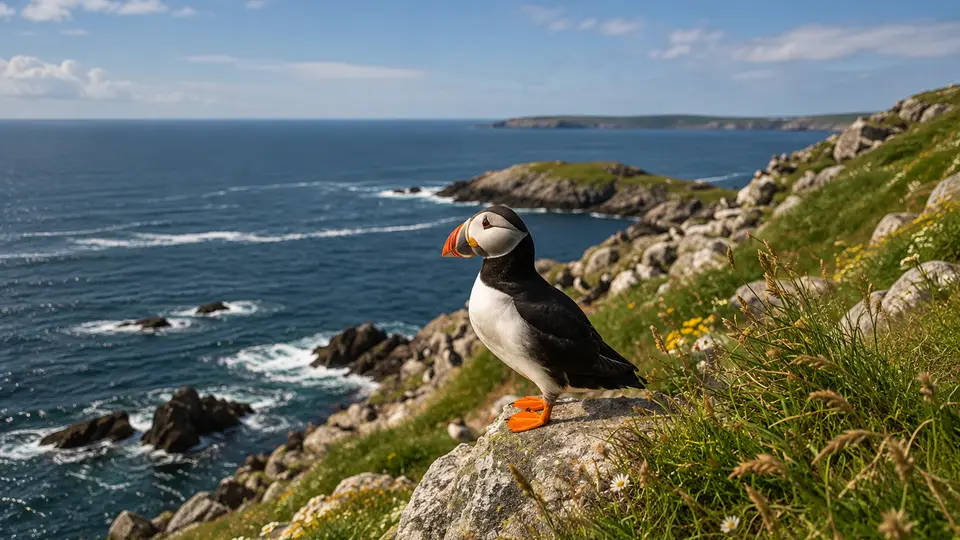
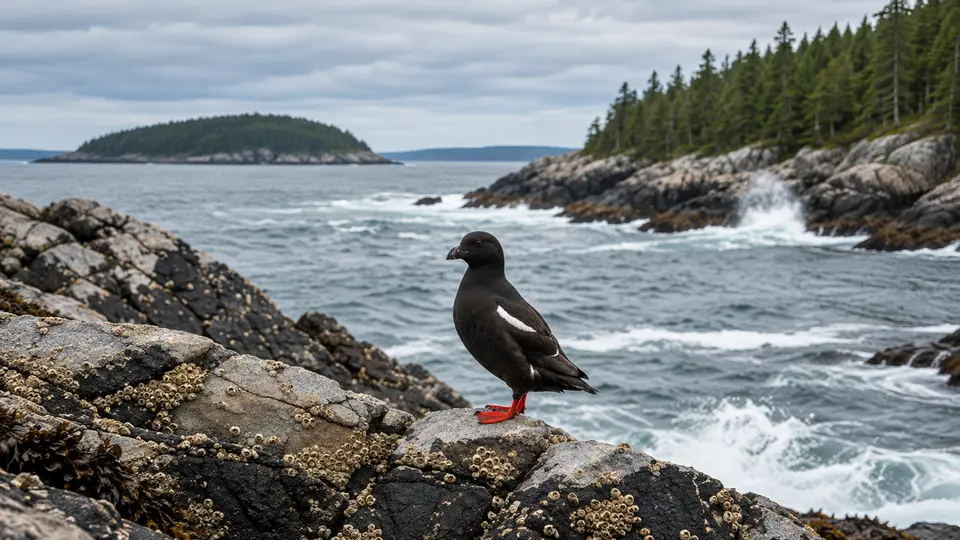
Parasitic JaegerAI-modifiedParasitic JaegerAtlantic PuffinAI-modifiedAtlantic PuffinBlack GuillemotAI-modifiedBlack Guillemot
Animal groupBirdsAnimal groupBirdsAnimal groupBirds
DestinationsScotlandDestinationsNew England, Norway, Scotland, ArcticDestinationsNew England, Norway, Scotland
Scientific nameStercorarius parasiticusScientific nameScientific name
All wildlife destinations
AI-modified
Plan your trip

Find your next wildlife adventure

Compare destinations, shore programs and dates with the animals and habitats you would love to see.

  • Naturalist-led shore excursions
  • Responsible wildlife watching
  • Small expedition ships